In a nutshell
- Tulum is famous for three core experiences: the cliffside Mayan ruins, white-sand Caribbean beaches, and the extensive network of cenotes in the surrounding jungle, making it ideal for travelers who want history, swimming, and nature in one trip.
- The ruins are best visited early to avoid heat and crowds, and they work especially well when combined with nearby beach time, creating a half-day plan that balances archaeology, scenery, and relaxation.
- Cenotes offer very different atmospheres, from accessible and popular spots like Gran Cenote and Dos Ojos to quieter jungle options such as Escondido and Cristal, which are better for travelers seeking a more peaceful route away from the busiest circuits.
- Budget and style matter a lot in Tulum: $100 USD can go reasonably far in town for food, transport, and activities, but it stretches much less in the beach zone, where beach clubs, taxis, and dining are significantly more expensive.
- Three to five days is the sweet spot for most visitors, allowing enough time to see the main sights, enjoy public beaches, explore several cenotes, spend time in Tulum town, and add a nature-focused day in Sian Ka’an Biosphere Reserve.
Tulum has a way of making almost everyone say the same thing at least once: “Okay, wow.” Between white-sand beaches, Mayan ruins perched above the sea, and cenotes hidden under the jungle canopy, it packs a lot into one destination. If you’re looking for the best things to do in Tulum, the good news is that you can mix history, swimming, nature, food, and laid-back beach time without forcing your itinerary into military mode.
Some travelers come for the postcard views, others for cenote-hopping, tacos, or that barefoot-boho atmosphere that Tulum wears like a permanent accessory. The trick is to balance the iconic sights with a few quieter experiences, especially if you want to see more than the polished Instagram version. In other words: yes, the ruins matter, but so does that random jungle road leading to water so clear it looks fake.
What is Tulum best known for
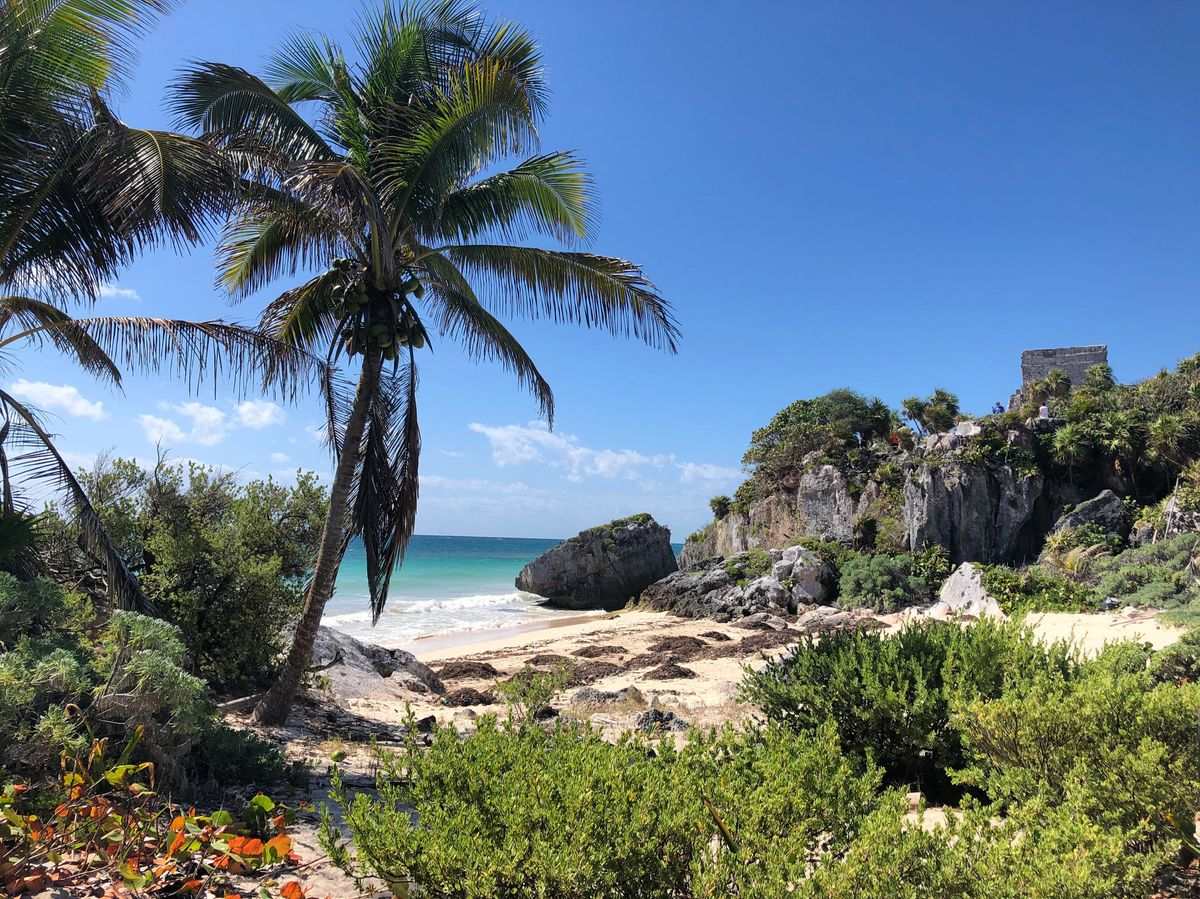
Tulum is best known for its cliffside Mayan ruins, Caribbean beaches, and a huge concentration of cenotes scattered through the jungle. It also stands out for its mix of nature, archaeology, boutique hotels, and a relaxed but trendy atmosphere that feels very different from larger resort destinations in the Riviera Maya.
The headline act is the archaeological site overlooking the sea, and fair enough: not every ancient city gets a turquoise backdrop that dramatic. But Tulum is not a one-sight destination. You can swim in open-air cenotes in the morning, explore ruins before lunch, then spend the afternoon at a public beach with sand so soft it feels suspiciously expensive.
- Historic appeal: the Tulum ruins are among the most scenic in Mexico
- Nature: cenotes, jungle, mangroves, and the nearby Sian Ka’an Biosphere
- Beach time: clear water, long stretches of sand, and public access spots
- Travel style variety: luxury escape, budget base, adventure trip, or mixed itinerary
Visit the Tulum ruins early
The Tulum ruins are one of the top experiences in the area and are best visited early in the morning. Arriving soon after opening helps you avoid peak heat and crowds, and gives you more space to appreciate the site’s architecture, history, and spectacular sea views.
These ruins were once part of a walled Mayan city and trading port, and their location is the real show-stealer. Walking through the site, you’ll see ancient stone structures, pathways, and lookout points that frame the Caribbean in absurdly vivid shades of blue. It’s the kind of place that makes you take the same photo seven times, just in case one is “more turquoise.”
A few practical tips make the visit smoother:
- Go early to beat both the tour groups and the midday sun.
- Wear breathable clothes and bring water.
- Use cash or card depending on current ticketing options, which can change.
- Pair the ruins with a nearby beach stop afterward.
Combine the ruins with the beach below
The beach area near the ruins adds a rewarding second half to the visit. After walking through the archaeological site, cooling off by the sea creates an easy half-day plan without long transfers or complicated logistics.
If access to the beach directly below the ruins is open during your trip, it’s worth checking. If not, nearby public beaches still give you the same glowing water and a much-needed swim. Ancient history followed by a saltwater dip is a pretty strong itinerary, even by Tulum standards.
Spend time on Tulum’s best beaches
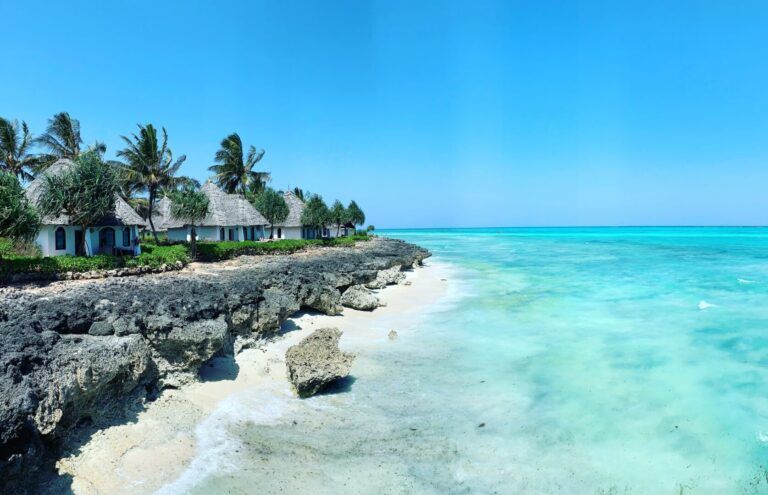
Tulum beaches are a major reason people visit, and for good reason. Expect pale sand, warm water, and a coastline that works for both relaxed mornings and long afternoons. Public-access beaches are often the best choice if you want the beauty without committing to a beach club budget.
Not every beach in Tulum offers the same vibe. Some are busier and closer to services, while others feel more spacious and natural. If you like your beach days with a side of convenience, stick near public entrances. If you prefer a quieter stretch, go earlier and walk a little farther.
| Beach | Why go | Best for |
|---|---|---|
| Playa Paraiso | Classic postcard sand and water | First-time visitors |
| Playa Las Palmas | More relaxed atmosphere | Quiet beach time |
| Playa Pescadores | Easy access and nearby services | Casual half-day stop |
| Playa Ruinas | Scenic setting near the archaeological site | Ruins + swim combo |
Bring water, sun protection, and realistic expectations about prices near the hotel zone. Tulum can absolutely charm you, but it can also charge beach-club prices for the privilege of sitting down dramatically near a palm tree.
Swim in cenotes, from famous spots to jungle hideaways
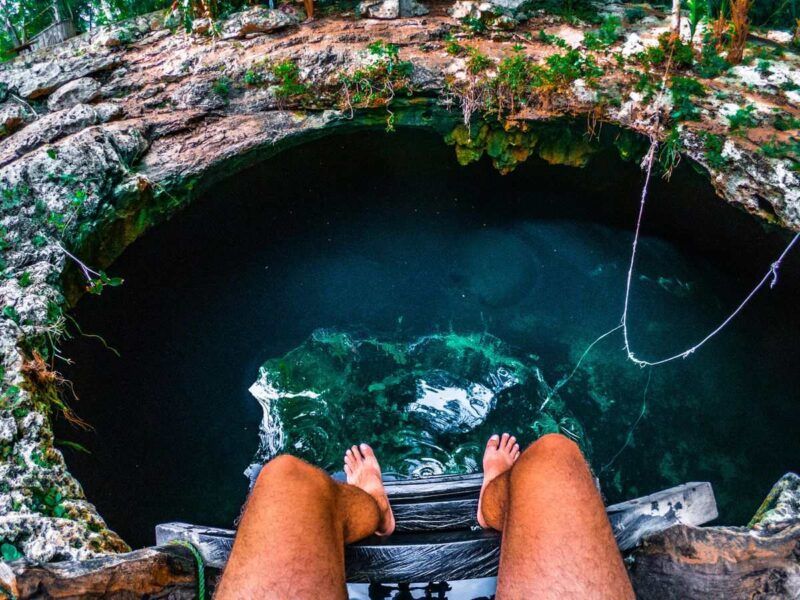
Cenotes near Tulum are among the most memorable experiences in the region. These natural freshwater sinkholes offer swimming, snorkeling, and sometimes cave exploration in crystal-clear water. Some are popular and easy to reach, while others feel tucked away in the jungle and far from the busiest tourist circuits.
The famous names get attention for a reason. Gran Cenote is convenient and beginner-friendly, Dos Ojos is excellent for snorkeling and diving, and Cenote Calavera has a more playful, adventurous feel. But if you want a more intimate experience, plan a small route through lesser-known cenotes hidden among the trees.
A cenote route away from the crowds
A jungle cenote route is ideal if you want a quieter side of Tulum. By visiting a few less-touristed cenotes in the same day, you can enjoy different atmospheres, from open-air swimming holes to semi-covered pools surrounded by dense vegetation.
Look into cenotes such as Escondido, Cristal, or other family-run spots slightly farther from the busiest routes. They often feel more natural and less polished, which is precisely the charm. You may trade fancy facilities for birdsong, filtered light, and that mild suspicion you’ve wandered into a fantasy novel. A very good trade, frankly.
- For easy access: Gran Cenote
- For snorkeling: Dos Ojos
- For jumping in: Calavera
- For a quieter jungle feel: Escondido and Cristal
Remember that cenotes are fragile ecosystems. Shower if required, skip regular sunscreen, and follow local rules carefully.
Explore Sian Ka’an and the wilder side of Tulum
Sian Ka’an Biosphere Reserve offers a very different experience from the beach and town. This protected area is known for mangroves, lagoons, birdlife, and marine ecosystems, making it one of the best options for travelers who want nature, wildlife, and a more remote landscape.
If Tulum’s beach road sometimes feels like a catwalk with bicycles, Sian Ka’an is the reset button. Tours often include boat rides, floating in clear canals, or wildlife spotting. Depending on the route, you may see birds, turtles, and other species in a setting that feels much less curated and much more alive.
This is a good choice if you want:
- A full-day activity beyond the beach
- Nature and conservation-focused travel
- A quieter contrast to central Tulum
- Photos featuring something other than your feet on sand
Discover Tulum town beyond the beach
Tulum town, often called Centro, is where you’ll find a more local and practical side of the destination. It’s generally more affordable than the beach zone and offers casual restaurants, taco spots, small shops, murals, and a less polished but more grounded atmosphere.
Spending time in town helps balance the trip. You can eat well without needing to take out a small loan for lunch, browse boutiques, and enjoy a more everyday rhythm. It’s also the best base if you want easier access to buses, rentals, and lower accommodation prices.
Eat tacos, browse shops, and spot street art
Tulum town is ideal for casual exploring, especially in the late afternoon or evening. It combines food, shopping, and street life in a way that feels more spontaneous than the beach zone.
Walk the side streets as well as the main avenues. Murals pop up where you least expect them, and small local eateries often outperform trendier places when it comes to flavor. This is the moment to embrace tacos without overthinking it. Research is noble, but hunger is usually faster.
How much is $100 in Tulum, Mexico?
$100 USD goes a moderate distance in Tulum, but how far depends heavily on your travel style. It can cover a budget-friendly day with food, transport, and one activity, or disappear quickly in the beach zone through cocktails, taxis, and entrance fees.
In practical terms, around 100 USD can usually cover a cenote visit or two, casual meals in town, and local transport for the day. On the beach, that same amount may barely handle a beach club minimum spend plus drinks. Tulum is one of those places where a taco can cost very little in town and a smoothie near the beach can suddenly develop luxury ambitions.
To make your budget stretch:
- Stay or eat more often in Tulum Centro
- Use bikes or shared transport where possible
- Mix major sights with low-cost beach time
- Choose one splurge per day, not four heroic splurges before lunch
What to be careful of in Tulum
Travel in Tulum is generally straightforward, but a few precautions matter. The main things to be careful of are road safety, unofficial pricing, environmental rules at cenotes, strong sun exposure, and choosing transport and nightlife options with common sense.
Taxis can be expensive, roads can feel chaotic, and distances are often longer than they appear on a map. If you rent a scooter or bike, stay alert and avoid moving around in poorly lit areas late at night without a plan. At cenotes and beaches, follow safety signs and local guidance, especially if currents or entry points look rough.
- Watch transport costs: confirm taxi prices in advance
- Protect yourself from heat: hydration and shade matter
- Respect nature rules: no harmful sunscreen in cenotes
- Use normal nightlife caution: drink responsibly and plan your ride back
How many days is enough for Tulum?
Three to five days is enough for most travelers to enjoy Tulum without rushing. That gives you time for the ruins, a couple of beaches, several cenotes, and at least one nature or day-trip experience such as Sian Ka’an or nearby Mayan sites.
If you only have two days, focus on the essentials: ruins, one beach, and one or two cenotes. With four or five days, you can slow down and add jungle cenotes, Tulum town, or a longer eco-adventure. More than a week works well if you want a flexible pace and a few “do absolutely nothing” afternoons, which, to be fair, is also a valid cultural activity.
Plan your days by travel style
Tulum works best when you match activities to the kind of trip you want. Some travelers want archaeology and nature, others want beach time with a few scenic stops, and many want a bit of everything. A loose plan helps you avoid wasting time in transit.
Here’s a simple way to think about it:
- 2 days: ruins, public beach, one famous cenote
- 3 days: add Tulum town and a second cenote route
- 4-5 days: include Sian Ka’an or another day trip, plus hidden jungle cenotes
- 1 week: slow pace, mixed budget experiences, room for weather changes
Tulum is at its best when you don’t try to overbook every hour. Leave some space to linger, detour, or simply float in silence for a while wondering whether cenote water has magical anti-stress properties. Science may be undecided, but your shoulders will know.
Make the most of Tulum
The best way to experience Tulum is to combine its iconic highlights with a few quieter moments. Visit the ruins early, choose beaches that match your mood, explore cenotes both famous and hidden, and give yourself time to enjoy the town as well as the coast.
If you want to experience this destination with the right mix of freedom, fun, and like-minded travelers, take a look at the WeRoad group trips to Tulum and Mexico and start planning your next adventure.
FAQ | About Tulum
- Is Tulum worth visiting if I’m not into beach clubs?
-
Yes. Tulum has plenty to offer beyond beach clubs, including ruins, public beaches, cenotes, street food in town, and nature trips like Sian Ka’an. You can have a full and memorable trip without centering it around nightlife or luxury venues.
- Which cenote is best for first-time visitors?
-
Gran Cenote is one of the easiest choices for first-timers because it is accessible and well known. If you want dramatic cave scenery and snorkeling, Dos Ojos is another excellent option.
- Is it better to stay in Tulum town or near the beach?
-
It depends on your budget and travel style. Tulum town is usually more affordable and practical, while the beach zone is more scenic and expensive. Many travelers prefer staying in town and visiting the beach during the day.
- Can I visit Tulum without renting a car?
-
Yes. You can use bikes, taxis, colectivos, and tours to get around. A car adds flexibility, especially for cenotes and day trips, but it is not essential for a short stay.
- What should I pack for cenotes in Tulum?
-
Bring swimwear, a towel, water shoes if you like, a dry bag, and cash for entrance fees. Avoid standard sunscreen and follow local eco-rules, since cenotes are sensitive natural environments.