In a nutshell
- Las Vegas is much more than gambling, with a strong mix of landmark attractions, museums, immersive venues, and walkable entertainment areas that suit first-time visitors and repeat travelers alike.
- The Strip delivers the classic experience through highlights such as the Bellagio Fountains, Bellagio Conservatory, the Venetian, and the LINQ area, combining iconic sights with easy evening planning.
- Free activities are a real strength of the city, especially Fremont Street, hotel hopping, the Welcome sign, and wildlife or botanical displays that help balance a travel budget without sacrificing atmosphere.
- Downtown Las Vegas adds variety with the Mob Museum, the Arts District, and a more local, creative energy that contrasts well with the polished scale of the Strip.
- Day trips expand the experience dramatically, with Red Rock Canyon, Hoover Dam, Valley of Fire, and the Grand Canyon offering nature, photography, and a complete change of pace from the city.
Las Vegas is often introduced with flashing lights, poker chips, and the seductive promise of staying up way past your bedtime. But the city has a second personality, and honestly, it’s a good one. Beyond the roulette tables and themed lobbies, you’ll find art spaces, immersive attractions, classic landmarks, and plenty of experiences that cost exactly zero dollars.
If you’re planning your list of things to do in Las Vegas, it helps to think in layers: the iconic Strip, the more creative downtown area, and the natural wonders just outside the city. This mix is what makes Vegas more interesting than many first-time visitors expect.
What to do in Las Vegas besides gambling
Las Vegas offers a wide range of activities for travelers who have no interest in casinos. The best alternatives include observation decks, live shows, immersive art venues, museums, free fountain displays, and neighborhoods with local food and culture. The city works well for short breaks, group trips, and stopovers before exploring the desert.
The first surprise is that Vegas is built for spectacle, not just betting. That means even a simple walk can turn into an evening of dancing fountains, neon signs, gondolas, street performers, and people-watchers who deserve their own award category. You may come for one night and leave with 900 photos, 14,000 steps, and a mild obsession with hotel interiors.
The must-see attractions on the Strip
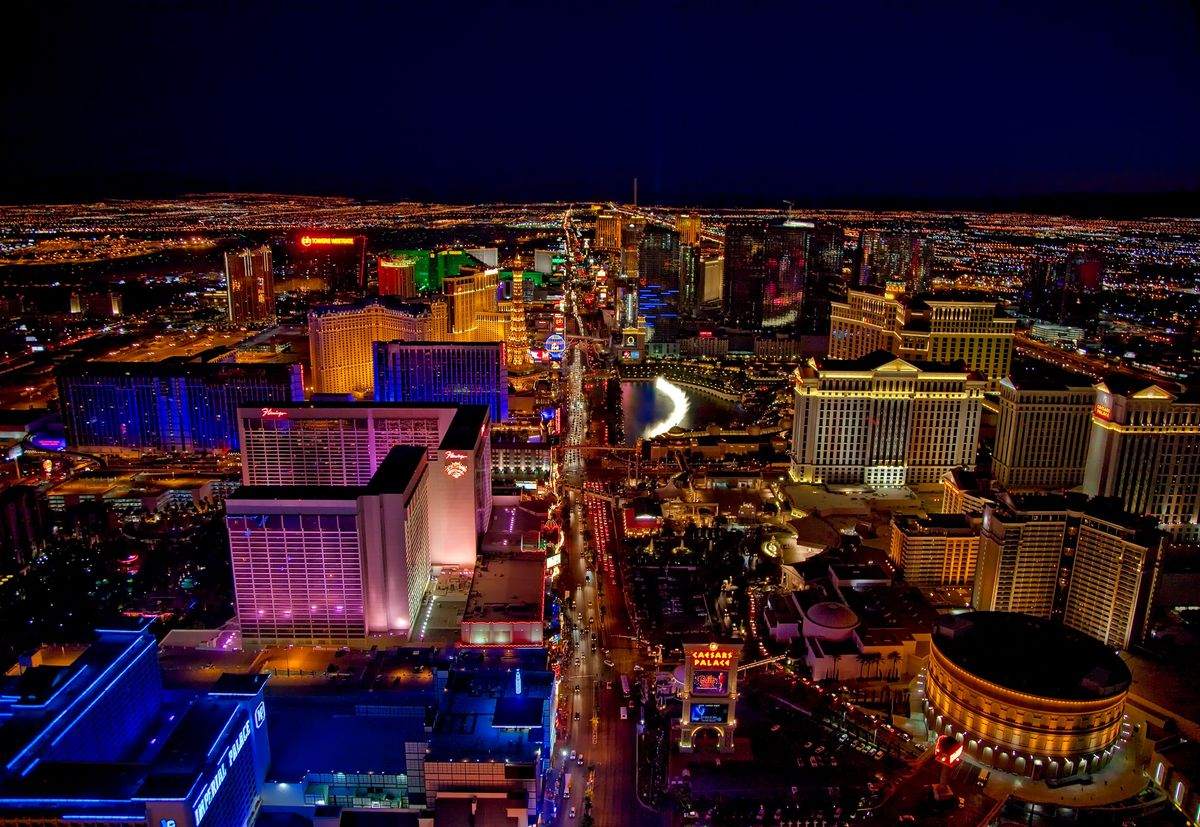
The Las Vegas Strip is the city’s most famous stretch and a strong starting point for first-time visitors. Many highlights are easy to combine on foot, especially in the late afternoon and evening. Even without entering a casino, you can fill an entire day with landmarks, entertainment, and free experiences.
Bellagio Fountains and Conservatory
The Bellagio Fountains are one of the city’s signature sights and one of the best free experiences in town. The choreographed water show runs regularly throughout the day and evening, and it still manages to make adults stop mid-sentence and stare like delighted children.
Inside the hotel, the Bellagio Conservatory & Botanical Gardens changes with the seasons and is worth a visit for its elaborate floral installations. It’s polished, theatrical, and just dramatic enough to remind you that subtlety was never really the point in Las Vegas.
The Venetian and its Grand Canal
The Venetian is worth visiting for its architecture, indoor canals, and detailed public spaces. Even if you skip the gondola ride, wandering through the Grand Canal Shoppes gives you one of the most recognizable Vegas settings. It is part Italy, part film set, part “wait, is that ceiling fake?”
Go in the evening if you want a livelier atmosphere, with music, restaurants, and more energy around the promenades.
The High Roller and the LINQ Promenade
The High Roller offers one of the best panoramic views of the city, especially at sunset or after dark. Nearby, the LINQ Promenade is lined with restaurants, bars, and casual stops that make it easy to turn one attraction into a full evening plan.
If you do not want to buy a ticket for the wheel, the promenade itself is still worth a stroll. It’s one of the easiest areas to enjoy Las Vegas without overplanning every minute.
The Most Beautiful Places in the World: the Ultimate Bucket List
Free things to enjoy in Las Vegas
Las Vegas has more free attractions than many travelers expect. Some are quick stops, while others can shape an entire evening. These experiences are especially useful if you want to balance the cost of hotels, shows, and dining with activities that keep your budget under control.
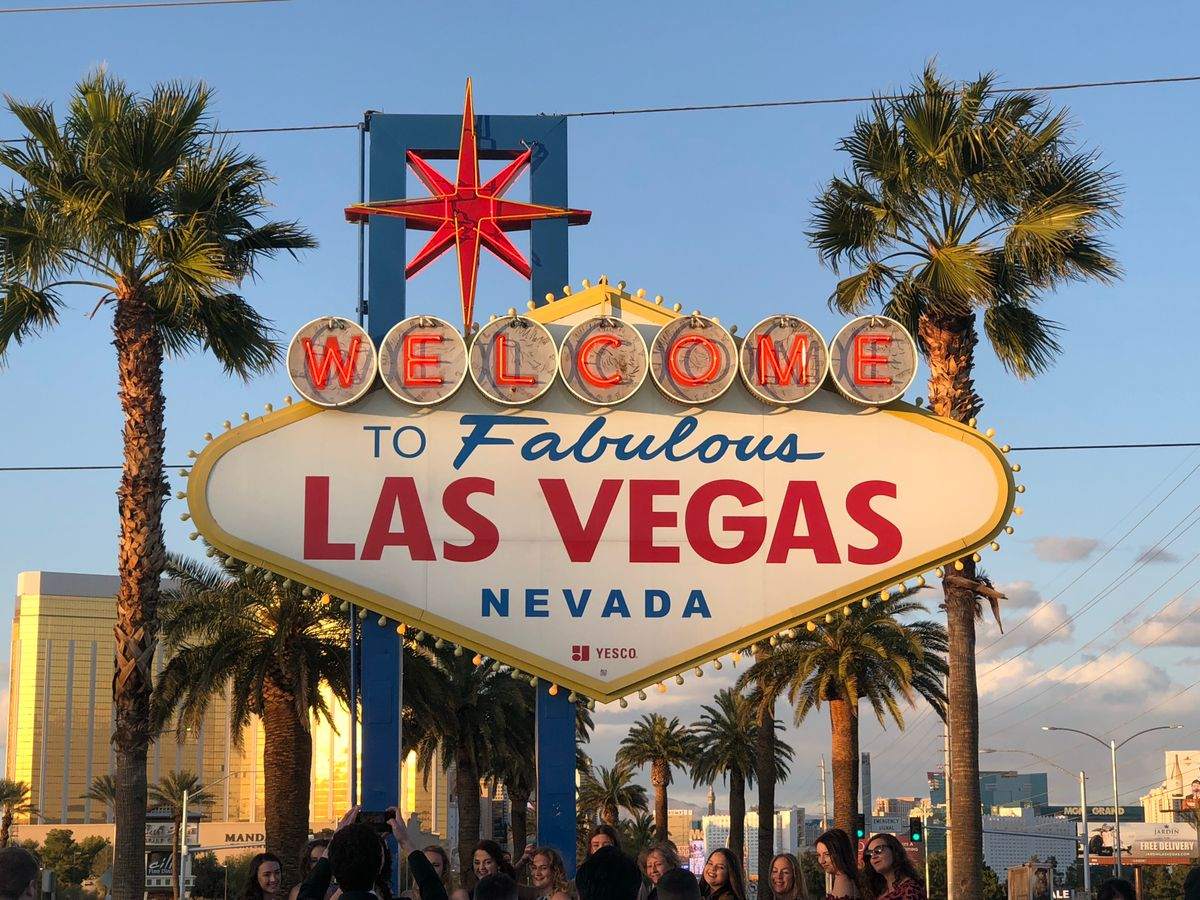
- Welcome to Fabulous Las Vegas sign for the classic photo stop
- Fremont Street Experience for giant LED canopy shows and street entertainment
- Bellagio Fountains for iconic music-and-water performances
- Bellagio Conservatory for seasonal floral displays
- Flamingo Wildlife Habitat for a relaxed break from the Strip
- Hotel hopping to explore the themed resorts and public spaces
Vegas can be expensive in very creative ways, so finding free attractions feels a bit like winning without having to clap awkwardly at a slot machine. They also work well between meals, at night, or when your group cannot agree on whether the next plan should involve art, cocktails, or air conditioning.
Downtown Las Vegas for a different vibe
Downtown offers a more local, creative, and slightly retro version of the city. It is ideal if you want history, independent venues, and a break from the polished intensity of the Strip. This part of Las Vegas often feels more surprising and more character-driven.
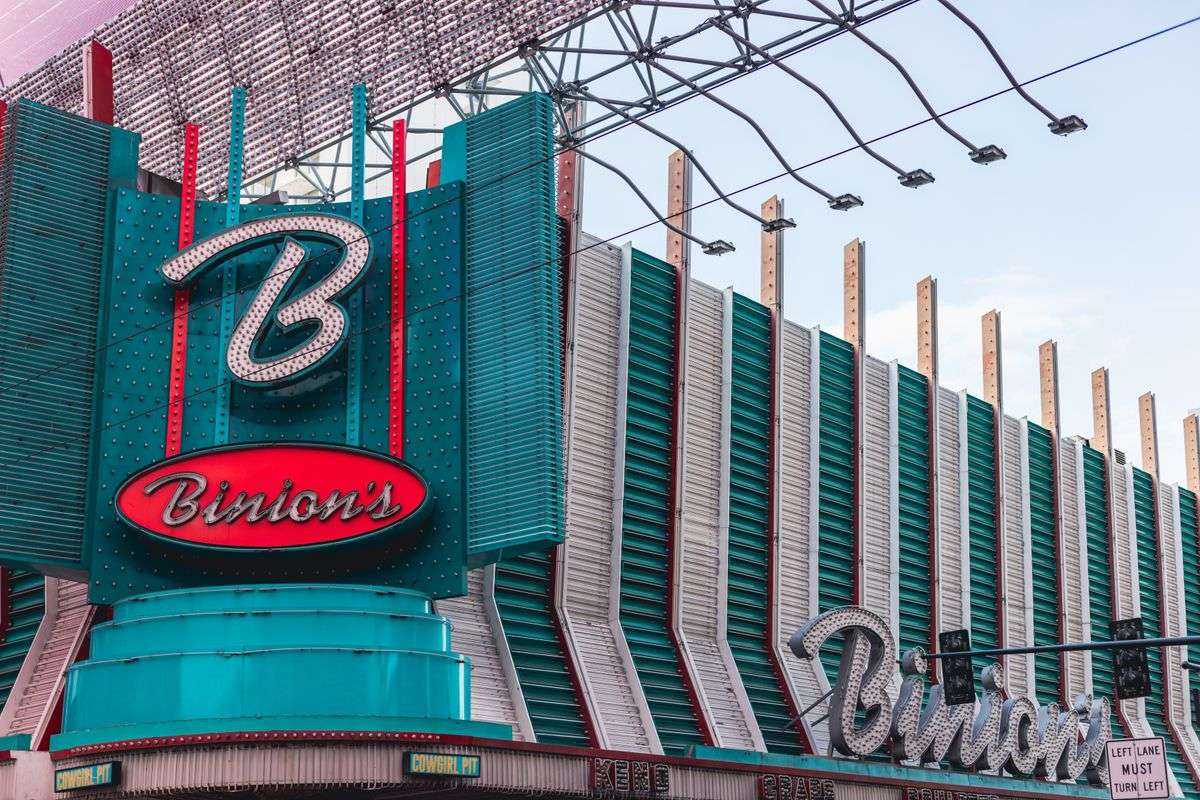
Fremont Street Experience
Fremont Street is loud, bright, and unapologetically over the top. The LED canopy shows, live music, and street performers create one of the most energetic environments in Las Vegas. It is touristy, yes, but also genuinely entertaining.
If the Strip feels like a polished blockbuster, Fremont feels like the chaotic cult classic that people quote years later.
The Mob Museum
The Mob Museum is one of the city’s best cultural attractions and an excellent choice for travelers interested in history. It explores organized crime, law enforcement, and the role Las Vegas played in both. The exhibits are detailed, interactive, and strong enough to hold your attention for several hours.
It adds context to the city and gives depth to a destination that is often reduced to bright lights and buffet strategy.
Arts District and local culture
The Las Vegas Arts District is a strong option for coffee stops, murals, vintage shops, galleries, and independent restaurants. It is less polished than the Strip, but that is exactly the appeal. This is where the city shows some edge and personality.
If you enjoy places that feel less engineered and more lived in, carve out time for this area.
Immersive experiences and unusual attractions
Las Vegas is particularly good at experiences that are difficult to categorize. Some are part art installation, part playground, and part sensory overload. If you want something memorable that goes beyond the usual landmarks, this is where the city stands out.
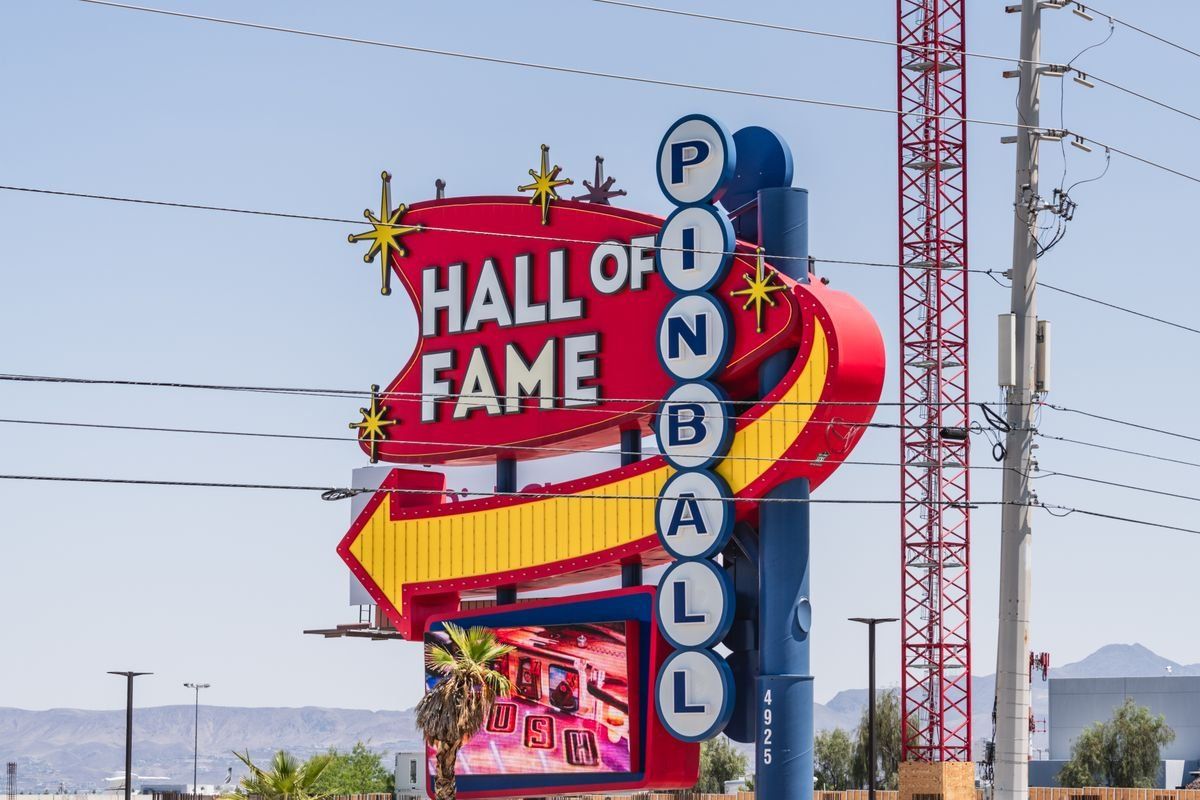
AREA15
AREA15 is one of the most original attractions in Las Vegas. It combines immersive art, entertainment, digital installations, themed bars, and interactive spaces in a single venue. Entry to the complex is often free, while individual experiences require tickets.
It feels like someone gave a sci-fi director, a festival producer, and a very caffeinated designer the same building and said, “Go on then, make it weird.” Thankfully, they did.
The Neon Museum
The Neon Museum is a great way to connect with the visual history of Las Vegas. Old casino signs and restored lettering tell the story of the city through design, advertising, and nostalgia. It is especially atmospheric in the late afternoon or evening.
This is a smart choice if you want something iconic but less predictable than another pass through a resort lobby.
Best day trips from Las Vegas
Las Vegas is also a practical base for outdoor excursions. Within a few hours, you can reach canyons, desert landscapes, and major natural landmarks. These trips are ideal if you want to pair city energy with wide-open scenery and a very different pace.
| Day trip | Best for | Approx. time from Las Vegas |
|---|---|---|
| Red Rock Canyon | Short hikes and scenic drives | 30-40 minutes |
| Hoover Dam | Engineering history and viewpoints | 45 minutes |
| Valley of Fire State Park | Rock formations and desert photography | 1 hour |
| Grand Canyon West | Big scenery on a long day trip | 2.5 hours |
Red Rock Canyon is the easiest nature escape and works well even if you only have half a day. Valley of Fire is one of the most visually dramatic options near the city, with fiery rock formations and excellent photo stops. Hoover Dam is ideal if you want a shorter outing with historical interest.
After a couple of days in Vegas, a desert drive can feel like the universe gently lowering the volume.
How much should you budget for Las Vegas?
Las Vegas can suit different budgets, but costs vary quickly depending on shows, dining, and accommodation. A moderate daily budget often works well if you combine paid highlights with free attractions. Planning ahead helps more here than in many other cities.
- Use free attractions to fill mornings or evenings.
- Book major shows early for better prices and availability.
- Stay central if you want to reduce transport costs.
- Walk strategically: distances look shorter than they are.
- Mix one or two premium experiences with lower-cost days.
A budget of around $200 to $300 per day can be reasonable for many travelers, excluding luxury shopping and high-end nightlife. It is possible to spend less, but in Vegas, temptation arrives every twelve seconds and usually has neon around it.
The WeRoad tip
Turn Vegas into the starting line for an epic Southwest loop
Las Vegas works brilliantly as more than a city break: it can be the launchpad for a full-on American Southwest adventure. If you have extra days, skip the idea of staying only under neon lights and build a route that moves from spectacle to silence. Start with a final evening on the Strip, then trade the themed hotels for desert horizons on a Death Valley day trip, stopping at Zabriskie Point, Dante’s View, Artist Drive, and Badwater Basin. From there, the journey can grow bigger: walk the rim from Mather Point to Powell Point at the Grand Canyon South Rim, catch sunset at Horseshoe Bend, and watch light move across the sandstone walls of Antelope Canyon.
If you want the kind of itinerary that makes your camera beg for mercy, continue into Utah with Zion National Park and the unforgettable wade through The Narrows, then finish among the hoodoos of Bryce Canyon. It’s the perfect contrast to Vegas: one trip gives you fountains, neon, and rooftop cocktails; the next gives you river hikes, canyon viewpoints, and silence so dramatic it feels almost theatrical too.
How to make the most of your trip
The best approach is to combine the famous landmarks with a few more distinctive stops. That gives you the classic Vegas experience while avoiding a trip that feels repetitive. A balanced itinerary usually includes the Strip, Downtown, one immersive attraction, and one day trip or outdoor escape.
In practical terms, a solid plan might look like this:
- One evening on the Strip for the main sights
- One night in Downtown Las Vegas for Fremont Street and local venues
- One cultural or immersive stop such as the Mob Museum or AREA15
- One nature-focused excursion beyond the city
That mix captures what makes Las Vegas special: spectacle, contrast, and the ability to go from chandeliered glamour to red-rock silence in less than a day.
If you want to experience Nevada and the American Southwest with company, flexibility, and a well-designed itinerary, take a look at the WeRoad group trips for United States and start planning beyond the casinos.
FAQ
- What is the $20 rule in Vegas?
-
The so-called $20 rule refers to politely offering a tip at hotel check-in while asking if any room upgrades are available. It is not guaranteed, and policies vary, but some travelers still try it in hopes of getting a better room.
- Is $1000 enough for 5 days in Vegas?
-
It can be enough for five days if you book accommodation carefully, focus on free attractions, and limit expensive nightlife, dining, or shows. For a more comfortable trip, especially on the Strip, many travelers prefer a higher budget.
- What can you not miss in Las Vegas?
-
The essentials include the Bellagio Fountains, a walk along the Strip, Fremont Street at night, and at least one attraction with a view or cultural angle, such as the High Roller, the Mob Museum, or the Neon Museum.
- Is there anything to do in Las Vegas besides gamble?
-
Yes, absolutely. Las Vegas has museums, immersive art venues, live entertainment, observation wheels, themed hotels, shopping areas, free public attractions, and easy access to natural sites like Red Rock Canyon and Valley of Fire.
- How many days do you need in Las Vegas?
-
Three to four days is enough for most travelers to see the major attractions, explore Downtown, enjoy a show or immersive venue, and add a short day trip beyond the city.