In a nutshell
- Jordan offers an exceptional mix of history, landscapes, and culture, making it one of the most rewarding destinations in the Middle East for first-time and repeat travelers alike.
- Petra is the country’s top attraction, with the Siq, the Treasury, the Street of Facades, and the Monastery forming the core of a visit that deserves at least one full day.
- Wadi Rum delivers Jordan’s most cinematic natural scenery, best experienced through a jeep safari, sunset viewpoints, and an overnight stay in a Bedouin camp under the stars.
- The Dead Sea is ideal for relaxation and a unique floating experience, especially when combined with mineral mud treatments and nearby cultural stops such as Madaba or Mount Nebo.
- Seven days can be enough for Jordan’s highlights, especially with a route that includes Amman, Petra, Wadi Rum, and the Dead Sea, plus one or two extra stops based on your interests.
Jordan may look compact on a map, but it packs in an almost unfair amount of beauty. In just one trip, you can walk through an ancient city carved into rock, sleep in a desert that looks like another planet, and float in salty water without lifting a finger. Not bad for a single passport stamp.
What makes Jordan special is the mix of scale and variety. The country’s biggest highlights are world-famous for good reason, but they also connect naturally into a trip that feels balanced: history in Petra, adventure in Wadi Rum, and pure relaxation at the Dead Sea. Add warm hospitality, excellent food, and surprisingly manageable distances, and you’ve got a destination that delivers from day one.
Why Jordan deserves a spot on your travel list
Jordan stands out because it combines iconic landmarks, outdoor adventure, cultural depth, and easy logistics. You can experience UNESCO sites, desert landscapes, biblical history, and wellness stops in a relatively short itinerary. For many travelers, it is one of the most accessible and rewarding introductions to the Middle East.
There’s a certain overachiever energy to Jordan. One minute you’re staring at a Nabataean masterpiece, the next you’re bouncing around red dunes in a jeep, and by evening you’re covered in mineral mud wondering whether this now counts as skincare or performance art.
Beyond the postcard moments, the country feels welcoming and travel-friendly. Roads connect the major stops well, guided experiences are easy to arrange, and many of the top attractions fit neatly into a 7 to 10-day route. That’s why planning what to do in Jordan is less about filling empty days and more about deciding what you can realistically fit in without needing a clone.
The must-see trio: Petra, Wadi Rum and the Dead Sea
If you want to focus on Jordan’s most memorable experiences, start with Petra, Wadi Rum, and the Dead Sea. These three places offer the strongest combination of archaeology, scenery, and atmosphere. Together, they create the backbone of a classic first-time itinerary and work well even on a one-week trip.
| Place | Why go | Best for | Suggested time |
|---|---|---|---|
| Petra | Ancient Nabataean city carved into sandstone | History, hiking, iconic views | 1-2 days |
| Wadi Rum | Desert landscapes, jeep tours, Bedouin camps | Adventure, stargazing, photography | 1-2 days |
| Dead Sea | Floating, mud treatments, resort relaxation | Wellness, rest, unusual experiences | Half day-1 day |
These are the heavy hitters, the all-stars, the reason your camera roll will become wildly unmanageable. If time is limited, prioritize these first. If you have extra days, then build around them with Amman, Madaba, Jerash, Aqaba, or Wadi Mujib.
Petra: Jordan’s most iconic experience
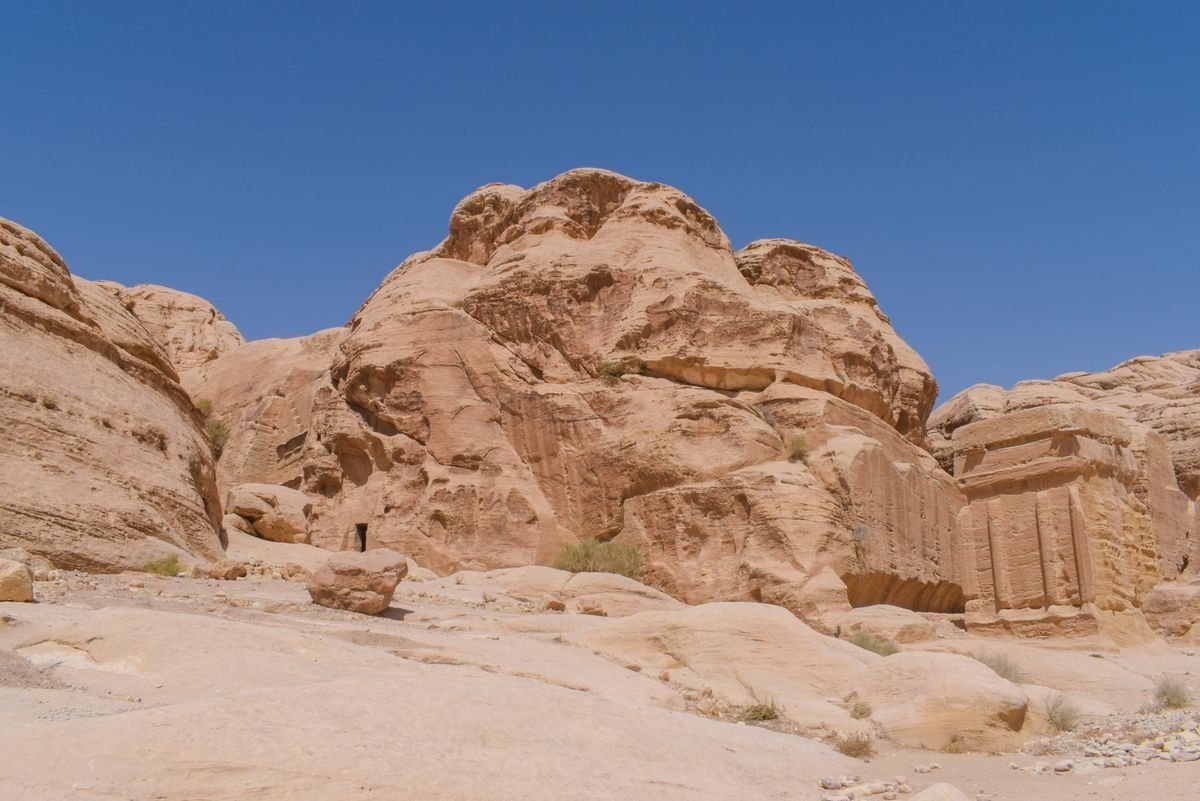
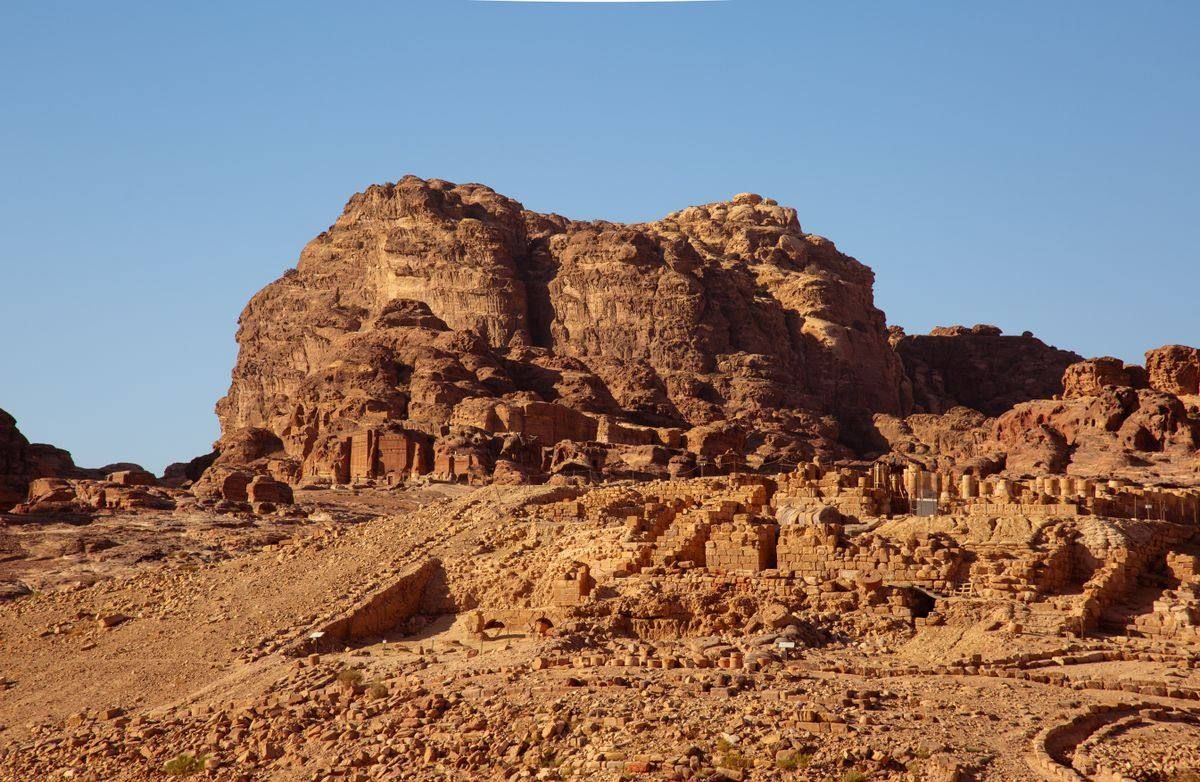
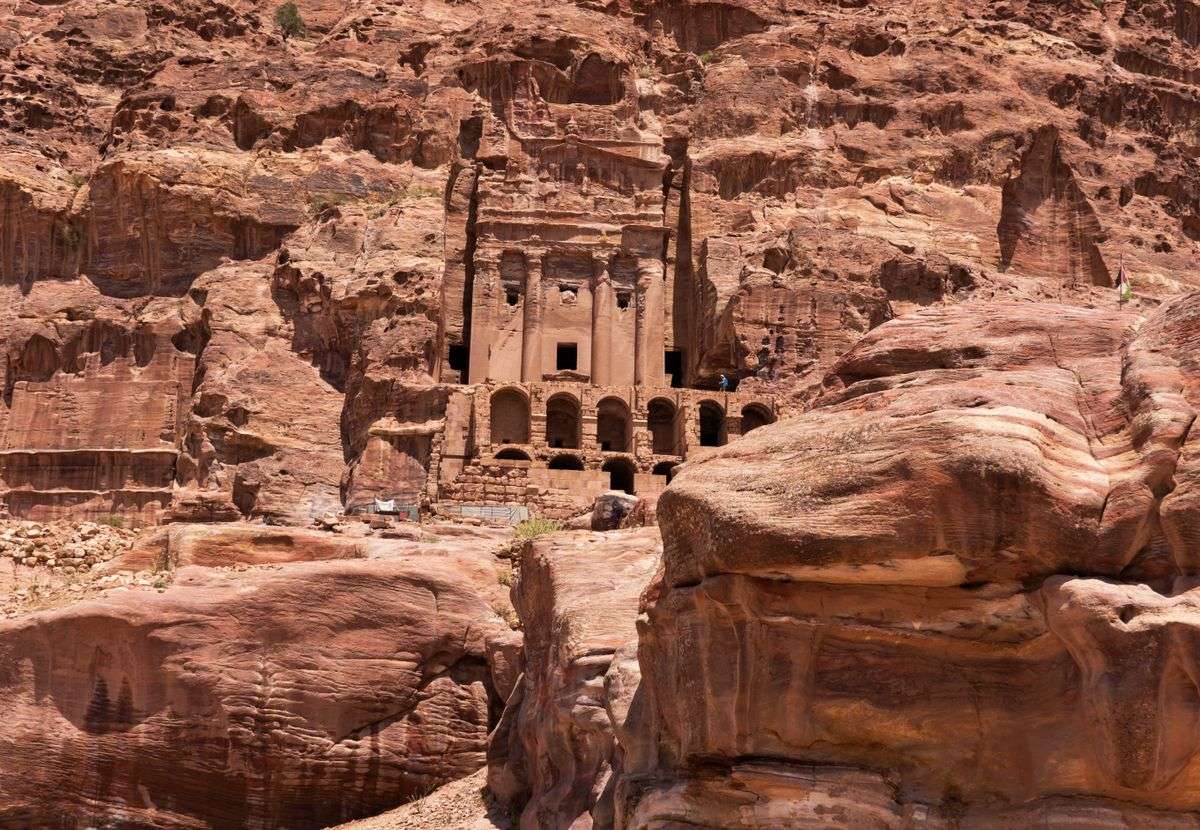
Petra is the country’s most famous attraction and one of the most impressive archaeological sites in the world. It offers much more than the Treasury, with long walking routes, monumental facades, tombs, and viewpoints spread across a vast area. To appreciate it fully, allow at least one full day, ideally two.
Arriving in Petra through the Siq is one of those travel moments that genuinely lives up to the hype. The narrow rock passage builds suspense slowly, and then the Treasury appears in a way that feels almost theatrical. Yes, lots of places claim to be unforgettable. Petra actually bothers to prove it.
What to see in Petra
The site is large, so it helps to identify the main landmarks before visiting. The Treasury is the headline act, but it is only one part of a much broader complex of monuments and trails.
- The Siq: the dramatic entry canyon leading to the heart of Petra
- The Treasury (Al-Khazneh): Petra’s most photographed facade
- The Street of Facades: a striking section lined with tombs cut into the rock
- The Royal Tombs: monumental and less rushed than the central path
- The Monastery (Ad Deir): a larger, more remote monument reached by climbing many steps
- Petra by Night: a separate candlelit experience with a very different atmosphere
The climb to the Monastery is worth the effort if temperatures are manageable and you have decent footwear. Your legs may file a formal complaint, but the views tend to silence internal criticism fairly quickly.
Is Little Petra worth visiting?
Yes, Little Petra is worth adding if you have extra time near Petra. It is smaller and quieter than the main site, but still visually striking and historically connected to the Nabataean world. It works especially well as a lighter add-on before or after a full Petra visit.
Little Petra, also known as Siq al-Barid, offers a more peaceful experience. You can explore rock-cut spaces and narrow passages without the same crowds found at the main archaeological area. It is not a replacement for Petra, but it is a very smart bonus stop.
Wadi Rum: desert adventure and starry skies
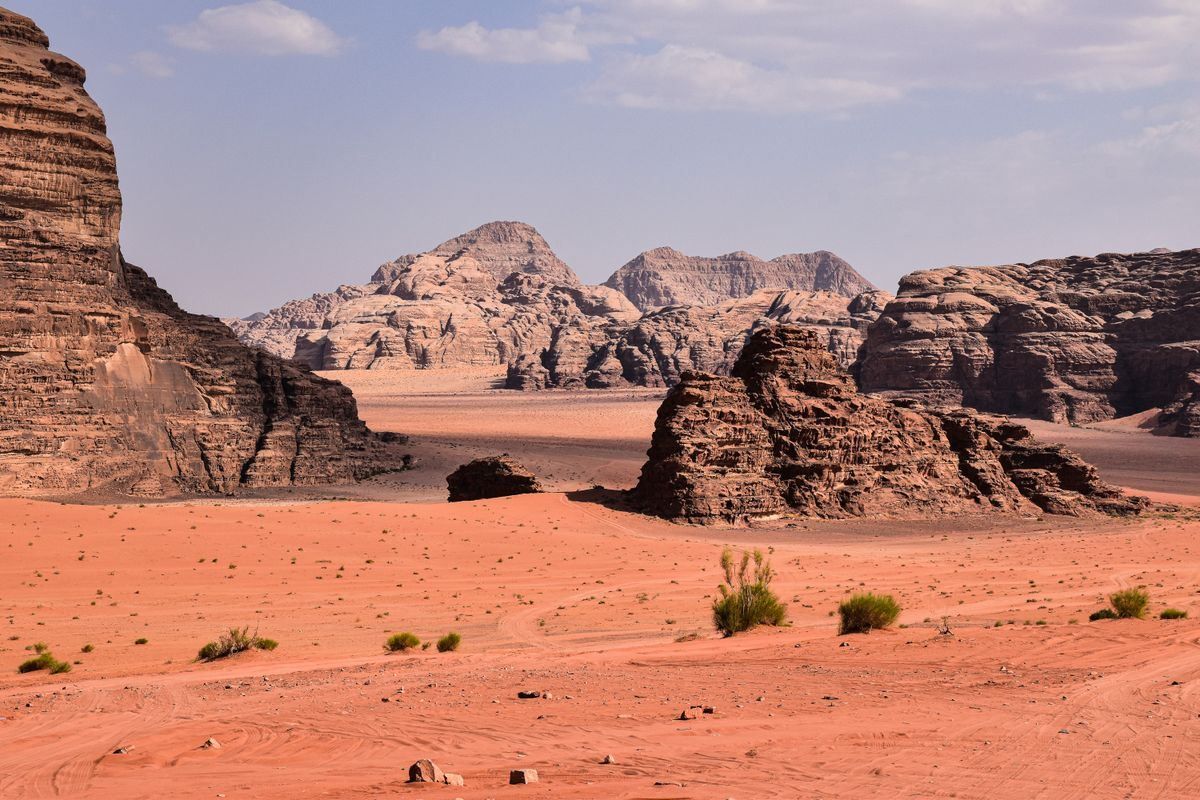
Wadi Rum is Jordan’s most spectacular desert landscape, known for red sand, towering rock formations, and a strong Bedouin cultural presence. Most visitors explore it by jeep, stay overnight in a camp, and enjoy sunset and stargazing. One night is enough for a first taste, though two gives a fuller experience.
Wadi Rum feels almost exaggerated, as if nature got carried away and designed a film set instead of a real place. Which, to be fair, explains why filmmakers keep showing up. The landscape is vast, silent, and dramatic in a way that makes your everyday inbox feel deeply irrelevant.
Best experiences in Wadi Rum
The desert is not just about looking at sand and saying “wow” in different tones. There are several ways to explore the area actively and make the most of your stay.
- Jeep safari with Bedouin guides to reach arches, canyons, and viewpoints
- Sunset stops over the red desert landscape
- Um Fruth rock bridge for a quick climb and panoramic photos
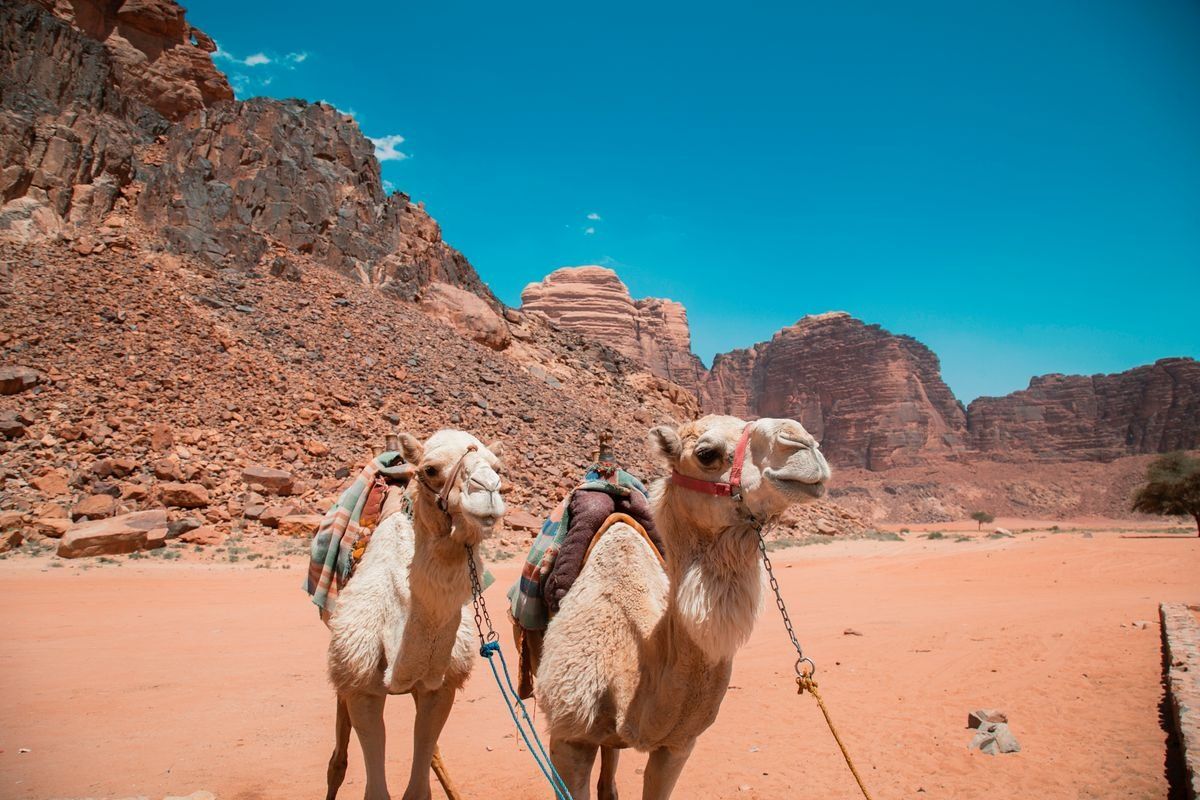
- Camel rides, especially at sunrise
- Stargazing far from city lights
- Overnight in a Bedouin camp with traditional food and tea
Sleeping in the desert is part of the experience, not just a logistical choice. Once the day-trippers leave, Wadi Rum changes mood completely. The stars come out in ridiculous numbers, the air cools down, and everything gets wonderfully quiet. It’s the kind of silence that makes you whisper even when no one asked you to.
The Dead Sea: floating, mud and total switch-off mode
The Dead Sea is one of Jordan’s most unusual natural attractions. Its extreme salinity allows visitors to float effortlessly, while the mineral-rich mud is widely used for skin treatments. Most travelers visit from a resort beach or on a day stop between Amman and southern Jordan.
At the Dead Sea, doing absolutely nothing becomes a genuine activity. You float, you try not to splash salt into your eyes, you smear yourself in dark mud, and for a brief moment you accept that wellness can look slightly ridiculous and still be completely worth it.
How to enjoy the Dead Sea
A little planning helps here, because the experience is simple but specific. It is less about swimming and more about relaxing carefully.
- Enter the water slowly and avoid shaving right before your visit.
- Lean back gently and let the salt content keep you afloat.
- Use the mineral mud along the shore or at resort facilities.
- Rinse off well with fresh water afterward.
- Stay hydrated, especially in warm months.
Many visitors choose a resort for convenience, showers, and direct water access. If your schedule allows, pairing the Dead Sea with a nearby stop like Mount Nebo, Madaba, or Wadi Mujib makes the day even more rewarding.
Other worthwhile stops in Jordan
While Petra, Wadi Rum, and the Dead Sea form the core of most itineraries, Jordan has several additional places that deserve attention. These stops add urban culture, Roman history, religious heritage, or Red Sea relaxation depending on your interests and trip length.
If you’ve got extra time, Jordan rewards curiosity very generously. It is not a one-hit wonder pretending to have depth. It has depth, and then some.
Amman
Amman offers a useful and enjoyable start or end point for a trip. Visit the Citadel, the Roman Theatre, and wander through downtown before heading to Rainbow Street for cafés, shops, and a more contemporary side of the city.
Jerash
Jerash is one of the best-preserved Roman archaeological sites outside Italy. Its colonnaded streets, theaters, and temples make it an excellent day trip from Amman, especially for travelers interested in ancient history.
Madaba and Mount Nebo
Madaba is known for its historic mosaics, especially the famous map mosaic in St. George’s Church. Nearby Mount Nebo combines religious significance with wide views across the Jordan Valley.
Aqaba
Aqaba is Jordan’s Red Sea escape, ideal for snorkeling, diving, and a slower coastal pace. If your trip leans toward nature and activities, adding a day here creates a nice contrast with the desert and archaeological sites.
Is 7 days in Jordan enough?
Yes, seven days are enough to see Jordan’s major highlights if you plan efficiently. A one-week route can comfortably include Amman, Petra, Wadi Rum, and the Dead Sea, with room for one or two additional stops. It will feel full, but not impossible.
For a practical first trip, this structure works well:
- Day 1: Arrive in Amman, explore the city
- Day 2: Madaba, Mount Nebo, Dead Sea
- Day 3: Travel to Petra, start exploring
- Day 4: Full day in Petra
- Day 5: Wadi Rum jeep tour and overnight camp
- Day 6: Aqaba or return north depending on departure plans
- Day 7: Final visits or departure
If you can stretch to 8 or 10 days, even better. Jordan is one of those places where adding just one more night often improves the whole rhythm of the trip.
The WeRoad tip
Add one adventure day between Petra and the Dead Sea
If you want your Jordan trip to feel even more complete, there’s a brilliant way to connect the big icons with one extra burst of adventure: Wadi Mujib. After the rose-red drama of Petra and before fully surrendering to Dead Sea float mode, canyoning here adds a totally different side of the country. You’ll wade upstream through a deep sandstone gorge, scramble through water, reach natural pools, and end up under a waterfall feeling like you’ve accidentally joined your own action film. The best part is that it contrasts perfectly with the calm that comes next.
Then reward yourself properly at the Dead Sea: float at the lowest point on Earth, cover yourself in mineral-rich mud, rinse off, and pretend this was all part of a very serious wellness plan. It’s a smart pairing because one stop is active and refreshing, the other is slow and restorative. Together, they turn a classic route into something that feels more layered, more memorable, and honestly a lot more fun.
Practical tips before you go
A few practical choices can make a big difference in Jordan. The best seasons are spring and autumn, major sites involve walking, and the Jordan Pass can save both money and time. Transport is manageable, but self-driving or organized travel usually offers the most flexibility.
- Travel in spring or autumn for the most comfortable temperatures
- Consider the Jordan Pass if you plan to visit multiple major sites
- Wear sturdy shoes for Petra and desert-friendly layers for Wadi Rum
- Carry water, sun protection, and cash for smaller purchases
- Respect local customs, especially in cities and religious sites
And yes, Jordan is generally considered a good destination for tourists. It is well-established on the travel map, welcoming to visitors, and easy to navigate with the right planning. In short: high reward, low nonsense.
For an even smoother adventure, discover WeRoad group trips to Jordan and experience Petra, Wadi Rum, the Dead Sea, and more with a crew ready to share the road.
FAQ
- What is worth seeing in Jordan?
-
Jordan’s top sights include Petra, Wadi Rum, and the Dead Sea. If you have more time, add Amman, Jerash, Madaba, Mount Nebo, and Aqaba.
- Is 7 days in Jordan enough?
-
Yes, one week is enough to cover the main highlights. A well-planned itinerary can include Amman, Petra, Wadi Rum, and the Dead Sea without feeling too rushed.
- Is Jordan good for tourists?
-
Yes, Jordan is considered welcoming and accessible for tourists. It has strong hospitality traditions, good tourism infrastructure around major sites, and a wide range of cultural and outdoor experiences.
- What is Jordan's most popular tourist attraction?
-
Petra is Jordan’s most popular tourist attraction. The ancient Nabataean city is a UNESCO World Heritage Site and one of the best-known archaeological destinations in the world.
- How many days should I spend in Petra?
-
At least one full day is recommended, but two days are better if you want to explore major trails, the Monastery, and quieter sections without rushing.
- Is Wadi Rum worth staying overnight?
-
Yes, staying overnight is one of the best ways to experience Wadi Rum. The desert atmosphere changes completely after sunset, and stargazing is a major highlight.