In a nutshell
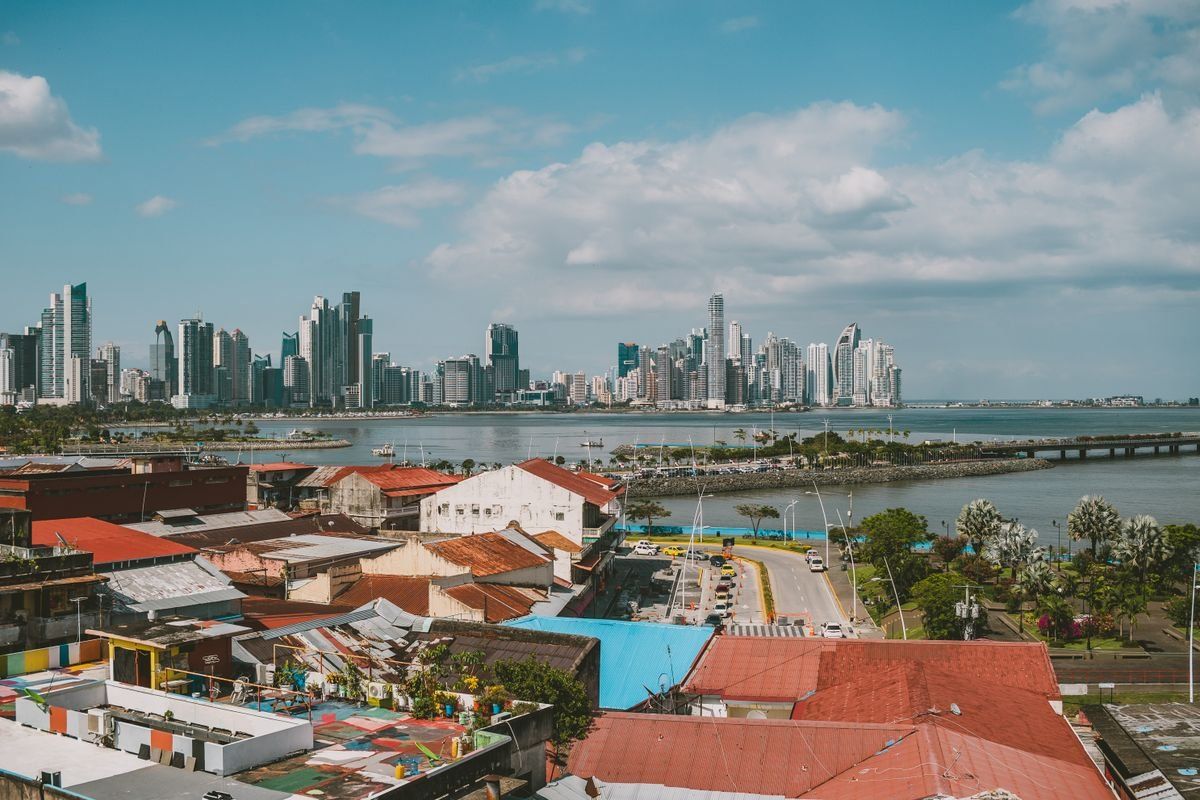
- Panama City is far more than the canal: the capital combines a UNESCO-listed old town, modern skyline, coastal promenades, archaeological ruins, and easy access to tropical rainforest, making it ideal for a varied short trip.
- Casco Viejo is the city’s most rewarding area to explore on foot, thanks to its colonial buildings, plazas, churches, cafés, museums, and rooftop bars, while Panama Viejo adds the deeper historical layer of the original 16th-century settlement.
- Miraflores Locks remains a must for understanding the canal’s global importance, but scenic spots like Ancon Hill, the Cinta Costera, and the Amador Causeway round out the experience with skyline views and low-cost outdoor time.
- Food and local atmosphere matter: the seafood market is a top stop for fresh ceviche, and neighborhoods like Casco Viejo are ideal for coffee breaks, casual dining, and sunset drinks with a view.
- Three to four days is a strong minimum for seeing the highlights without rushing, especially if you want to add a rainforest excursion to Soberanía or the Chagres River, where wildlife and cultural experiences reveal a different side of Panama.
Panama City is one of those places that likes to keep travelers on their toes. One minute you’re walking past colonial churches and leafy plazas, the next you’re staring at glassy skyscrapers, then suddenly you’re in a rainforest listening to monkeys gossip in the trees. It’s dynamic, compact, and surprisingly varied, which makes planning your days both easy and dangerously tempting.
While the Panama Canal gets most of the fame, the city has far more to offer than a single engineering icon. From historic neighborhoods and urban viewpoints to seafood markets and nature escapes, this guide covers the best experiences across the capital so you can build an itinerary that feels full, not frantic.
Why Panama City deserves more than a quick stop
Panama City rewards travelers who stay long enough to explore its contrasts. Beyond the canal, you’ll find a UNESCO-listed old town, scenic coastal walks, museums, local food, and quick access to tropical forest. In practical terms, it’s one of the easiest capitals in Central America to combine culture, nature, and relaxed city time.
In other words, this is not just a place to tick off a famous landmark and run. It’s the kind of city where your “short walk before dinner” accidentally turns into rooftop cocktails, street photos, and a very serious relationship with ceviche.
Explore Casco Viejo, the historic heart of the city
Casco Viejo, also called Casco Antiguo, is the most atmospheric area in Panama City. Its cobbled streets, colonial architecture, restored mansions, churches, and small squares make it ideal for slow exploration. It’s also one of the best neighborhoods for cafés, boutique hotels, museums, and evening drinks.
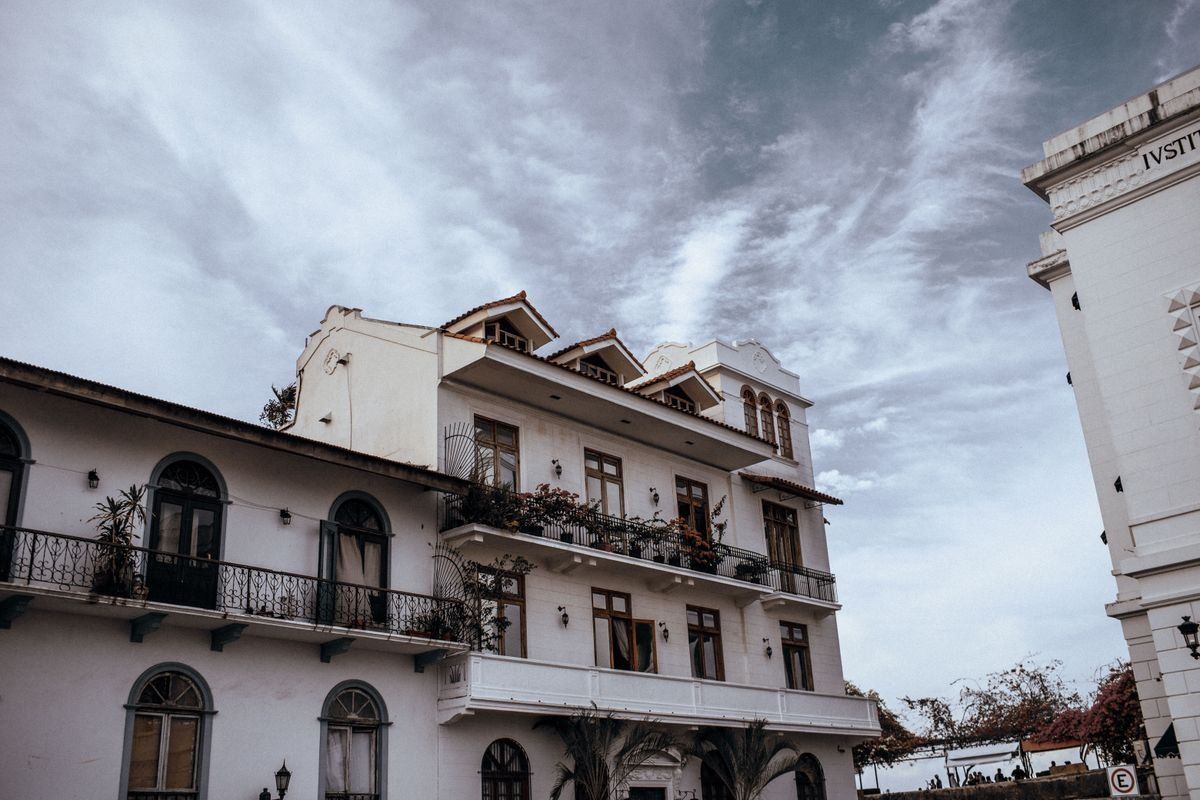
Start early if you want softer light, cooler temperatures, and quieter streets. Wander through Plaza de la Independencia, Plaza Bolívar, and Plaza Francia, then pause for coffee while the neighborhood wakes up around you. Casco Viejo is polished in parts and beautifully imperfect in others, which is exactly why it feels alive rather than staged.
What to see in Casco Viejo
The neighborhood is compact, so you can cover the main landmarks on foot without rushing. Focus on the plazas, churches, and seafront viewpoints for the best mix of history and scenery.
- Metropolitan Cathedral on Plaza de la Independencia
- Canal Museum for deeper historical context
- Plaza Francia for sunset and sea views
- Iglesia San José and its famous golden altar
- Rooftop bars overlooking both the old quarter and skyline
And yes, this is the neighborhood where you’ll say “just one photo” approximately 47 times.
See the Panama Canal in action at Miraflores Locks
The Miraflores Locks are the easiest and most popular place to watch ships move through the Panama Canal. The visitor center helps explain the canal’s history, mechanics, and global significance, making the experience far more interesting than simply watching a very large boat go very slowly.
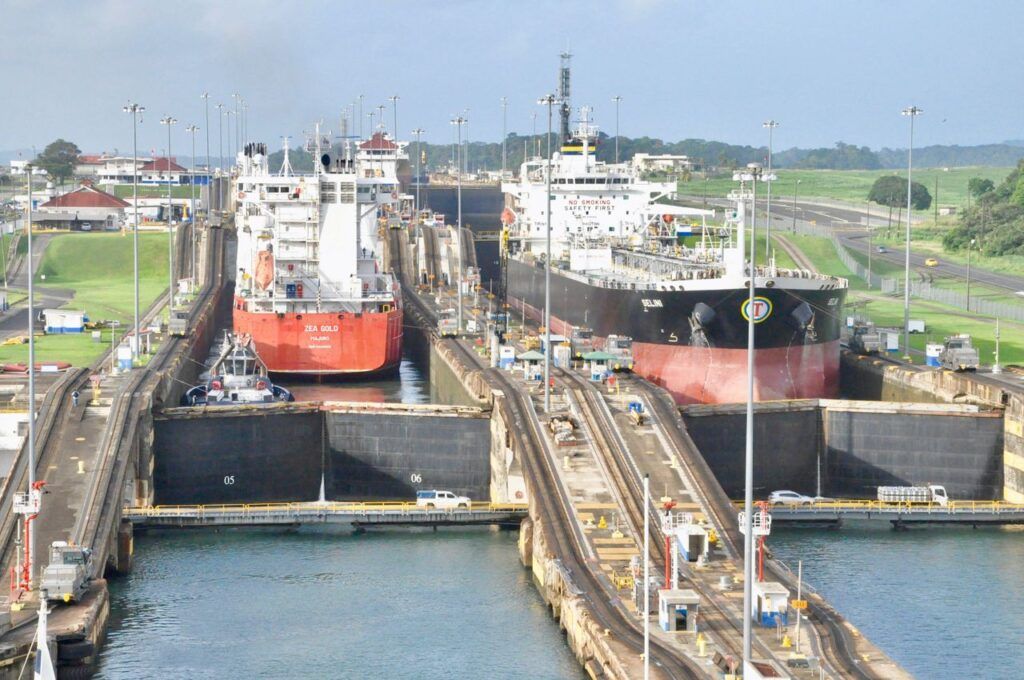
Timing matters. Ship traffic is not constant, so it’s worth checking current schedules or visiting with a guide. The museum exhibits and audiovisual presentations add useful context, especially if you want to understand why this waterway changed trade routes and reshaped the country.
If you only do one classic sightseeing activity in the city, this should be high on your list. It’s iconic for a reason, and watching a container ship squeeze through the locks is strangely hypnotic. Like parallel parking, but for giants.
Walk the Cinta Costera for skyline and bay views
The Cinta Costera is a waterfront promenade that stretches along the bay and connects central areas of the city with the old quarter. It’s one of the best free activities in Panama City and a great choice for walking, cycling, or simply taking in the contrast between ocean, skyline, and daily local life.
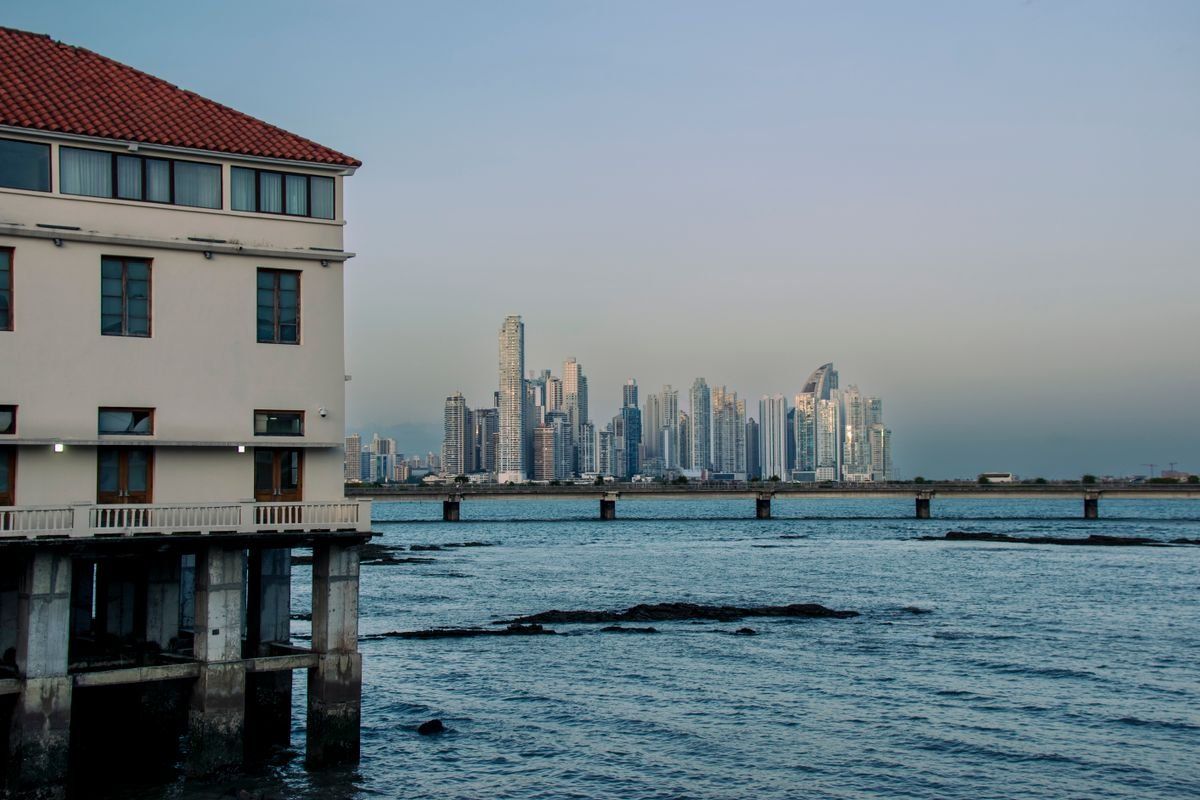
Come in the late afternoon for better light and less heat. Along the way, you’ll see joggers, families, snack vendors, and some of the city’s best urban views. It’s also an easy route if you want to move between neighborhoods without feeling trapped in traffic.
For a more local rhythm, this is hard to beat. There’s always something happening, even if that “something” is just you trying to look athletic while holding an iced drink.
Head up Ancon Hill for a panoramic view
Ancon Hill offers one of the clearest panoramic views over Panama City, including Casco Viejo, the skyline, the canal zone, and the Bridge of the Americas. The paved route to the top is manageable for most travelers and gives you a nature-filled break without leaving the city.
Go in the morning if possible. The temperatures are lower, the light is cleaner, and you have a better chance of spotting wildlife such as birds, sloths, or monkeys in the surrounding trees. The walk is not long, but the humidity can make it feel more demanding than the distance suggests.
At the top, the city spreads out in every direction. It’s the kind of viewpoint that makes you feel organized, insightful, and briefly qualified to give geography lectures.
Visit Panama Viejo for the city’s earlier history
Panama Viejo preserves the ruins of the original Spanish settlement founded in 1519. This archaeological site offers a different perspective from Casco Viejo, focusing on the city’s earliest colonial chapter and its destruction before relocation. It’s an essential stop for travelers interested in history beyond the postcard version.
The bell tower is the standout feature, and climbing it gives you a strong sense of the site’s layout and the modern skyline beyond. The museum also helps connect the dots between old Panama, pirate attacks, colonial trade, and the later development of the current capital.
| Site | Why visit | Best for |
|---|---|---|
| Casco Viejo | Restored old town with cafés, plazas, churches, nightlife | Walking, food, architecture, sunset |
| Panama Viejo | Ruins of the original colonial settlement | History, archaeology, views |
| Miraflores Locks | Canal observation and interpretation center | First-time visitors, engineering interest |
Enjoy fresh seafood at Mercado de Mariscos
The Mercado de Mariscos, or seafood market, is one of the most accessible places to try fresh local flavors. It’s especially known for ceviche, served cold and citrusy, often in simple cups or casual plates. For a quick, affordable food stop, it delivers both atmosphere and flavor.
You can browse the market itself, then eat at one of the nearby counters or restaurants. If you enjoy seafood, this is one of the easiest ways to try something local without booking a formal dining experience. It also pairs well with a walk along the Cinta Costera.
Fair warning: once you’ve had good ceviche in Panama, desk lunches back home may feel personally insulting.
Spend an afternoon on the Amador Causeway
The Amador Causeway links the mainland to small islands at the Pacific entrance of the canal. It’s a scenic strip popular for biking, walking, ocean views, and relaxed waterfront dining. It also offers excellent perspectives of the skyline and ships waiting offshore.
If you want a lower-effort sightseeing option, this is a strong choice. Rent a bike, stop for photos, and take your time. Nearby, the colorful Biomuseo adds a cultural stop focused on Panama’s extraordinary biodiversity and ecological importance.
It’s breezy, photogenic, and just structured enough to make you feel productive while mostly doing very little. A holiday classic.
Escape to the rainforest without going far
One of Panama City’s biggest advantages is how quickly you can reach tropical nature. Within a relatively short drive, areas such as Soberanía National Park and the Chagres River offer rainforest trails, birdwatching, boat trips, and opportunities to spot monkeys, sloths, toucans, and other wildlife.
This is where the city becomes truly distinctive. Few capitals let you shift from rooftop bars to jungle sounds in the same day. Guided excursions are often worth it here, especially for wildlife spotting, since the forest can be wonderfully busy and visually sneaky at the same time.
Best nature-based experiences near Panama City
These trips work well if you have extra time and want to see a wilder side of the country without taking a domestic flight.
- Soberanía National Park for guided rainforest walks
- Chagres River for scenic boat rides
- Emberá community visits for cultural exchange and traditional meals
- Metropolitan Natural Park for a shorter urban nature experience
Bring light clothing, insect repellent, water, and realistic expectations about sweat. The rainforest does not care about your hair routine.
How many days are enough in Panama City?
For most travelers, 3 to 4 days is enough to experience the highlights of Panama City at a comfortable pace. That allows time for Casco Viejo, the canal, a city viewpoint, good food, and at least one coastal or rainforest excursion without turning the trip into a checklist.
If you only have two days, focus on Casco Viejo, Miraflores Locks, and either the Cinta Costera or Amador Causeway. With four or five days, you can add Panama Viejo, Ancon Hill, and a nature day trip.
Free and budget-friendly experiences in the city
Panama City can be explored on different budgets, and several of its best experiences cost little or nothing. Public promenades, viewpoints, and neighborhood walks give you a lot of value even if you keep paid attractions to a minimum.
- Walk through Casco Viejo and its plazas
- Stroll the Cinta Costera
- Visit the Amador Causeway
- Hike up Ancon Hill
- Watch sunset from public viewpoints near the old town
Paid entries like Miraflores or Panama Viejo are worth considering, but you can still enjoy the city without your wallet filing a formal complaint.
The WeRoad tip
Pair the city with the rainforest for a fuller Panama experience
To really understand Panama City, don’t stop at the postcard highlights. Start in Casco Viejo with a guided walk through its quieter corners, where balconies, churches, and timeworn facades tell stories you’d probably miss on your own. Pause for a coffee on Plaza de la Independencia, then head to the Panama Canal to watch ships pass through the locks and see how this city became a crossroads for the world.
Later, balance the urban side with the wild one. A boat ride up the Chagres River into the rainforest opens up a completely different rhythm, especially if it includes a visit to an Emberá community, a traditional meal, and a swim in the river. Add a guided forest trek to spot monkeys, sloths, and toucans, and the contrast becomes the best part of the trip. Back in the city, close the day with fresh ceviche, a walk along the Cinta Costera, and rooftop drinks at sunset. That’s Panama City showing off, and honestly, fair enough.
Where to stay for the best access
The best area for many travelers is Casco Viejo, especially if you want walkable streets, historic atmosphere, restaurants, and nightlife. For a more modern base with business hotels and easy transport, look at areas around Avenida Balboa or the financial district.
Casco Viejo feels more characterful and memorable, while newer districts offer convenience and skyline views. If it’s your first trip, staying in or near the old quarter usually gives the strongest overall experience.
When your days include churches, ceviche, jungle trails, and sunset cocktails, location matters. Nobody wants to spend their vacation negotiating with traffic more than necessary.
To experience the city with the right mix of culture, local flavors, and adventure, discover WeRoad group trips to Panama and explore the country beyond the obvious stops.
FAQ
- What is there to do for free in Panama City?
-
Some of the best free activities include walking through Casco Viejo, strolling the Cinta Costera, visiting the Amador Causeway, and hiking Ancon Hill. Public viewpoints and plazas also offer excellent photo stops without an entrance fee.
- How many days in Panama City is enough?
-
Most travelers should plan for 3 to 4 days. That gives you enough time for the canal, Casco Viejo, a few city highlights, and one nature-based excursion without rushing through the experience.
- Is Panama City good for nature lovers?
-
Yes. One of the city’s biggest strengths is its proximity to rainforest areas like Soberanía National Park and the Chagres River. You can combine urban sightseeing with wildlife watching, birding, and guided jungle walks.
- What area should I stay in Panama City?
-
Casco Viejo is the best choice for many first-time visitors because it offers history, charm, nightlife, and walkability. If you prefer modern hotels and business-style convenience, Avenida Balboa and the financial district are also practical options.
- Is the Panama Canal the only must-see attraction?
-
No. The canal is essential, but the city becomes much more rewarding when you also visit Casco Viejo, Panama Viejo, Ancon Hill, the Cinta Costera, and at least one coastal or rainforest area nearby.