In a nutshell
- Three days are enough to experience Vienna well if you focus on the historic center, one or two major palaces, a key museum, and the city’s famous coffee-house culture, using the compact layout and efficient public transport to your advantage.
- Day 1 should center on imperial Vienna, including St. Stephen’s Cathedral, the Hofburg, Heldenplatz, and a walk along the Ringstrasse past the Rathaus, Parliament, and Burgtheater, ending with coffee and cake in a traditional café.
- Day 2 is ideal for Schönbrunn and Belvedere, combining palace interiors, formal gardens, panoramic viewpoints, and major artworks like Klimt’s The Kiss, with the option of adding an opera or classical concert in the evening.
- Day 3 reveals a more varied and playful side of Vienna through Naschmarkt, the colorful Hundertwasserhaus, Kunst Haus Wien, and the Prater with its Giant Ferris Wheel, balancing classic landmarks with local atmosphere.
- The absolute highlights not to miss are St. Stephen’s Cathedral, Hofburg Palace, Schönbrunn Palace, Belvedere, the Ringstrasse, a historic coffee house, and at least one meal that includes classic Viennese flavors such as schnitzel or cake.
Vienna is one of those cities that makes you walk a little slower without even noticing. Maybe it’s the imperial façades, maybe it’s the smell of coffee and butter drifting out of historic cafés, or maybe it’s the quiet confidence of a place that knows it has style. In three days, you can see the classics, enjoy a few local rituals, and still leave room for a slice of cake that somehow turns into two.
If you’re planning a short break and wondering what to include, this itinerary brings together the city’s grand landmarks, cultural highlights, and the kind of simple pleasures that make a trip memorable. Think palaces, cathedrals, museums, coffee houses, and elegant streets that seem designed for dramatic strolling.
Is 3 days enough to experience Vienna?
Yes, three days are enough to see Vienna’s essential sights and understand its character. You can cover the historic center, visit one major palace, explore at least one museum, and enjoy the city’s coffee-house culture without rushing every minute.
Vienna is wonderfully manageable for a capital city. The center is compact, public transport is efficient, and many headline attractions are clustered around the Innere Stadt and the Ringstrasse. That means you can spend less time commuting and more time deciding whether your afternoon should include Klimt, cake, or both. Tough life, really.
| Day | Focus | Main highlights |
|---|---|---|
| Day 1 | Historic Vienna | St. Stephen’s Cathedral, Hofburg, Ringstrasse, coffee house |
| Day 2 | Imperial grandeur | Schönbrunn Palace, gardens, Belvedere, classical evening |
| Day 3 | Creative and local side | Hundertwasserhaus, Prater, Naschmarkt, museums or Danube |
Day 1: the historic center and imperial Vienna
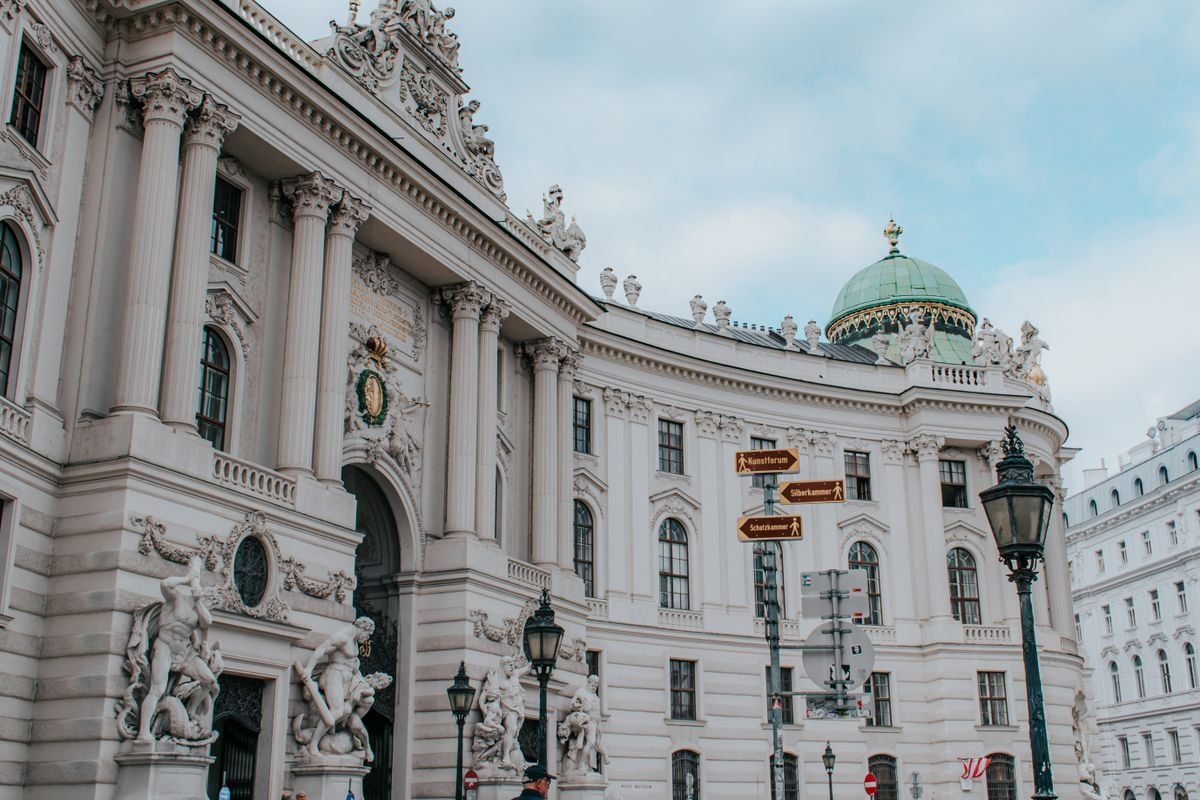
Start in the old town to see Vienna’s most iconic monuments and get your bearings. This first day works best on foot, with a few strategic café stops and a slow loop through the city’s ceremonial core.
St. Stephen’s Cathedral and the old town streets
St. Stephen’s Cathedral is the symbolic heart of Vienna and one of the city’s must-see landmarks. Its patterned roof and Gothic structure are instantly recognizable, and the surrounding streets give you an immediate feel for the elegance of the center.
Begin at Stephansplatz, then wander the surrounding lanes without a rigid plan. Vienna rewards aimless walking surprisingly well: ornate façades, polished shop windows, hidden courtyards, and churches seem to appear every few steps. If you want views, climb a tower or simply admire the cathedral from the square and save your energy for the palace circuit ahead.
Hofburg Palace and Heldenplatz
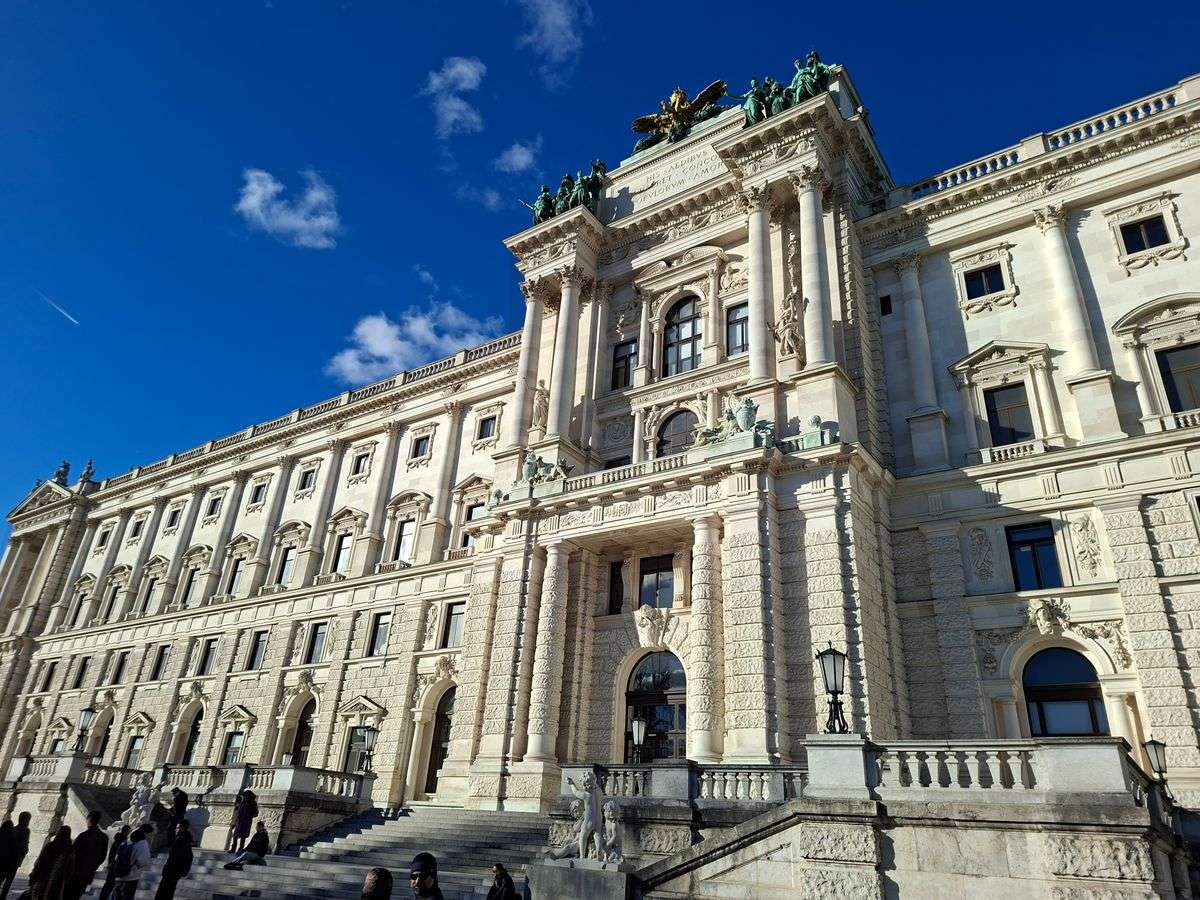
The Hofburg is essential for understanding Vienna’s imperial identity. This vast palace complex was the Habsburg winter residence and still anchors the city’s historic and political landscape today.
Walk from the cathedral toward Michaelerplatz and enter the Hofburg area from there. Even if you don’t visit every museum inside, the scale of the complex is impressive enough on its own. Stroll through Heldenplatz, admire the monumental architecture, and take in how seamlessly Vienna mixes grandeur with everyday life. One minute you’re contemplating empire, the next someone cycles past carrying flowers and a baguette.
The Ringstrasse and grand public buildings
The Ringstrasse offers a quick overview of Vienna’s monumental architecture. It wraps around the historic center and links some of the city’s most important civic buildings, museums, and green spaces.
Spend part of the afternoon walking a section of this elegant boulevard. The stretch past the Rathaus, Parliament, and Burgtheater is especially rewarding. This route gives you a strong sense of Vienna’s theatrical self-image: not flashy, but very aware that it looks excellent from basically every angle.
A Viennese coffee house experience
No first day in Vienna feels complete without a traditional coffee house. These cafés are part of the city’s cultural identity and offer a break that is as meaningful as any museum visit.
Choose a historic spot such as Café Central, Café Sacher, or another classic café with wood paneling, marble tables, and newspapers on stands. Order a coffee and try a slice of Sachertorte if you want the iconic option. Stay a little longer than usual. In Vienna, lingering is not laziness. It’s practically a civic virtue.
Day 2: palaces, gardens, and art
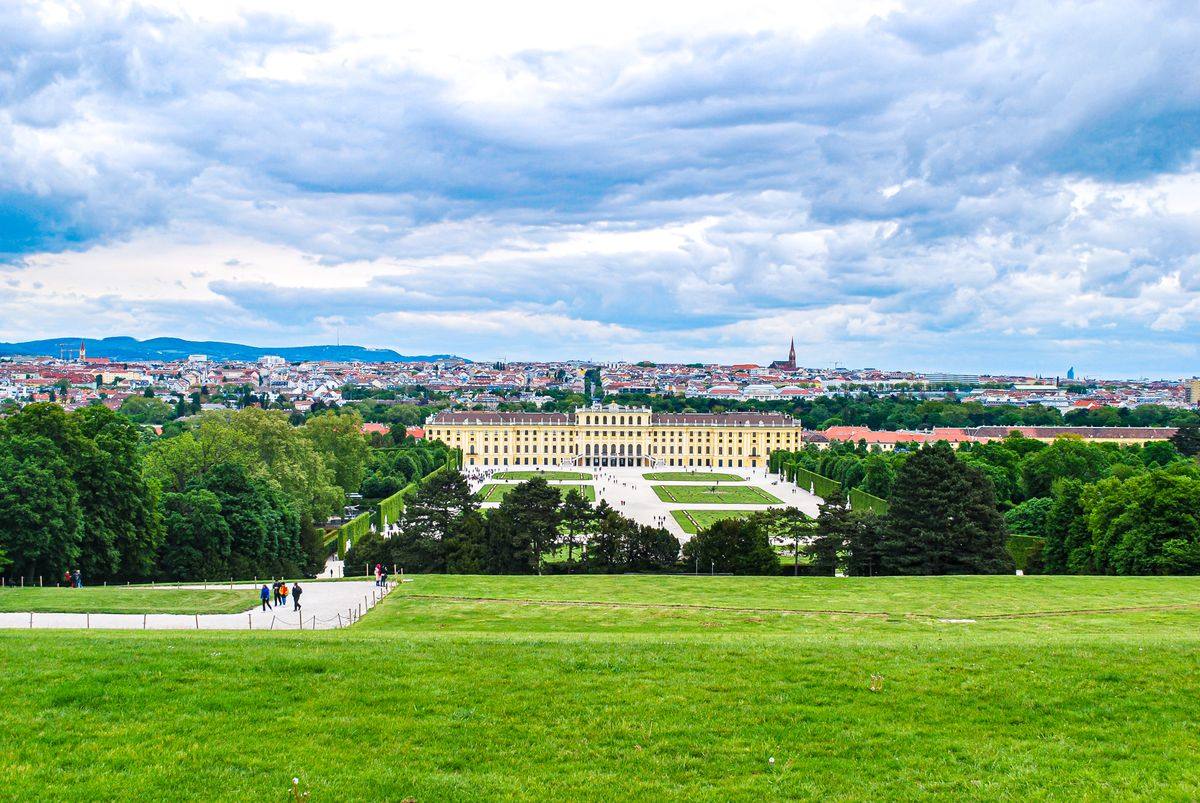
Use your second day to explore Vienna’s most famous imperial residence and then balance it with art and open space. This combination gives you both the formal grandeur and the aesthetic depth the city is known for.
Schönbrunn Palace and gardens
Schönbrunn Palace is one of Vienna’s top attractions and fully deserves the time. The palace interiors reveal Habsburg life, while the gardens provide one of the city’s most beautiful open-air settings.
Arrive early to avoid the busiest hours. If you tour the palace, book ahead when possible. Even if you skip the interior, the grounds are worth the trip on their own: fountains, symmetrical paths, and the climb up to the Gloriette for panoramic views. This is the point where many travelers start taking far too many photos of hedges. Understandable.
Belvedere Palace and Klimt
The Belvedere combines Baroque architecture, landscaped gardens, and one of Austria’s most important art collections. It is an excellent second stop after Schönbrunn, especially if you enjoy painting and elegant palace design.
The Upper Belvedere is home to Gustav Klimt’s The Kiss, one of the country’s best-known artworks. Even visitors who are not usually museum-focused tend to appreciate the setting here. The gardens also offer great photo opportunities and a calmer atmosphere than some central landmarks.
Music, opera, or an evening concert
Vienna is one of Europe’s great music capitals, and an evening performance adds context to everything you’ve seen during the day. You do not need to be an opera expert to enjoy the city’s musical side.
If your budget allows, check the program at the Vienna State Opera. Otherwise, look for a smaller classical concert in a church or historic hall. Vienna has a rare talent for making even a casual evening out feel slightly ceremonial, as if your day deserves a proper finale and not just a supermarket sandwich eaten in your hotel room.
Day 3: markets, modern creativity, and a different side of the city
On the third day, move beyond the most formal landmarks and explore neighborhoods, colorful architecture, and local hangouts. This gives your itinerary variety and shows a more playful side of Vienna.
Naschmarkt and local flavors
Naschmarkt is Vienna’s most famous market and a good place to begin the day. It combines produce stalls, international food, casual breakfast options, and a more everyday rhythm than the palace districts.
Go in the morning for a quieter visit and grab a light breakfast or snack. It’s a useful contrast to the imperial center and a reminder that Vienna is not only chandeliers and etiquette. It also knows its way around good olives, warm pastries, and the dangerous idea that one more snack doesn’t really count.
Hundertwasserhaus and Kunst Haus Wien
Hundertwasserhaus offers a completely different visual language from Vienna’s Baroque and neoclassical landmarks. Its irregular lines, bright colors, and planted surfaces make it one of the city’s most distinctive buildings.
Stop by the exterior for photos, then consider visiting Kunst Haus Wien nearby if you want to explore more of Friedensreich Hundertwasser’s work. This area brings texture and personality to your itinerary, and it’s especially appealing if you enjoy architecture that refuses to behave properly.
Prater and the Giant Ferris Wheel
The Prater adds a lighter, more nostalgic note to a Vienna itinerary. The park and its famous Giant Ferris Wheel are classic sights with a slightly old-world amusement feel.
You can walk through the area without committing to a full amusement-park session. If you ride the Ferris wheel, go later in the day for softer light and broad city views. It’s touristy, yes, but sometimes touristy things become classics for a reason. Shocking, I know.
What cannot you miss in Vienna?
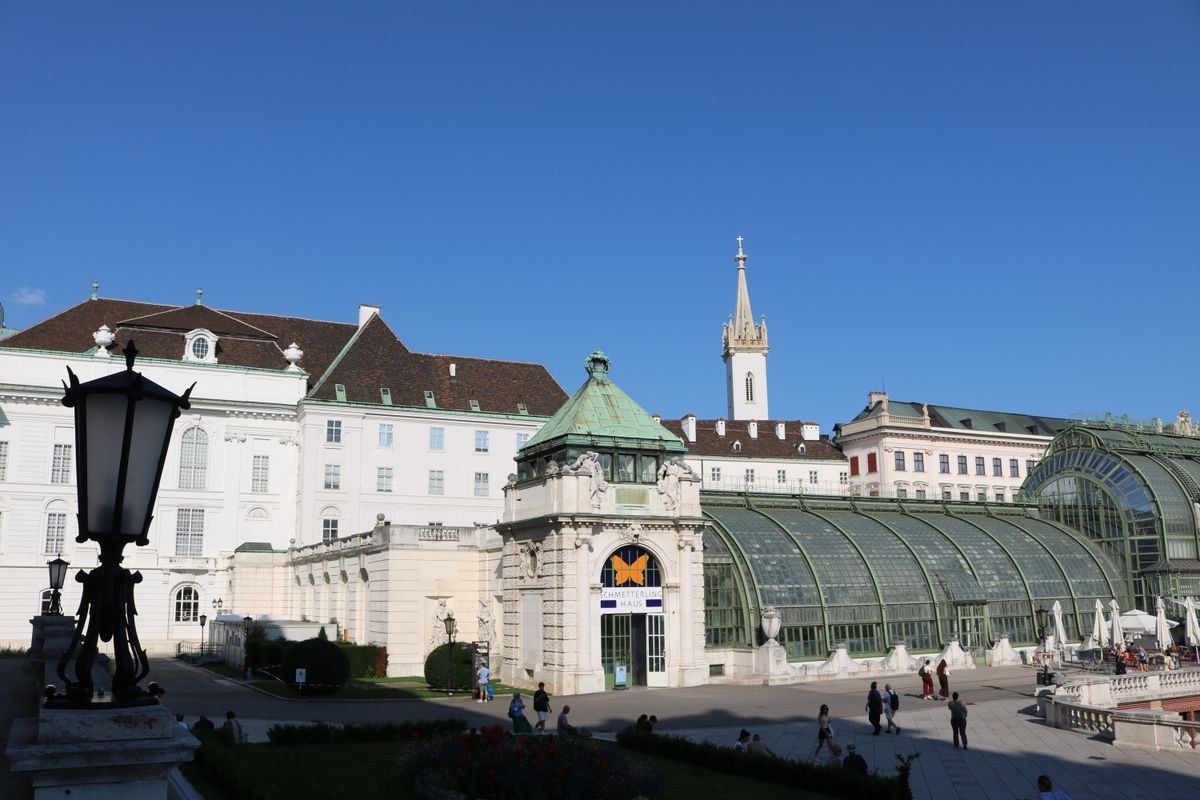
If you only have a short stay, prioritize Vienna’s most representative landmarks and experiences. The city is best understood through a mix of architecture, art, and café culture rather than through a checklist of monuments alone.
- St. Stephen’s Cathedral for the city’s historic core
- Hofburg Palace for imperial history
- Schönbrunn Palace for grandeur and gardens
- Belvedere for Klimt and Baroque beauty
- A traditional coffee house for the essential Viennese ritual
- The Ringstrasse for monumental architecture
- Hundertwasserhaus for a more unconventional side of the city
Practical tips for 3 days in Vienna
A few practical choices can make a short trip smoother. Vienna is easy to navigate, but planning opening times, transport, and meal stops will help you fit more into three days without making the trip feel rushed.
- Use public transport: the U-Bahn, trams, and buses are reliable and easy to use.
- Book major attractions in advance: especially Schönbrunn and the State Opera.
- Dress smart-casual: yes, you can wear jeans in Vienna, especially during the day, as long as they’re neat and appropriate for the place.
- Start early: popular sites are calmer and more enjoyable in the morning.
- Leave room for food breaks: coffee houses and traditional restaurants are part of the experience, not a distraction from it.
The WeRoad tip
A slower Vienna: market bites, royal views, and an evening by the water
One of the nicest ways to make Vienna feel less like a checklist and more like a lived experience is to build a day around contrasts. Start early at Naschmarkt, when the stalls are just waking up and breakfast feels wonderfully unpretentious: a pastry here, a few local snacks there, and that dangerous confidence that yes, of course you still have room for lunch. Then switch gears completely and head to Schönbrunn Palace, where the gardens and fountains give you Vienna at its most polished and theatrical.
Later, keep the mood playful with a stop at the colorful Hundertwasserhaus and, if time allows, a ride on the Vienna Giant Ferris Wheel. It’s a fun way to end the sightseeing part of the day without feeling like you’re forcing in “one last attraction.” For dinner, go classic with Wiener Schnitzel or a warming gulasch in a traditional restaurant, then save your final stop for a drink along the Danube. Vienna can be imperial, yes, but it also knows how to relax beautifully once the sun goes down.
Before you go
Three days in Vienna can feel surprisingly full without becoming exhausting. You get imperial history, serious art, memorable food, and a city atmosphere that manages to be refined without being cold.
From palace gardens to market stalls, from cathedral squares to coffee cups topped with whipped cream, Vienna knows how to make culture feel lived-in rather than staged. And if this elegant capital is calling your name, have a look at the WeRoad group trips to Vienna and Austria to experience it with fellow travelers who are just as ready for schnitzel, stories, and slightly dramatic palace photos.
FAQ
- Is 3 days enough in Vienna?
-
Yes, three days are enough for a first trip. You can visit the main landmarks, enjoy a palace, see important art collections, and still have time for cafés, markets, and relaxed walks.
- What are 10 must-see places to visit in Vienna?
-
A solid top 10 includes St. Stephen’s Cathedral, Hofburg Palace, Schönbrunn Palace, Belvedere Palace, the Ringstrasse, Vienna State Opera, Naschmarkt, Hundertwasserhaus, the Prater Giant Ferris Wheel, and a historic Viennese coffee house.
- Can I wear jeans in Vienna?
-
Yes, you can absolutely wear jeans in Vienna. The city is stylish but not excessively formal in everyday settings. For opera houses, fine dining, or concerts, slightly smarter outfits are a better choice.
- What food should I try in Vienna?
-
Try Wiener Schnitzel, Sachertorte, Apfelstrudel, and if you want something hearty, a traditional goulash. Pair it all with Viennese coffee in a classic café for the full experience.
- What is the best area to stay in Vienna for a 3-day trip?
-
The best area is usually the Innere Stadt or nearby districts connected by U-Bahn or tram. Staying central helps you reach the main attractions easily and makes evening walks much more enjoyable.