
In a nutshell
- Heritage travel in Italy is built around your family story rather than a standard sightseeing route, combining ancestral villages, local archives, regional traditions, and cultural immersion to create a far more personal experience.
- Preparation is essential: family interviews, old documents, immigration records, parish sources, and platforms like Portale Antenati or FamilySearch can help identify the right town and avoid common mistakes in surname or location research.
- The best itineraries balance emotion and practicality, including town halls, churches, cemeteries, and family neighborhoods alongside cooking classes, artisan visits, agriturismo meals, and time in a nearby city for context and logistics.
- Regions matter because each part of Italy has its own migration history, architecture, food, and customs; Calabria, Sicily, Campania, Puglia, and Veneto are especially relevant depending on where your ancestors came from.
- Timing and budget shape the experience: May, June, September, and October are often best, and a budget such as $10,000 can support a meaningful trip if planned carefully around season, transport, accommodation, and research needs.
Traveling through Italy can already feel emotional: the food tastes oddly familiar, the church bells sound like a movie soundtrack, and every nonna seems capable of adopting you on sight. But when the journey is linked to your family story, it becomes something deeper. A heritage trip is not only about seeing Italy, but about understanding where your people came from and why certain traditions still live in your home today.
That is what makes travel rooted in Italian ancestry so meaningful. It combines genealogy, local culture, regional identity, and lived experience. Instead of rushing from landmark to landmark, you slow down and pay attention to surnames, parish registers, village squares, recipes, and family memories. And yes, possibly cry over a plate of handmade pasta. Entirely normal.
What heritage travel in Italy really means
A journey built around your roots starts from family history and turns that information into a meaningful itinerary. The goal is not simply to visit famous cities, but to reconnect with the places, traditions, and stories that shaped your ancestors before they emigrated.
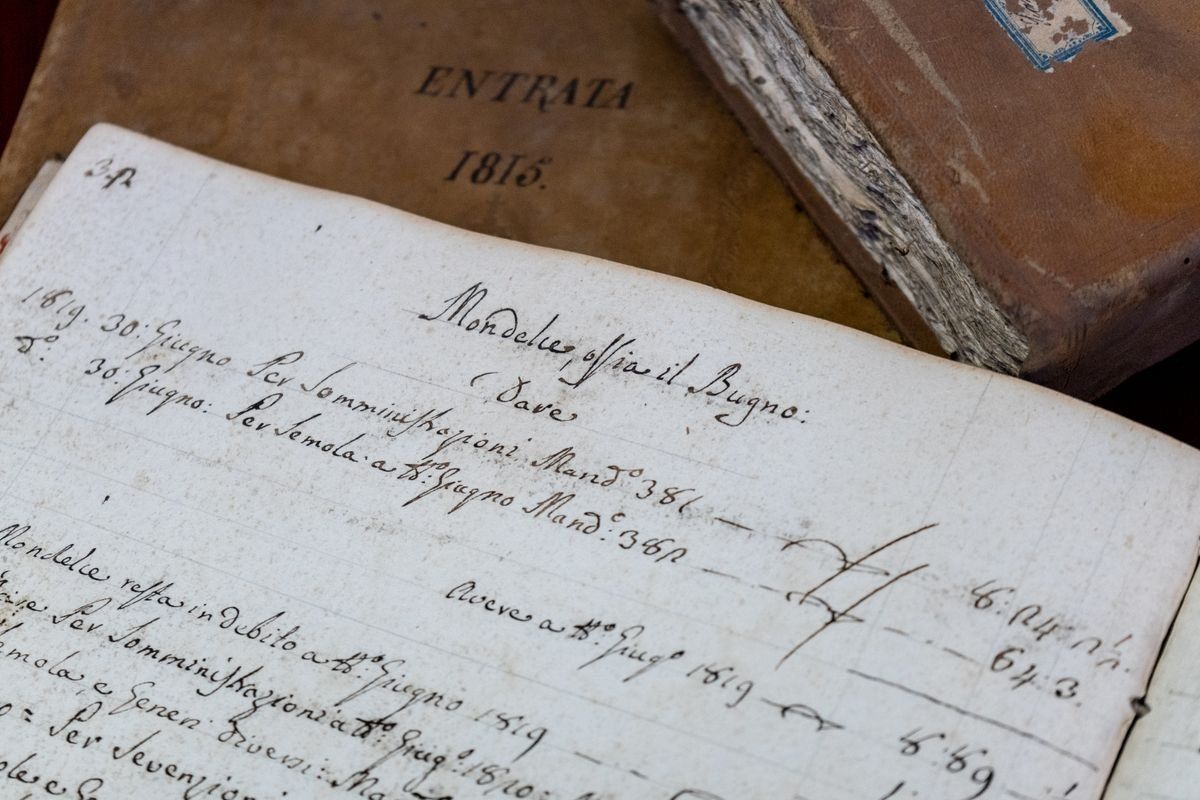
In practice, that can mean visiting a small ancestral village, walking past an old family home, stepping into the church where baptisms took place, or checking records at the local town hall. It can also mean learning how daily life worked in that region: what people ate, how they worked, what festivals mattered, and why so many families left.
Unlike a classic vacation, this kind of trip feels more personal and often more rewarding. Rome, Florence, and Venice are wonderful, of course. But the emotional heart of a roots-based itinerary is often found in places many travelers have never heard of. Tiny towns have a way of saying, “Welcome back,” even if nobody says it out loud.
Start before you fly: research makes the trip better
The most valuable part of planning happens before departure. Even a small amount of research can make your time in Italy more specific, more efficient, and far more moving once you arrive in the places connected to your family story.
Start by speaking with relatives. Ask about:
- Full names, including original spellings
- Birth dates and marriage dates
- Towns or provinces of origin
- Old documents, letters, passports, and prayer cards
- Family stories about migration, work, or village life
Then move on to records. Useful sources often include:
- Ellis Island or other immigration databases
- FamilySearch
- Portale Antenati, Italy’s civil records portal
- Parish archives and municipal offices
- Census and naturalization records in your home country
If the paper trail gets messy, and it often does, consider working with a genealogist. Surnames change, villages are confused with provinces, and one relative’s “near Naples” can actually mean two hours away by car and one emotional espresso. Professional help can save time and avoid mistaken connections.
How to choose the right destinations
The best destinations for a heritage trip depend on where your ancestors came from, not on what is trending online. Once you identify a village or region, build the trip around that area first, then add larger cities or scenic stops around it.
Many families trace roots to Southern Italy, especially Calabria, Sicily, Campania, Puglia, and Abruzzo. Others come from northern and central regions such as Veneto, Emilia-Romagna, Tuscany, Liguria, or Piedmont. Each region tells a different story through dialect, architecture, food, and migration history.
| Region | Why it matters for ancestry travel | What to expect |
|---|---|---|
| Calabria | Major source of emigration in the 19th and 20th centuries | Authentic village life, strong traditions, dramatic coasts |
| Sicily | Common origin for Italian diaspora families worldwide | Layered history, intense local identity, unforgettable food |
| Campania | Home region for many families linked to Naples and nearby towns | Historic cities, religious heritage, rich culinary culture |
| Puglia | Increasingly relevant for family roots and slower travel | Whitewashed towns, olive landscapes, deep rural heritage |
| Veneto | Important for families with roots in northern Italy | Elegant towns, Alpine influence, strong regional customs |
If you only know the region and not the exact town, do not panic. That is still enough to begin shaping an itinerary and narrowing the search. Sometimes the trip itself helps unlock the missing pieces.
What to include in your itinerary
A good roots-focused itinerary should balance family research with local experiences. You need practical visits to archives and churches, but also time to absorb the place through food, conversation, landscapes, and everyday routines.
Ancestral village visits
Spending one or two days in your family’s hometown often becomes the emotional center of the trip. It gives you time to walk the streets, notice surnames on doorbells, visit cemeteries, and understand the physical setting your ancestors once knew.
Try to include:
- Town hall for civil records
- Parish church for sacramental records
- Local cemetery for family names and dates
- Historic center for a sense of daily life
- Family home area, if identified
Do not expect a cinematic reveal every five minutes. Sometimes the power of the visit is quieter. A lane, a staircase, a surname carved into stone, or a balcony with laundry dancing in the breeze can tell you more than a museum label ever could.
Regional food and traditions
Food is one of the strongest links between past and present. Tasting dishes from your ancestral region can help you understand family habits, seasonal ingredients, and recipes that traveled overseas and changed over time.
Book experiences such as:
- Cooking classes focused on regional cuisine
- Farmhouse lunches or agriturismo dinners
- Market visits with local producers
- Artisan workshops tied to traditional crafts
You may discover that your family’s “old Italian recipe” is still alive in the region, just with fewer meatballs and less dramatic commentary from your uncle. Or more. It depends on the uncle.
Time in a nearby city
Adding a city near your ancestral area makes the trip easier logistically and enriches the experience. It gives you access to transport, hotels, museums, and a broader historical context for the region you are exploring.
For example:
- Use Naples as a base for Campania villages
- Stay in Palermo or Catania for Sicilian routes
- Choose Bari for Puglia itineraries
- Consider Reggio Calabria or Lamezia Terme for Calabria
When to go for the best experience
The best seasons for a roots-focused trip are usually late spring and early autumn. These months offer pleasant weather, fewer crowds, and better access to local offices and small businesses than the height of summer.
May, June, September, and October are often ideal. Temperatures are manageable, villages feel active, and you can combine practical research with enjoyable touring. July and August can be very hot, and many Italians take holidays in August, which may affect town hall schedules and archive access.
If your family town has a patron saint festival, consider timing your trip around it. These celebrations can reveal the rhythm of local identity in a way no standard itinerary can. Music, processions, street food, fireworks, and half the town dressed up for the occasion: it is heritage with volume turned all the way up.
How much to budget for a meaningful trip
The cost depends on your travel style, trip length, and how much research support you need. A well-planned heritage trip can fit different budgets, especially if you focus on one region and travel outside peak season.
A budget of $10,000 can absolutely be enough for a trip to Italy, especially for two travelers, but the result will vary based on accommodations, internal transport, guides, and any genealogy services included. In many cases, it can cover a strong, comfortable itinerary with a few personalized experiences.
Typical budget areas include:
- International flights
- Accommodation in city bases and small towns
- Car rental or private transfers
- Local guides or translators
- Archive or research assistance
- Meals and cultural activities
If the focus is emotional value rather than luxury, you can create an unforgettable journey without going full movie-star mode. Charming family-run stays often feel more appropriate than a marble lobby with twelve chandeliers and zero soul.
Why this kind of travel feels so different
Travel linked to ancestry often creates a stronger emotional response because it connects identity with place. You are not simply learning about Italy; you are seeing how your own family story fits into its geography, culture, and history.
That feeling can show up in unexpected ways. Maybe someone in the village has your grandfather’s eyes. Maybe the local bread tastes like childhood Sundays. Maybe the landscape suddenly explains why your family learned resilience, frugality, or hospitality. These moments are difficult to predict and impossible to fake.
Even without dramatic reunions or perfect records, the experience can be deeply grounding. It helps transform inherited stories into real places and gives context to customs that may have survived long after migration. In short, it is part travel, part discovery, and part beautiful family plot twist.
Turn family history into a real journey
The most rewarding heritage trips combine research, regional culture, and enough flexibility to let meaningful moments happen. With the right planning, Italy becomes more than a destination: it becomes a way to understand your family with greater clarity and warmth.
Build your route around the villages and regions that matter most, leave room for local encounters, and do not rush the quieter moments. They are often the ones that stay with you longest. And if you want to keep exploring Italy in great company, discover WeRoad group trips in Italy and find a new way to experience the country together.
FAQ
- Can I plan a roots trip even if I only know my family surname?
-
Yes, but you will need more research before building the final itinerary. A surname, approximate region, immigration record, or family story can be enough to begin narrowing the search and identifying possible towns.
- How many days should I spend on an ancestry-focused trip in Italy?
-
A full week is a strong minimum if you want both family-focused visits and time to enjoy the region. If possible, plan 8 to 10 days to avoid rushing between archives, villages, and cultural experiences.
- Do I need to speak Italian for a heritage trip?
-
No, but speaking some basic Italian helps. In smaller towns, a local guide or translator can make a major difference when visiting municipal offices, churches, or speaking with residents.
- What if I cannot find living relatives in Italy?
-
The trip can still be meaningful. Visiting the hometown, seeing original records, walking through the historic center, and understanding the region’s culture often provide a powerful connection even without family reunions.
- Are southern regions better for this kind of travel?
-
Not necessarily better, but very common for diaspora families. Southern Italy had major emigration waves, so regions like Calabria, Sicily, Campania, and Puglia often appear in family histories abroad. Northern and central regions can be just as important depending on your ancestry.