
In a nutshell
- The best way to choose a travel backpack is to start with your trip style, packing habits, and airline limits, then select a size that supports mobility instead of encouraging overpacking.
- For most travelers, 30–40L is the sweet spot because it balances carry-on compatibility, comfort, and enough room for trips from a few days to about a week or more with smart packing.
- Fit matters as much as capacity: torso length, shoulder straps, hip belt, sternum strap, and back-panel comfort all affect how heavy the bag feels when fully loaded.
- Front-loading backpacks are usually more practical for travel because they open like a suitcase, make packing easier, and work better with packing cubes and frequent hotel or hostel changes.
- A quality backpack is an investment: spending a bit more often means better materials, improved carrying comfort, and a bag that lasts through years of flights, buses, road trips, and chaotic transfers.
There is a special kind of travel chaos that starts with the wrong bag. It usually appears on cobblestones, train station stairs, or at that exact moment when you need your passport and somehow find a sock instead. Knowing how to choose travel backpack options wisely makes every trip easier, lighter, and far less dramatic.
A good travel backpack is not just a container with straps. It affects how you move through airports, how fast you pack, how much you carry, and how your shoulders feel after a long transfer. The right one helps you stay organized and flexible, whether you are heading out for a city break, a beach holiday, or a long multi-stop adventure.
What really matters in a travel backpack
The best travel backpack balances capacity, comfort, durability, and access. Before looking at colors, cool zippers, or that suspiciously persuasive marketing video, focus on how the bag fits your body and your trip. A backpack should support the way you travel, not become your travel personality.
That means choosing a bag based on practical factors:
- Trip length
- Climate and clothing bulk
- How often you move
- Airline carry-on limits
- Your body frame and comfort needs
- Organization style
In short: do not buy the biggest backpack you can find “just in case.” That is how one emergency hoodie becomes three pairs of unnecessary shoes and a mysterious extra sweater you never wear.
Choose the right size first

The right backpack size depends on trip type, packing habits, and airline rules. For most travelers, a carry-on-sized backpack is the sweet spot because it keeps you mobile, saves baggage fees, and reduces overpacking. Bigger is not automatically better; often, it is just heavier.
As a general guide, travel backpacks are usually chosen by liters:
| Backpack size | Best for | What to expect |
|---|---|---|
| 20–30L | Weekend trips, minimalist travel, personal-item travel | Light and compact, but limited space for bulky clothes |
| 30–40L | City breaks, 1-week trips, carry-on-only travel | Best balance for most travelers |
| 40–50L | Long trips, mixed climates, more gear-heavy travel | Roomier, but may push carry-on limits on some airlines |
| 50L+ | Expeditions, gear-intensive travel, long overland routes | Useful for specific needs, but easy to overpack |
If you are wondering how to choose size for travel backpack needs, start with what you truly wear and use, not with a fantasy version of yourself who somehow needs four jackets in Thailand.
The 20% rule for backpacking
The 20% rule means your loaded backpack should generally weigh no more than 20% of your body weight. It is a simple guideline that helps you avoid carrying too much, especially on walking-heavy itineraries. For travel, staying below that threshold usually makes moving around safer and more comfortable.
Even if you are not trekking through mountains, the rule is helpful. If your bag feels like you are transporting a medium-sized roommate, it is probably too heavy.
Fit matters more than features
A backpack can have brilliant compartments and premium fabric, but if it does not fit properly, it will still be a bad choice. A good fit improves weight distribution, posture, and comfort, especially when you carry the bag for longer stretches.
Here is what to check:
- Torso length: Some backpacks come in multiple sizes or have adjustable back panels.
- Shoulder straps: They should feel padded without digging in.
- Hip belt: On larger bags, this helps transfer weight from shoulders to hips.
- Sternum strap: Useful for stability, especially in transit.
- Back panel: Breathable padding can make a big difference in warm climates.
If possible, try the backpack on while wearing some weight inside. A bag that feels fine empty can turn into a grumpy brick once packed.
Opening style: front-loading vs top-loading
For most trips, a front-loading or clamshell backpack is easier to manage than a top-loading one. It opens more like a suitcase, so you can see and reach your things without digging through layers of clothes like an archaeologist of your own poor decisions.
Front-loading backpacks are ideal for:
- City travel
- Multi-stop itineraries
- Carry-on packing
- Using packing cubes
Top-loading backpacks can work better for:
- Hiking-focused trips
- Outdoor adventures
- Travel where technical gear matters more than quick access
If your trip includes hostels, trains, short stays, and regular repacking, front-loading usually wins by a landslide.
Features worth having
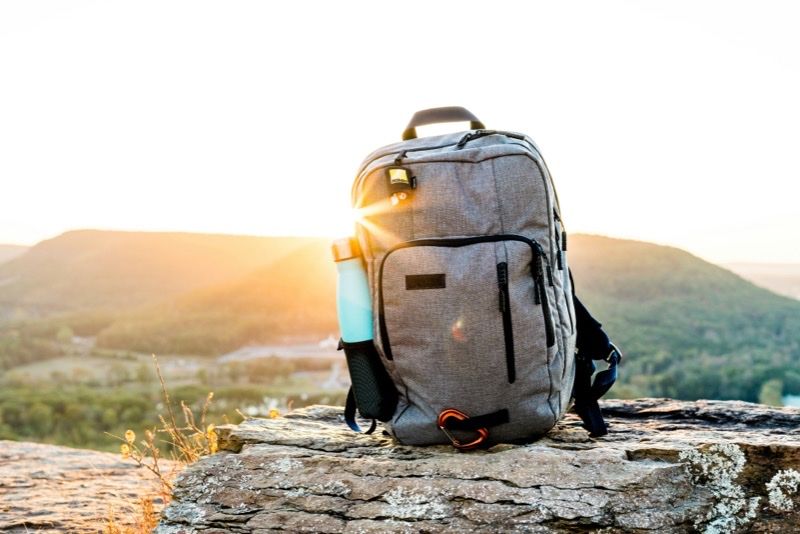
The best backpack features are the ones you actually use. Look for practical details that improve comfort, access, and durability, rather than a long list of gimmicks. More compartments do not always mean better organization; sometimes they just create tiny mystery zones.
Useful features include:
- Lockable zippers for added security
- Compression straps to stabilize the load
- Padded laptop sleeve if you travel with tech
- Water-resistant material or rain cover
- External pocket for quick-access essentials
- Stowable straps for flights and buses
- Water bottle pocket that is actually usable
A note on organization: if you love packing cubes, you may prefer a backpack with one large main compartment rather than fifteen niche pockets designed for items you do not own.
Match the backpack to the trip
The ideal backpack changes with the journey. A short urban getaway, a beach escape, and a long backpacking trip do not ask for the same capacity or structure. Choose based on how you move, what you pack, and how often you relocate.
For weekend and city trips
A compact backpack in the 25–35L range usually works best. It is easy to carry on public transport, fits short itineraries, and encourages efficient packing. If you are mostly staying in one place, you do not need expedition-level gear.
Look for:
- Clamshell opening
- Laptop sleeve
- Lightweight build
- Clean shape that fits under or over seats easily
For beach holidays and warm-weather trips
A 30–40L backpack is often enough because warm-weather clothes are lighter and less bulky. Prioritize easy access, breathable comfort, and maybe a spot for damp items unless you enjoy marinating your T-shirts next to your swimsuit.
Good features include:
- Quick-dry friendly compartments or pouches
- External water bottle pocket
- Lightweight fabric
- Simple internal organization
For long-term or multi-country travel
A backpack between 40 and 50L can be a smart choice if you are moving often and packing for mixed weather. The key is keeping the load manageable and carry-on-friendly where possible. This is where fit and support matter the most.
Prioritize:
- Strong harness system
- Hip belt and sternum strap
- Durable materials
- Flexible packing space for layers and gear
For adventure-heavy travel
If your trip includes rough transport, outdoor routes, or long walks between stops, choose a backpack with better suspension and tougher construction. It does not need to look like you are summiting Everest, but it should handle more than airport carpets.
Look for:
- Reinforced fabric
- Weather resistance
- Secure straps
- Stable carry system
How much should you spend on a travel backpack?

A good travel backpack usually costs between $100 and $300, depending on materials, design, and brand. Spending more can make sense if you travel often, need better support, or want a bag that lasts for years. The cheapest option is rarely the best value.
Here is a simple price breakdown:
- Under $100: Fine for occasional short trips, but often limited in comfort and durability.
- $100–$200: The sweet spot for most travelers.
- $200–$300+: Better materials, stronger harness systems, and more refined design.
Think cost per trip, not just price tag. A well-made backpack that survives years of flights, ferries, buses, and suspicious hostel luggage racks is usually worth it.
Common mistakes to avoid
Most backpack regrets come from choosing based on looks, size, or hype instead of real travel needs. Avoiding a few common mistakes will save money, shoulder pain, and that classic moment of repacking your entire life on a hostel floor.
- Buying too big and filling the extra space just because it is there.
- Ignoring fit and focusing only on design.
- Choosing too many compartments that complicate packing.
- Skipping airline dimension checks for carry-on travel.
- Overlooking weight of the empty bag itself.
The best backpack is not the one with the loudest online fan club. It is the one that works quietly, comfortably, and without causing a mini emotional crisis at security.
Pick a bag that helps you travel better
The right backpack makes you more mobile, more organized, and more relaxed throughout the trip. Focus on size, fit, access, and comfort, then match those features to the kind of travel you actually do. That is the smartest way to choose well and pack with confidence.
Once you have the right bag, the rest becomes easier: fewer unnecessary things, smoother transfers, and a lot less wrestling with zippers in public. And if you are already dreaming about where to take it first, have a look at the WeRoad group trips and find the adventure that deserves your new favorite backpack.
FAQ
- What size travel backpack is best for carry-on travel?
-
For most airlines and most travelers, a 30–40L backpack is the safest range. It usually offers enough space for several days or even longer trips with smart packing while staying within common cabin limits.
- Is a travel backpack better than a suitcase?
-
A travel backpack is often better for trips with stairs, public transport, uneven streets, or frequent moves. A suitcase can work well for stable, city-based travel, but a backpack gives you more flexibility and hands-free movement.
- Should I choose a lightweight backpack even if it has fewer features?
-
Usually yes, as long as it still meets your core needs. A lighter bag leaves more room for your actual gear and is easier to carry. It is better to have fewer useful features than many heavy ones you never use.
- How do I know if a backpack fits me properly?
-
The backpack should sit comfortably against your back, with shoulder straps that do not dig in and a hip belt that supports weight on larger packs. If possible, try it on with weight inside before buying.
- Can one travel backpack work for every trip?
-
Yes, for many people one versatile backpack can cover most trips, especially in the 30–40L range. The trick is choosing a model with a balanced design, comfortable fit, and practical access rather than one built for a single niche use.