In a nutshell
- Egypt is not uniformly risky: major tourist destinations such as Cairo, Giza, Luxor, Aswan, Hurghada, and Sharm El Sheikh are commonly visited, while areas like North Sinai, some border zones, and parts of the Western Desert face much stricter warnings.
- The most common traveler issues are practical rather than extreme: expect possible scams, persistent touts, petty theft, harassment, and stressful road conditions, especially around major attractions and crowded public areas.
- Solo travelers and women can visit, but should plan carefully: modest clothing, trusted transport, central accommodation, limited solo wandering after dark, and guided visits can all help reduce stress and unwanted attention.
- Preparation matters more in Egypt than in easier plug-and-play destinations: monitor official advisories, pre-book key transfers, respect local laws and photography restrictions, and make sure travel insurance covers your route and activities.
- Canceling is not always necessary: if your itinerary stays within the classic tourism circuit and advisories remain stable, many trips go ahead without issue; the smarter move is often to adjust the route rather than write off the whole country.
Egypt has a way of living rent-free in your imagination. The pyramids, the Nile, temple columns taller than your travel budget, and sunsets that look suspiciously filtered even when they are not. But before booking that flight, one practical question usually shows up first: how safe is it to visit Egypt right now?
The short answer is that Egypt can be visited safely by many travelers, especially in the country’s main tourist areas, but it is not a destination to approach casually. Safety depends a lot on where you go, how you move around, and how well you prepare. Some regions are heavily visited and well protected, while others are under clear government warnings.
What the overall safety picture looks like
Egypt is generally considered manageable for tourists in major destinations such as Cairo, Luxor, Aswan, Hurghada, and Sharm El Sheikh. At the same time, official travel advisories from the US, UK, and Canada recommend increased caution nationwide and stricter avoidance for specific border and desert areas.
That means the answer is not a dramatic yes or no. It is more like: yes, with common sense and destination-specific planning. In popular tourism hubs, security is visible, hotels often have screening at entrances, and organized sightseeing routes are common. In more remote regions, however, risks linked to terrorism, military operations, smuggling routes, or limited infrastructure can rise significantly.
- Safer for most visitors: central Cairo tourist zones, Giza, Luxor, Aswan, Red Sea resorts
- Higher-risk areas: North Sinai, parts of South Sinai, sections of the Western Desert, border zones with Libya and Sudan
- Main everyday concerns: scams, harassment, traffic, petty theft, and transport confusion
Areas where extra caution is essential
Some parts of Egypt are not suitable for standard leisure travel. Official advisories consistently warn against travel to North Sinai and limit or discourage travel in parts of the Western Desert, near the Libyan border, and in certain northern sections of South Sinai.
These restrictions are not there for decoration. They are linked to a combination of terrorist threats, military activity, porous borders, and difficult emergency access. If your dream itinerary includes famous sites along the Nile or beach resorts on the Red Sea, the good news is that those are not the same areas as the highest-risk zones.
| Area | Typical traveler profile | Safety note |
|---|---|---|
| Cairo & Giza | First-time visitors, culture trips | Generally visited safely with awareness of scams, traffic, and crowded areas |
| Luxor & Aswan | History lovers, Nile itineraries | Popular and relatively controlled tourist circuit, but use organized transport |
| Hurghada & Red Sea resorts | Beach holidays, diving trips | Usually considered among the easier areas for tourists |
| Sharm El Sheikh | Resort stays, diving, short breaks | Strong tourism infrastructure, though wider Sinai requires caution |
| North Sinai | Not recommended for leisure travel | Subject to strong official warnings due to terrorism and military operations |
| Western Desert border areas | Specialized trips only | Requires careful planning; some areas are strongly discouraged or off-limits |
Common safety issues travelers actually face
For most tourists, the more likely problems are not dramatic headline events but lower-level issues that can wear you down fast. The main ones are aggressive selling, transport scams, harassment, and chaotic traffic. These are usually manageable, but they can make independent travel feel more intense than expected.
In plain English: the pyramid may be ancient, but the “my friend, special price for you” routine is very much alive and in cardio shape.
Scams and persistent touts
Tourist hotspots in Egypt are famous for hard selling. You may be offered “free” gifts, unofficial guiding help, photo assistance, horse or camel rides, or shortcut directions that suddenly come with a fee. This is annoying more than dangerous, but it can be relentless.
Useful habits include:
- Agree on prices before accepting any service
- Use official guides or reputable operators
- Keep a polite but firm “no, thank you” ready
- Avoid following strangers to shops or side areas
Petty theft
Violent crime against tourists is relatively uncommon, but pickpocketing and bag snatching can happen in crowded places such as markets, stations, or busy streets. Keep valuables secure and carry only what you need during the day.
Road safety and transport
One of the most underappreciated risks in Egypt is simply the road environment. Traffic can be chaotic, pedestrian crossings may feel theoretical, and driving standards are inconsistent. Reputable private transfers, hotel-arranged cars, or ride apps in larger cities are often easier than improvising.
Is Egypt safe for solo travelers and women?
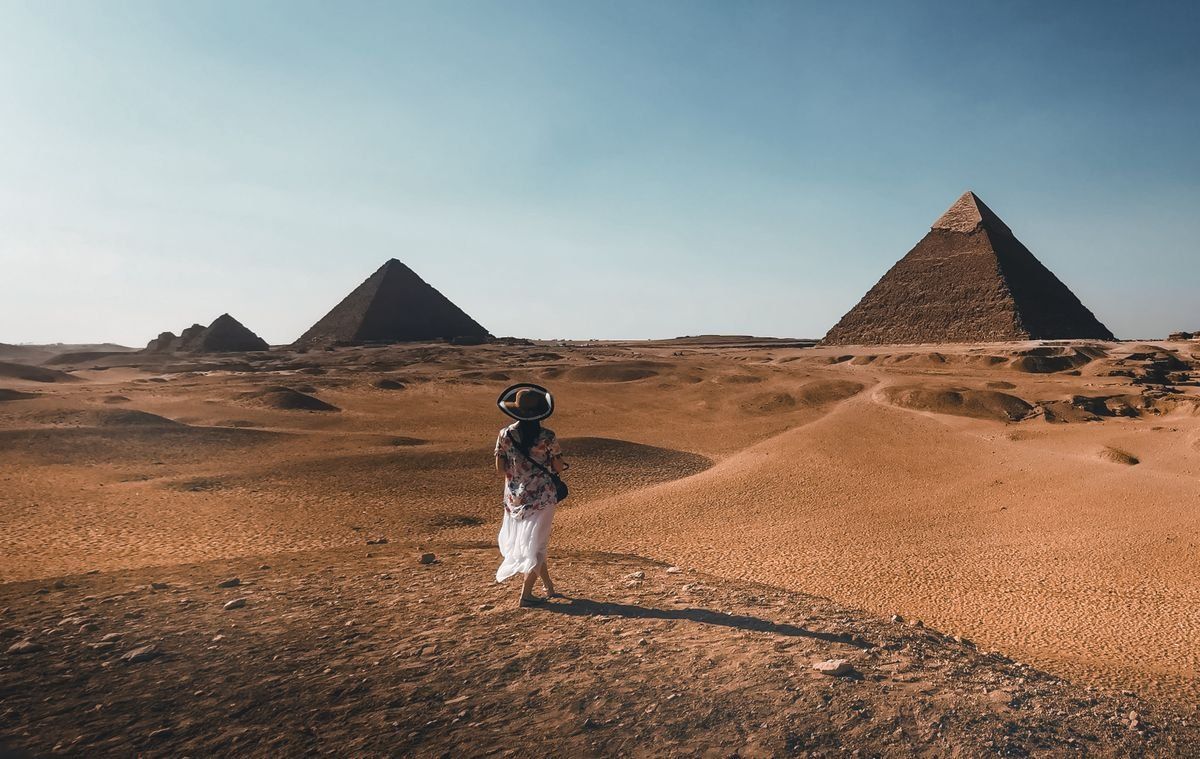
Egypt can be rewarding for solo travelers, but it is usually easier when logistics are pre-arranged. Women in particular often report unwanted attention, staring, catcalling, or intrusive comments. That does not mean women should avoid Egypt altogether, but it does mean extra situational awareness is important.
Conservative clothing can help reduce attention, especially outside resorts and in religious or traditional areas. It may not stop every awkward interaction, but it usually helps you blend in more respectfully. Solo exploration after dark is best limited, especially in unfamiliar neighborhoods.
Practical precautions include:
- Dress modestly, especially in cities and at religious sites
- Use trusted transport instead of random street pickups
- Stay in central, well-reviewed accommodation
- Share your itinerary with someone at home
- Join guided visits for major sites if you want less hassle
How to travel more safely in Egypt
Smart planning reduces most of the practical risks travelers face in Egypt. The best approach is to stick to well-known routes, monitor official travel advice, arrange transport in advance when possible, and avoid drifting into remote or unfamiliar areas without clear local knowledge.
This is not the destination for freestyle logistics powered by vibes alone. A little structure goes a long way, and your future self will thank you somewhere between Luxor and that Nile sunset.
Choose organized transport when it matters
For long distances, airport arrivals, or transfers between major sights, organized transport is usually the simplest option. It cuts down on negotiation stress, confusion, and last-minute surprises.
Check live travel advisories before departure
Conditions can change. Before you go, review updates from official sources such as the US State Department, UK FCDO, or your national foreign ministry. Pay attention to regional warnings, not just the country-wide headline.
Respect local laws and customs
Egypt is more conservative than many travelers expect. Public behavior, dress, alcohol use, photography rules, and criticism of authorities can all carry more weight here than in some other destinations. In particular, avoid photographing military sites, police, government buildings, bridges, and certain transport infrastructure.
Get travel insurance
Insurance is strongly recommended. Choose a policy that covers medical care, cancellations, theft, and any planned activities such as diving or desert excursions. Also make sure your policy remains valid in the areas you intend to visit.
Should you cancel your trip to Egypt?
Canceling only makes sense if your itinerary includes restricted regions, if official advice changes significantly before departure, or if you are uncomfortable with a destination that requires more active awareness. For mainstream itineraries focused on classic highlights, many travelers still go ahead safely with good planning.
If your plan is Cairo, Giza, Luxor, Aswan, Abu Simbel, or Red Sea resorts, that is very different from heading toward high-risk border zones. Rework the route if needed, rather than assuming the whole country presents the same level of concern.
A good decision checklist is:
- Review your government’s travel advice
- Check your exact destinations, not just “Egypt” as a whole
- Confirm flights, transfers, and accommodation policies
- Make sure your insurance matches the itinerary
- Choose a travel style that suits your comfort level
So, is visiting Egypt worth it?
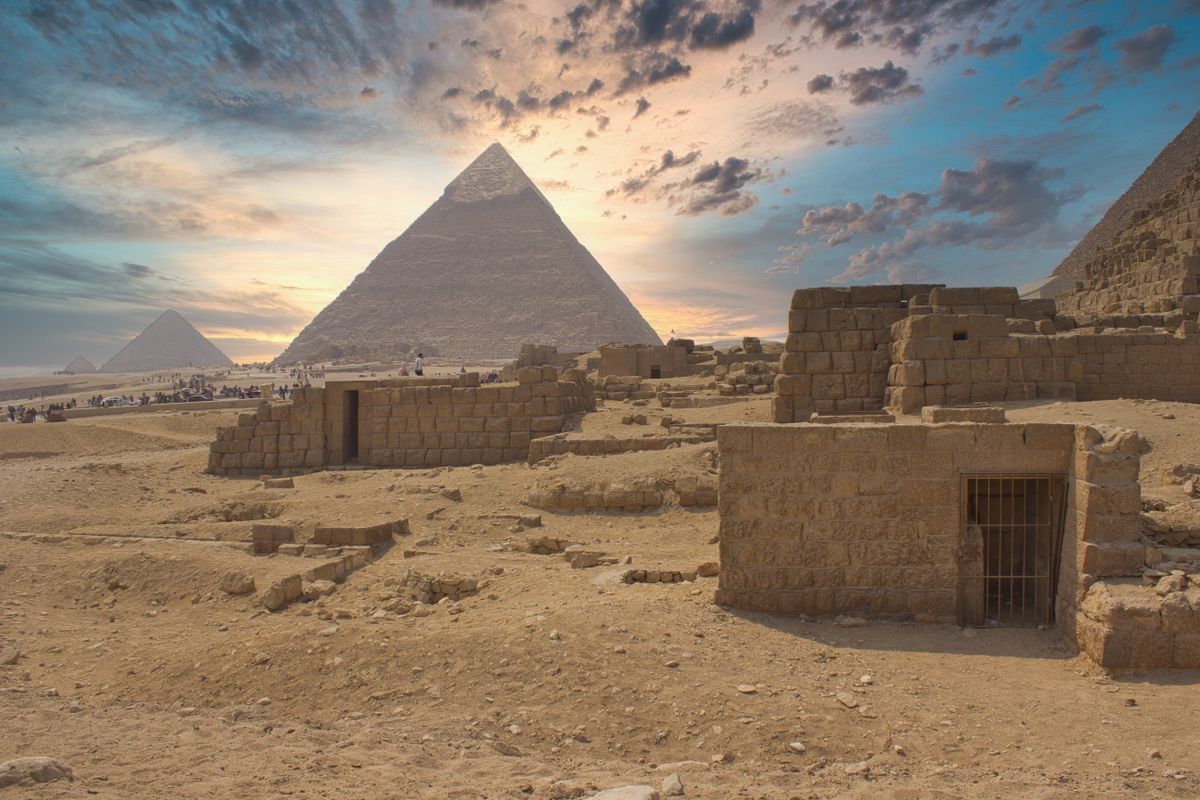
For many travelers, yes. Egypt is one of those rare places where the real thing somehow still exceeds the postcard. The key is to go with clear expectations, updated information, and a sensible itinerary. It is not the kind of destination where you switch your brain off, but it absolutely can be a memorable and smooth trip.
If you want the magic without the logistical headache, guided or small-group travel can make a big difference. And if you are ready to experience temples, desert landscapes, and Nile views with company, take a look at WeRoad group trips to Egypt.
FAQ
- Is Egypt safe for Americans to visit now?
-
Many Americans travel to Egypt without major problems, especially in established tourist areas. However, official US advice usually recommends increased caution overall and stronger restrictions for certain regions such as North Sinai and parts of the Western Desert.
- Is it safe to travel around Egypt independently?
-
Independent travel is possible, but it can be more stressful due to scams, transport hassles, and local complexity. Many travelers find that guided day trips or organized transfers make the experience smoother and more comfortable.
- Is $100 a lot of money in Egypt?
-
It can go quite far for everyday expenses such as local meals, short rides, and small purchases, especially outside luxury settings. That said, tourist pricing, guided visits, and upscale hotels can raise costs quickly, so value depends on your travel style.
- Are the pyramids and Nile cruise routes considered safe?
-
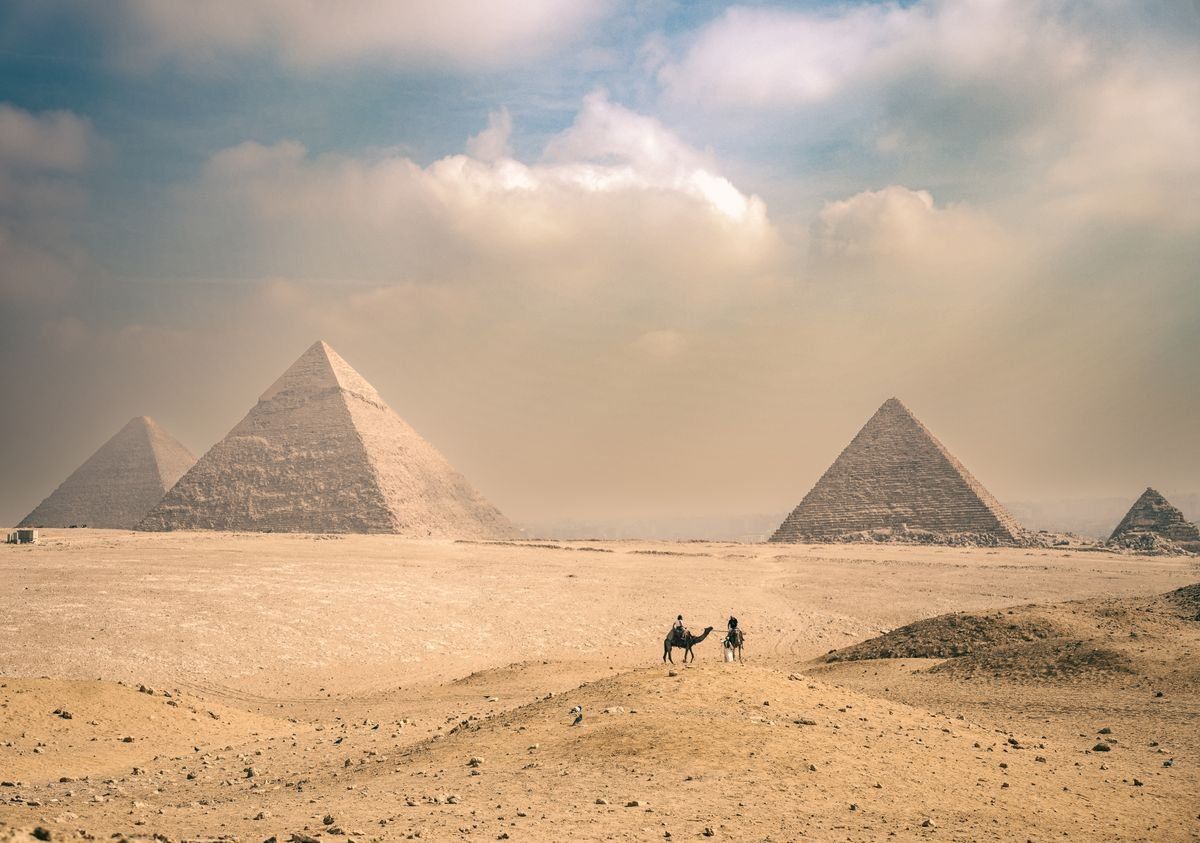
The Giza pyramids and the main Nile tourism circuit between Luxor and Aswan are among the most established travel routes in Egypt. They are widely visited, with visible tourism infrastructure and security, though normal precautions still apply.
- Should I cancel my holiday to Egypt?
-
Not necessarily. If your itinerary is limited to mainstream destinations and current advisories remain stable, many travelers continue with their plans. The best step is to check official guidance for your exact route and adjust any higher-risk segments.