In a nutshell
- Costa Rica is generally safe for tourists, especially compared with many regional destinations, but visitors should still expect common travel risks such as petty theft, car break-ins, and transport-related issues in busy or highly touristed areas.
- The most important non-crime risks are often natural ones: strong rip currents, unsupervised beaches, sudden weather changes, difficult roads, and the challenges of adventure activities done without proper operators or planning.
- Location and timing matter. Places like La Fortuna, Monteverde, Manuel Antonio, and Tamarindo are generally manageable for first-time visitors, while parts of San José and isolated beach or urban areas at night require more caution and better transport choices.
- Simple safety habits have a big impact: keep valuables out of sight, avoid leaving anything in the car, use official taxis or trusted apps, stay off isolated beaches after dark, and choose well-reviewed accommodation and licensed tours.
- Budget travel is possible, but cutting costs too aggressively can affect safety and comfort. A realistic budget, reliable transfers, and decent accommodation often make the trip smoother, especially for solo travelers and first-time visitors.
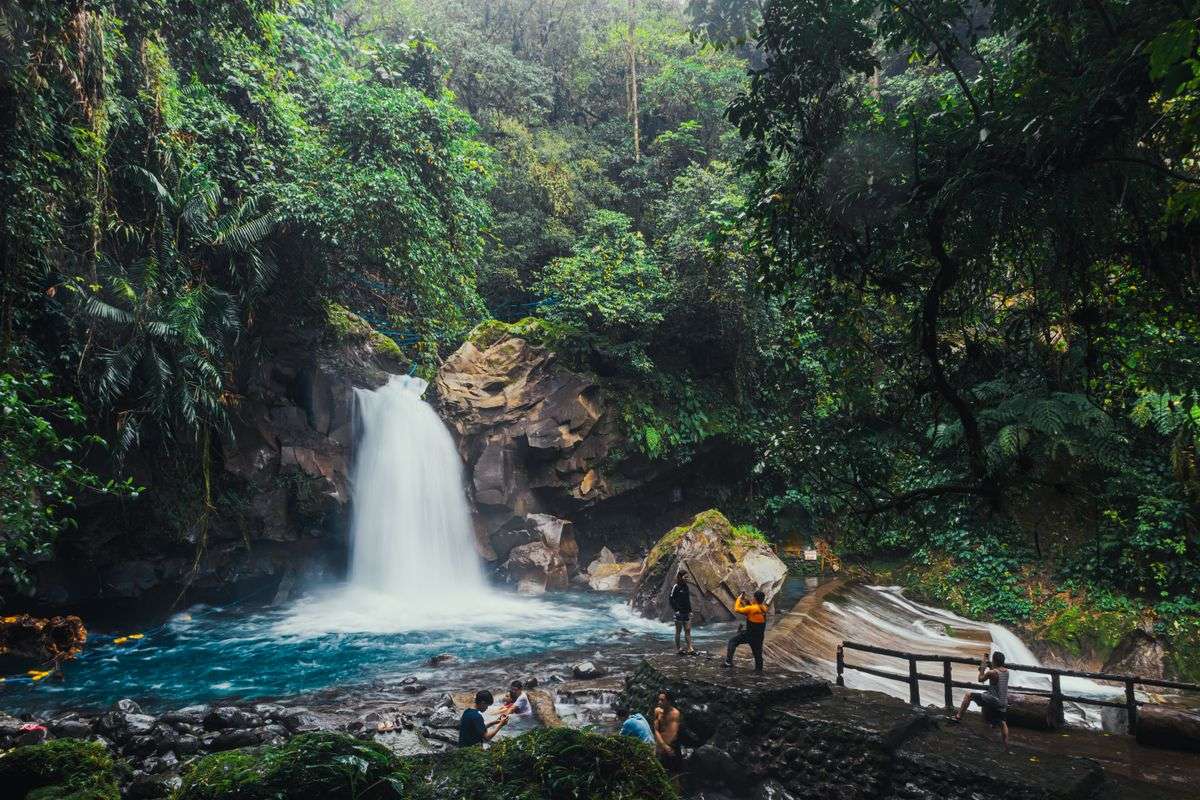
Costa Rica has a reputation for being one of the easiest countries to visit in Central America, and that reputation is mostly deserved. For most travelers, the trip is smooth, memorable, and full of wildlife, waterfalls, and beaches that look suspiciously like desktop wallpapers. Still, “safe” does not mean “risk-free.”
If you are visiting for the first time, the most useful answer is this: Costa Rica is generally safe for tourists who travel with common sense. The biggest issues are usually petty theft, road safety, strong ocean currents, and the occasional bad decision made after sunset because “it looked chill on Instagram.”
How safe is Costa Rica for tourists, really?
Costa Rica is considered one of the safer destinations in the region, especially for leisure travel. Most visitors never experience serious problems, but crime does exist, particularly theft in tourist areas, on beaches, on public transport, and in busy city zones. Good habits lower your risk significantly.
The country is politically stable, tourism is well developed, and many popular destinations are used to welcoming international travelers. That said, safety varies depending on where you are, how you move around, and what time of day it is.
In practical terms, most travelers are far more likely to deal with a stolen phone, a bag left unattended, or a rough drive in heavy rain than with violent crime. That is good news, but not an excuse to go full holiday-brain and leave your passport on a café table while photographing a smoothie bowl.
The most common safety risks in Costa Rica
The main concerns are petty crime, unsafe swimming conditions, road hazards, and occasional scams. These are manageable if you stay alert, choose transport carefully, and avoid isolated areas at night. Preparation matters more here than paranoia.
Petty theft and opportunistic crime
Pickpocketing, bag snatching, and theft from cars are the most common incidents affecting travelers. Tourist hotspots attract attention, especially beaches, bus terminals, downtown areas, and parking lots near major attractions.
Typical situations include:
- Leaving valuables unattended on the beach
- Storing backpacks or electronics in visible spots inside a rental car
- Using phones or wallets carelessly in crowded areas
- Accepting unsolicited help at stations or ATMs
A simple rule works well: if you cannot afford to lose it, do not leave it out of your sight.
Road safety and driving conditions
Driving can be more stressful than many first-time visitors expect. Roads may be narrow, poorly lit, full of potholes, or affected by rain, landslides, and sharp curves. Night driving is especially tiring and often best avoided.
Even short routes can take longer than expected. A map may say one thing; the road may say, “absolutely not.” If you rent a car, choose one suited to your route, avoid leaving anything inside, and try to arrive at your destination before dark.
Ocean currents and water safety
Some of Costa Rica’s beaches are beautiful but not always safe for swimming. Strong rip currents are a real hazard, and not all beaches have lifeguards or clear warning signs.

This is one reason people are told to stay off beaches at night. It is not just about crime. Darkness makes currents, rocks, tides, and emergency response much harder to manage. Romantic moonlit beach stroll? Lovely. Late-night swim because you feel invincible? Less lovely.
Adventure activities and nature-related risks
Hiking, rafting, zip-lining, surfing, and wildlife tours are generally safe when booked with reputable operators. The risks rise when travelers go off-trail, ignore weather warnings, or underestimate tropical conditions.

Bring water, insect repellent, proper footwear, and check local advice before outdoor activities. Costa Rica’s nature is spectacular, but it is still nature, not a theme park with hidden staff ready to hand you a towel and a juice box.
Safer places and areas that need extra caution
Popular tourist destinations are usually well set up for visitors, but some areas require more awareness. Safety is often less about entire towns being “safe” or “unsafe” and more about specific neighborhoods, beaches, or nighttime situations.

| Area | General safety level | What to watch for |
|---|---|---|
| La Fortuna | Generally good for tourists | Petty theft, tour and transport planning |
| Manuel Antonio / Quepos | Popular and manageable | Beach theft, crowded tourist zones |
| Monteverde | Generally good | Road conditions, weather changes |
| Tamarindo | Tourist-friendly | Nightlife awareness, belongings on the beach |
| San José | Mixed, depends on area | Petty crime, avoid walking alone at night |
| Puerto Viejo and Caribbean coast | Usually fine with caution | Nighttime isolation, theft, transport choices |
San José deserves a realistic note. Many travelers pass through without trouble, especially near the airport or in better-known districts. But it is not the kind of city where wandering aimlessly at night with luggage and zero spatial awareness is a brilliant character arc.
How to stay safe during your trip
Most safety issues can be reduced with a few practical habits. Keep valuables secure, use official or vetted transport, avoid isolated areas after dark, and listen to local advice. The goal is not to travel nervously, but to travel smart.
- Carry only what you need. Leave your passport secured in your accommodation when possible and carry a copy if appropriate.
- Use official taxis, pre-arranged transfers, or trusted ride apps. Avoid random street offers.
- Do not leave valuables in rental cars, even in the trunk.
- Avoid beaches at night, especially if they are isolated or unlit.
- Choose accommodations with strong reviews and basic security features.
- Book tours with reputable operators that provide safety briefings and proper equipment.
- Stay connected with a local SIM or reliable roaming plan.
- Watch the weather, especially in the rainy season.
Public transport, taxis, and getting around safely
Transportation choices make a big difference to your overall safety and comfort. Private shuttles, official taxis, and trusted ride services are often easier for first-time visitors than navigating public transport with bags and limited local knowledge.
Buses are affordable and widely used, but they can be targets for petty theft. Keep valuables close, avoid storing essentials in overhead compartments, and stay alert in terminals. For taxis, look for official red taxis with identifying markings, or book through your hotel or app.
If you are arriving late or changing locations often, paying a bit more for reliable transport can be one of the least glamorous but smartest decisions of the trip. Not every travel story needs to begin with, “So then we accidentally got off at the wrong station…”
Money, documents, and scams to watch for
Travelers are most vulnerable when distracted, tired, or handling cash and documents in public. A little organization goes a long way in avoiding stress if something goes wrong.
- Use ATMs inside banks or busy, well-lit places
- Carry more than one payment method
- Keep digital and paper copies of important documents
- Exchange money at legitimate institutions only
- Be cautious with strangers offering unexpected help
Another smart move is to split cash and cards between bags instead of keeping everything in one place. Losing one item is annoying; losing your entire travel identity in one zippered pouch is a holiday villain origin story.
Is Costa Rica safe for solo travelers and first-timers?
Yes, many solo travelers visit Costa Rica safely, including first-time visitors. The destination is relatively easy to navigate, tourism infrastructure is strong, and locals in tourism areas are generally accustomed to helping visitors. Still, solo travel requires extra attention to transport, nightlife, and isolation.
Solo travelers should be especially careful with late-night arrivals, beach visits after dark, and sharing too much itinerary information with strangers. Staying in well-reviewed accommodations, joining group tours, and checking in regularly with friends or family are all smart habits.
For many people, traveling with others also removes a lot of the friction around logistics, safety decisions, and moving between destinations. And yes, it also means someone else can confirm that the spider in the bathroom is, in fact, absolutely enormous.
Budget questions and realistic expectations
Costa Rica can be safe on a budget, but going too cheap sometimes creates extra risk or inconvenience. Transport, accommodation quality, and activity providers matter. Saving money is great; accidentally booking chaos is less great.
A budget of $1000 for one week can be enough for some travelers if they use hostels, local meals, buses, and a limited number of paid activities. It will feel tighter in popular areas or if you rely on private transfers, car rental, or organized excursions.
As for living on $2000 a month, it is possible for some lifestyles, especially outside the most touristy zones, but comfort levels vary a lot depending on rent, transport, and healthcare choices.
Comparing safety with Mexico is tricky because both countries vary widely by region. Costa Rica is often perceived as simpler and more predictable for first-time travelers, while Mexico offers huge differences between destinations. In both places, local context matters more than broad stereotypes.
Travel confidently, not carelessly
Costa Rica is a rewarding destination for first-time visitors who balance curiosity with caution. Most trips go smoothly, and the country’s mix of nature, adventure, and relaxed atmosphere makes it easy to understand why so many travelers fall for it.
Take the standard precautions, respect local advice, avoid unnecessary risks at night, and choose transport and tours carefully. Do that, and your main danger will probably be returning home with unrealistic expectations for all future beaches.
If you want to explore the country with a like-minded crew and less stress on the logistics side, check out WeRoad group trips to Costa Rica and enjoy the pura vida with company.
FAQ
- Is Costa Rica safe for American and European tourists?
-
Yes, in general it is. Most American and European tourists travel in Costa Rica without major issues. The main problems tend to be petty theft, risky swimming conditions, and road safety rather than targeted violence against foreign visitors.
- Why should you avoid the beach at night in Costa Rica?
-
You should avoid beaches at night because of both security and environmental risks. Theft can happen in isolated areas, and darkness also makes it harder to see rip currents, rocks, tides, and wildlife. Emergency help may be limited as well.
- Is San José safe for first-time visitors?
-
San José can be manageable, especially for a short stay in a good area or near the airport, but it requires more awareness than resort or nature destinations. Avoid walking alone at night, use official transport, and keep valuables secure in busy zones.
- Can you travel safely around Costa Rica without renting a car?
-
Yes. Many travelers move around safely using private shuttles, organized transfers, official taxis, and some bus routes. For first-time visitors, this can be easier and less stressful than driving unfamiliar roads, especially in the rainy season.
- Is $1000 enough for a week in Costa Rica?
-
It can be enough for a week if you travel on a moderate budget, stay in hostels or simple hotels, use buses, and limit expensive tours. In popular destinations or with private transport and multiple excursions, costs rise quickly.
- Is Costa Rica safer than Mexico?
-
Broadly speaking, many travelers find Costa Rica easier and more predictable for a first trip. Still, both countries vary a lot by region. Safety depends more on the specific destination, transport choices, and local conditions than on the country name alone.