In a nutshell
- Altitude sickness develops when the body does not adapt fast enough to lower oxygen at elevation, most commonly after a rapid ascent above about 2,500 metres. The usual early signs are headache, nausea, dizziness, fatigue, loss of appetite and poor sleep.
- Mild acute mountain sickness can improve with rest and no further ascent, but symptoms that worsen despite rest should be treated as a warning that the body is not acclimatising properly and that descent may be necessary.
- Severe forms include HAPE and HACE. HAPE causes breathlessness at rest, cough, chest tightness and extreme fatigue, while HACE can cause confusion, poor coordination, behaviour changes and reduced consciousness. Both are medical emergencies.
- The best prevention is gradual ascent, limiting gains in sleeping altitude, adding rest days, avoiding heavy exertion and alcohol early on, and discussing acetazolamide with a doctor if the itinerary is fast or previous episodes have occurred.
- You should never continue climbing with symptoms of altitude illness. Mild headache may be monitored, but worsening headache, shortness of breath at rest, staggering, confusion or chest symptoms require immediate descent and urgent medical attention.
Mountain views can feel like a reward, but high elevation asks your body to work harder than usual. When you gain altitude too quickly, the lower oxygen available in the air can trigger a range of problems, from a simple headache to a serious medical emergency. Knowing what to notice early can make a huge difference.
That matters whether you are heading to the Andes, the Himalayas, Kilimanjaro or simply planning a trek that sleeps above 2,500 metres or 8,000 feet. The good news is that most high-altitude illness is preventable, manageable and, in many cases, reversible if you react promptly.
What altitude sickness is
Altitude sickness happens when your body cannot adjust quickly enough to lower oxygen levels at higher elevation. It usually appears after a rapid ascent and can range from mild discomfort to severe, life-threatening illness. Early recognition, a slower pace and timely descent are the foundations of staying safe.
As you go higher, air pressure drops. The percentage of oxygen in the air does not change much, but with each breath your body gets less usable oxygen than it would at sea level. In short: the mountain is gorgeous, but your lungs are having a very serious team meeting.
The mildest and most common form is acute mountain sickness (AMS). More dangerous forms include high-altitude pulmonary edema (HAPE), which affects the lungs, and high-altitude cerebral edema (HACE), which affects the brain.
Common symptoms at high altitude
The most common early signs are headache, nausea, tiredness, dizziness and poor sleep. These symptoms often develop within the first several hours after arrival at a higher elevation, especially above 2,500 metres. If symptoms appear, the safest move is to stop ascending and monitor closely.
Mild altitude-related illness can feel a lot like a bad hangover, except there was no fun party to justify it. Typical symptoms include:
- Headache, often the earliest and most common sign
- Nausea or vomiting
- Loss of appetite
- Fatigue or unusual weakness
- Dizziness or lightheadedness
- Trouble sleeping
- General malaise, meaning you just feel off
Symptoms usually begin within 6 to 24 hours after a quick ascent. Some people feel only mildly unwell, while others can struggle even at the same altitude. Physical fitness does not protect you completely, which is rude but true.
When symptoms become dangerous
Breathlessness at rest, confusion, clumsiness, chest tightness and worsening symptoms after rest are warning signs of severe altitude illness. These signs require immediate descent and urgent medical attention because serious complications can progress quickly and may become fatal within hours if ignored.
Two severe conditions deserve special attention.
High-altitude pulmonary edema (HAPE)
HAPE occurs when fluid builds up in the lungs. It is a medical emergency and can worsen fast, sometimes over a single night.
- Shortness of breath at rest
- Persistent cough, sometimes with frothy or pink sputum
- Chest tightness
- Extreme fatigue
- Fast heartbeat
- Blue or grey lips or fingernails
High-altitude cerebral edema (HACE)
HACE happens when the brain swells. It is rarer than AMS but extremely dangerous.
- Severe or worsening headache
- Confusion or unusual behaviour
- Loss of coordination or staggering gait
- Slurred speech
- Drowsiness or reduced consciousness
- Visual changes or hallucinations
If someone cannot walk in a straight line, seems confused or struggles to breathe while resting, this is not the time for optimism, stoicism or motivational speeches. It is time to descend immediately and seek emergency medical help.
The best hikes in the World: Epic trails for every adventure seeker
Altitude, onset and level of concern
Risk rises with sleeping altitude and speed of ascent. Mild symptoms are more common above 2,500 metres, while severe illness becomes more likely with rapid climbs to higher elevations. Understanding where symptoms usually start can help you plan more conservatively and respond sooner.
| Elevation | What to expect | Typical concern level |
|---|---|---|
| Below 2,500 m / 8,000 ft | Altitude illness is less common, though sensitive travellers may still notice shortness of breath on exertion | Low |
| 2,500-3,500 m / 8,000-11,500 ft | Mild AMS may begin, especially after rapid arrival or sleeping high on the first night | Moderate |
| 3,500-5,500 m / 11,500-18,000 ft | Risk increases significantly; acclimatisation becomes essential | High |
| Above 5,500 m / 18,000 ft | Very high risk without proper acclimatisation and support | Very high |
Who is more likely to get sick
The main risk factors are rapid ascent, higher sleeping altitude, previous altitude illness and intense effort soon after arrival. Age and fitness do not reliably protect you. Anyone can develop symptoms, including experienced hikers, strong athletes and people who were feeling perfectly invincible at breakfast.
The biggest risk factors include:
- Ascending too quickly
- Sleeping at a much higher altitude than usual
- Previous history of altitude illness
- Heavy exercise in the first 24 to 48 hours
- Alcohol or sedative use, especially soon after arrival
- Flying directly to a high-altitude destination instead of gaining elevation gradually
Some heart, lung or blood conditions can also complicate high-altitude travel, so a pre-trip medical check is a smart move if you have underlying health concerns.
How to prevent altitude sickness
The best prevention is a slow ascent, rest days and avoiding overexertion during the first days at elevation. Medication may help in selected cases, but it does not replace acclimatisation. Prevention works best when your itinerary leaves room for flexibility rather than racing uphill on a tight schedule.
Here are the most effective strategies:
- Ascend gradually. Once above about 2,500 to 3,000 metres, increase sleeping altitude by no more than 300 to 500 metres per day where possible.
- Build in rest days. After every 1,000 metres gained, consider an extra day to acclimatise.
- Sleep lower if you can. “Climb high, sleep low” is a classic strategy for a reason.
- Avoid intense exercise during the first 24 to 48 hours.
- Skip alcohol and sedatives early on, as they can worsen breathing and symptoms.
- Stay hydrated, but do not force excessive amounts of water.
- Discuss preventive medication with a doctor if your route involves rapid ascent or you have a history of problems at altitude.
Acetazolamide is the most commonly prescribed medicine to help prevent and reduce symptoms. Some travellers also ask about over-the-counter options. Pain relievers such as ibuprofen may help with headache, but they do not treat the underlying cause and should not be used to power through a worsening condition.
As for trendy patches and miracle fixes: if it sounds like magic in a zip pouch, be sceptical. Evidence for many commercial “altitude patches” or herbal remedies is limited or inconsistent.
What to do if symptoms start
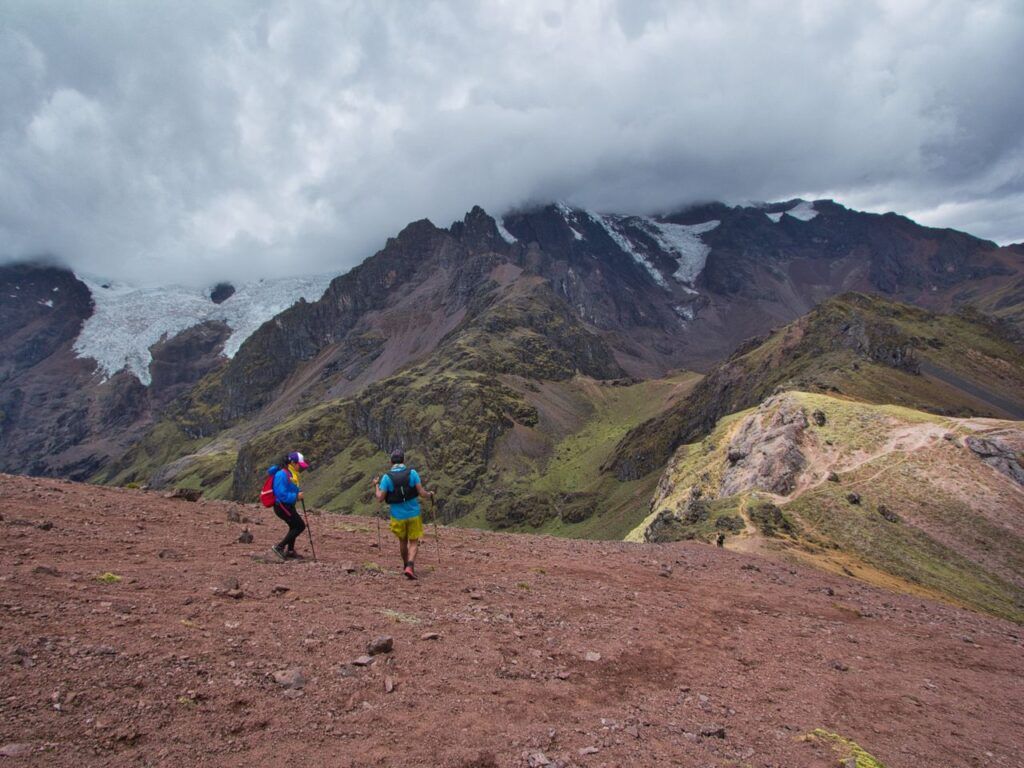
If symptoms begin, stop gaining altitude immediately. Mild cases often improve with rest, fluids and time, but worsening symptoms mean you should descend. The key rule is simple: never continue upward with signs of altitude illness, even if the summit looks temptingly close.
For mild symptoms:
- Stop ascending
- Rest and reduce physical effort
- Drink fluids normally
- Use simple pain relief if needed for headache
- Wait until symptoms fully improve before going higher
For moderate or worsening symptoms:
- Descend at least 300 to 1,000 metres if possible
- Use supplemental oxygen if available
- Seek medical advice
- Consider prescribed medicines such as acetazolamide or dexamethasone only under proper guidance
For signs of HAPE or HACE, descend immediately and seek emergency care. If available, a portable hyperbaric bag can help temporarily when descent is delayed, but it is a bridge, not the finish line.
Can you push through it?
No, pushing through symptoms is a bad idea. Mild symptoms can progress to dangerous forms of altitude illness if you continue climbing. Headache, nausea and fatigue are warnings, not a personality test, and ignoring them can turn a manageable problem into an emergency.
Many severe cases happen because people keep going despite obvious signs that their body is not adapting well. Resting at the same altitude may be enough for mild AMS, but if symptoms worsen while resting, the correct response is descent, not determination.
Before your next mountain adventure
Altitude illness is common, but it is often preventable with a slower itinerary, attention to symptoms and a willingness to change plans. The mountain will still be there tomorrow; your job is to make sure you are too, ideally with enough energy left to enjoy the view.
If your trip includes high places, plan conservatively, know the red flags and treat early symptoms seriously. And if you want to experience iconic mountain destinations with a social group and a smart travel rhythm, take a look at WeRoad group trips for high-altitude adventures around the world.
Medical note: this article is for informational purposes only and does not replace professional medical advice. If you have severe symptoms or pre-existing health conditions, speak with a qualified clinician before travelling.
FAQ
- How long does altitude sickness usually last?
-
Mild symptoms often improve within 24 to 48 hours if you stop ascending and allow your body to acclimatise. If you descend, many people feel better quite quickly. Severe forms can last longer and require urgent medical care.
- What is the first symptom of getting sick at high altitude?
-
The earliest and most common symptom is usually a headache, often followed by nausea, tiredness, dizziness or poor sleep. A new headache after a fast ascent should always be taken seriously.
- Can fit or athletic people still get altitude sickness?
-
Yes. Fitness does not prevent altitude illness. Even strong hikers and endurance athletes can develop symptoms if they ascend too quickly or sleep too high before acclimatising.
- Are over-the-counter medicines enough for altitude sickness?
-
Over-the-counter pain relievers may help with headache, but they do not solve the underlying problem. They should not be used to ignore worsening symptoms. If symptoms persist or intensify, stop ascending and consider descent.
- Do altitude patches work?
-
Evidence for many altitude patches and herbal remedies is limited. They should not replace proven strategies such as gradual ascent, rest days, proper monitoring and medical advice when needed.
- When should I go to the hospital or seek emergency help?
-
Seek urgent help if you have shortness of breath at rest, chest pain, confusion, loss of coordination, slurred speech, blue lips, severe weakness or reduced consciousness. These can indicate life-threatening high-altitude illness.