In a nutshell
- Traveling alone as a woman can be safe, but safety depends less on fear-based myths and more on practical factors like infrastructure, transport reliability, accommodation quality, and your ability to make informed choices throughout the trip.
- The best destinations for solo female travelers are often places with strong public transport, respectful local culture, clear tourism services, and environments where women moving independently do not attract unusual attention.
- Many avoidable risks come from common mistakes, including arriving late without a plan, sharing too much personal information, booking isolated accommodation just to save money, and underestimating the impact of alcohol or distraction.
- Simple routines improve safety significantly: stay connected with mobile data, keep emergency details offline, choose central lodging, use trusted transport, and trust your instincts when a person or situation feels off.
- Solo travel is not the only smart option; if a destination feels too complex or stressful, a group trip can offer more support while still giving you independence, discovery, and a more confident travel experience.
Yes, traveling alone can be safe for women when it is approached with preparation, awareness, and realistic expectations. The goal is not to eliminate every possible risk, because that is impossible anywhere, but to reduce avoidable problems and make better decisions before and during the trip.
Solo travel has a strange PR problem. Mention it at dinner and someone will usually react as if you’ve announced plans to wrestle a crocodile in flip-flops. In reality, many women travel alone every day and do it safely, happily, and with that glorious mix of freedom and “wait, I can choose the restaurant?” energy.
The honest answer is simple: solo travel for women is not automatically unsafe, but it does require strategy. Some destinations are easier than others, some habits are smarter than others, and confidence works best when it travels with common sense in the same backpack.
What safety really means when you travel alone
Safety in solo travel is not just about crime rates. It also includes how comfortable you feel using transport, walking at night, handling attention, finding help quickly, and navigating local customs. A place can look safe on paper but still feel stressful in practice.
That’s why the better question is not whether women can travel alone safely in general, but what makes a trip feel manageable, supportive, and low-risk. Often, the answer is a mix of good infrastructure, respectful local culture, reliable accommodation, and your own ability to stay alert without becoming paranoid. No need to turn into a secret agent; “reasonably switched on” is enough.
How to judge whether a destination is a good fit
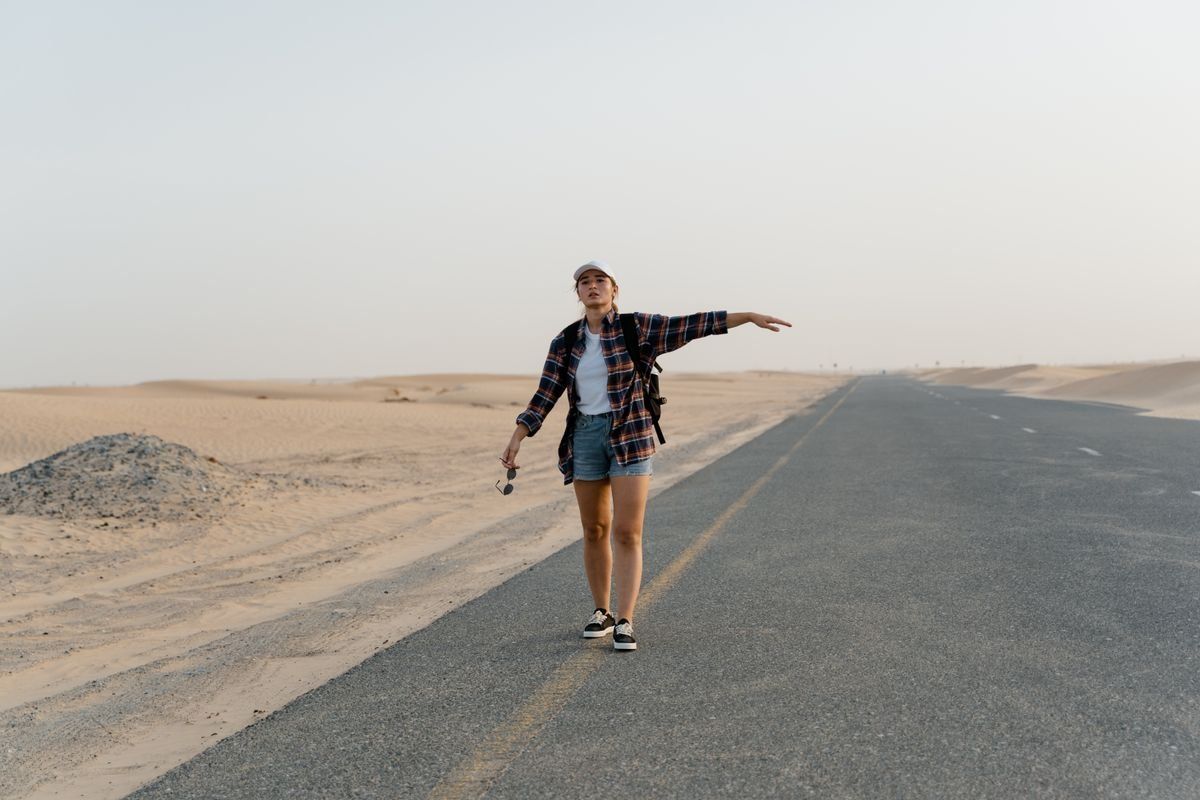
The best destination for a solo trip depends on your experience, comfort level, and travel style. A first-time solo traveler may want a place with easy transport and strong tourism infrastructure, while a seasoned traveler may feel confident somewhere more complex.
Instead of looking for one magical list of “safe countries,” assess each destination through a practical lens. Ask yourself:
- How easy is it to get around? Reliable trains, buses, and ride apps reduce stress.
- Is the destination solo-travel friendly? Places where dining alone and joining activities is normal can feel easier.
- What are local attitudes toward women? Research dress norms, social expectations, and street harassment levels.
- How strong is the tourism infrastructure? Good signage, English support, and verified lodging help a lot.
- Can you stay connected easily? Mobile data, Wi-Fi, and maps matter more than people admit.
For many women, Japan, Portugal, Singapore, Canada, Iceland, and parts of Northern Europe and Western Europe are often considered accessible starting points. That does not mean they are risk-free, only that they usually offer conditions that make solo travel smoother.
Places often considered safer for solo female travelers
Destinations that are frequently described as safer usually share a few traits: low violent crime, good public transport, clear tourist services, and a culture where women moving independently is common. Even then, neighborhood choice and daily habits still matter.
| Destination | Why it often feels easier | Best for |
|---|---|---|
| Japan | Efficient transport, strong public order, helpful systems | First solo trips, city hopping |
| Portugal | Walkable cities, welcoming atmosphere, easy logistics | Europe beginners, relaxed itineraries |
| Singapore | Very organized, clean, and easy to navigate | Urban solo travel, short breaks |
| Iceland | High trust environment, nature-focused travel | Road trips, outdoor lovers |
| Canada | Friendly culture, solid infrastructure, diverse cities | City and nature combinations |
| Slovenia | Compact, calm, easy to explore | Soft-adventure trips, Europe beyond the obvious |
Notice the pattern? These places tend to reduce friction. And when travel feels less chaotic, you have more mental space to notice what matters.
Dreaming of your next solo adventure but not sure where to go? Discover some of the safest countries for solo female travelers, plus practical tips to help you choose the right destination and travel with confidence. Read the full guide and start planning your next adventure.
What should you avoid when traveling on your own
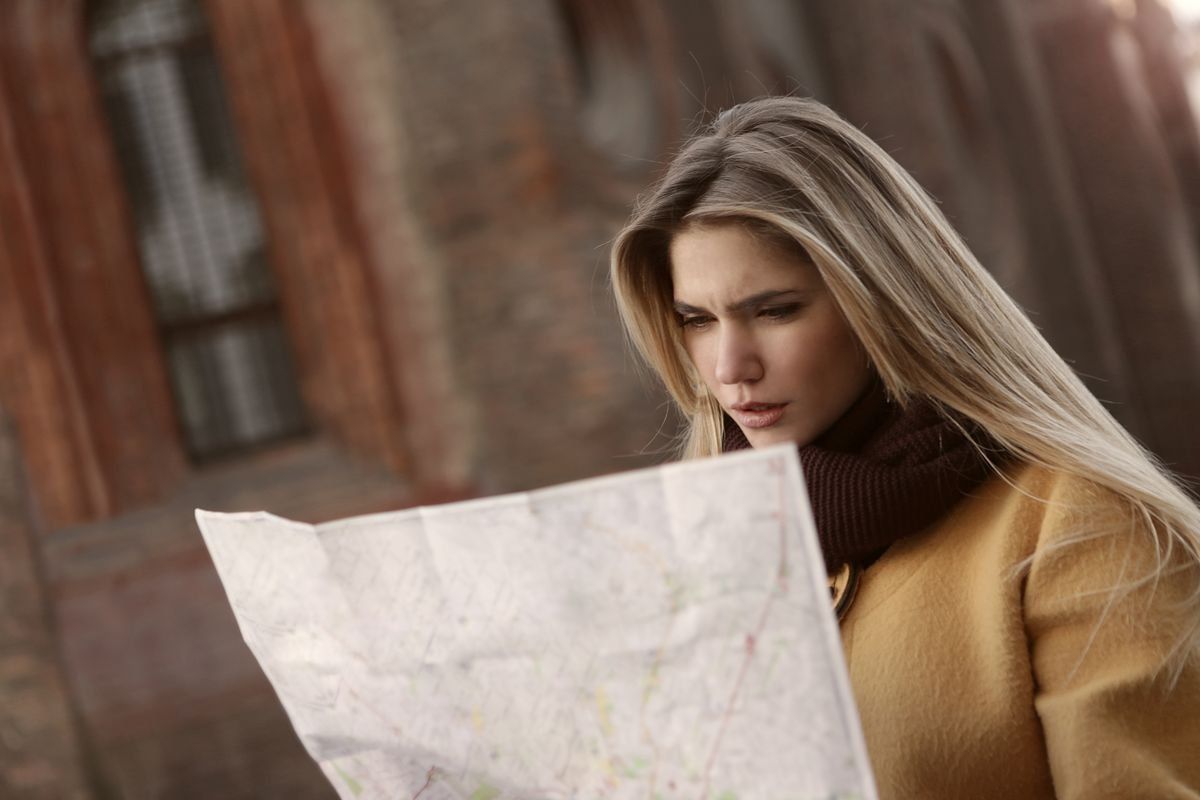
The biggest risks often come from preventable situations rather than dramatic worst-case scenarios. Avoiding a few common mistakes can significantly improve your safety and confidence, especially in the first days of a trip when everything still feels slightly like a game you forgot the rules to.
- Arriving late at night without a plan. Book your first accommodation and know exactly how to reach it.
- Oversharing with strangers. You do not need to tell anyone you are alone, your hotel name, or your full itinerary.
- Getting too intoxicated. Enjoy yourself, but keep enough awareness to get back safely.
- Ignoring local dress and behavior norms. Respecting context can reduce unwanted attention.
- Walking with your phone out constantly. It signals distraction and makes you easier to target.
- Booking ultra-cheap accommodation in isolated areas. A bargain is less exciting when the walk back feels like a horror film trailer.
Practical habits that make solo travel safer
Small routines can make a big difference. The safest solo travelers are not necessarily the bravest or the most experienced; they are often the ones who build consistent habits around transport, communication, accommodation, and situational awareness.
Choose accommodation strategically
Where you stay shapes how safe and confident you feel. Prioritize central, well-reviewed accommodation with 24-hour reception or responsive hosts, especially for your first nights. Read recent reviews from women, not just the overall score.
Look for places close to public transport, cafés, pharmacies, and well-lit streets. Being “just 20 minutes away” can be fine on a map and much less fine when you’re wheeling a suitcase uphill in the dark, negotiating with cobblestones that clearly woke up angry.
Protect your information
Keeping personal details private is a basic but powerful safety habit. Share your live location with someone you trust, keep copies of your documents, and avoid posting your exact real-time location publicly while you are still there.
If someone casually asks whether you are traveling alone, you are allowed to be vague. You can say you’re meeting friends, heading to a tour, or expecting someone soon. Politeness is optional when your instincts are busy doing useful work.
Stay connected
Reliable internet access helps with navigation, transport booking, translations, and emergencies. An eSIM or local SIM can be one of the smartest purchases of the whole trip, right up there with sunscreen and the snack you swore would last three days.
Before leaving, download:
- Offline maps
- Ride-hailing apps used locally
- Translation apps
- Emergency contacts for your destination
- Accommodation address saved offline
Use transport carefully
Transport choices affect safety more than many travelers realize. Pre-book airport transfers if arriving late, use licensed taxis or trusted ride apps, and sit near other passengers on trains or buses when possible.
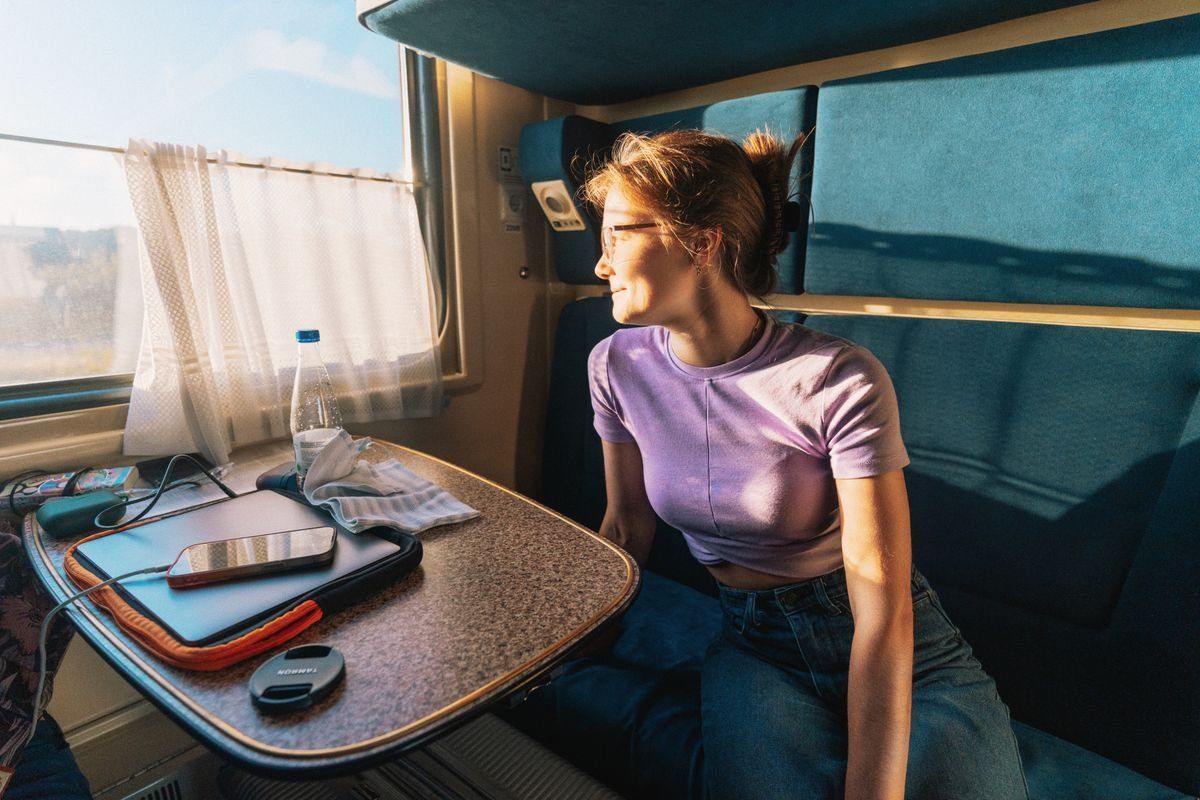
On overnight trips, choose reputable operators and keep valuables close to your body. If a situation feels off, change carriage, move seats, or get out at a busy stop. You do not need courtroom-level evidence to trust a bad vibe.
The riskiest destination is not always a country
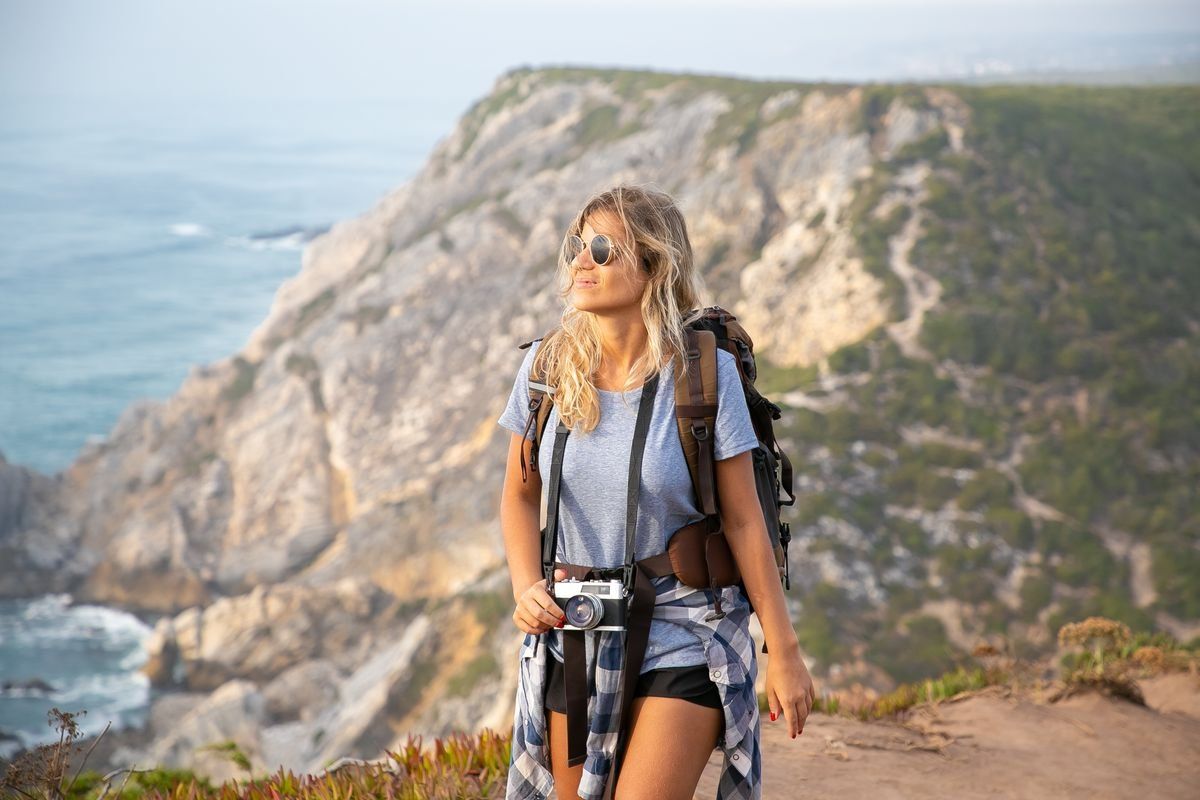
There is no single country that is universally the riskiest for women traveling alone. Risk changes by city, neighborhood, time of day, transport options, local scams, and your own experience level. Broad rankings can oversimplify what is actually a very personal calculation.
A tourist-heavy district in a generally safe country may be known for pickpocketing and scams. Meanwhile, a country with a mixed reputation may include cities or regions where solo travelers feel completely comfortable. The smart move is to research specific areas, arrival logistics, and local behavior norms, not just headlines or sweeping labels.
Planning a solo trip around Europe? Discover the best destinations for solo female travelers, along with practical safety tips, budgeting advice and planning essentials to make your adventure easier and more enjoyable. Read the full guide and start planning your European journey with confidence.
Confidence matters, but preparation matters more
Confidence helps you move through the world more smoothly, but preparation is what supports that confidence when something unexpected happens. You do not need to look fearless. You need to know what to do if your phone dies, your taxi gets confusing, or your hostel suddenly seems less charming than advertised.
Create a short personal safety system before every trip:
- Save emergency numbers and embassy details
- Keep a backup payment method separate from your wallet
- Share your rough itinerary with one trusted person
- Plan your arrival route before landing
- Know the local cultural basics around dress and etiquette
That kind of prep is not overthinking. It is the travel equivalent of bringing an umbrella and therefore magically preventing rain.
When solo travel might not be the best option
Traveling alone is not always the right choice for every person, trip, or moment in life. If you are dealing with severe anxiety, burnout, health concerns, or a destination that feels too advanced for your current comfort level, there is no prize for forcing it.
Sometimes the smartest option is to choose a small-group trip, a shorter itinerary, or a destination that feels more familiar. That still counts as being adventurous. It just means you are matching the trip to your needs instead of trying to cosplay as an ultra-zen backpacking guru with no sleep and a broken charger.
A smart way to travel with more support
If you want independence without doing absolutely everything alone, group travel can offer a strong middle ground. It reduces logistical stress, gives you built-in company, and can feel especially reassuring in destinations where navigating transport or local customs is more demanding.
You still get discovery, spontaneity, and that lovely “I can’t believe I’m here” feeling, but with a support system built in. And honestly, sometimes it’s nice not to be the sole CEO of maps, timing, dinner plans, and emotional support.
If you want a way to explore the world with more confidence, discover WeRoad group trips and find an itinerary that lets you travel boldly, without handling every detail on your own.
Solo travel can be safe for women when the destination fits your comfort level, your planning is solid, and your instincts stay in the driver’s seat. Freedom is wonderful. Freedom with a charged phone and a good plan is even better.
FAQ
- What is the safest place to travel as a single woman?
-
There is no single best answer for everyone, but destinations like Japan, Singapore, Iceland, Portugal, and Canada are often seen as strong options thanks to good infrastructure, easy transport, and environments that feel manageable for solo travelers.
- Which country is best for solo female travel?
-
The best country depends on your travel style. Japan is excellent for structure and ease, Portugal is great for a relaxed European trip, and Iceland suits nature lovers who want a calm, organized experience.
- What should I avoid when traveling solo?
-
Avoid arriving without an accommodation plan, oversharing personal details, walking distracted in unfamiliar areas, and booking lodging based only on price. It is also wise to avoid getting too intoxicated when you are alone and far from your base.
- Is it okay to tell people you are traveling alone?
-
Only when you feel comfortable. In casual or uncertain situations, it is perfectly fine to be vague. You are not required to share personal information with strangers, especially drivers, vendors, or people who make you uneasy.
- How can I feel more confident on my first solo trip?
-
Start with a destination that is easy to navigate, book your first nights in a central area, plan your arrival carefully, and keep your itinerary simple. Confidence usually grows from preparation, not from pretending you are never nervous.