In a nutshell
- Choose the right backpack first: a lightweight, comfortable bag in the 30L to 45L range is usually ideal, especially if it has a clamshell opening, supportive straps, and a size that discourages overpacking.
- Build your packing list around real needs: plan for weather, activities, and laundry access, then create a small mix-and-match wardrobe instead of packing one outfit per day.
- Pack by structure and weight: place heavier items close to your back, keep less-used items at the bottom, and store travel essentials in quick-access pockets to make moving through airports and stations much easier.
- Use smart space-saving methods: combine packing cubes, rolling, folding, and compression depending on the type of clothing, and limit shoes and toiletries to practical, versatile essentials.
- Follow simple rules to avoid overpacking: frameworks like the 5-4-3-2-1, 3-3-3, and 3-5-7 methods help keep your load realistic, organized, and comfortable for the whole trip.
Packing a travel backpack sounds easy until your room looks like a gear explosion, your socks disappear into another dimension, and your bag refuses to close by exactly two dramatic centimeters. The good news? A well-packed backpack is less about magic and more about method.
Whether you are heading off for a weekend city break, a multi-country adventure, or a long group trip, the aim is always the same: bring what you need, skip what you do not, and keep your bag comfortable to carry. Here is how to pack smart, save space, and avoid turning every transfer into a full-body workout.
Start with the right backpack
The best packing strategy begins with choosing a backpack that matches your trip length, travel style, and airline limits. A bag that is too large encourages overpacking, while one that is too small can make organization difficult. Comfort, access, and weight distribution matter as much as capacity.
Before you even think about clothes, check these essentials:
- Size: 30L to 45L works well for most trips
- Weight: choose a lightweight backpack so the bag itself does not eat into your limit
- Opening style: clamshell designs are easier to organize than top-loading bags
- Support: padded shoulder straps, sternum strap, and hip belt help on longer travel days
- Compartments: enough to stay organized, but not so many that you forget where you put your charger
If you can, try the backpack on before traveling. A stylish bag that destroys your shoulders after 20 minutes is not a travel companion. It is a revenge plot.
Plan your packing list before you pack
A packing list helps you focus on what you will actually use based on weather, activities, and trip length. It prevents duplicate items, reduces last-minute panic, and makes it easier to keep your load manageable. Good packing starts with editing, not stuffing.
Ask yourself three simple questions:
- Where am I going? Think climate, culture, and season.
- What will I be doing? Hiking, city walking, beach days, dinners out?
- How often can I wash clothes? Laundry access changes everything.
Instead of packing one outfit for every day, build a small set of mix-and-match clothing. This is the secret behind traveling lighter without looking like you have worn the same T-shirt since Tuesday. Even if, technically, you have.
How to organize a backpack properly
The most efficient way to pack is to place items by weight, frequency of use, and purpose. Heavier items should sit close to your back for balance, while frequently used essentials should stay easy to reach. This reduces strain and keeps your bag functional on the move.
A simple backpack layout works like this:
- Bottom section: less-used soft items like sleepwear or spare layers
- Middle, close to your back: heavier items such as shoes, toiletry bag, or tech pouch
- Top section: things you need often, like a hoodie, snacks, or travel documents
- Outer pockets: water bottle, charger, passport pouch, tissues, hand sanitizer
Think of your bag like a tiny apartment. You want everything in the right room, not your toothbrush living with your sandals for no good reason.
Use packing cubes for structure
Packing cubes make it easier to separate categories, compress clothing, and unpack quickly. They also help maintain order throughout the trip, especially when moving between hotels, hostels, trains, and airports. For many travelers, cubes are the difference between neat and chaotic.
Try dividing your things like this:
- Cube 1: tops
- Cube 2: bottoms and dresses
- Cube 3: underwear, socks, sleepwear
- Pouch: cables and electronics
- Toiletry bag: liquids and personal care
Compression cubes can save even more space, but do not overdo it. If your backpack ends up shaped like a brick, your back may file a formal complaint.
Roll, fold, or compress?
The best method depends on the type of clothing and the available space in your bag. Rolling works well for casual wear and helps with visibility, folding is better for structured garments, and compression is the most effective for reducing bulk.
Here is a practical breakdown:
- Roll: T-shirts, leggings, gym clothes, pajamas
- Fold: button-down shirts, trousers, dresses that wrinkle easily
- Compress: sweaters, jackets, bulky layers using compression cubes or bags
So, is it better to roll or fold clothes in a backpack? Usually, rolling is more space-efficient for soft everyday items, while folding protects more structured pieces. In real life, most smart packers use both.
What to pack in a travel backpack
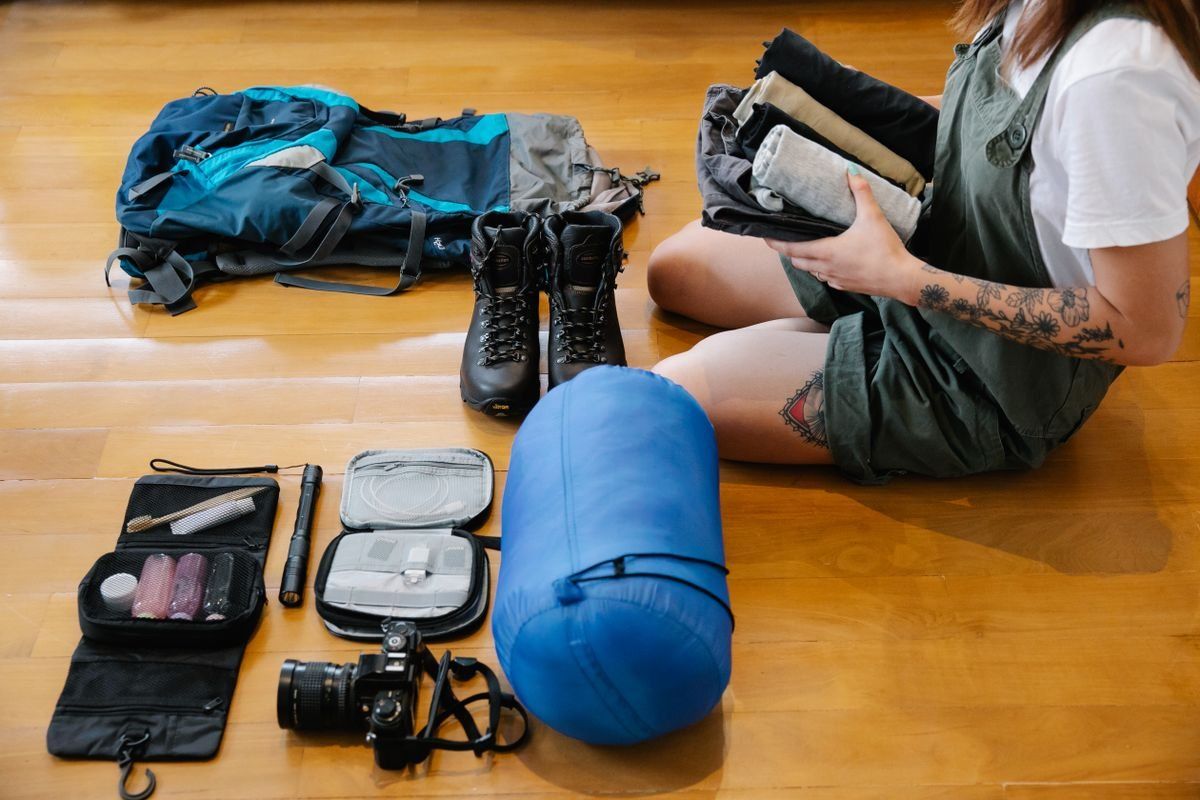
A solid packing list should cover clothing, toiletries, documents, tech, and a few practical extras without overloading your bag. The key is selecting versatile essentials that suit multiple situations rather than packing for every hypothetical scenario.
Here is a balanced checklist for most trips:
Clothing essentials
A small wardrobe with layers is easier to manage, easier to carry, and usually enough for trips of one to two weeks if you can do laundry once. Focus on comfort, versatility, and quick-drying fabrics.
- 4 to 6 tops
- 2 to 3 bottoms
- 1 lightweight jacket or fleece
- 1 rain layer if needed
- Underwear and socks for 5 to 7 days
- Sleepwear
- 1 outfit for evenings or special plans
Shoes and bulky items
Shoes take up a lot of space, so keeping them to a minimum makes a major difference. Wear the bulkiest pair in transit and pack only what supports the activities you have actually planned.
- Wear: sneakers or walking shoes
- Pack: sandals, flip-flops, or a second lightweight pair if truly necessary
Three pairs of shoes may be useful on some trips, but two is often enough. Any more than that and your backpack starts becoming a shoe showroom.
Toiletries and liquids
Toiletries should be compact, leak-proof, and limited to what you need for the first days or for the full trip if access will be difficult. Travel-size products and multi-use items save both weight and space.
- Toothbrush and toothpaste
- Shampoo or soap bar
- Deodorant
- Sunscreen
- Skincare basics
- Any medications
If you are flying carry-on only, always check the airline liquid rules. Nobody enjoys saying goodbye to an expensive face cream at security.
Packing rules that actually help
Simple packing formulas can make decisions easier and stop you from throwing in too many backups. These rules are not strict laws, but they are useful frameworks for keeping things realistic and light.
One popular method is the 5-4-3-2-1 packing rule. It usually means:
- 5 tops
- 4 bottoms
- 3 pairs of shoes
- 2 dresses or layering pieces
- 1 set of key accessories
Another approach is the 3-3-3 packing rule, often used for minimalist travel: three tops, three bottoms, and three pairs of shoes. It encourages a tight, repeatable wardrobe.
You may also hear about the 3-5-7 rule, which often refers to three tops, five underwear sets, and seven small essentials or accessories, though versions vary. The value of these systems is not mathematical perfection. It is restraint. They stop you from packing for an imaginary fashion week when you are really going on a six-day trip.
Keep essentials accessible
Items you need during travel days should be stored in a separate, easy-to-reach area. This saves time in airports, stations, and bus terminals, and prevents you from digging through your entire backpack in public whenever you need one small thing.
Create a quick-access zone for:
- Passport and wallet
- Phone charger or power bank
- Water bottle
- Headphones
- Snacks
- Medication
- Travel documents
If you are taking a long-haul flight or train, consider a small personal item or daypack for the things you want during the journey. Your future self, half-asleep and looking for lip balm in seat 24A, will be grateful.
Mistakes to avoid when packing
Most packing problems come from bringing too much, packing without a system, or ignoring comfort and access. Avoiding a few common mistakes can make your backpack easier to carry, easier to unpack, and much more pleasant to travel with.
- Overpacking “just in case” items
- Choosing heavy clothes that dry slowly
- Packing too many shoes
- Putting heavy items far from your back
- Leaving no room for snacks, souvenirs, or laundry
- Skipping a small laundry bag for dirty clothes
A good rule: if an item has only one very unlikely use, leave it at home unless it is essential. Your backpack is for travel, not for preparing for every possible plot twist.
Travel lighter, move better
Packing a backpack well is really about mobility, comfort, and freedom. When your bag is organized and light enough to carry easily, travel days become smoother, transitions feel simpler, and you spend less time managing stuff and more time enjoying the trip.
A smart setup means you can walk farther, board faster, and avoid the classic backpacker shuffle of crouching on the hostel floor trying to remember where you put your socks. Pack with intention, edit ruthlessly, and keep things simple.
And if you want to test your packing skills on a real adventure, discover WeRoad group trips and find the perfect journey to put your newly organized backpack to work.
FAQ
- What is the 5 4 3 2 1 packing trick?
-
It is a simple packing formula designed to limit how much you bring. A common version includes 5 tops, 4 bottoms, 3 pairs of shoes, 2 layering or dressier items, and 1 set of accessories. It is useful as a guide, not a strict rule.
- What is the 3-3-3 rule for travel packing?
-
The 3-3-3 rule usually means packing 3 tops, 3 bottoms, and 3 pairs of shoes. It is a minimalist approach that helps build multiple outfits from a small capsule wardrobe and works especially well for short trips or carry-on travel.
- Is it better to roll or fold clothes in a backpack?
-
It depends on the clothing. Rolling is usually better for soft casual items because it saves space and makes items easier to see. Folding works better for structured or wrinkle-prone clothes. For the best result, use a combination of both methods.
- What is the 3-5-7 rule in packing?
-
The 3-5-7 rule can vary, but it often refers to packing 3 tops, 5 sets of underwear or small essentials, and 7 total key clothing or accessory items. Like other packing formulas, it is meant to simplify decisions and reduce overpacking.
- How heavy should a travel backpack be?
-
As a general rule, your backpack should be as light as possible while still covering your essentials. For most travelers, staying under 10 kg is a comfortable target for carry-on travel, though ideal weight depends on your size, strength, and itinerary.
- How many outfits should I pack for a 7-day trip?
-
You usually do not need seven full outfits. A better plan is packing enough versatile clothing for 4 to 5 days, then rewearing items or doing laundry if needed. Layering and mixing pieces will give you enough combinations without overloading your bag.