

In a nutshell
- Vaccinations for Africa depend on your exact itinerary, not just the continent itself: country, region, season, trip length, transit stops, and travel style all influence what is required or recommended.
- Yellow fever is the key vaccine to check first because it may be legally required for entry in some countries or requested if you arrive from, or even transit through, a yellow fever risk area; the certificate usually becomes valid 10 days after vaccination.
- The most common recommended vaccines for many travelers include routine boosters such as MMR, tetanus-diphtheria-pertussis, polio, flu, plus hepatitis A, often typhoid, and in some cases hepatitis B, rabies, meningitis, or cholera.
- Safari travelers often need extra planning because remote areas, food and water exposure, animal contact, and malaria zones can all increase risk; the total number of shots varies according to previous vaccination history and route.
- Vaccines are only part of travel health protection: malaria prevention, mosquito bite avoidance, safe food and water habits, and avoiding contact with animals remain essential even when all recommended shots are done.
Africa can offer completely different travel experiences: a sunrise safari, a coastal road trip, a few days exploring Cape Town, gorilla trekking in Rwanda, or a desert adventure in Morocco. That’s why there’s no single answer when it comes to vaccinations for Africa. What you need will depend on where you’re going, the route you’re taking, the time of year, the activities you have planned, and how long you’ll be away.
Before we get to the practical list, here is the most important thing to know: some vaccines are required for entry, while others are strongly recommended to reduce health risks during the trip. A zebra crossing may be easy to spot; vaccine rules, slightly less so. Let’s make them clearer.
What to know before planning vaccines for Africa
Africa is not a single medical-risk zone. Vaccine advice changes by country, region, transit itinerary, and travel style. Some destinations only require routine boosters, while others may require yellow fever certification or malaria prevention. A travel clinic or doctor should review your itinerary at least 4 to 8 weeks before departure.
In practice, that means two travelers heading “to Africa” may need very different preparation. Someone visiting South Africa for Cape Town and the Garden Route may have different needs than someone traveling through Ghana, Uganda, Kenya, or Tanzania. Add stopovers, rural stays, volunteering, camping, or animal exposure, and the checklist grows fast.
- Destination: West, East, Central, North, and Southern Africa have different risks.
- Route: Transit through a yellow fever risk country can trigger certificate checks.
- Trip style: Luxury lodge, backpacking, family visit, overland tour, or safari all matter.
- Length of stay: Longer trips may increase exposure risk.
- Season: Mosquito-borne disease risk can vary.
- Personal health: Age, pregnancy, chronic conditions, and vaccine history all count.
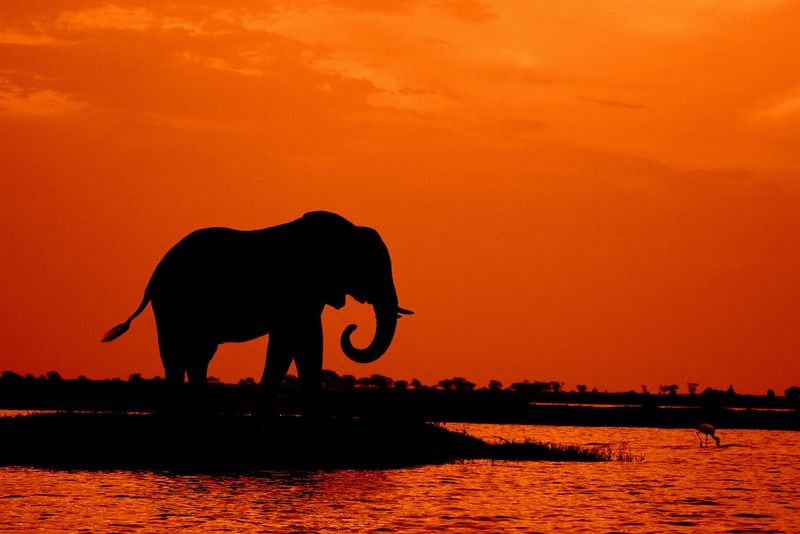
Yellow fever: the vaccine most travelers ask about
Yellow fever is the best-known travel vaccine for Africa because in some countries it is not just recommended, it is an entry requirement. The vaccine usually needs to be administered at least 10 days before arrival, and travelers may need an official vaccination certificate.
This matters especially in parts of West and Central Africa, where yellow fever transmission risk is higher. Some countries require proof of vaccination from all arriving travelers, while others ask for it only if you are coming from, or transiting through, a country with yellow fever risk.
That second part catches people off guard. You might be heading to a country where yellow fever is not generally required, but a long airport stop in another country can change the rules. Travel bureaucracy loves a plot twist.
When yellow fever may be required
Yellow fever requirements depend on entry rules, not just medical advice. Some countries require the certificate for all travelers, while others require it only after travel through risk areas. Always verify both your destination and transit countries before departure.
- Travel to countries with active or recognized yellow fever transmission risk.
- Entry from a country where yellow fever is present.
- Airport transit over a certain number of hours in a risk country, depending on local regulations.
- Multi-country itineraries across East, West, and Central Africa.
Because rules can change, always check official health sources and consular guidance shortly before departure. Border officers are not known for accepting “but I read something else online” as a compelling medical argument.
Recommended vaccines for many trips to Africa
Most travelers to Africa should review a core list of recommended vaccines even when no entry requirement applies. These commonly include routine boosters, hepatitis A, typhoid, and often hepatitis B. Depending on the destination and activities, rabies, meningitis, cholera, or polio boosters may also be advised.
Here is the typical vaccine conversation you will have with a travel health professional:
Routine vaccines and boosters
Routine immunizations should be fully up to date before any international trip. This includes vaccines that may feel “standard” at home but remain important for travel because exposure patterns and outbreaks can differ from country to country.
- MMR (measles, mumps, rubella)
- Tdap/Td (tetanus, diphtheria, pertussis)
- Polio
- Influenza
- COVID-19, according to current recommendations
Measles in particular remains a key issue for international travel, so being fully protected matters more than many people think.
Hepatitis A and hepatitis B
Hepatitis A is widely recommended for travel to Africa because it can spread through contaminated food or water. Hepatitis B is commonly advised for travelers with longer stays, close contact with local communities, potential medical care abroad, or possible exposure to blood or body fluids.
Even careful travelers can be exposed through everyday situations: food, dental emergencies, minor accidents, or unexpected medical treatment. Not exactly the souvenir collection anyone hopes to bring home.
Typhoid
Typhoid vaccination is often recommended for travelers visiting smaller cities, rural areas, local markets, or places where food and water hygiene may be inconsistent. It is especially relevant for adventurous eaters, and yes, “I only had one street snack” still counts.
Rabies
Rabies pre-exposure vaccination may be recommended if you will spend time in remote areas, work with animals, hike extensively, or have a higher chance of bites or scratches. It does not remove the need for urgent care after exposure, but it simplifies management.
This is particularly worth discussing for long overland trips, rural stays, volunteer projects, and wildlife-heavy itineraries. Cute monkeys, stray dogs, and curious mammals do not always share your boundaries.
Meningitis and cholera
Meningococcal vaccination may be recommended for travel in parts of Sub-Saharan Africa, especially in the so-called meningitis belt and during the dry season. Cholera vaccine is more selective and usually advised only for specific destinations, outbreaks, or higher-risk travel conditions.
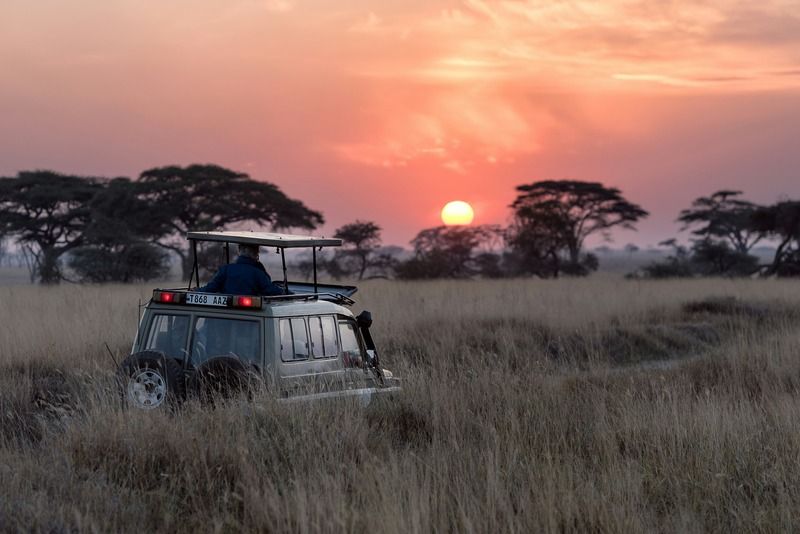
Safari trips and vaccine planning
A safari often requires the same core vaccines recommended for other trips to Africa, but with extra attention to typhoid, hepatitis A, rabies risk, and malaria prevention. The exact number of shots depends on your vaccination history, country, season, and whether your safari includes rural or remote areas.
Many travelers ask how many shots they need for an African safari. There is no universal number, because some people are already updated on routine vaccines, while others need several boosters plus destination-specific vaccines. A simple city stay and a multi-country bush expedition are not playing the same game.
- For a short safari, you may only need routine updates plus hepatitis A and typhoid.
- For a multi-country safari, yellow fever may be required depending on the route.
- For remote camps or frequent animal exposure, rabies may be discussed.
- For malaria areas, prescription prevention is often essential.
Country differences across Africa
Vaccine requirements vary widely across Africa. Some countries may not require any specific vaccine for direct arrivals from low-risk countries, while others enforce yellow fever rules strictly. Recommendations can still apply even when no official proof is needed at the border.
| Area | Common vaccine focus | Notes |
|---|---|---|
| West Africa | Yellow fever, typhoid, hepatitis A, meningitis | Yellow fever requirements are more common |
| Central Africa | Yellow fever, typhoid, hepatitis A, hepatitis B | Often higher need for mosquito-borne disease prevention |
| East Africa | Typhoid, hepatitis A, rabies in some cases, yellow fever depending on route | Rules may depend on transit country as much as destination |
| Southern Africa | Routine vaccines, hepatitis A, typhoid, malaria prevention in some areas | Yellow fever may be required only in specific travel scenarios |
| North Africa | Routine vaccines, hepatitis A, typhoid depending on itinerary | Requirements are often lighter, but advice still varies by trip style |
For example, Americans traveling to South Africa generally do not need a vaccine just to enter when arriving directly from the United States. However, recommended vaccines such as hepatitis A, typhoid, routine boosters, and in some cases malaria medication still need to be considered. If the itinerary includes travel through a yellow fever risk country, proof of yellow fever vaccination may be requested.
When is the Best Time to Visit South Africa? A Complete Guide
Vaccines are not the whole story
Vaccines protect against some important diseases, but not all travel health risks in Africa can be prevented with a shot. Food safety, water precautions, insect bite prevention, and avoiding animal contact remain essential parts of staying healthy during the trip.
In other words, yes, get the right vaccines, but also do the unglamorous genius-level basics:
- Use mosquito repellent and wear long sleeves in risk areas.
- Ask your doctor whether you need malaria tablets.
- Drink safe water and be mindful with raw foods and ice.
- Avoid swimming in unsafe freshwater where parasites may be present.
- Do not touch unfamiliar animals, even if they look friendly, sleepy, or Instagram-ready.
When to book your travel health appointment
The ideal time to book a travel vaccine consultation is at least 4 to 8 weeks before departure. This allows time for vaccines to become effective, for multi-dose schedules if needed, and for any documentation such as yellow fever certificates.
If your trip is coming up soon, do not panic. Last-minute appointments can still be useful because some protection is better than none, and a doctor can advise what still makes sense. But if possible, avoid turning vaccine planning into a dramatic airport-side subplot.
Travel smart, then enjoy the adventure
The best vaccine plan is a personalized one based on your exact route and health history. Africa offers wildly different experiences, and your preparation should reflect that. Official recommendations can change, so always confirm the latest country-specific advice before flying.
Once the health prep is sorted, you can focus on the good stuff: wildlife sightings, epic landscapes, unforgettable people, and that unbeatable feeling of waking up somewhere completely new. And if you want to experience the continent with the right mix of adventure and company, have a look at the WeRoad group trips in Africa and find the itinerary that fits your travel style.
FAQ
- What vaccinations do I need for an African safari?
-
For many safari trips, travelers are advised to be up to date on routine vaccines, plus commonly recommended shots such as hepatitis A and typhoid. Depending on the country and itinerary, you may also need yellow fever, rabies, or malaria prevention. A safari in one country is very different from a multi-country overland route, so medical advice should be personalized.
- Which African countries do not require vaccination?
-
Some African countries do not require a specific vaccine for direct arrivals from low-risk countries, but that does not mean no vaccines are recommended. Entry rules and health advice are different things. For example, a destination may not require proof at the border, while still strongly recommending vaccines like hepatitis A or typhoid.
- How many shots do you need for an African safari?
-
There is no fixed number. If your routine vaccinations are already up to date, you may only need one or two additional travel vaccines. If not, you could need several boosters and destination-specific shots. The number depends on your medical history, the countries visited, your stopovers, and whether your doctor recommends vaccines like yellow fever or rabies.
- Do Americans need vaccines to visit South Africa?
-
Americans traveling directly to South Africa generally do not need a mandatory vaccine just for entry. However, recommended protection may still include routine boosters, hepatitis A, typhoid, and malaria medication for certain areas. If you arrive from a country with yellow fever risk, proof of yellow fever vaccination may be required.
- How far in advance should I get vaccines before traveling to Africa?
-
It is best to book a travel health appointment 4 to 8 weeks before departure. This gives enough time for vaccines to work properly, for multi-dose schedules if necessary, and for any official documentation such as a yellow fever certificate. If you are leaving sooner, it is still worth seeing a travel clinic.