Organised tours to Zanzibar
The scent of cloves drifting through the alleys of Stone Town, dhow sails heading home at sunset, the low tide at Paje leaving sand as far as you can see. Zanzibar runs on pole pole. Discover WeRoad's group trips to Zanzibar.
Book with confidence
Book with $ 0
Lock in your spot and only pay once it's confirmed
Free changes
Switch dates or destination within 31 days, at no extra cost
Maximum Flexibility
With Flexible Cancellation, cancel up to 8 days before
Pay in installments
Spread the cost over time, interest-free
Group Trips to Zanzibar
Stone Town alleys, Nungwi sunsets, Paje kitesurfing and Jozani's monkeys
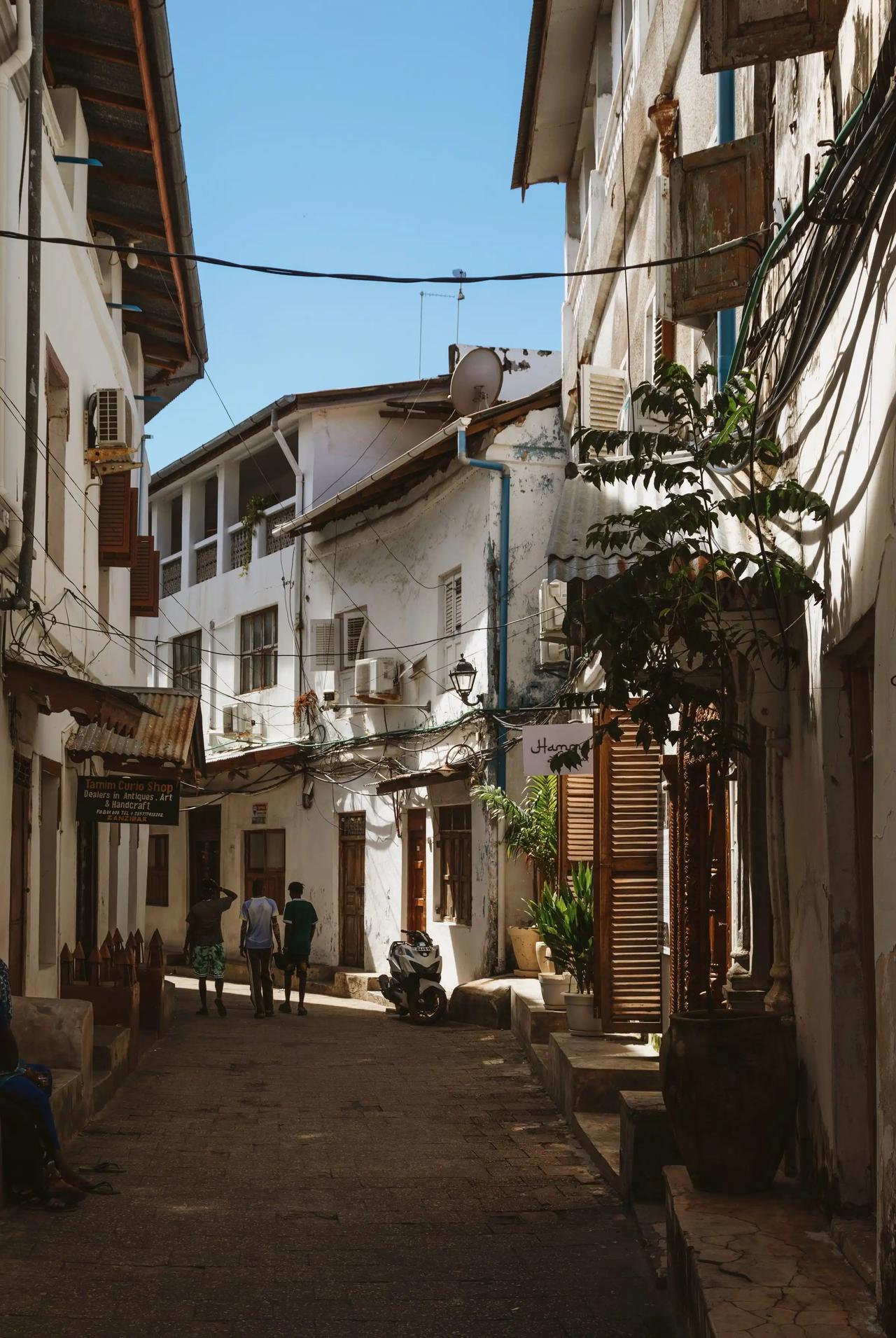
Stone Town is the historic heart of Zanzibar and a UNESCO World Heritage Site: narrow alleys, carved wooden doors, the Old Fort and the Anglican cathedral built where the slave market once stood. It's the right base for history and Swahili culture, with nearby islands minutes away by boat.
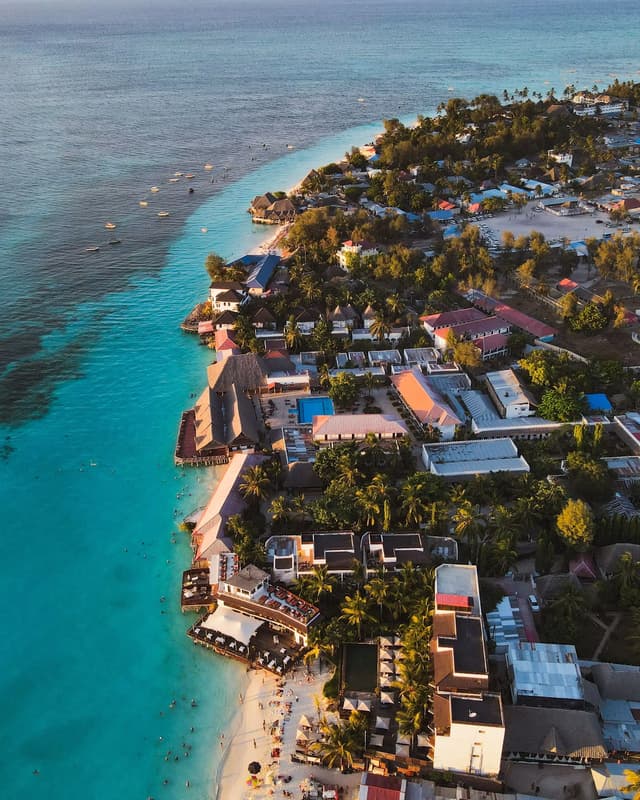
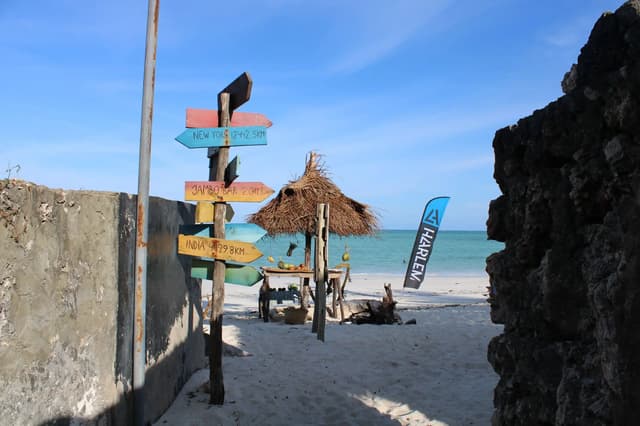
In the north, Nungwi and Kendwa have beaches where the tide barely matters, carpenters building dhows by hand on the sand and a sunset that's a daily ritual. On the east coast the tide changes everything: at low tide the seaweed farms appear, at high tide you swim in the lagoon. Paje is the kitesurfing spot, Jambiani is quieter.
In the south-central part of the island, Jozani Forest is Zanzibar's only national park and home to red colobus monkeys found nowhere else. Farther south, Kizimkazi is a fishing village with one of the oldest mosques in East Africa. Ideal if you love nature and village life.
From the WeRoad blog


Zanzibar travel guide
When to visit Zanzibar
The driest season runs from June to October, with temperatures of 79-86°F and calm seas on the north coast. December to February is hotter and another good window, perfect for snorkeling. April and May bring the long rains, while November has the short rains, with downpours that pass quickly.
What to see and do
In the evening, try the street food stalls at Forodhani Gardens; by day, take a boat to Prison Island and its Aldabra giant tortoises, then out to the Nakupenda sandbank. Add a spice tour among cloves, nutmeg and cinnamon, snorkeling at Mnemba atoll and a dhow trip in Menai Bay. In Stone Town, Darajani market trades spices, fish and tropical fruit, and Freddie Mercury's childhood home is a short walk from the seafront. North of town, the Mangapwani caves recall the slave trade era, the Mnarani pool in Nungwi protects sea turtles, and at Michamvi The Rock is a restaurant on an outcrop in the sea, reached by boat at high tide.
Getting around and local customs
Zanzibar mostly means Unguja, the main island, about 53 miles long: distances are short but roads are slow, and getting from Stone Town to the northern or eastern beaches takes 60 to 90 minutes. Most people are Muslim and Swahili culture sets the pace: in Stone Town and the villages cover your shoulders and knees, and during Ramadan opening hours change. The motto is pole pole, slowly slowly, and a jambo or an asante at the right moment opens plenty of doors.
Food and money
The food blends Africa, India and the Arab world: octopus curry, mishkaki skewers and Zanzibar pizza, cooked on a hotplate at the evening markets. You pay in Tanzanian shillings, but US dollars are almost always accepted at hotels and tourist businesses; carry cash for markets and small purchases. Traveling with a group brings together beaches, culture and time on the water without thinking about transfers and boats.