In a nutshell
- Zanzibar offers much more than beaches: the island combines Stone Town’s history, spice-farm culture, marine excursions and unique wildlife, making it a destination that suits both relaxation and active exploration.
- Stone Town is a must-visit for its UNESCO-listed heritage, carved doors, local markets, seafront atmosphere and important historical sites such as the former slave market, the Old Fort and Forodhani Gardens.
- The island’s beaches vary by vibe and function: Nungwi and Kendwa are ideal for swimming and sunsets, while Paje, Jambiani and Michamvi offer kitesurfing, quieter stays and scenic low-tide landscapes.
- Boat trips are one of the top experiences, especially to Nakupenda, the temporary sandbank reachable only by boat, often combined with Prison Island; Mnemba Atoll is also a leading spot for snorkeling and diving.
- A well-rounded Zanzibar itinerary should include a spice tour, a visit to Jozani Forest to see the Zanzibar red colobus monkey, and time for local food, while keeping an eye on tides, transport times and ethical tour choices.
Zanzibar, Tanzania, is the kind of place that seems designed to make real life feel temporarily optional. Between turquoise water, centuries of history, fragrant spice farms and slow coastal sunsets, the island offers far more than a classic beach break. If you are planning your trip and wondering about the best things to do in Zanzibar, the answer includes a mix of culture, nature, food and sea adventures that fit almost every travel style.
Some travelers come here to switch off under a palm tree. Others want to wander through old alleyways, snorkel over coral reefs, or chase the perfect seafood lunch with sand between their toes. The good news is that Zanzibar lets you do all of that in one trip, without making you feel like you need a vacation after your vacation. Very considerate island, really.
Why Zanzibar is worth visiting
Zanzibar is worth visiting because it combines white-sand beaches, a UNESCO-listed historic center, marine excursions and a strong cultural identity in one compact destination. You can spend the morning exploring Stone Town, the afternoon swimming in the Indian Ocean and the evening eating grilled seafood by the water.
What makes Zanzibar memorable is its variety. It is known for its beaches, of course, but also for its role in the spice trade, its Swahili-Arab heritage and its atmospheric towns and villages. The island works well for couples, groups of friends and curious travelers who want more than just a resort wristband and a suspiciously cheerful buffet.
Explore Stone Town, the cultural heart of Zanzibar
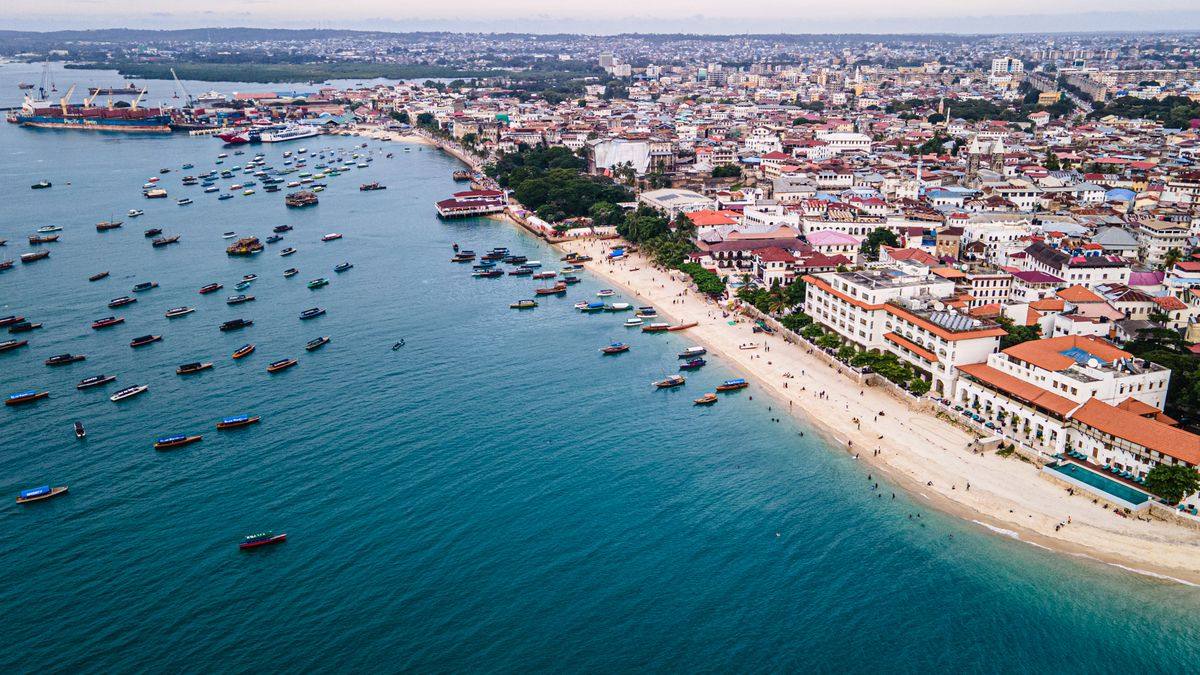
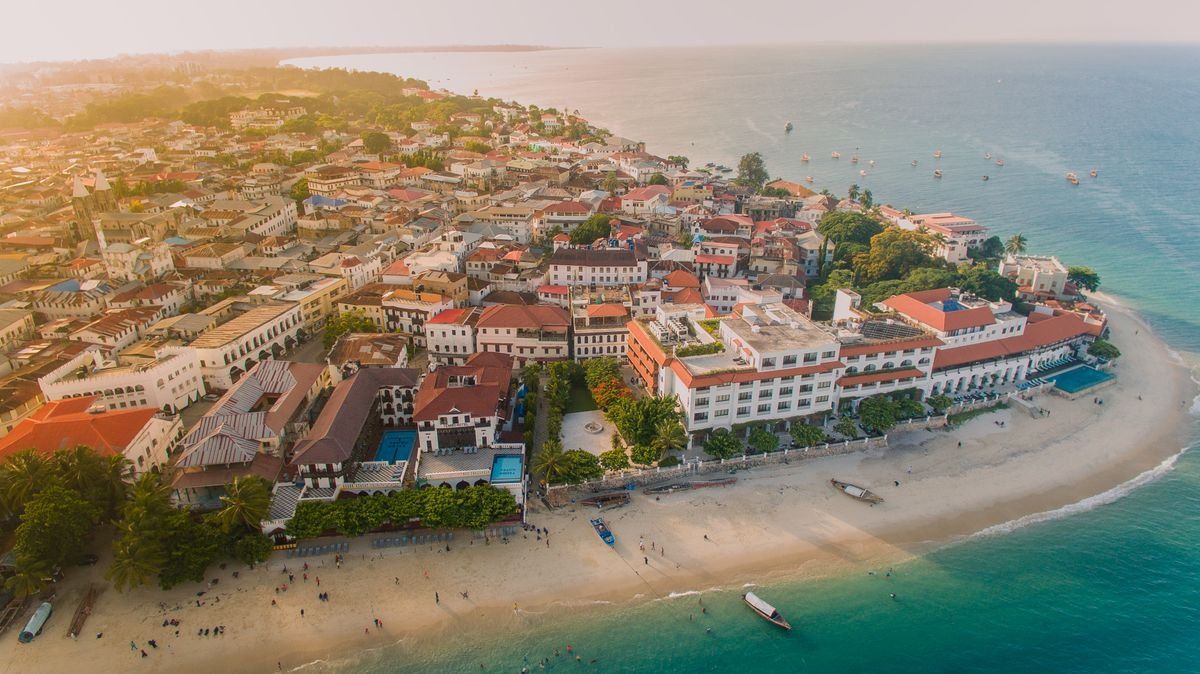
Stone Town is the essential cultural stop on the island. Its narrow streets, carved wooden doors, old coral-stone buildings and seafront landmarks reveal centuries of trade, migration and cultural exchange. Even a short visit offers a strong sense of Zanzibar’s history and identity.
This is where Zanzibar feels layered and alive. Walking through Stone Town means moving between markets, mosques, colonial buildings and hidden courtyards, all while trying not to get distracted every six seconds by another photogenic doorway. It is chaotic in the best way.
What to see in Stone Town
The main sights in Stone Town can be covered in half a day, but one full day is better if you want to explore without rushing. Focus on the places that reflect the island’s history, local life and architecture.
- Old Fort, one of the oldest buildings in the city
- Forodhani Gardens, especially at sunset for the food market
- Darajani Market, for a lively glimpse of daily life
- Freddie Mercury’s House, a fun stop for music fans
- Anglican Cathedral and former slave market, an important historical site
Stone Town is also a great place to shop for spices, handmade soaps, fabrics and small artworks. Haggling is normal, but keep it friendly. Think “light sparring,” not “international trade negotiation.”
Relax on Zanzibar’s most beautiful beaches
Zanzibar’s beaches are the island’s biggest draw, with soft white sand, warm water and different atmospheres depending on the coast. The best beach for you depends on whether you want calm swimming, kite surfing, nightlife or quiet days near traditional fishing villages.
Each part of the island has its own mood. Some beaches are ideal for long swims and sunset cocktails, while others are better for low-tide walks and peaceful mornings. In other words, your beach personality matters here.
| Beach area | Best for | Atmosphere |
|---|---|---|
| Nungwi | Swimming, nightlife, boat trips | Lively and popular |
| Kendwa | Sunsets, relaxed beach time | Easygoing and social |
| Paje | Kitesurfing, young crowd, cafes | Energetic and trendy |
| Jambiani | Quiet stays, local feel, long walks | Laid-back and authentic |
| Michamvi | Sunset views, scenic escapes | Peaceful and romantic |
Nungwi and Kendwa are often the easiest beaches for swimming because the tides are less dramatic. On the east coast, places like Paje and Jambiani are stunning, but the tide can move far out, transforming the coastline into a huge natural stage set. Beautiful, yes. Convenient for a quick dip? Not always.
Take a spice tour and discover the island’s identity
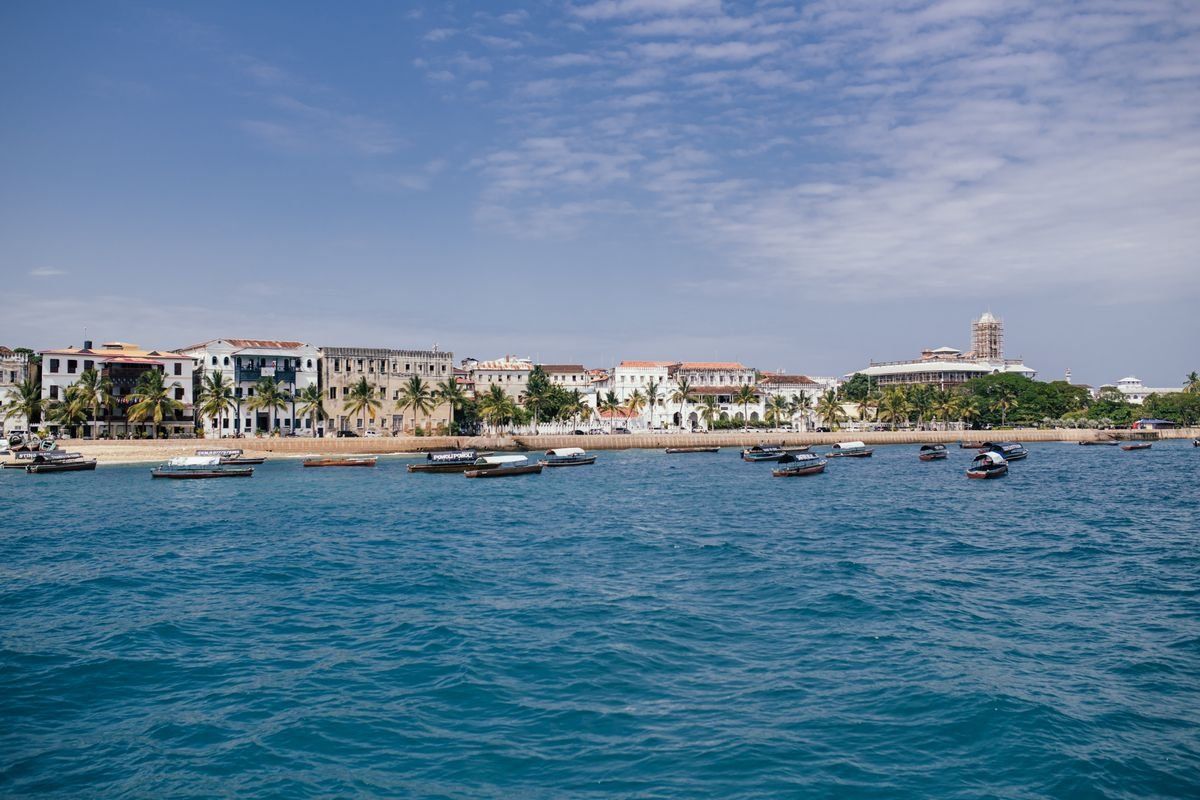
A spice tour is one of the most characteristic experiences in Zanzibar. It introduces you to the island’s agricultural heritage through working farms where you can see, smell and taste spices such as cloves, cinnamon, vanilla, nutmeg and black pepper.
Zanzibar is often called the Spice Island, and this is where the nickname stops sounding poetic and starts smelling very real. On a guided visit, you learn how spices grow, how they are used in cooking and medicine, and why they shaped the island’s history and economy.
Expect to walk through plantations with a local guide, taste tropical fruits and occasionally be handed leaves or roots to sniff like you are on the most aromatic quiz show on Earth. It is interactive, interesting and a nice change of pace from full-time beach lounging.
Go on a boat trip to Nakupenda and nearby islands
Boat excursions are among the best ways to experience Zanzibar’s coastline. They combine snorkeling, sandbanks, seafood lunches and short island visits. One of the most special places to include is Nakupenda, a white sand strip that appears and disappears with the tide.
Nakupenda is reachable only by boat and feels almost unreal when the tide is right: just bright sand, transparent water and open sky. It is one of those places where everyone suddenly becomes a photographer, even the person who usually takes blurry pictures of their own shoes.
Many tours combine Nakupenda with Prison Island, where you can see giant tortoises and explore a small but historically significant island close to Stone Town. Other boat trips focus on snorkeling, dhow sailing or full-day cruises with lunch on a sandbank.
- Visit Nakupenda sandbank early for the best light and space
- Combine it with Prison Island for a full day out
- Bring sun protection, water shoes and a dry bag
- Check the tide, since timing changes the entire experience
Snorkeling and diving around Mnemba Atoll
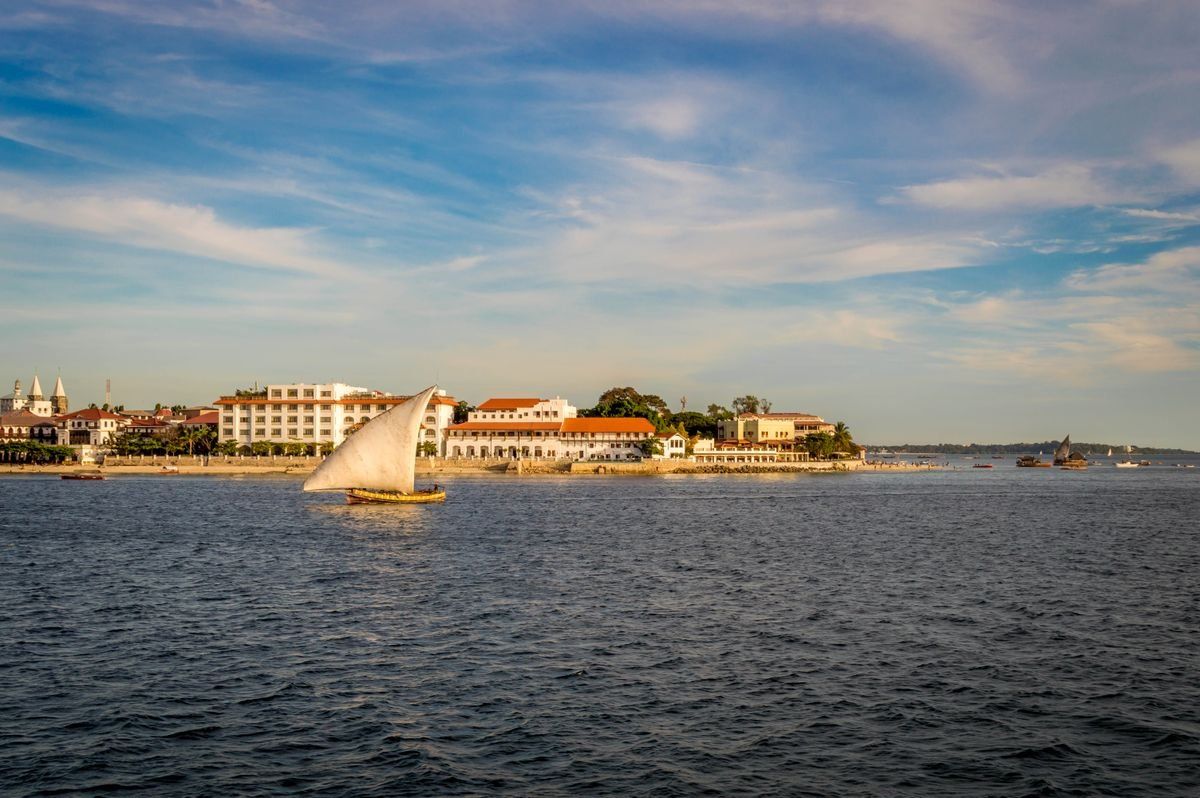
Mnemba Atoll is one of the top marine spots in Zanzibar for snorkeling and diving. Its reefs offer clear water, colorful fish and good chances to spot dolphins, sea turtles and healthy coral sections, especially with reputable local operators.
If your ideal holiday includes floating over coral gardens while pretending you are in a nature documentary, this is your moment. Trips usually leave from the northeast coast, especially around Matemwe. Conditions vary by season, but on a good day the visibility is excellent.
Choose operators that follow respectful wildlife practices, especially when dolphins are present. A good trip should prioritize observation over chasing animals around like paparazzi in swimwear.
Visit Jozani Forest for Zanzibar’s unique wildlife
Jozani Forest offers a completely different side of Zanzibar, away from the coast. It is the best place to see the rare Zanzibar red colobus monkey, a species found only on the island, along with mangroves and native forest habitats.
This is a worthwhile half-day trip if you want to balance beaches with nature. Guided walks explain the local ecosystem and usually include both forest trails and a mangrove boardwalk. The red colobus monkeys are the stars of the show, and unlike some celebrities, they are generally available without an appointment.
It is best to go with a local guide and visit respectfully, keeping distance from wildlife and avoiding feeding animals. The experience is short, informative and easy to combine with stops on the east or south coast.
Eat local food and enjoy Zanzibar after sunset
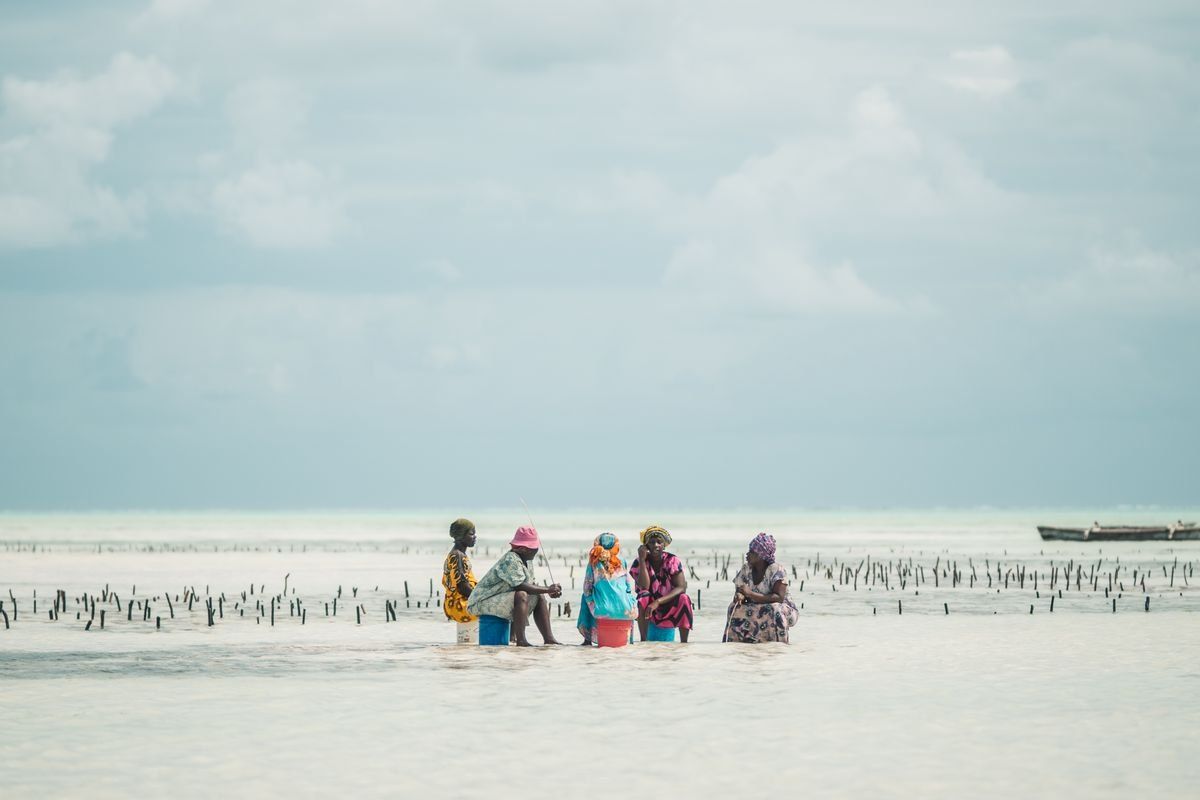
Zanzibar’s food scene reflects African, Arab and Indian influences, with seafood, spices, rice dishes and street food playing a central role. Evening is one of the best times to experience local flavors, especially in Stone Town and along the coast.
The best-known evening stop is Forodhani Gardens, where stalls serve grilled seafood, samosas, sugarcane juice and the famous Zanzibar pizza. It is lively, local and ideal if you like your dinner with a side of sea breeze and sizzling grills.
Elsewhere on the island, beach restaurants serve octopus curry, pilau rice, coconut beans and fresh fish. You do not need a luxury budget to eat well, though high-end resorts and iconic restaurants can raise the bill quickly. Zanzibar can be affordable, but your costs depend a lot on where you stay, how often you move around and how enthusiastically you say yes to boat trips.
Practical tips for planning your Zanzibar trip
Zanzibar is easy to enjoy with a little planning. The best time to visit is usually during the dry seasons, transport between coasts takes time and some activities depend heavily on tides and weather. A flexible itinerary works best.
- Stay in at least two areas if you have enough time, for example Stone Town plus one beach coast.
- Check the tides before choosing beaches or planning swimming days.
- Budget for tours and transfers, which can cost more than meals and accommodation.
- Dress respectfully in towns and villages, especially away from resorts.
- Choose ethical wildlife tours and avoid operators that disturb animals.
If you are wondering whether Zanzibar is expensive, the short answer is: it can be, but it does not have to be. There are guesthouses, local restaurants and shared tours that keep costs manageable, alongside luxury resorts and private excursions for travelers in full “treat yourself” mode.
Make the most of Zanzibar
The best way to experience Zanzibar is to mix its highlights rather than focusing on just one side of the island. Combining beaches, Stone Town, marine excursions and a spice farm visit gives you a fuller picture of what makes the destination so special.
One day you are wandering through history, the next you are standing on a vanishing sandbank, and by evening you are choosing between grilled prawns and another beach walk at sunset. It is a very demanding schedule, emotionally speaking.
If you want to experience the island with the right balance of discovery, fun and good company, take a look at the WeRoad group tours to Zanzibar and start planning your Indian Ocean adventure.
FAQ
- Is Zanzibar very expensive?
-
Zanzibar can suit different budgets. Mid-range hotels, local meals and shared tours can keep costs reasonable, while luxury resorts, private transfers and premium boat trips can make the trip much more expensive. Beach areas and travel style make the biggest difference.
- What is Zanzibar best known for?
-
Zanzibar is best known for its white-sand beaches, turquoise Indian Ocean waters, Stone Town, and its history as the Spice Island. It is also famous for snorkeling, dhow trips and its blend of Swahili, Arab and Indian cultural influences.
- Is Zanzibar worth visiting for tourists?
-
Yes, Zanzibar is absolutely worth visiting for tourists who want a mix of beach time, culture and nature. It is especially rewarding if you combine coastal relaxation with visits to Stone Town, spice farms, marine areas like Mnemba and places such as Jozani Forest.
- What not to miss on Zanzibar?
-
Do not miss Stone Town, a spice tour, at least one great beach area, a boat trip to Nakupenda or Prison Island, and snorkeling or diving around Mnemba Atoll. If time allows, add Jozani Forest for wildlife and mangroves.
- How many days do you need in Zanzibar?
-
At least 5 to 7 days is ideal to enjoy Zanzibar without rushing. That gives you enough time for Stone Town, a few beach days, a boat trip, a spice tour and one or two nature-based activities.
- When is the best time to visit Zanzibar?
-
The best time to visit Zanzibar is generally during the dry seasons, especially from June to October and from January to February. Weather can still vary, but these months are usually better for beach days, boat trips and island exploration.