
In a nutshell
- Spring and fall offer the best overall balance for a New York trip, especially April to June and September to early November, thanks to milder temperatures, walkable days, and more manageable crowd levels.
- October and May stand out as top months because they combine pleasant weather, strong sightseeing conditions, and a lively city atmosphere without the harsher extremes of summer heat or winter cold.
- December is the most festive period, ideal for travellers who want holiday lights, ice rinks, and iconic Christmas scenes, but it also brings higher prices, packed attractions, and the need to book early.
- The cheapest time to visit is usually January to early March, when hotel rates tend to drop and museums, shows, and landmarks are less crowded, though visitors should be prepared for cold weather and shorter days.
- For a first trip, 4 to 6 days is a solid range, and a $1000 budget for 4 days can work mainly in low or shoulder season if you keep accommodation, meals, and attractions under control.
New York is one of those cities that somehow works in every season. One month you’re walking under cherry blossoms in Central Park, the next you’re sweating heroically on the subway platform, and then suddenly you’re skating past Christmas lights with frozen toes and a huge grin. The right time to go depends on what kind of trip you want: classic sightseeing, festive magic, lower prices, or fewer crowds.
For most travellers, the sweet spot is spring and fall, especially from April to June and September to early November. These months usually bring pleasant temperatures, more comfortable days for walking, and a better balance between hotel rates and crowd levels. But if holiday atmosphere is your thing, December is hard to beat.
At a glance: when New York is at its best
The most balanced periods for visiting New York are late spring and early autumn. They combine manageable crowds, mild weather, and long enough days to explore the city on foot. Winter can be magical but cold, while summer is lively yet often hot, humid, and more expensive.
| Season | What it feels like | Best for | Things to consider |
|---|---|---|---|
| Spring (April-June) | Fresh, blooming, lively | Parks, walking, first-time trips | Some rain, prices rise in May |
| Summer (July-August) | Energetic, humid, busy | Events, rooftops, nightlife | Heat, crowds, higher hotel rates |
| Fall (September-October) | Crisp, scenic, comfortable | Sightseeing, photos, food trips | Popular season, book ahead |
| Winter (November-December-January) | Festive to freezing | Christmas atmosphere, museums, budget travel in Jan | Cold weather, peak prices in December |
Spring in New York: flowers, fresh air, and long walks

Spring is one of the strongest choices for a New York trip. From April onward, the city feels lighter, greener, and easier to enjoy on foot. Temperatures are generally mild, outdoor dining returns, and parks begin to steal the show from skyscrapers for a moment.
April and May are especially appealing. You get blooming trees, pleasant walking weather, and a city that feels awake but not yet crushed by summer tourism. This is a great time for classic neighbourhood strolls through Greenwich Village, SoHo, the High Line, and of course Central Park.
Why spring works so well
Spring offers a practical and enjoyable mix of climate and atmosphere. You can cover a lot of ground without battling extreme heat or winter winds. That matters in New York, where even a simple “quick walk” somehow turns into 18,000 steps and an unexpected bagel stop.
- Best months: April, May, early June
- Average vibe: relaxed but lively
- Ideal for: first-time visitors, couples, photographers
- Main drawback: rain showers can appear without much warning
If your dream is seeing the city at its prettiest without entering holiday chaos mode, spring is a very safe bet.
Fall in New York: the all-round winner

Fall is often the most recommended season because it brings the best overall balance. From September to early November, the weather is usually comfortable, the light is beautiful, and the city has an unmistakably cinematic feel. It is an excellent time for sightseeing and outdoor exploration.
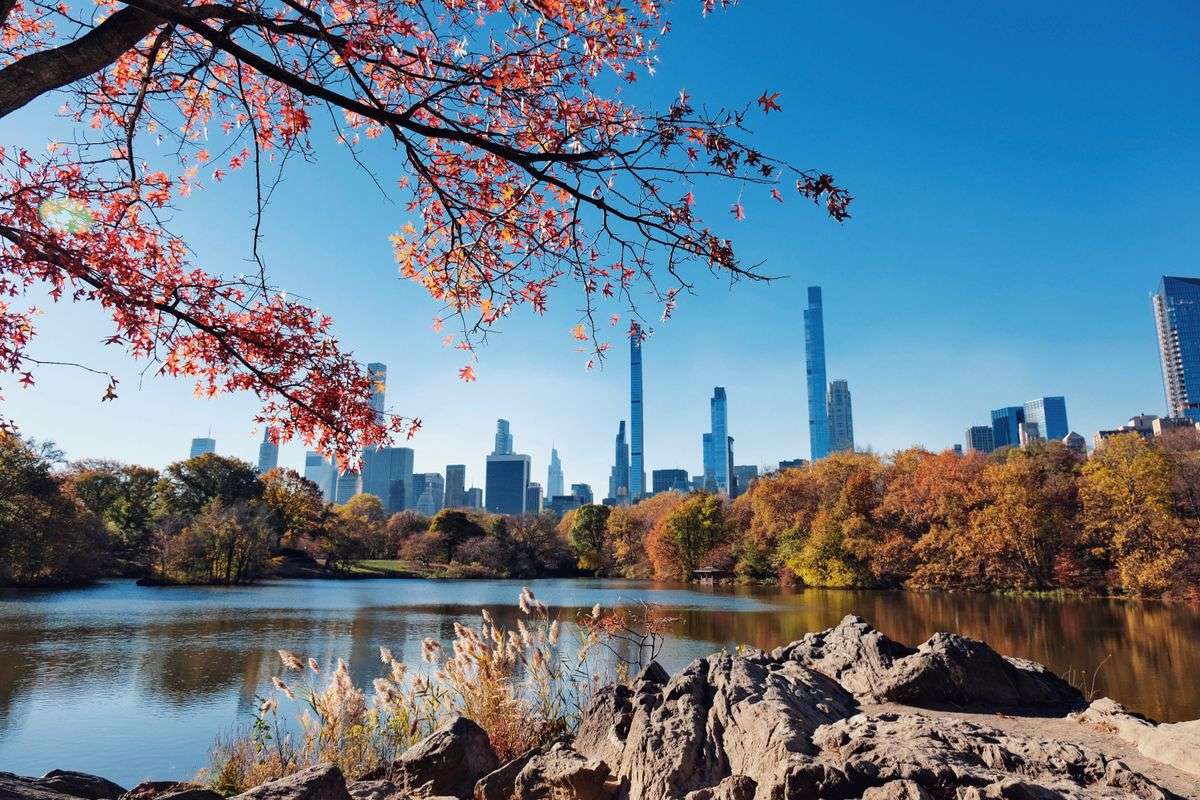
October is frequently the standout month. Central Park turns golden, humidity drops, and walking across Manhattan becomes a pleasure rather than an endurance challenge. You can visit landmarks, browse neighbourhood markets, and eat outdoors without melting or freezing. Quite a luxury, really.
What makes autumn so popular
Autumn is ideal for travellers who want a bit of everything. Good weather, seasonal charm, and a packed cultural calendar make it one of the easiest times to enjoy the city from morning to night without too much planning drama.
- Best months: late September, October, early November
- Average vibe: stylish, crisp, photogenic
- Ideal for: first visits, repeat visits, food and culture lovers
- Main drawback: it is popular, so hotel prices can climb
If you are wondering when the city feels most comfortable and consistently rewarding, fall often comes out on top.
December in New York: festive, iconic, and very busy
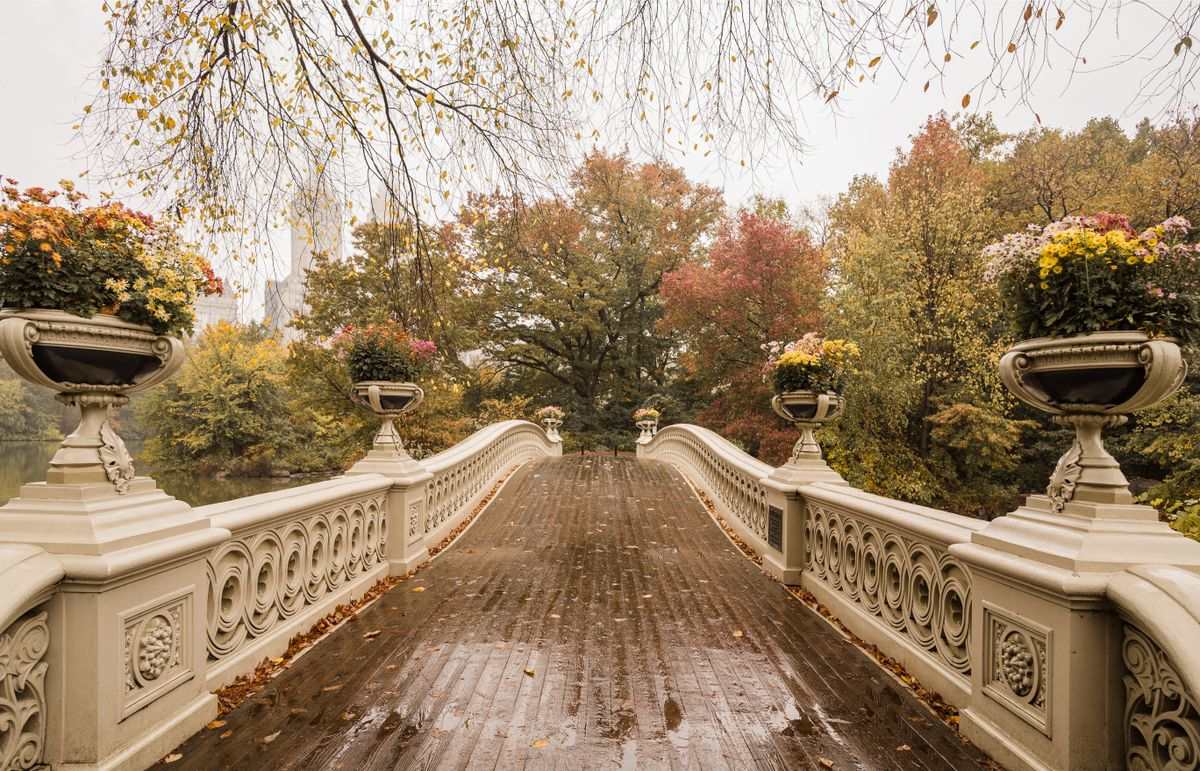
December is one of the most atmospheric times to experience New York. The city is covered in lights, shop windows become theatrical productions, and ice rinks appear across Manhattan. It is magical, memorable, and not exactly a secret, which means high prices and heavy crowds.
This is the month for people who want the classic holiday version of the city: Rockefeller Center, Bryant Park Winter Village, decorated avenues, and that unmistakable movie-set energy. It is wonderful, but it pays to be realistic. You will not have these places to yourself. Not even remotely. Not even in your dreams.
When December is worth it
December is best for travellers who prioritise atmosphere over convenience. If festive lights and seasonal traditions matter more to you than low costs or quiet streets, it can be the perfect time to go. Just plan early and expect premium rates.
- Book hotels and attractions well in advance.
- Visit major sights early in the morning when possible.
- Use weekdays for popular areas like Fifth Avenue and Midtown.
- Dress properly: New York in winter is charming, but it is not gentle.
For many people, this is the most magical moment of the year in the city. For your wallet, however, it may feel more like a dramatic monologue.
Summer in New York: fun, famous, and very hot
Summer brings maximum energy to New York. Rooftop bars, outdoor concerts, baseball games, and long evenings make the city feel nonstop. It is a strong option for travellers who want action and events, but the heat and humidity can make sightseeing more tiring than expected.
June is usually the easiest summer month, while July and August can be sticky, crowded, and expensive. If you love nightlife and don’t mind planning indoor breaks around the hottest hours, summer can still be great.
- Best month in summer: June
- Ideal for: festivals, nightlife, rooftop season
- Main drawback: heat, humidity, and peak tourist traffic
It is a fun season, but perhaps not the best choice if your itinerary includes “walk everywhere looking fresh in photos.” New York in August has other ideas.
Cheapest and most expensive times to go
The cheapest period is usually from January through early March, excluding holiday weekends. This is when hotel prices tend to dip, tourist lines are shorter, and Broadway deals are easier to find. The trade-off is obvious: winter weather can be cold, grey, and unpredictable.
The most expensive time is generally mid-December through New Year’s, followed by parts of summer and key holiday weekends. If budget matters, avoid the festive peak unless Christmas in New York has been on your vision board since childhood.
| Travel goal | Best time |
|---|---|
| Lowest prices | January to early March |
| Best weather | May and October |
| Festive atmosphere | December |
| Fewest crowds | January and February |
| Best overall balance | Late April to early June, September to October |
How many days do you need in New York?
Most travellers need at least four full days to enjoy New York without turning the trip into a sprint. Five to seven days is even better if you want to mix iconic sights with neighbourhood time, museums, food stops, and a few slower moments in the parks.
With 4 days, you can cover the essentials: Midtown, Lower Manhattan, Central Park, one or two museums, and maybe a Broadway show. With 5 or 6 days, the city becomes much more enjoyable because you can add Brooklyn, local food spots, and less rushed afternoons.
Is $1000 enough for 4 days in New York?
Yes, $1000 can be enough for four days in New York, but it depends heavily on your travel style. It is more realistic for a budget-conscious trip than for a luxury city break. Accommodation is the biggest variable, followed by dining and paid attractions.
If you find a decent hotel or hostel deal, use public transport, and balance paid sights with free experiences, the budget can work. A rough breakdown might include:
- Accommodation: $150-250 per night on a budget, more in peak season
- Food: $40-70 per day with casual meals
- Transport: affordable with the subway
- Attractions: flexible depending on passes and priorities
In short, $1000 is possible in low or shoulder season. In December? Let’s just say New York may smile politely and ask if you have a backup plan.
Choosing your perfect season
The right moment to visit New York depends on whether you value weather, atmosphere, price, or events most. For the best all-round experience, target spring or fall. For holiday magic, choose December. For lower costs, look at late winter and pack layers without complaints.
There is no single perfect month for everyone, but there are clear winners depending on your priorities. If you want that classic first-time trip with comfortable weather and long walking days, May and October are especially strong choices.
And if you want to experience the city with a group of curious travellers, plenty of shared energy, and zero stress about organising every detail yourself, take a look at WeRoad group trips to New York and find the season that feels most like your kind of city adventure.
FAQ
- What month is best for visiting New York for the first time?
-
For a first trip, May and October are among the best months. They usually offer comfortable weather, good walking conditions, and a lively atmosphere without the harshest crowds or temperatures.
- What is the cheapest month to travel to New York?
-
January and February are often the cheapest months, aside from holiday weekends. Hotel prices are usually lower, and many attractions are less crowded.
- How many days should I spend in New York?
-
A minimum of 4 days works well for the main highlights, while 5 to 7 days gives you a more relaxed and complete experience, including museums, neighbourhoods, and local food spots.
- When is New York most expensive?
-
The priciest period is usually mid-December through New Year’s Eve. Hotel rates often surge, and popular attractions and restaurants fill up quickly.
- Is summer a bad time to visit New York?
-
Not necessarily. Summer is exciting and full of events, but it can be hot, humid, and crowded. It suits travellers who enjoy nightlife, festivals, and a high-energy city atmosphere.