In a nutshell
- Spring and autumn are usually the most comfortable seasons, with mild temperatures, lower humidity, and ideal conditions for sightseeing, city breaks, cultural visits, and nature-focused itineraries across Seoul, Gyeongju, Busan, and the national parks.
- April and October are often the strongest all-round months: April is excellent for cherry blossoms and pleasant weather, while October stands out for crisp air, clear skies, and spectacular autumn foliage that makes both urban and rural landscapes especially scenic.
- Summer is best for beaches, islands, and seasonal festivals, particularly in Busan and Jeju, but travelers should expect heat, heavy humidity, and monsoon rains, especially in July and early August, which can make classic sightseeing more tiring.
- Winter is cold but rewarding for the right traveler, offering skiing in Gangwon-do, festive city atmospheres, fewer tourists in many areas, and potentially lower travel costs outside major holiday periods such as Lunar New Year.
- A trip of 7 to 10 days is usually enough to see the highlights, and budget-conscious travelers can often save by going in winter or during rainy-season periods, as long as they are flexible about weather and pack accordingly.
South Korea is one of those destinations that changes personality every few months. One minute it’s all pink cherry blossoms and palace strolls, the next it’s beach weather in Busan, fiery autumn foliage in the mountains, or full-on scarf-and-gloves season in Seoul. That’s why timing matters quite a lot.
In general, spring and autumn are the most pleasant seasons for a trip, thanks to mild temperatures, lower humidity, and beautiful scenery. But the right moment really depends on what you want: blossoms, hiking, festivals, skiing, fewer crowds, or simply better prices. Let’s break it down without making it feel like a weather report from a robot.
At a glance: when to go to South Korea
The most popular periods are April to June and September to November. These months usually bring comfortable weather, clear skies, and ideal conditions for sightseeing. Summer is hotter and wetter, while winter is cold but great for snow lovers and travelers looking for lower prices.
| Season | Months | Weather | Best for |
|---|---|---|---|
| Spring | March to May | Mild, dry, blooming | Cherry blossoms, cities, palace visits |
| Summer | June to August | Hot, humid, rainy | Beaches, islands, summer festivals |
| Autumn | September to November | Cool, dry, clear | Hiking, foliage, cultural trips |
| Winter | December to February | Cold, dry, snowy in places | Skiing, winter scenery, lower costs |
Spring in South Korea
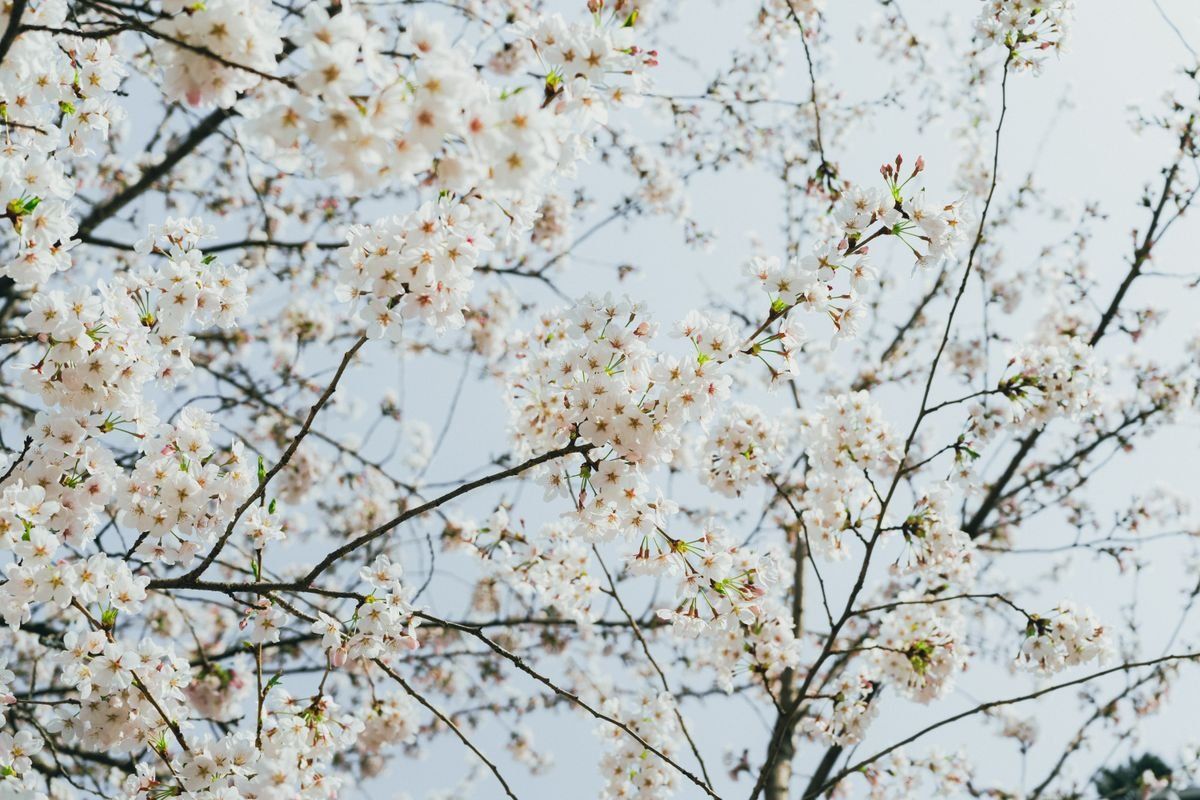
Spring is one of the most rewarding times to travel around the country. Temperatures become comfortable, flowers start blooming, and cities feel lively without the heavy summer humidity. It is especially good for first-time visitors who want to combine urban sightseeing with day trips and outdoor walks.
From late March to May, South Korea wakes up dramatically. Parks, palace grounds, and riversides fill with blossoms, and yes, your camera roll will become 85% flowers. April is usually the star month, especially for cherry blossoms in places like Seoul, Gyeongju, and Jinhae.
Why visit in spring
Spring offers mild daytime temperatures, scenic landscapes, and a festive atmosphere across many cities. It is a strong choice for travelers interested in culture, walking itineraries, and photography. Popular spots can be busy, but the overall travel conditions are among the best of the year.
- Cherry blossom season usually peaks between late March and mid-April, depending on the region
- Great weather for exploring Seoul’s palaces, hanok villages, and street markets
- Good conditions for hikes in places like Seoraksan and Bukhansan
- Comfortable temperatures, often around 10°C to 20°C
One small note: spring can also bring episodes of yellow dust, especially in March and early April. It doesn’t ruin a trip, but checking the air quality before long outdoor days is a smart move. Glamorous? No. Useful? Very.
Summer in South Korea
Summer can still work well for a trip, especially if your focus is the coast, islands, or seasonal festivals. Expect heat, high humidity, and significant rainfall during the monsoon period. Flexible plans and lighter clothing make a big difference during these months.
From June to August, South Korea turns hot and sticky, with July and early August usually being the wettest stretch because of the monsoon season, known as jangma. This is not the dream setup for long midday walks through giant cities, unless your hobby is slowly melting.
Who should visit in summer
Summer is best for travelers who enjoy beach breaks, lively atmospheres, and warm evenings. Coastal destinations become especially appealing, while mountain areas offer a cooler alternative. It is not the easiest season for classic sightseeing, but it can be fun and vibrant.
- Busan is a favorite for beaches like Haeundae
- Jeju Island is popular for coastal scenery, waterfalls, and summer escapes
- Festivals and nightlife are in full swing in major cities
- Hotel rates can rise in domestic holiday hotspots
If you travel in summer, pack:
- Breathable clothes
- A compact umbrella or rain jacket
- Comfortable shoes that can handle sudden showers
- Patience for humidity that may test your emotional stability
June and late August are often easier than peak monsoon weeks if you want a warmer trip without the soggiest conditions.
Autumn in South Korea
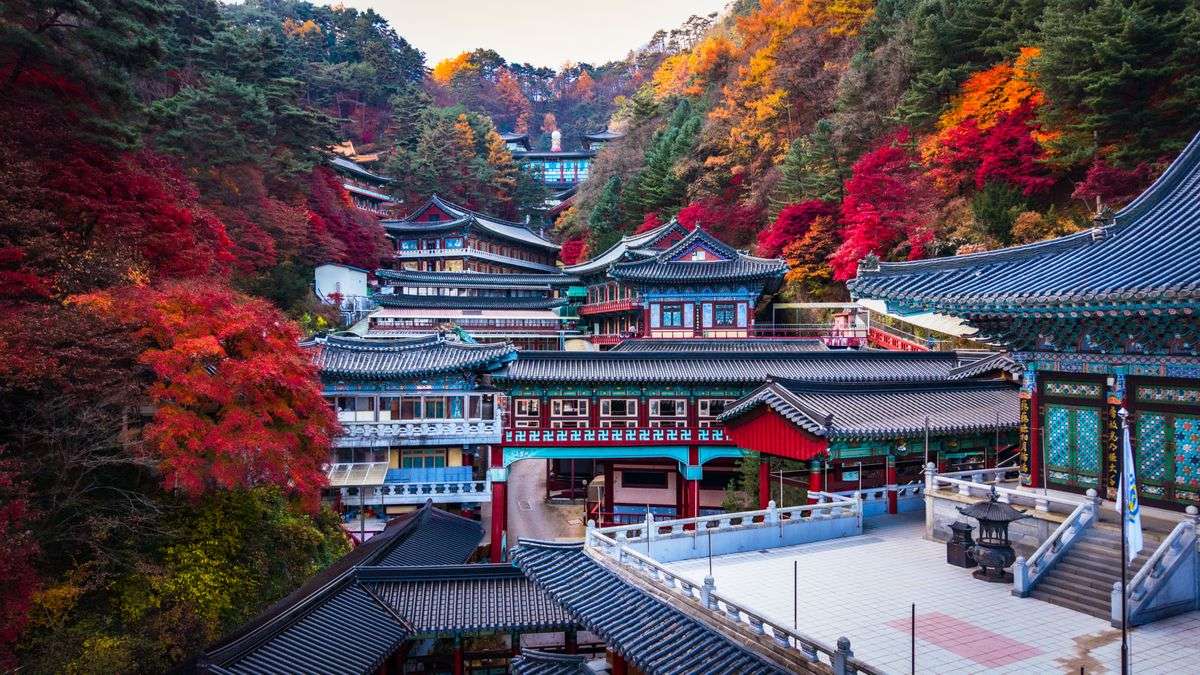
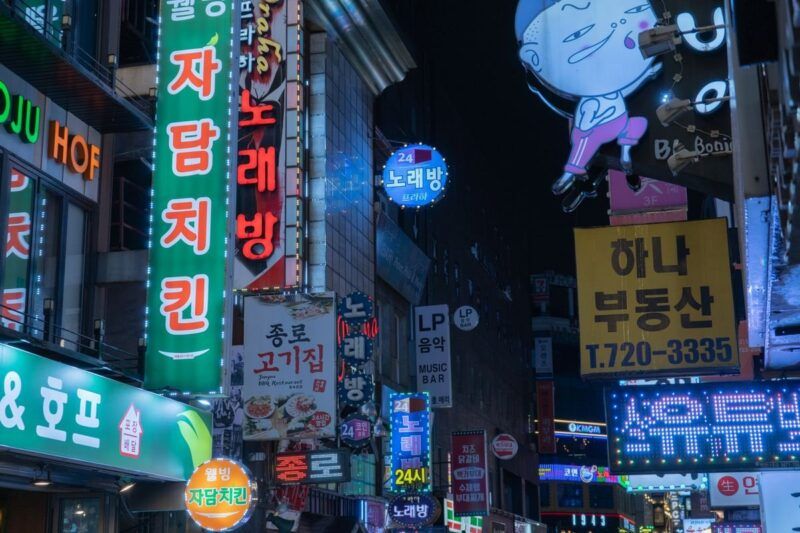
Autumn is widely considered one of the top seasons for visiting the country. The weather is stable, humidity drops, and landscapes shift into vivid red, orange, and gold. It is ideal for combining city breaks, historical sites, and nature-focused travel in one itinerary.
From September to November, the country looks fantastic. Skies are often clear, temperatures are comfortable, and the mountains turn into a giant postcard. If spring is Korea in soft focus, autumn is Korea showing off.
Why autumn is a favorite
Autumn brings excellent visibility, crisp air, and some of the year’s most beautiful scenery. It is especially suited to travelers who want to hike, take scenic train or bus journeys, and enjoy major landmarks without the intensity of summer weather.
- September is warm but less humid than summer
- October is often the sweet spot for weather and foliage
- November can still be lovely, though colder by the end of the month
- National parks such as Seoraksan, Jirisan, and Naejangsan are stunning
This is also a great time to explore cultural cities like Gyeongju and Jeonju, where traditional architecture somehow looks even more cinematic framed by autumn leaves. Frankly, it’s almost unfair.
Winter in South Korea
Winter is cold, dry, and often surprisingly enjoyable for travelers prepared for low temperatures. While northern and mountainous areas can be snowy, cities remain accessible and festive. This season suits visitors interested in winter sports, seasonal food, and quieter sightseeing.
From December to February, winter settles in properly. In cities like Seoul, temperatures can drop below freezing, while mountain regions become ideal for snow activities. It is not beach weather unless you are making a very bold personal statement.
Reasons to travel in winter
Winter offers fewer international visitors outside holiday periods, which can mean better prices and a calmer atmosphere. It is also the right season for skiing, snowy landscapes, and warming up with Korean comfort food after a cold day outside.
- Ski resorts in Gangwon-do and around Pyeongchang are a major draw
- Festive lights and winter markets add atmosphere in Seoul and Busan
- Dry weather can make sightseeing easier than in rainy summer months
- Stews, soups, and street food taste even better when it’s freezing outside
If you don’t mind layering up, winter can be a surprisingly good-value time to visit. Just bring proper coats, gloves, and shoes that won’t betray you on icy sidewalks.
Which month is usually the best?
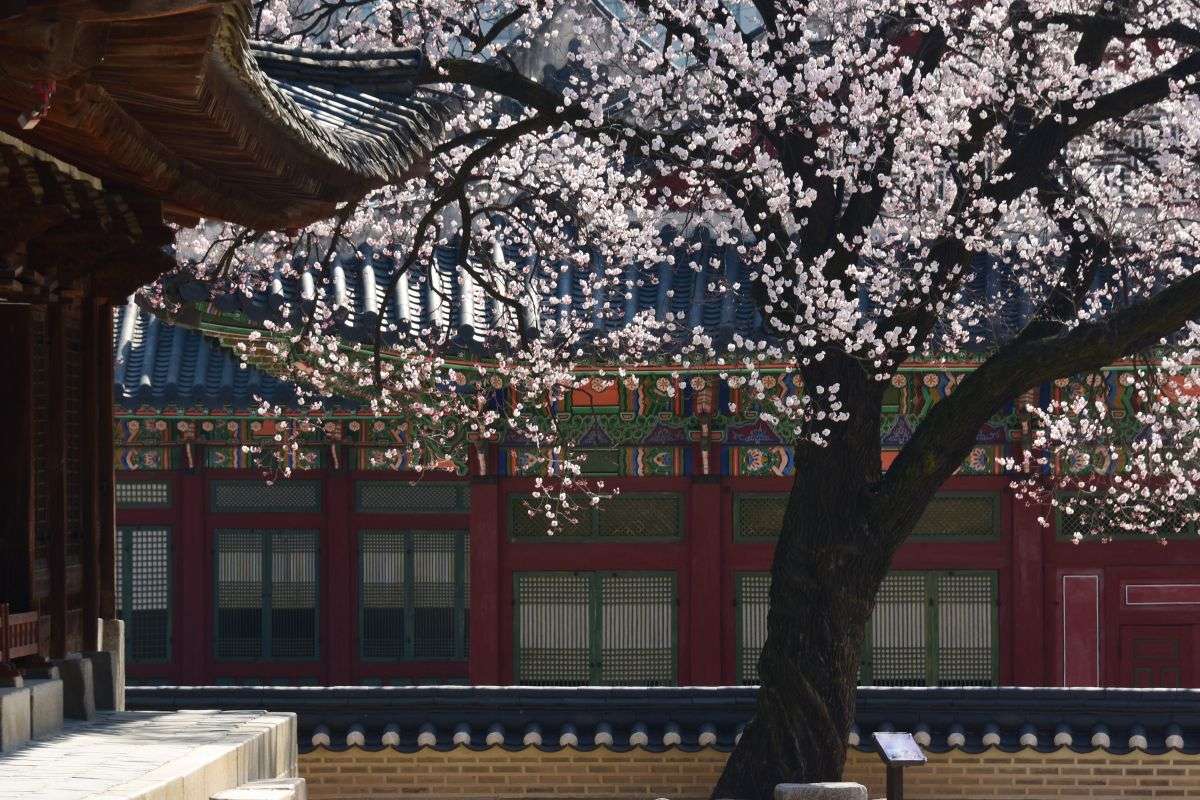
For many travelers, the most balanced months are April, May, September, and October. These periods typically combine pleasant temperatures, lower rainfall, and excellent conditions for moving around the country. The best month, however, still depends on whether you prioritize blossoms, foliage, beaches, or budget.
If you want one short answer, October is often the safest all-round pick. It tends to offer mild weather, clear skies, beautiful foliage, and strong conditions for both cities and nature. April is equally attractive if cherry blossoms are high on your list.
How many days are enough for South Korea?
A well-planned trip of 7 to 10 days is enough to experience the country’s main highlights. This amount of time allows you to combine Seoul with one or two additional destinations, such as Busan, Gyeongju, Jeonju, or Jeju, without rushing every single day.
Here’s a simple rule of thumb:
- 5 days: Seoul plus a day trip
- 7 days: Seoul, Busan, and one cultural stop like Gyeongju
- 10 days or more: Add Jeju or a slower route with national parks and local towns
If you travel during spring or autumn, you’ll likely make the most of those days because weather disruptions are less common and outdoor plans are easier to enjoy.
The cheapest time to travel
The most affordable periods are usually winter, excluding holiday peaks, and parts of the rainy summer season. During these months, you may find better deals on flights and accommodation, especially outside the most popular domestic travel dates and major festivals.
For lower costs, look at:
- January and February, outside Lunar New Year
- Late June to July, if you are comfortable with rain and humidity
- Early December, before holiday demand increases
If your priority is saving money, the trick is to balance weather with price. A cheaper flight is lovely, but maybe less lovely if you spend the whole trip negotiating with a soaked T-shirt or frozen ears.
What to know before planning your dates
Choosing travel dates for South Korea also means checking public holidays, domestic travel peaks, and regional differences. Weather patterns are fairly distinct, but festivals and local demand can affect both crowd levels and prices, especially in popular cities and resort areas.
- Cherry blossom timing changes slightly every year
- Chuseok and Lunar New Year can create heavy domestic travel
- Jeju and the southern coast are usually milder than inland or northern areas
- Mountain destinations get colder faster in autumn and stay colder longer in spring
Ready, Set, Jet: A Tour of South Korea’s Most Iconic K-Drama Filming Locations
Choosing your ideal season
The right season depends on the type of trip you want most. Spring and autumn are the easiest choices for first-time visitors, summer works for beaches and island escapes, and winter is excellent for snow and lower prices. South Korea really does all four seasons properly, no half measures.
If you want blossom-filled streets and mild weather, go in spring. If your dream trip includes fiery foliage and hiking trails, choose autumn. If you’re after beaches or festivals, summer can work well. And if you love snow, ski days, and cozy food stops, winter has its own charm.
Want to explore Korea with new travel buddies? Take a look at WeRoad group trips to South Korea and find the itinerary that matches your season, vibe, and level of kimchi enthusiasm.
FAQ
- What is the best month to visit South Korea?
-
October is often considered the most balanced month thanks to mild temperatures, dry weather, and beautiful autumn colors. April is another top choice if you want to catch cherry blossom season.
- How many days should I spend in South Korea?
-
Around 7 to 10 days is ideal for most first-time trips. That gives you enough time to explore Seoul and add destinations like Busan, Gyeongju, Jeonju, or Jeju without rushing too much.
- When is the cheapest time to go to South Korea?
-
The cheapest periods are usually winter, excluding holiday peaks, and parts of the summer rainy season. January, February, and late June to July can offer better prices on flights and hotels.
- Is summer a bad time to visit South Korea?
-
Not necessarily. Summer can be great for beaches, coastal cities, and festivals, especially in Busan and Jeju. However, it is also hot, humid, and rainy, so it is less comfortable for classic sightseeing.
- What is the 52 hour rule in South Korea?
-
The 52-hour rule refers to South Korea’s labor law limiting the workweek to 52 hours: 40 regular hours plus up to 12 hours of overtime. It is not a travel rule, but you may hear about it when learning more about Korean daily life and work culture.