
In a nutshell
- Choose a beginner-friendly destination with reliable transport, solid tourist infrastructure, and costs that fit your budget. Regions like Southeast Asia, Europe, Central America, and Japan often work well because they make independent travel easier to manage.
- Plan a flexible itinerary by booking your arrival, first nights, and main transport legs without filling every single day. For a first trip, fewer stops usually mean less stress, lower costs, and more time to enjoy each place properly.
- Build your budget around core expenses such as flights, insurance, accommodation, food, local transport, activities, and an emergency buffer. A realistic financial plan makes it easier to make decisions on the road without constant anxiety.
- Pack for versatility, not fantasy by bringing light layers, essential documents, simple toiletries, secure payment methods, and only what you can comfortably carry. Most beginners travel better with a 40 to 55 liter backpack and fewer “just in case” items.
- Focus on safety and mindset by getting insurance, sharing your plans, staying aware in unfamiliar places, and accepting that small setbacks are part of the experience. Group travel can also be a smart option if you want support without giving up adventure.
Your first big trip abroad can feel equal parts thrilling and mildly chaotic. One minute you’re imagining sunrise hikes and street food dinners, the next you’re wondering how on earth everything is supposed to fit into one backpack. That’s exactly where a backpacking beginner’s guide becomes useful: it turns a vague dream into a practical, exciting plan you can actually follow.
Backpacking isn’t about doing everything perfectly. It’s about traveling with flexibility, curiosity, and just enough organization to avoid discovering at midnight that you booked a hostel in the wrong country. With the right preparation, your first backpacking trip can be affordable, safe, and seriously unforgettable.
What backpacking really means for first-time travelers
Backpacking means traveling light, moving often, and planning with enough structure to stay safe while keeping room for spontaneity. For beginners, it usually involves a flexible itinerary, budget-conscious choices, and a backpack that carries your essentials without becoming your personal nemesis by day two.
In practical terms, backpacking abroad is less about “roughing it” and more about smart, independent travel. You might sleep in hostels, take overnight buses, hop between cities, or mix famous highlights with smaller local spots.
The beauty of it is freedom. The challenge of it is also freedom. No one is going to stop you from overpacking six pairs of jeans, but your shoulders may stage a protest.
Choose the right destination for your first trip
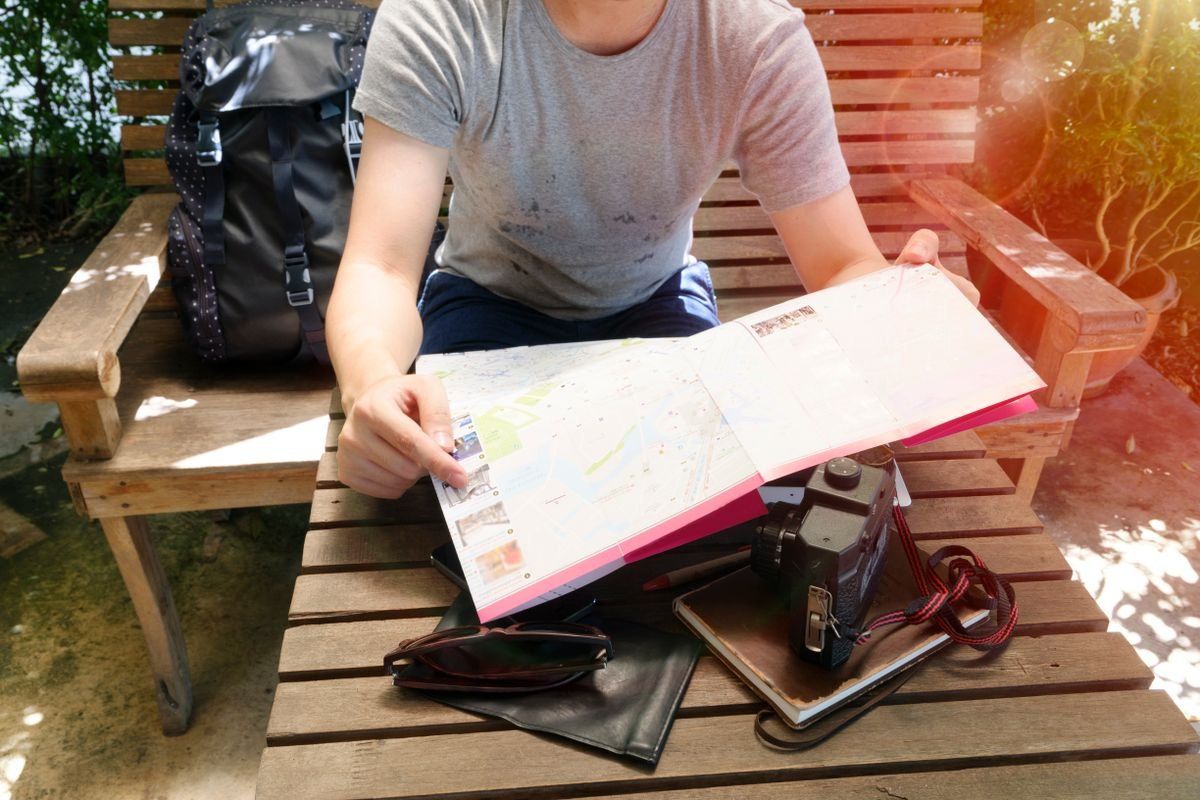
The best first backpacking destination is one that feels manageable, well connected, and aligned with your budget and comfort level. Beginners usually do best in places with reliable transport, good tourist infrastructure, and plenty of accommodation options.
Instead of choosing the most extreme route possible, look for destinations where it’s easy to move around and solve small problems quickly. That means good train or bus networks, clear booking platforms, and a decent level of English spoken in tourist areas.
Good beginner-friendly regions often include:
| Region | Why it works for beginners | Things to consider |
|---|---|---|
| Southeast Asia | Budget-friendly, social, easy routes | Heat, humidity, long travel days |
| Europe | Simple logistics, safe, diverse | Higher costs in peak season |
| Central America | Adventure, beaches, volcanoes | Research transport and safety by country |
| Japan | Very organized, clean, reliable | Can be expensive without planning |
Build a simple itinerary without overplanning
A good beginner itinerary balances structure and flexibility. You should know your arrival point, first nights, main route, and departure plan, but leave space for changes. Overplanning every hour usually creates stress instead of confidence.
Start with the basics:
- Choose your travel duration
- Pick 2 to 4 main stops for a short first trip
- Book your first accommodation
- Research transport between destinations
- Leave buffer days for rest or unexpected changes
For a first trip abroad, 2 to 3 weeks is often ideal. It’s long enough to feel immersive, but not so long that every tiny mistake becomes a major saga. You’re aiming for adventure, not a documentary called “Person vs. Backpack.”
How many places should you visit?
Fewer stops usually make for a better first backpacking experience. Moving constantly may look exciting on paper, but it can drain your energy and budget faster than expected. Prioritize depth over quantity.
A beginner-friendly pace might look like this:
- 1 week: 2 destinations
- 2 weeks: 3 or 4 destinations
- 3 weeks: 4 to 6 destinations, depending on distances
Set a realistic budget from the start
A realistic budget gives you freedom because it helps you make better choices before and during the trip. Beginners should calculate big costs first, then estimate daily spending for accommodation, transport, food, and activities.
Break your budget into categories:
- Flights
- Travel insurance
- Accommodation
- Local transport
- Food and drinks
- Activities and entrance fees
- Emergency fund
Always include a cushion for the unexpected. You may miss a bus, book a last-minute room, or decide that yes, that island boat trip is absolutely essential for your personal growth.
Get the travel documents sorted early
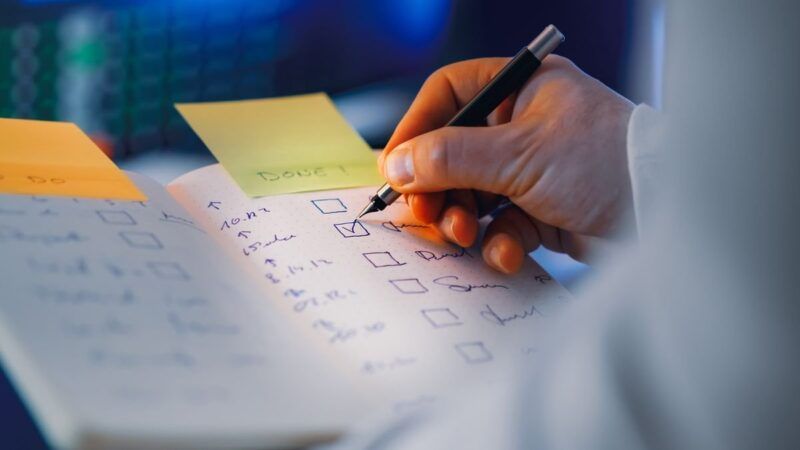
Travel documents should be checked as soon as you pick a destination. Passport validity, visa rules, entry requirements, and vaccination recommendations can affect your entire plan, so handle them early to avoid costly last-minute surprises.
Before booking everything, confirm:
- Your passport has enough validity, often at least 6 months
- Whether you need a visa
- Entry rules for onward tickets or proof of funds
- Health requirements or recommended vaccines
- Whether you need digital copies of bookings and documents
Keep both printed and digital copies of important documents. Technology is wonderful until your phone battery dies at the exact moment someone asks for your reservation code.
Pack light, but pack smart
Smart packing is one of the biggest differences between a stressful trip and a smooth one. Beginners should aim for versatile clothing, essential gear, and a backpack size they can carry comfortably without needing motivational speeches at every staircase.
For most first-time backpackers, a 40 to 55 liter backpack is enough. If you’re traveling for months, you still probably don’t need to bring your entire emotional support wardrobe.
Backpacking essentials for beginners
Your packing list should cover practicality, comfort, and safety. Focus on items you will actually use often, not hypothetical emergencies involving ten outfit changes and three novels you swear you’ll read.
- Passport and copies
- Travel insurance details
- Debit and credit cards
- Phone and charger
- Universal adapter
- Lightweight clothes you can layer
- Comfortable walking shoes
- Basic toiletries
- Microfiber towel
- Small first-aid kit
- Reusable water bottle
- Padlock for hostel lockers
- Daypack for daily outings
What not to pack
Leaving unnecessary items behind makes your trip easier from the beginning. Heavy luggage, duplicate items, and “just in case” extras are common beginner mistakes that quickly become annoying on the road.
- Too many shoes
- Full-size toiletries
- Bulky jeans for hot climates
- Expensive valuables you do not need
- Too many gadgets
- Clothes for every possible social scenario
Book the first nights, not the entire future
Booking your first accommodation in advance is a smart way to reduce arrival stress. Beyond that, many beginners benefit from keeping part of the trip flexible, especially if transport, weather, or personal preferences change once they’re on the road.
Your first nights should feel easy. After a long flight, the last thing you want is dragging your backpack around at 11 pm while insisting that “this is all part of the adventure.” It is not. It is just inconvenient.
Look for accommodation with:
- Good recent reviews
- Central or well-connected location
- Secure lockers
- Friendly common areas if you want to meet people
- Flexible cancellation when possible
Stay safe without becoming paranoid
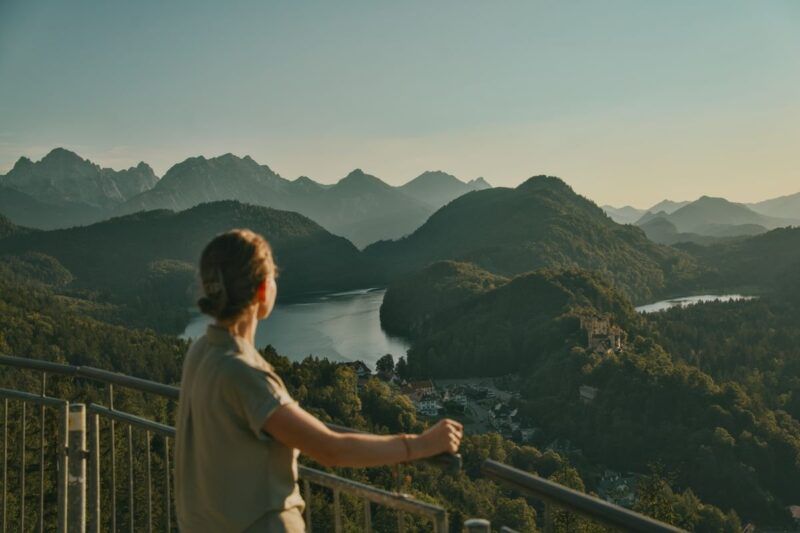
Backpacking safely is about awareness, preparation, and good judgment. Beginners do not need to fear every situation, but they should build simple habits that reduce risk and make decision-making easier in unfamiliar environments.
Some useful safety habits include:
- Share your itinerary with someone you trust
- Arrive in new places during daylight when possible
- Keep valuables discreet
- Use official taxis or trusted ride apps
- Trust your instincts in social situations
- Avoid carrying all your cash in one place
- Buy travel insurance before departure
Confidence grows quickly when you know the basics are covered. You don’t need to travel like a secret agent, just like a person with common sense and a charged phone.
Prepare mentally for the reality of the road
Backpacking abroad can be amazing, but it will not be perfect every day. Delays, bad weather, tiredness, and occasional homesickness are normal. The goal is not to avoid all discomfort, but to stay adaptable and keep perspective.
Some days will be postcard-worthy. Others will involve laundry panic, mystery bus stations, and a snack dinner because everything closed earlier than expected. Both count as travel. Both become stories.
A few mindset tips help a lot:
- Expect small mistakes
- Keep backup money for emergencies
- Rest when you need to
- Don’t compare your trip to social media
- Stay flexible when plans change
Why group travel can help first-time backpackers
Group travel can make a first backpacking trip abroad feel more accessible. It combines independence and adventure with practical support, shared logistics, and built-in travel companions, which is especially helpful if you want the experience without handling every detail alone.
If you like the idea of backpacking but feel intimidated by route planning, transport, or arriving solo in a new country, a group trip can be the sweet spot. You still get the excitement of exploring, just with fewer chances of having a full existential crisis in a train station.
If you want to take the leap with a little more confidence, discover WeRoad group trips and find the right destination for your first big backpacking adventure abroad.
Before you go, keep it simple
The best first backpacking trip is not the most ambitious one. It is the one that is realistic, enjoyable, and well prepared. Start simple, travel light, and focus on learning as you go rather than trying to become an expert before takeoff.
Your first trip abroad will teach you more than any packing spreadsheet ever could. Plan carefully, leave room for surprise, and remember: if you come back with great memories, new confidence, and only a few mildly questionable transport decisions, you’ve done very well.
FAQ
- How long should my first backpacking trip abroad be?
-
For most beginners, 2 to 3 weeks is a great starting point. It gives you enough time to settle into the experience, visit multiple places, and learn as you go without turning the trip into a logistical marathon.
- What size backpack is best for beginners?
-
A backpack between 40 and 55 liters is usually ideal for first-time travelers. It is large enough for essentials but small enough to encourage smarter packing and easier movement through airports, train stations, and city streets.
- Is backpacking abroad safe for solo beginners?
-
Yes, it can be safe if you plan carefully and use common sense. Choose well-reviewed accommodation, stay aware of your surroundings, share your itinerary, avoid risky situations, and make sure you have travel insurance before you leave.
- How much money do I need for a first backpacking trip?
-
It depends on destination, season, and travel style. Budget-friendly regions can cost far less than Western Europe or Japan, but in every case you should calculate major expenses first and keep an emergency fund for unexpected changes.
- Should I book everything in advance?
-
Not necessarily. It is wise to book your first accommodation and any key flights or high-demand transport, but keeping part of your itinerary flexible allows you to adapt your plans once you are actually on the road.