
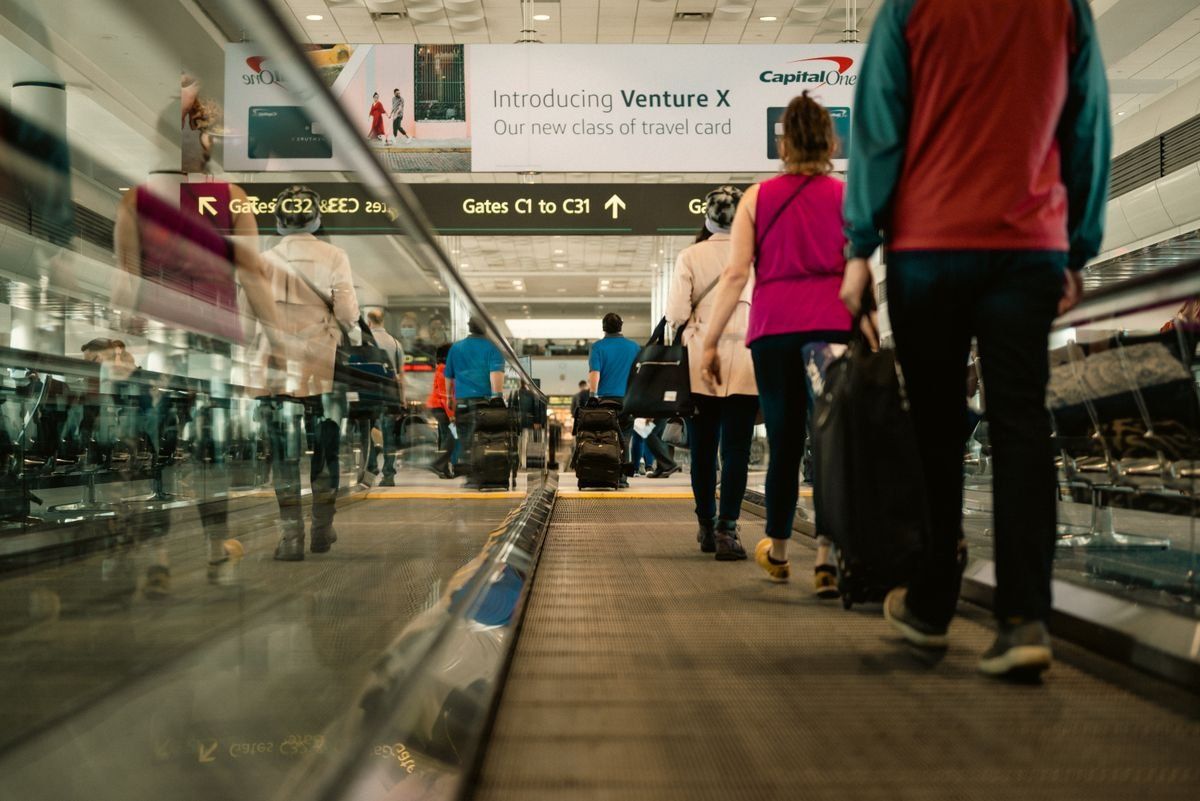
In a nutshell
- REAL ID enforcement is central in 2026: for domestic flights, travelers need a compliant state ID or another accepted document such as a passport, and showing up without proper identification can lead to delays, extra screening, added costs, or denied travel.
- A $45 TSA identity verification process may apply to travelers without compliant ID from February 2026, but paying the fee does not automatically guarantee clearance; TSA must still be able to verify the traveler’s identity.
- Checkpoint procedures are changing, but not uniformly: most passengers can keep their shoes on, some airports use advanced scanners that reduce the need to remove electronics, yet the liquids rule remains widely active and lane-by-lane instructions still matter.
- Battery safety rules remain strict: spare lithium batteries and power banks should stay in carry-on luggage, and some airlines may require them to remain on the passenger rather than in overhead storage due to fire risk.
- Selected airports are testing gate access for approved non-passengers, allowing some trusted travelers to accompany loved ones beyond security, but this is a limited TSA pilot program with advance application and no permission to board aircraft.
Flying in the United States in 2026 feels a bit like updating your phone: some changes make life easier, some are mildly annoying, and a few appear right when you thought you finally understood the system. The good news is that most airport updates are manageable if you know them before you reach the security line with one shoe off and your water bottle still gloriously full.
This guide breaks down the main US airport rule changes for 2026, focusing on what affects regular travelers most: identification, security screening, liquids, shoes, batteries, and a new gate-access program for some non-passengers. Policies can vary by airport and airline, so think of this as your practical map before takeoff.
The biggest airport changes travelers should know in 2026
The most important updates in 2026 involve REAL ID enforcement, a fee-based identity verification option for people without compliant ID, continued changes to TSA screening, and pilot programs that allow some approved non-ticketed visitors to go beyond security. These changes do not replace core security checks, but they do affect how you prepare.
In plain English: airports are getting more digital, more selective, and in some cases a little more human again. Yes, that means some people may once more walk grandma to the gate. No, that does not mean the rules have turned into a 1998 rom-com montage where everyone sprints through the terminal holding flowers.
- REAL ID or another accepted form of identification is now essential for domestic travel.
- Travelers without compliant ID may face a $45 identity verification fee starting in 2026.
- Most passengers can generally keep their shoes on at TSA checkpoints.
- The 3-1-1 liquids rule still applies in most standard screening lanes.
- Lithium batteries and power banks remain under stricter carry-on rules.
- Some airports are testing gate access for approved non-passengers through TSA PreCheck-related programs.
REAL ID rules in 2026
In 2026, domestic flyers in the US need a REAL ID-compliant driver’s license or another accepted document, such as a passport. This is one of the most relevant airport requirements because arriving without proper ID can slow down your trip, add costs, and in some cases still prevent you from flying.
If your state-issued ID is compliant, it usually has the required marking, often a star. If it is not compliant, you should bring an alternative acceptable document. A valid passport remains one of the easiest backup options for domestic flights, even if it feels slightly dramatic for a weekend hop to Chicago.
What happens if you do not have a REAL ID?
From February 2026, travelers without a REAL ID or another accepted ID may be asked to use a TSA identity verification process and pay a noncompliance fee of $45. This does not guarantee clearance; it only allows TSA to attempt to verify your identity before screening.
That fee is generally described as valid for a limited travel window, not as a magical exemption for all future flights. In other words, it is less “lifetime pass” and more “administrative headache with a receipt.” If you can avoid it, do.
TSA screening in 2026: what has actually changed
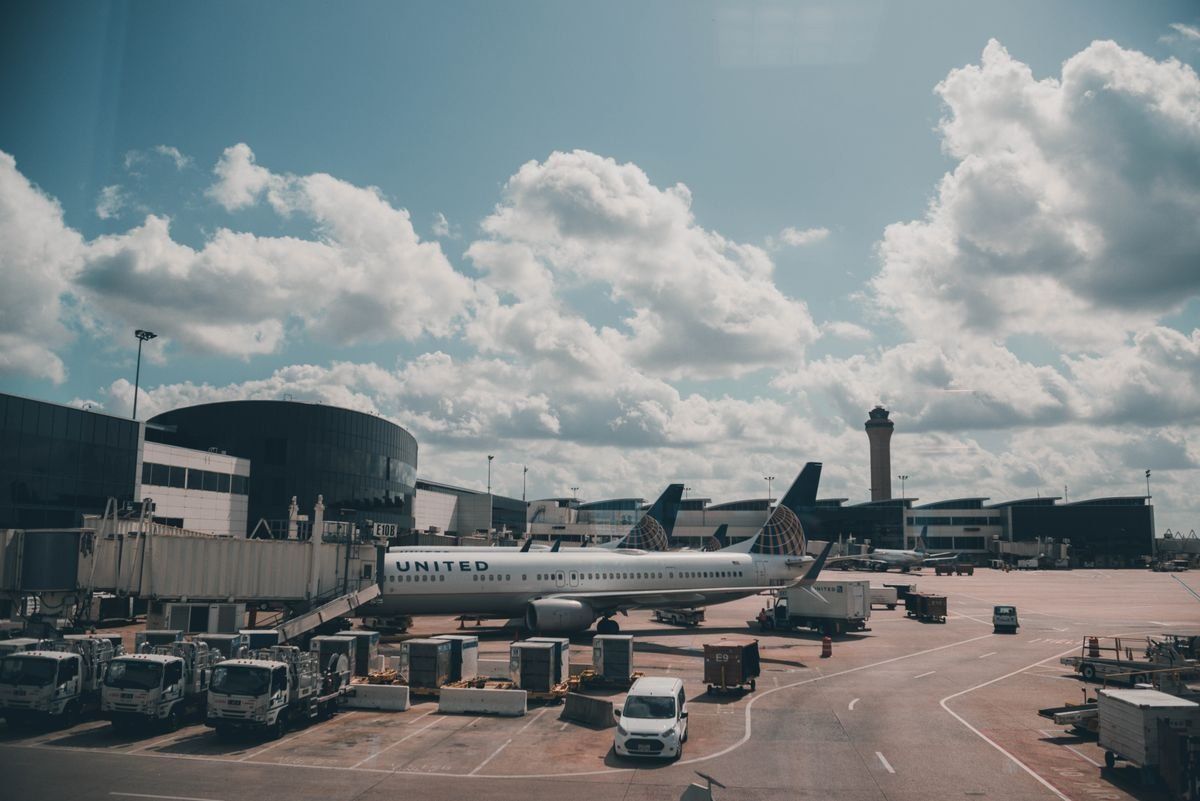
Security screening in 2026 is evolving, but not every lane works the same way. The biggest practical shifts are the wider use of advanced scanners, the end of routine shoe removal for many travelers, and more airport-specific procedures around electronics and liquids. Travelers should still expect screening rules to vary by location.
This matters because airports now mix old and new systems. One checkpoint may feel wonderfully efficient, while another still requires the traditional tray-juggling choreography. So yes, you may breeze through one terminal and then immediately question your packing life choices in the next.
Shoes usually stay on
Most travelers no longer need to remove their shoes during normal TSA screening. This change began earlier and continues into 2026, although officers can still require shoe removal during additional screening or if something triggers a closer inspection.
That means the classic airport yoga pose of balancing on one foot while untangling your laces is no longer a standard part of the journey. Progress.
The liquids rule is still not gone
The long-standing 3-1-1 rule for liquids, aerosols, and gels still applies in most situations. Containers must generally be no larger than 3.4 ounces or 100 milliliters, all fitting into one clear quart-size bag per traveler.
Some upgraded scanners may allow different handling in certain lanes, but that does not mean every airport has abandoned the rule. Until TSA formally changes it nationwide, assume the rule is still active. Your oversized shampoo is not a misunderstood artist; it is still probably getting flagged.
Electronics and screening may vary
Advanced screening technology is expanding, and some airports let travelers keep electronics inside their bags in certain lanes. However, procedures still depend on the checkpoint, equipment, and staff instructions given on the day of travel.
The safest approach is simple:
- Pack laptops and larger electronics where they are easy to reach.
- Listen to the officers at your specific lane.
- Do not assume the rules from your last airport will apply at the next one.
New gate access for some non-ticketed visitors
In 2026, a limited TSA pilot program allows some approved non-ticketed visitors to pass through security and go to the gate area. This program is linked to TSA PreCheck eligibility or a Known Traveler Number and is only available at selected airports.
This is one of the most talked-about changes because it partially brings back a pre-9/11 airport experience. Approved visitors may be able to accompany loved ones to departure gates, meet arriving passengers, or spend time in the secure terminal area. It is sweet, practical, and just nostalgic enough to make people suddenly remember airport Cinnabon with suspicious emotion.
How the gate-access program works
Eligible participants generally need to apply in advance, usually one to three days before the airport visit. If approved, they receive a pass allowing access through security, but they cannot board the aircraft.
The program is not open to everyone, and availability can change depending on the airport and operational conditions. It is best understood as a trial benefit for trusted travelers, not a universal return to unrestricted terminal access.
| Rule or update | What it means in practice |
|---|---|
| REAL ID enforcement | You need a compliant ID or an accepted alternative like a passport for domestic flights. |
| $45 identity verification option | Travelers without proper ID may pay a fee for TSA to attempt identity verification, but approval is not guaranteed. |
| Shoes-on screening | Most passengers can keep shoes on unless additional screening is required. |
| Liquids limits remain | The 3-1-1 rule still applies in most standard screening lanes. |
| Gate access for approved visitors | Some non-passengers can enter secure areas at selected airports after advance approval. |
Lithium batteries, power banks, and restricted items
Battery-related rules remain strict in 2026. Spare lithium batteries and power banks should generally travel in your carry-on baggage, not in checked luggage. Some airlines may also ask passengers to keep battery packs with them rather than storing them in overhead bins.
This is driven by fire safety concerns, not by a secret airport vendetta against your portable charger. If you travel with cameras, drones, tablets, or multiple devices, check both TSA and your airline’s battery guidance before departure.
As for newly banned items, broad headlines can be confusing. Rather than assuming there are “three new TSA-banned items” everywhere, it is more accurate to say that prohibited-item enforcement remains active and can vary based on the category of item, airline policy, and current security guidance. Firearms, many self-defense items, certain tools, and hazardous materials continue to cause problems at checkpoints.
How to prepare for US airport rules in 2026
The best way to handle the 2026 airport updates is to prepare before arriving at the terminal. Most issues now come from identification mistakes, battery packing errors, and assumptions that one airport’s procedures apply everywhere. A quick check before leaving home can save serious time.
Think of it as a travel ritual: wallet, passport, charger, dignity. Ideally all packed before the taxi arrives.
- Check whether your ID is REAL ID-compliant.
- Bring a passport if you want a reliable backup form of identification.
- Keep liquids within 3.4 oz / 100 ml unless an exception applies.
- Place power banks and spare lithium batteries in your carry-on.
- Arrive early, especially at major hubs or during peak travel periods.
- Review your airline’s rules, because airlines sometimes add their own layers to the fun.
Why these changes matter for travelers
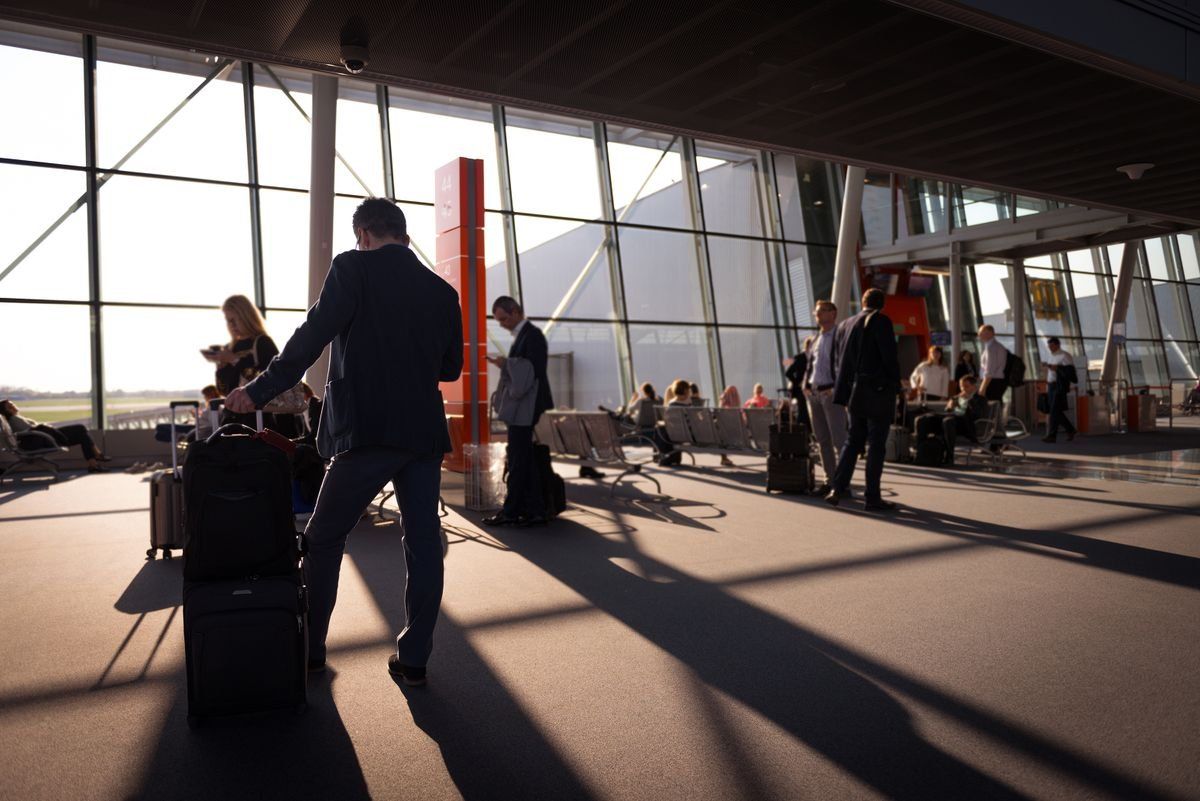
The 2026 airport updates matter because they make preparation more important, not less. While some rules are more traveler-friendly, such as keeping shoes on or limited gate access, other areas involve tighter enforcement, especially around identity checks and safety items.
The overall direction is clear: US airports are aiming for faster processing with more targeted controls. For travelers, that means fewer surprises if you plan well, and more frustration if you improvise. Airports are many things, but they are rarely generous to the unprepared.
Before you head to the airport
For most people, the practical takeaway is simple: carry the right ID, follow standard liquid limits, keep batteries in your carry-on, and verify airport-specific procedures when possible. The 2026 rules are not designed to make travel impossible, but they do reward a bit of homework.
And once you have navigated security like a seasoned pro, there is still the fun part: the trip itself. If the US is on your radar, take a look at the WeRoad group trips and find an adventure where the only thing you need to overthink is what snack to buy at the gate.
FAQ
- Is a REAL ID required to fly domestically in the US in 2026?
-
Yes. For domestic flights in 2026, travelers generally need a REAL ID-compliant license or another accepted form of identification, such as a passport.
- Can I still fly if I arrive at the airport without a REAL ID?
-
Possibly, but it may be more difficult. TSA may offer an identity verification process with a fee, but clearance is not guaranteed and delays are likely.
- Do I need to take off my shoes at TSA in 2026?
-
In most cases, no. Routine shoe removal is no longer required for many travelers, though TSA can still ask you to remove them during additional screening.
- Are liquids still limited in carry-on bags?
-
Yes. In most standard screening lanes, the 3-1-1 liquids rule still applies, meaning containers should be 3.4 ounces or 100 milliliters or less.
- Can someone without a ticket go to the gate at a US airport in 2026?
-
At some airports, yes. A limited pilot program allows certain approved non-ticketed visitors to pass through security and access gate areas after applying in advance.
- Where should I pack my power bank when flying in 2026?
-
Pack your power bank and spare lithium batteries in your carry-on, not in checked baggage. Always check airline-specific rules too.