In a nutshell
- Autumn is one of the best-balanced seasons in Iceland, combining fewer crowds, more competitive prices, and enough daylight for road trips with dark enough nights for aurora viewing.
- September and October are especially appealing because they offer accessible main routes, colorful landscapes, and a realistic chance to see the Northern Lights without full winter conditions.
- The most rewarding regions include the Golden Circle, the South Coast, and Snæfellsnes, where you can experience waterfalls, black sand beaches, volcanic scenery, glacier views, and strong photo opportunities in a compact itinerary.
- Weather is highly changeable, so packing waterproof layers, warm accessories, and sturdy boots is essential, while driving plans should always be adapted to current road and wind conditions.
- A successful trip depends on flexibility: check forecasts daily, book key experiences ahead, stay outside Reykjavík if auroras are a priority, and embrace geothermal lagoons as part of the autumn Iceland experience.
Autumn is one of the most rewarding times to explore Iceland. The landscapes shift from summer greens to rusty reds and golden moss, the crowds thin out, and the nights grow dark enough for aurora spotting without the full intensity of deep winter. It is that rare travel sweet spot where dramatic scenery, manageable logistics, and seasonal atmosphere all show up at once.
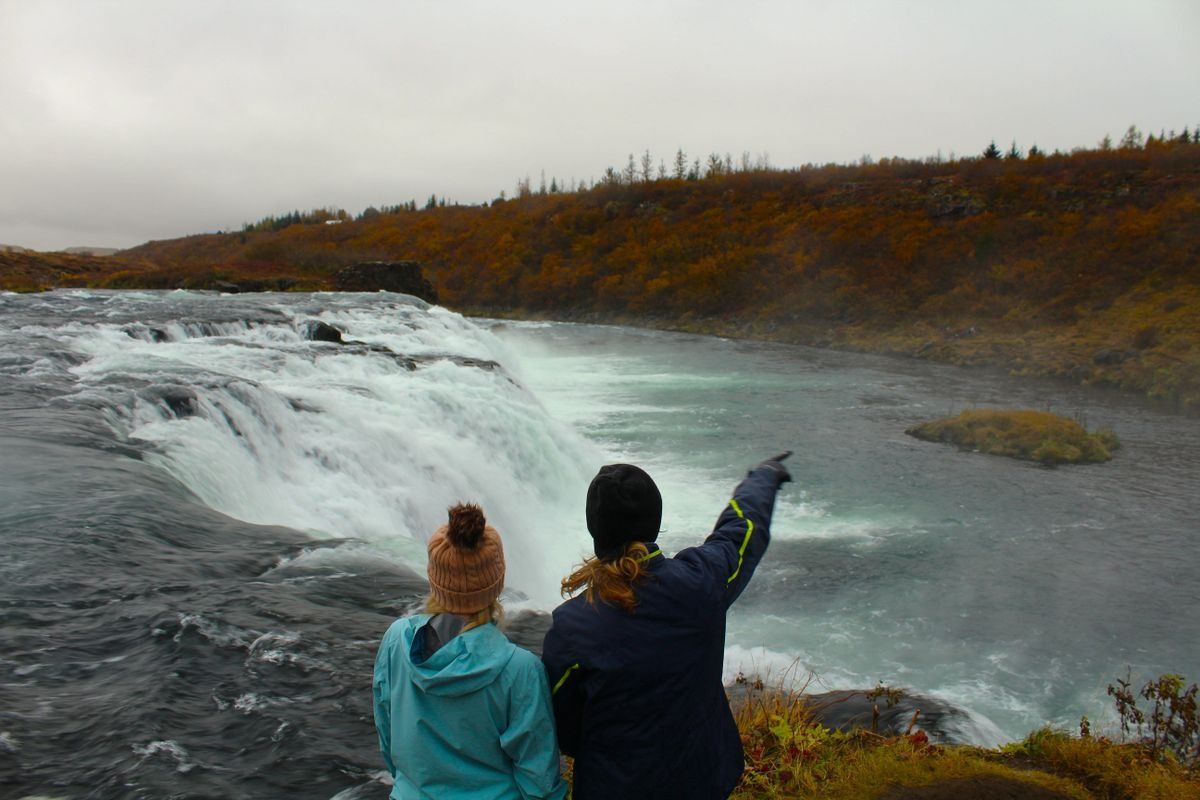
There is also something delightfully theatrical about the country at this time of year. One minute you are admiring a waterfall in soft golden light, the next you are being politely bullied by the wind into tightening every zip you own. That, in a very Icelandic way, is part of the charm.
Why autumn is a great time to visit Iceland
Autumn offers a balanced mix of accessibility, lower visitor numbers, and seasonal highlights. You still have enough daylight for road trips and sightseeing, while the darker evenings improve your chances of seeing the Northern Lights. Prices can also be more favorable than in peak summer, especially for flights and accommodation.
From September through October, and even into early November, many travelers find that Iceland feels more spacious and immersive. Famous stops such as the Golden Circle, the South Coast, and the Snæfellsnes Peninsula are often easier to enjoy without summer’s constant parade of buses and elbows.
- Fewer crowds at major natural attractions
- Better aurora potential thanks to longer, darker nights
- Beautiful fall colors across moss fields, birch groves, and lava landscapes
- Good road access on main routes before winter conditions fully settle in
- Shoulder-season value compared with high summer
Weather in Iceland during the fall months
Autumn weather in Iceland is cool, changeable, and often windy. Temperatures are generally milder than many first-time visitors expect, but conditions can shift quickly during the day. Rain is common, and by late autumn some areas may also see frost or early snow, especially outside the south-west.
In practical terms, this means one thing: prepare for variety. A bright morning can become a moody, sideways-rain sort of afternoon with almost comic speed. Iceland does not really “do” predictable, and honestly, that is part of why every drive looks like a movie trailer.
| Month | Average temperature | Daylight | What to expect |
|---|---|---|---|
| September | 8°C to 12°C | 12 to 14 hours early in the month | Milder weather, early fall colors, first strong aurora chances |
| October | 2°C to 7°C | 8 to 11 hours | Cooler air, darker evenings, great balance for sightseeing and aurora hunting |
| November | -1°C to 4°C | 5 to 8 hours | More winter-like conditions, fewer people, stronger need for flexible plans |
Is October a good time to go?
October is often one of the best months for travelers who want both scenery and atmosphere. Roads on the main tourist routes are usually still open, the nights are properly dark, and the landscapes become more dramatic as autumn edges toward winter.
It is a particularly good choice if your wish list includes waterfalls, black sand beaches, scenic drives, and a real chance of seeing the sky put on a green neon performance. Just keep your plans flexible and your layers smarter than your optimism.
Northern Lights in Iceland in autumn
The aurora season returns in autumn as the nights become dark enough after summer. September, October, and November can all offer good viewing opportunities, especially when skies are clear and solar activity cooperates. No one can guarantee an aurora sighting, but fall gives you a realistic shot without peak winter travel conditions.
Yes, it is possible to see the Northern Lights in Iceland in October. In fact, October is one of the more appealing months because you get long enough darkness for aurora chasing while still enjoying easier daytime travel than in the heart of winter.
For the best chance, head away from city lights and keep an eye on the weather forecast and cloud cover. Popular areas for aurora watching include:
- Þingvellir National Park
- The countryside along the South Coast
- The area around Jökulsárlón Glacier Lagoon
- Open viewpoints on the Snæfellsnes Peninsula
- Dark coastal spots outside Reykjavík
A little patience helps too. Sometimes the lights arrive with cinematic grandeur. Sometimes you stand outside for an hour dressed like an insulated onion, questioning your life choices, and then suddenly the sky remembers to be magical.
Best places to see in Iceland in autumn
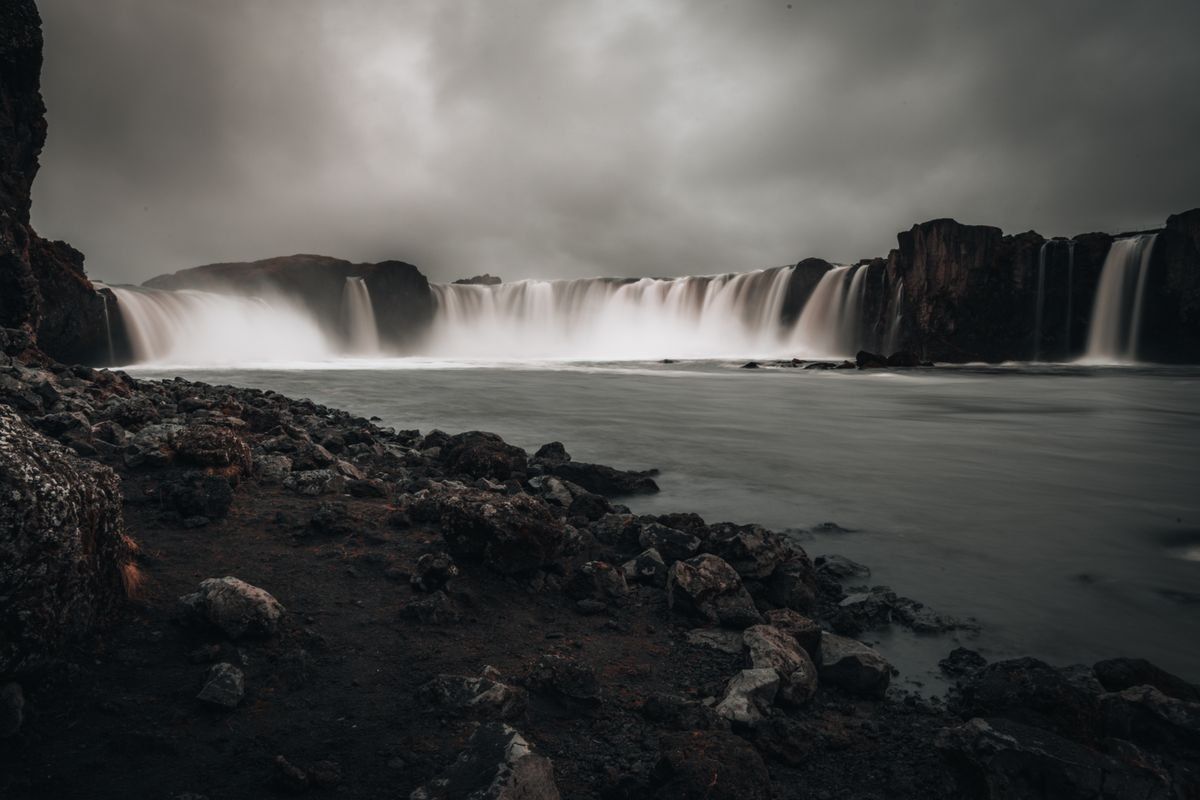
Autumn suits Iceland’s major landscapes especially well. Waterfalls run strong, beaches look moodier, volcanic terrain gains warmer tones, and lower light makes photography particularly rewarding. If you are planning a first trip, focus on regions with easy access and a high concentration of iconic sights.
The Golden Circle
The Golden Circle is ideal for a short itinerary because it combines geological variety and easy access from Reykjavík. In one route, you can walk through the rift valley at Þingvellir National Park, watch geysers erupt in the Geysir area, and feel the spray at Gullfoss.
Add Kerið volcanic crater if you want a stop that feels especially photogenic in autumn. Its still water and red volcanic slopes work beautifully under softer seasonal light.
The South Coast
The South Coast is the classic Iceland road trip for a reason. It brings together waterfalls, glaciers, lava fields, black beaches, and some of the country’s most cinematic views in a relatively compact area.
Highlights include Seljalandsfoss, Skógafoss, the black sand beach of Reynisfjara, and the glacier lagoon of Jökulsárlón. In autumn, the lower sun often creates richer contrast and fewer people around the viewpoints, which is excellent news for both photographers and people who enjoy not being photobombed by forty-seven parkas.
Snæfellsnes Peninsula
The Snæfellsnes Peninsula is one of the best alternatives to a full Ring Road trip. It packs waterfalls, cliffs, lava fields, small fishing villages, and the famous silhouette of Kirkjufell into a more manageable distance.
This region feels especially atmospheric in fall, when cloud shadows move quickly across the landscape and the coast looks wild in the best possible way. If Iceland had a “dramatic but effortlessly cool” cousin, this would be it.
Driving in Iceland in fall
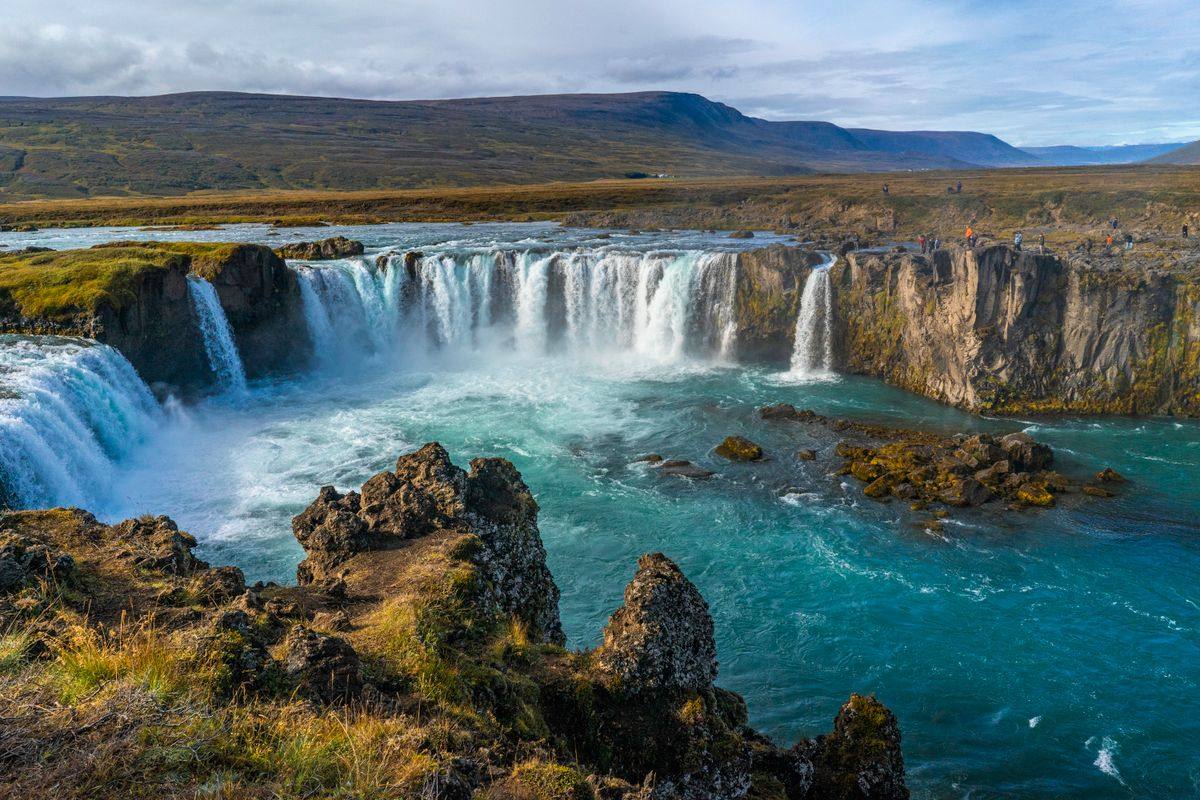
Driving in autumn is usually straightforward on Iceland’s main roads, but conditions require attention. Weather, wind, and sudden changes in visibility can affect travel times, and highland roads often close as the season progresses. Always check weather and road updates before setting out.
The Ring Road remains the backbone of most self-drive itineraries, especially in September and October. A 4×4 is not always necessary for the main paved routes, but it can add confidence if your itinerary includes rural detours or travel later in the season.
- Check weather forecasts daily
- Review road conditions before every long drive
- Avoid stopping on the road for photos
- Respect wind warnings, especially near the coast
- Do not attempt off-road driving, which is illegal and harmful to the environment
What to pack for an autumn trip to Iceland
Packing well is essential because comfort in Iceland depends more on clothing strategy than on the forecast. Layers, waterproof gear, and sturdy footwear will make a much bigger difference than packing extra outfits for dinner.
Think practical first. This is not the destination for flimsy trainers and one fashionable coat with “good vibes.” The wind has no respect for your aesthetic.
- Waterproof jacket with a hood
- Thermal or merino base layers
- Fleece or wool mid-layer
- Waterproof hiking boots with grip
- Warm hat, gloves, and scarf
- Waterproof trousers for waterfalls and wet trails
- Swimwear for geothermal lagoons and hot springs
- Tripod or camera support if you want aurora photos
Useful travel tips for visiting Iceland in the fall
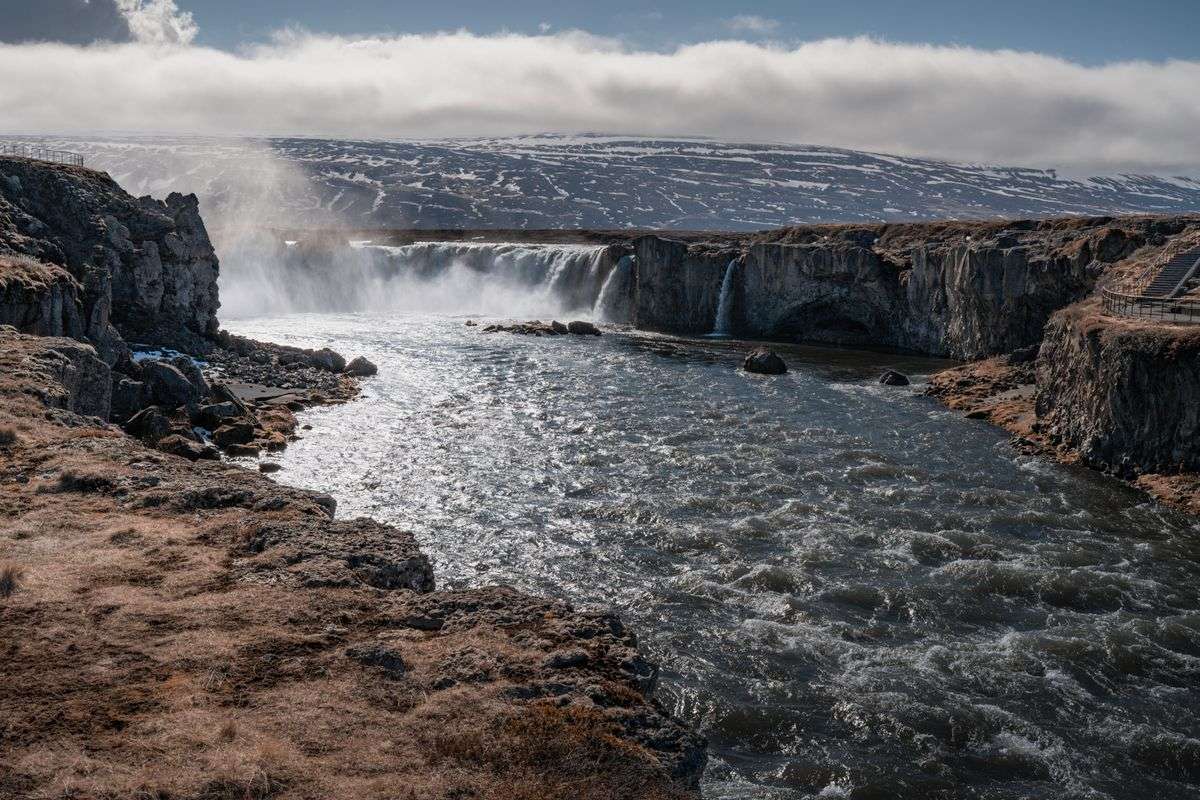
A successful autumn trip in Iceland depends on staying flexible. Weather may alter your plans, but that does not mean the trip is ruined. Often, the best moments come from adapting your route, changing the time of a visit, or simply waiting out a storm with coffee and a cinnamon bun.
Keep these practical tips in mind:
- Book popular experiences in advance, especially Blue Lagoon or guided aurora tours
- Stay at least a few nights outside Reykjavík if seeing the aurora matters to you
- Use geothermal pools and lagoons as part of the plan, not just a backup
- Carry snacks and water for long drives
- Bring basic tissues or toilet paper for remote stops, as facilities can vary
That last point is not glamorous, but neither is discovering the bathroom situation too late. Travel wisdom is sometimes less “Eat, Pray, Love” and more “Ah, good, I packed tissues.”
The WeRoad tip
Plan one “first clear night” and one “late-evening South Coast” moment
One of the smartest ways to experience Iceland in autumn is not to over-script every hour, but to leave room for two very specific moments. On your first clear night, head just outside Reykjavík to a lighthouse or dark coastal viewpoint and scan the sky without rushing. It is a simple start, but a brilliant one: no long drive after your flight, no heroic expedition energy, just the sea, the wind, and that delicious feeling that the aurora could show up at any minute.
Then save one later evening for the South Coast. Seeing the spray of Skógafoss and Seljalandsfoss in low autumn light, or watching the black sands near Reynisfjara turn moodier by the minute, gives the whole day a cinematic quality. If the forecast really smiles on you, the dream move is ending near Jökulsárlón, where the northern lights can reflect off floating icebergs like nature decided to show off a little. And after all that? Slip into a geothermal lagoon and keep looking up through the steam. Very few endings beat that.
A season that shows Iceland at its most atmospheric
Autumn reveals a version of Iceland that feels both accessible and elemental. You get colorful landscapes, powerful waterfalls, dark skies for aurora watching, and enough daylight to keep exploring. For many travelers, it is the season that delivers the best overall balance between comfort, drama, and adventure.
If the idea of chasing waterfalls by day and scanning the sky for green ribbons by night sounds like your kind of trip, it may be time to discover the WeRoad group trips to Iceland and experience this wild island with fellow travelers who are ready for a little weather and a lot of wonder.
FAQ
- Can you see the Northern Lights in Iceland in October?
-
Yes, October is a very good month for aurora viewing in Iceland. Nights are dark enough, and the weather is often more manageable than in peak winter. Clear skies and low light pollution are still essential.
- Is autumn a good season for a first trip to Iceland?
-
Yes, it is often ideal for first-time visitors. You can combine classic sightseeing with a chance to see the Northern Lights, while avoiding the biggest summer crowds and the more demanding logistics of winter.
- What is the weather like in Iceland in the fall?
-
Expect cool temperatures, wind, rain, and fast-changing conditions. September is generally milder, while November can feel much closer to winter. Layered and waterproof clothing is the best approach.
- Should I bring toilet paper to Iceland?
-
You do not need to pack large amounts, but carrying tissues or a small roll can be useful on long drives or at remote stops. Facilities are usually good, though not every stop is equally well stocked.
- What is the worst month to visit Iceland?
-
There is no universally worst month, because it depends on your priorities. If you dislike very short days and weather-related disruptions, late winter can feel challenging. If you want hiking in the Highlands, winter is not ideal. For many travelers, autumn avoids both extremes.