In a nutshell
- Fall in Japan usually runs from mid-September to early December, with the foliage moving gradually from Hokkaido and mountain regions down to Tokyo, Kyoto, and Kyushu, making trip planning more flexible than spring blossom season.
- Kyoto and Tokyo are the top classic bases: Kyoto stands out for temples, gardens, and traditional scenery, while Tokyo offers parks, ginkgo avenues, and excellent day trips such as Nikko, Hakone, and Mount Takao.
- The best foliage destinations vary by travel style, from the urban elegance of Rikugien and Shinjuku Gyoen to the dramatic mountain landscapes of Daisetsuzan, Kamikochi, and the Japanese Alps.
- A 10-day itinerary works especially well by combining Tokyo, a scenic excursion, Kyoto, Nara, and either Osaka or Hakone, creating a trip that balances culture, nature, food, and efficient transport.
- Advance planning matters: book accommodation early, monitor yearly foliage forecasts, travel on weekdays when possible, and pack layers so you can adapt easily between cool city evenings and colder high-altitude stops.
Japan in fall feels like the country decided to show off a little. Temples glow under red maple leaves, city parks turn gold, mountain trails become cinematic, and even an ordinary train ride suddenly looks like it belongs in a studio ghibli daydream. It’s one of the best seasons to visit thanks to mild weather, rich colors, and a rhythm that invites you to slow down.
The real magic is that the season moves across the country over several weeks. That means you can plan around timing, region, and travel style instead of gambling everything on a few peak days. From Hokkaido to Kyoto, there’s a long window to enjoy the leaves, the food, and the atmosphere that makes Japan in fall so memorable.
When to see the fall colors in Japan
The best time depends on where you go. In general, the colors begin in Hokkaido around mid to late September, reach central regions such as Tokyo and Kyoto from late October to late November, and continue into early December in milder southern areas like Kyushu.
Unlike cherry blossom season, fall in Japan is a little more forgiving. You usually get a wider viewing window, especially if you include different elevations in your route. Mountain areas change earlier, while cities and lowland temple gardens often peak later. In practical terms: nature is still dramatic, but slightly less chaotic. We love a diva with better scheduling.
| Region | Typical start | Best viewing period |
|---|---|---|
| Hokkaido | Mid-September | Late September to early October |
| Tohoku | Late September | Early to mid-October |
| Japanese Alps / Nagano | Late September | Early to mid-October |
| Tokyo and Kanto | Mid to late October | Late October to late November |
| Kyoto and Kansai | Late October | Mid-November to early December |
| Kyushu | Early November | Mid-November to early December |
Why Japan in fall is worth it
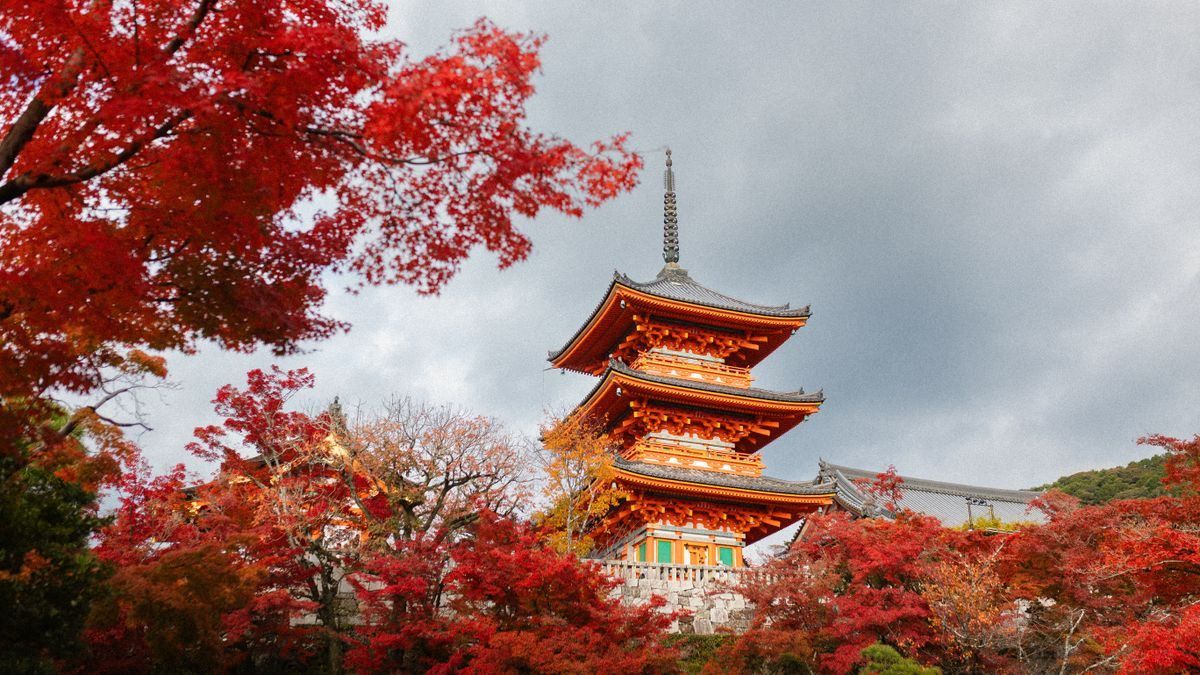
Japan in this season offers a rare balance of pleasant temperatures, cultural depth, and exceptional scenery. You can combine urban exploration, temple visits, scenic hikes, and regional food without dealing with summer humidity or winter cold. For many travelers, it is the most complete time of year to experience the country.
There’s also something deeply atmospheric about it. Shrines feel quieter, gardens more reflective, and even the snack game improves. Think roasted sweet potatoes, chestnuts, mushrooms, persimmons, and steaming bowls of ramen that somehow taste even better when you’re wearing a light jacket. Scientifically proven? No. Emotionally proven? Absolutely.
- Mild weather in most regions
- Longer foliage season than spring blossom peaks
- Beautiful contrast between nature and historic architecture
- Seasonal food and local festivals
- Excellent conditions for walking, train travel, and photography
Best places to enjoy the autumn leaves
The best destinations depend on the kind of trip you want. For famous temple scenery, head to Kyoto. For easy city access with parks and gardens, choose Tokyo. For earlier colors and mountain landscapes, look at Hokkaido, Nikko, or the Japanese Alps.
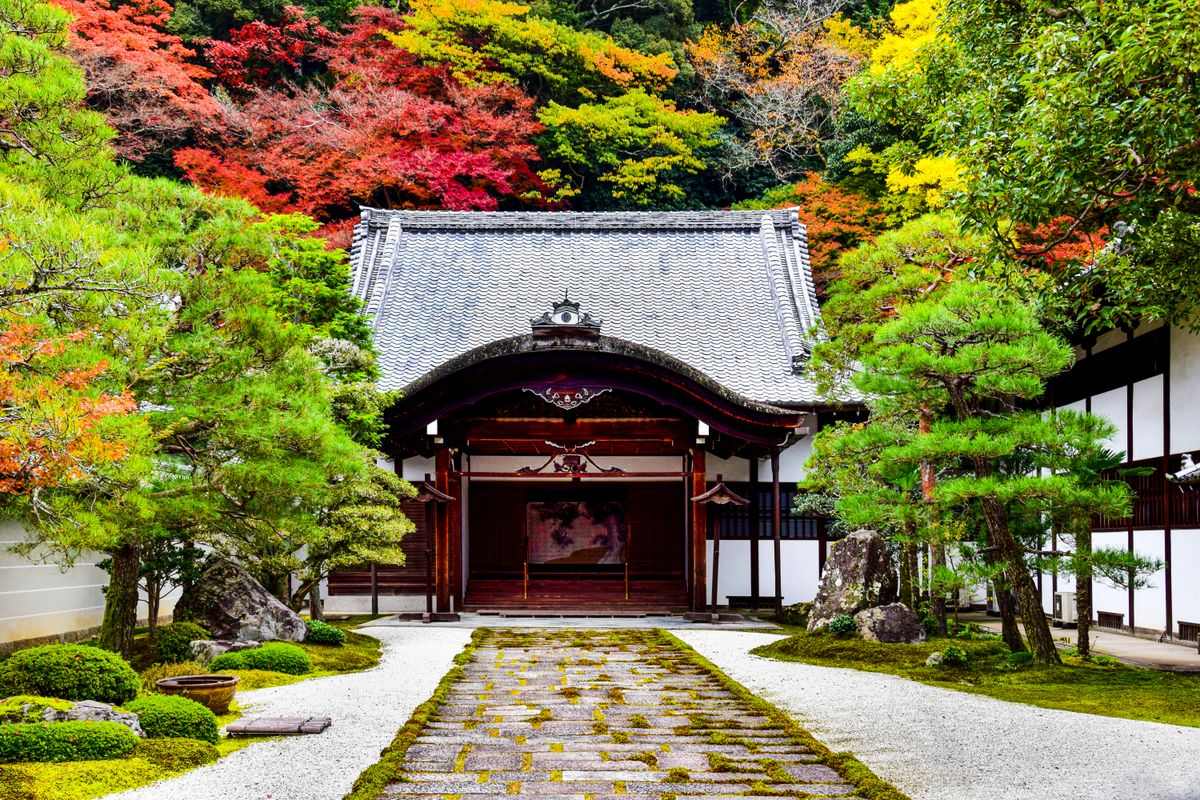
Kyoto: temples framed by red maples
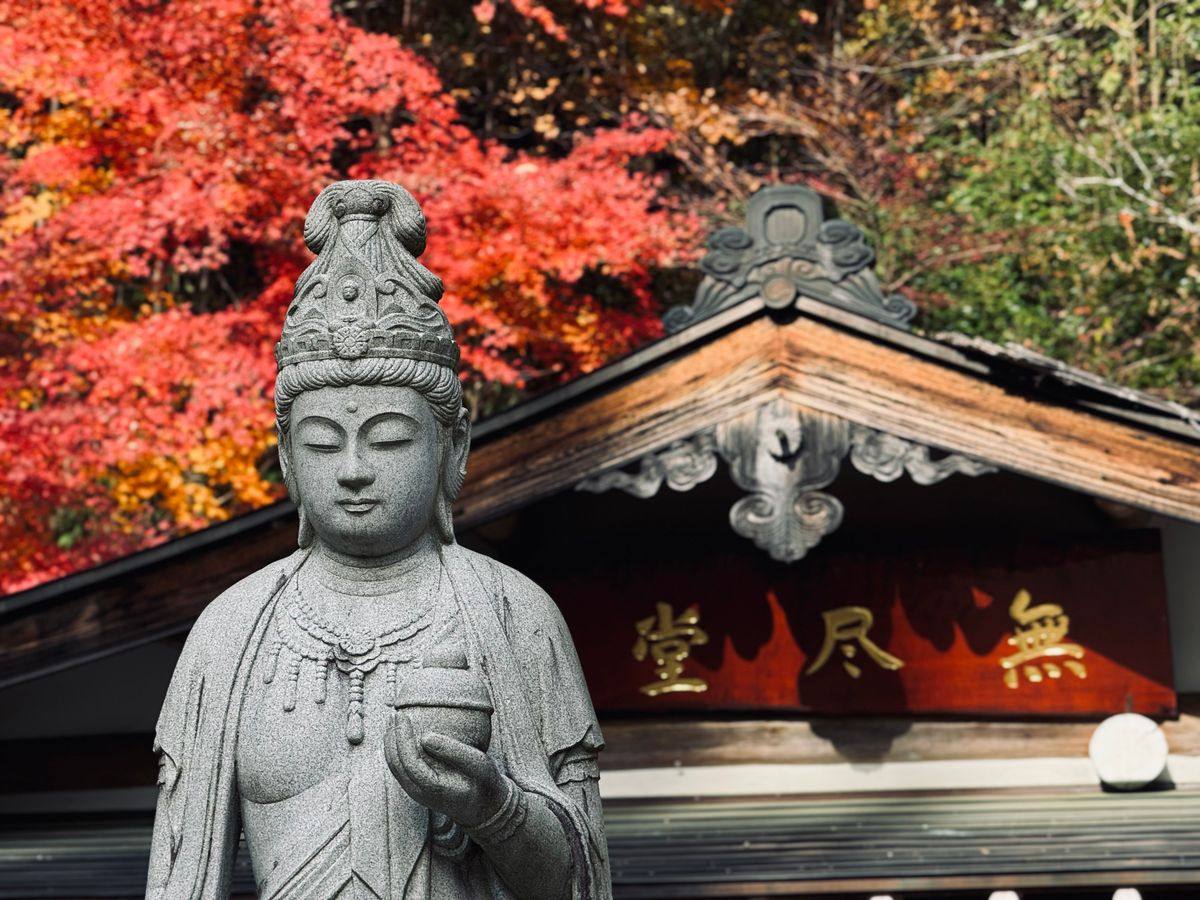
Kyoto is one of the most iconic places to experience the season. The city’s temples, Zen gardens, bridges, and wooded hills create that classic image many travelers imagine when planning a fall trip to Japan.
Top spots include Tofuku-ji, Eikando, Nanzen-ji, Kiyomizu-dera, and Tenryu-ji. Peak color usually arrives from mid-November into early December, and some temple illuminations extend the experience into the evening. If you want the dreamy photos without sharing them with half the planet, go early in the morning. Very early. Alarm-clock-resentment early.
Tokyo: foliage in the middle of the metropolis
Tokyo may be famous for neon and skyscrapers, but in fall it becomes unexpectedly leafy. The city has excellent gardens and park avenues where ginkgo and maple trees turn bright yellow, orange, and red.
Good options include Rikugien, Shinjuku Gyoen, Ueno Park, Yoyogi Park, and the famous Jingu Gaien ginkgo avenue. If you want a day trip, Mount Takao and Okutama offer a more natural setting. It’s a nice reminder that Tokyo can do softness too, not just efficient chaos and dangerously tempting convenience stores.
Nikko and Hakone: easy scenic escapes
If you want classic landscapes near the capital, Nikko and Hakone are excellent additions. Both combine nature, heritage, and manageable access from Tokyo, making them ideal for first-time visitors.
In Nikko, look for Lake Chuzenji, Ryuzu Falls, and forested roads at higher elevations. In Hakone, enjoy views around Lake Ashi, mountain slopes, museums, and hot springs. Yes, a soak in an onsen while leaves glow outside is as unfairly perfect as it sounds.
Hokkaido and the Japanese Alps: for early foliage
Travelers heading north or into higher mountains can catch the season earlier. These regions are ideal if you visit Japan from mid-September to mid-October and want dramatic landscapes rather than city gardens.
Daisetsuzan National Park in Hokkaido is among the earliest and most spectacular places for the colors. In central Japan, Kamikochi, Tateyama, and other parts of the Japanese Alps offer rivers, alpine peaks, and forests turning gold and crimson. Bring layers and sturdy shoes: this is where the scenery starts acting cinematic and the temperature starts negotiating.
A perfect 10-day itinerary for Japan in fall
A well-balanced route should combine major cities, temple districts, and at least one scenic area outside the urban centers. A 10-day plan works particularly well because it allows enough time to enjoy the foliage without turning the trip into a race between train platforms.
- Days 1-3: Tokyo
Explore Asakusa, Shibuya, and Meiji Shrine, then add Rikugien and Shinjuku Gyoen for seasonal colors. - Day 4: Nikko or Mount Takao
Take a day trip for forests, lakes, and temple scenery beyond the city. - Days 5-7: Kyoto
Visit Kiyomizu-dera, Nanzen-ji, Eikando, Arashiyama, and Tofuku-ji. - Day 8: Nara
See Todai-ji, parkland, and deer wandering through an almost suspiciously photogenic setting. - Days 9-10: Osaka or Hakone
Choose Osaka for food and urban energy, or Hakone for hot springs and mountain views.
Tokyo vs Kyoto for fall foliage
Both cities are excellent, but they offer different experiences. Tokyo is easier for combining urban travel with parks and day trips, while Kyoto delivers a more traditional atmosphere with temples and gardens at the center of the experience.
| Destination | Best for | Typical peak | Style |
|---|---|---|---|
| Tokyo | Parks, gardens, easy day trips | Late November | Urban and varied |
| Kyoto | Temples, classic scenery, traditional ambiance | Mid-November to early December | Historic and atmospheric |
If you have time, the best answer is simple: do both. One gives you polished city energy, the other gives you contemplative temple beauty. Together, they make a very convincing argument for extending your vacation and ignoring your inbox.
WeRoad Tips
Experience Fall Like a Local in Japan
If you’re traveling to Japan in the fall, there are a few experiences worth adding to your list that often get overlooked on more traditional itineraries. In Kyoto, head out of the city center and make your way to Kurama on October 22 for the Kurama no Hi Matsuri. As night falls, the small mountain village comes alive with huge flaming torches, creating an atmosphere that feels worlds away from postcard-perfect Kyoto.
If you’re visiting in November, take a detour to Ishiyamadera, near Lake Biwa, and get there in the late afternoon. You’ll catch the maple trees in natural light, then stay for the evening illuminations, when the temple grounds and pathways take on a completely different feel. Another insider tip is to spend a night in the Fukui area and visit Eiheiji early in the morning, before the day-trippers arrive. Surrounded by towering cedars, mist, and fiery fall foliage, it’s one of the most atmospheric places to experience autumn in Japan.
And always keep an eye out for local markets, street stalls, and small neighborhood shops. Fall is the season for freshly roasted yaki-imo (sweet potatoes), chestnuts, persimmons, and kuri sweets. It’s these little detours and seasonal discoveries – not just chasing the most famous fall foliage spots – that can make a fall trip to Japan truly memorable.
Planning tips for a smooth fall trip
Booking early is important because this is one of Japan’s most popular travel periods. Hotels in Tokyo, Kyoto, and major scenic destinations can fill quickly, especially on weekends and around national holidays.
- Book accommodation 4 to 6 months ahead if possible
- Check annual foliage forecasts close to departure
- Prefer weekday visits for famous temples and gardens
- Pack layers for cooler evenings and mountain day trips
- Start sightseeing early in the morning to avoid crowds
It also helps to stay flexible. A few days’ difference can change the experience a lot, especially across elevations. If the city leaves are not ready yet, head uphill. If the mountains are past peak, move south or lower. Basically, let the leaves lead the dance.
Forecasts for 2026 and how to use them
Exact dates for 2026 will depend on temperatures, rainfall, and elevation, so no forecast should be treated as a rigid promise. As a rule, expect the same broad pattern: early color in the north and mountains, then a gradual shift toward central and southern Japan through November and early December.
The smartest approach is to use official or regularly updated local forecasts shortly before your trip, then match them with a route that includes more than one region. That way, even if one stop is a little early or late, another will likely be close to peak. In other words: trust the trend, not the drama.
Ready to plan your trip?
Japan in fall combines spectacular natural color with centuries-old temples, excellent food, and some of the most enjoyable travel conditions of the year. Whether you focus on Kyoto, explore the parks of Tokyo, or chase the season from north to south, the experience is rich, flexible, and genuinely unforgettable.
If this sounds like your kind of adventure, take a look at the WeRoad group trips to Japan and discover the best way to experience the country with fellow travelers who also won’t shut up about that one perfect maple tree.
FAQ
- What month is best for seeing fall leaves in Japan?
-
November is generally the best month for most travelers, especially for places like Tokyo and Kyoto. If you travel earlier, head to Hokkaido or the mountains; if you travel later, southern regions can still offer great color into early December.
- Where is the best place to see fall colors in Japan?
-
There is no single best place for everyone. Kyoto is ideal for temple scenery, Tokyo for city parks and easy access, Nikko for lakes and forests, and Daisetsuzan National Park for early and dramatic mountain landscapes.
- What is the autumn foliage forecast for Japan in 2026?
-
The detailed 2026 forecast will be refined closer to the season, but the usual pattern should remain similar: colors start in Hokkaido around September, reach central Japan in November, and continue into early December in milder southern areas.
- Is it worth going to Japan in fall?
-
Yes, absolutely. Fall offers comfortable weather, beautiful scenery, seasonal food, and a long travel window. It is one of the best times to explore cities, temples, gardens, and natural areas without the heavy humidity of summer.
- How many days do you need for a fall trip to Japan?
-
10 days is a strong starting point for a first trip. It gives you enough time to combine Tokyo, Kyoto, a day trip such as Nikko or Hakone, and one more stop like Nara or Osaka without rushing too much.