In a nutshell
- The Serengeti is one of Africa’s top safari destinations, known for its vast landscapes, high concentrations of wildlife, and exceptional sightings of lions, cheetahs, leopards, elephants, zebras, and wildebeest across different habitats.
- The best travel period depends on your goals: June to October is ideal for dry-season game viewing, January to March works well for calving season and predator action, while migration sightings depend more on park region than on one single month.
- Choosing the right area is crucial: central Serengeti is reliable all year, the south is best for calving season, the west is important during migration movement toward Grumeti, and the north is the key zone for Mara River crossing season.
- Safari costs vary a lot by style, from budget camping tours to luxury fly-in experiences, with pricing shaped by park fees, guide services, accommodation level, internal transport, and optional extras such as balloon safaris.
- A well-built Tanzania itinerary often includes more than the Serengeti, combining Arusha, Tarangire, and Ngorongoro for a richer and more balanced trip, with the option to finish in Zanzibar for a beach extension.
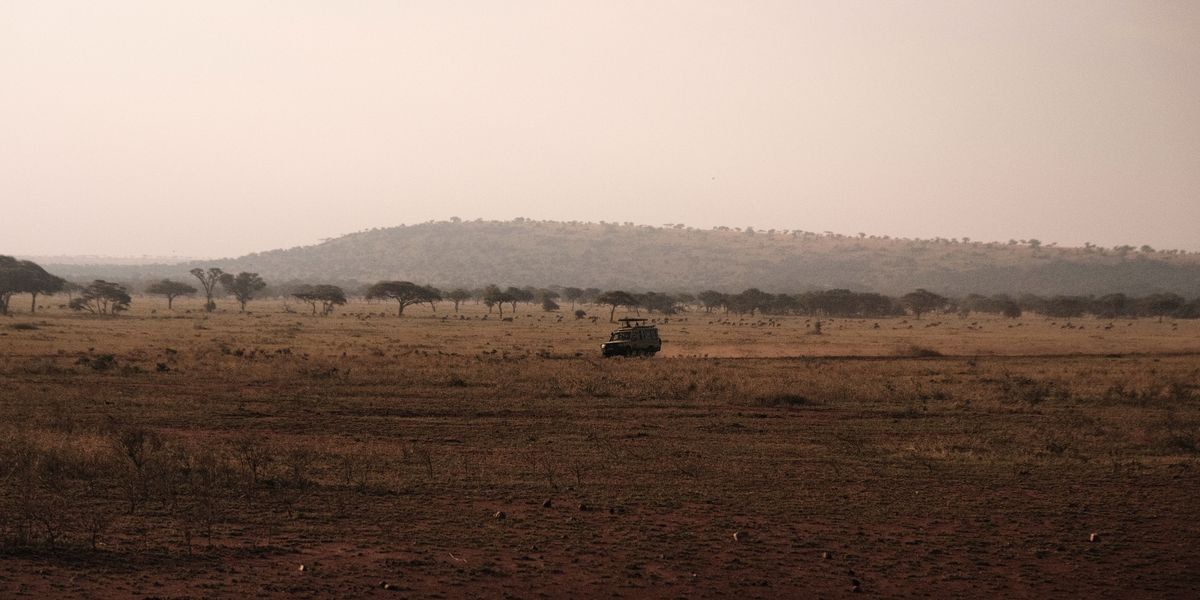
The Serengeti is one of those places that feels almost unreal until you are actually there, bumping along a dusty track while a giraffe strolls past like it owns the road. In northern Tanzania, this iconic park delivers vast landscapes, extraordinary wildlife, and some of the most memorable safari experiences in Africa.
A trip here is not only about ticking animals off a list. It is about understanding where to go, when to travel, how much to budget, and how to build an itinerary that makes sense. Because yes, seeing a lion is thrilling. Seeing a lion ten minutes after your coffee while pretending you are now a wildlife documentary narrator? Even better.
Why the Serengeti stands out
The Serengeti stands out for its scale, wildlife density, and seasonal movement of animals across the ecosystem. It offers excellent year-round game viewing, especially for big cats, and it is one of the best places in Africa to witness the Great Migration. For many travelers, it becomes the highlight of a wider Tanzania safari.
Serengeti National Park covers an immense area of plains, kopjes, river valleys, and woodland. That variety matters: different habitats attract different animals, so one day you may be watching cheetahs on open grassland, and the next you may be scanning riverine trees for a leopard taking its afternoon nap.
This is also one of the strongest destinations for predator sightings. Lions are common, cheetahs are regularly seen, and leopards reward patient eyes. Add elephants, buffalo, giraffes, zebras, hippos, hyenas, and hundreds of bird species, and the game drive starts to feel less like a drive and more like nature showing off.
Best time to visit the Serengeti
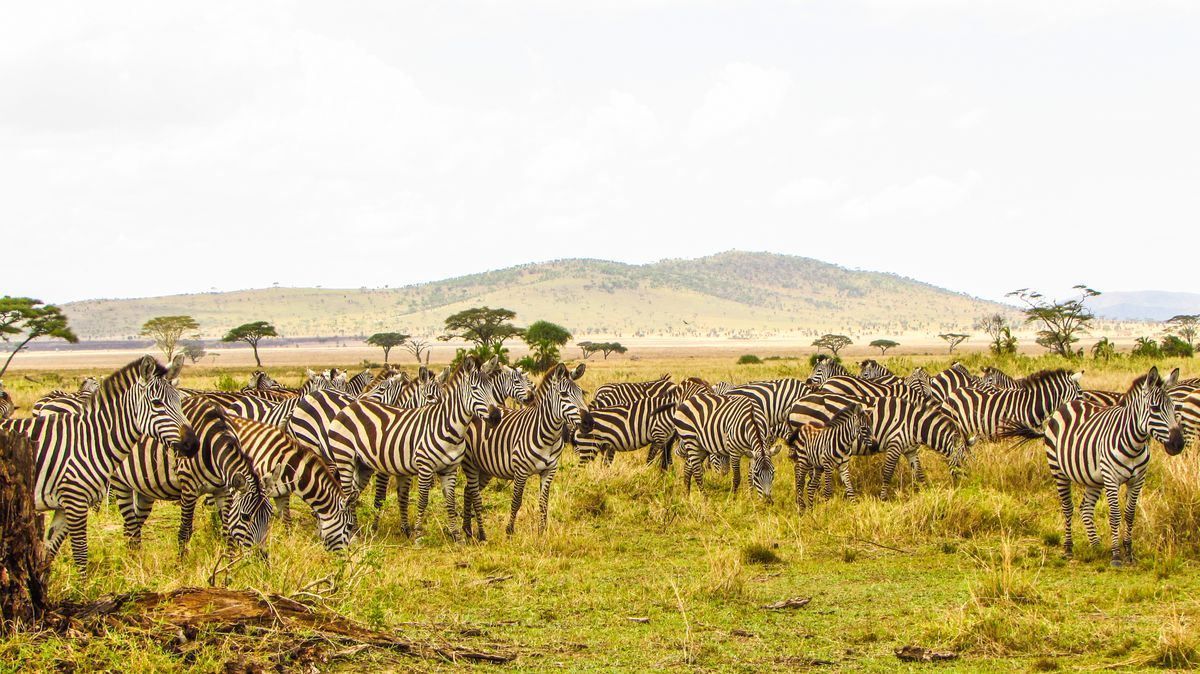
The best time depends on what you want to see. Dry months from June to October are ideal for classic wildlife viewing, while January to March are excellent for calving season in the south. The migration moves throughout the year, so timing and park area are more important than choosing one single “perfect” month.
A useful rule: there is no bad time for the Serengeti, only better times for specific experiences. The dry season usually brings easier wildlife spotting and more predictable road conditions. The green season, on the other hand, rewards travelers with dramatic scenery, fewer vehicles in some areas, and baby animals everywhere. It is basically the savanna’s cutest period.
Serengeti seasons at a glance
| Period | What to expect | Best for |
|---|---|---|
| January to March | Green landscapes, calving season in the south, high predator activity | Baby wildebeest, big cats, photography |
| April to May | Long rains, fewer visitors, lush scenery | Lower-season travel, quieter parks |
| June to July | Drying season, migration moves west and north | General wildlife, early river crossing action |
| August to October | Peak dry season, northern movement, Mara River crossings | Migration drama, classic safari conditions |
| November to December | Short rains, migration starts moving south again | Mixed itineraries, shoulder season value |
Where to go in the Serengeti
The Serengeti is not one single uniform area. Its regions differ in landscape, wildlife patterns, and seasonal highlights. Choosing the right zone for your dates is essential, especially if your goal is to follow the migration or avoid the busiest areas.
The park is usually divided into four main safari areas:
- Central Serengeti: the most accessible and reliable for year-round wildlife, especially lions and leopards.
- Southern Serengeti: best from December to March, when the herds gather on the short-grass plains for calving season.
- Western Corridor: important around May to July, when animals move toward the Grumeti area.
- Northern Serengeti: famous from roughly July to October for dramatic Mara River crossing season and fewer crowds in remote zones.
If it is your first safari, the central area is often the easiest and most rewarding base. If your dream is the migration, then your itinerary should match the movement of the herds. Nature, as always, does not read spreadsheets, so flexibility helps.
Ready to experience the wild up close? Discover WeRoad safari trips and get ready for incredible wildlife, breathtaking landscapes, and an adventure you’ll never forget.
What animals can you see?
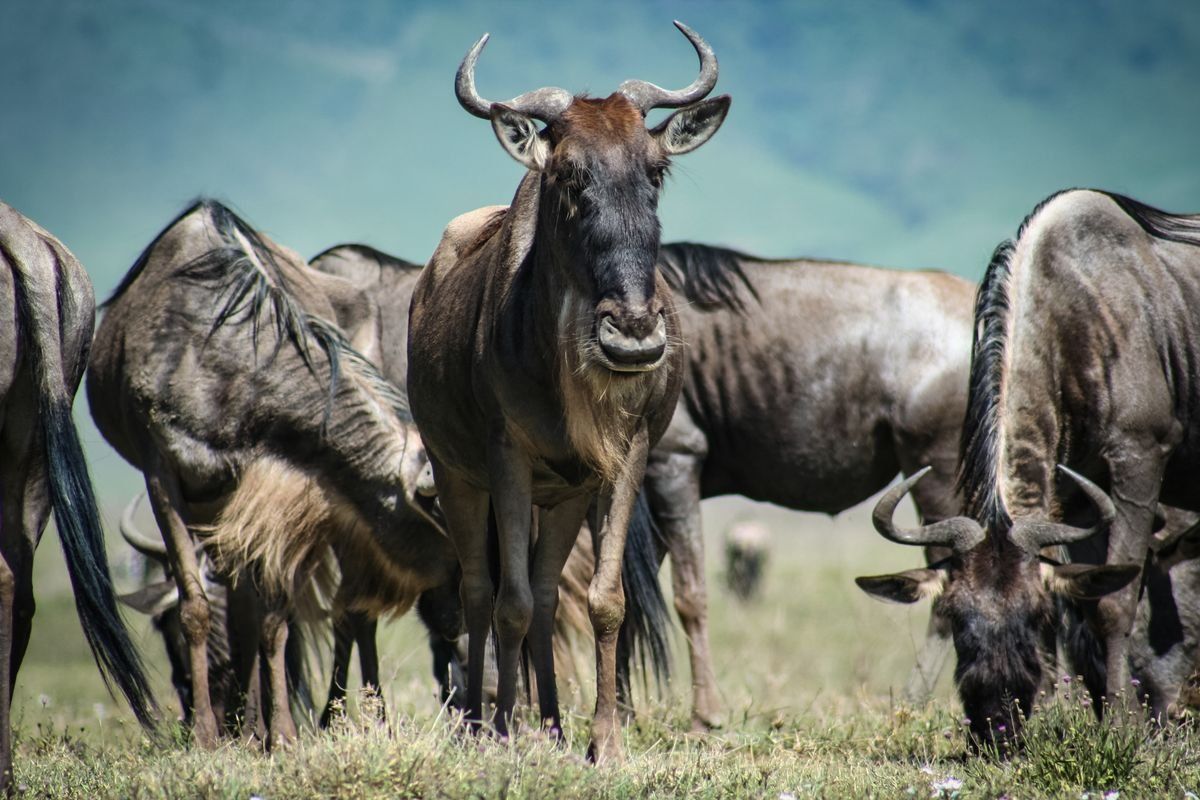
The Serengeti offers outstanding wildlife diversity. Most travelers can expect to see lions, elephants, buffalo, giraffes, zebras, wildebeest, gazelles, and hippos. Cheetahs and leopards are also regular sightings, while rhinos are far less common inside the park and more likely in nearby Ngorongoro.
The biggest draw is often the combination of prey and predators. The plains support huge numbers of herbivores, which in turn attract carnivores in impressive concentrations. It is one of the rare places where even a short drive can produce a ridiculous amount of wildlife before breakfast.
- Big cats: lion, cheetah, leopard
- Large mammals: elephant, buffalo, giraffe, hippo
- Plains game: wildebeest, zebra, gazelle, topi, hartebeest
- Birdlife: ostrich, secretary bird, kori bustard, hornbills, eagles
How many days do you need?
Most travelers need at least 4 to 5 days for a rewarding Serengeti experience, but 6 to 8 days works better if you want to combine other northern Tanzania highlights. This allows enough time for multiple game drives, transfers, and a less rushed pace across different ecosystems.
A very short trip can still be spectacular, but the Serengeti is vast and travel times are real. This is not the kind of place where you pop in, wave at a zebra, and leave fully satisfied. A smarter itinerary often combines several parks:
- Arusha as the arrival point
- Tarangire National Park for elephants and baobabs
- Serengeti for core safari days
- Ngorongoro Crater for dense wildlife and rhino chances
- Optional extension to Zanzibar if you want beach time after all that heroic binocular use
How much does a safari in the Serengeti cost?
Costs vary widely depending on trip style, season, transport, and accommodation. Budget group tours can start around $600 to $1,500 per person for a few days, while mid-range itineraries often range from $2,000 to $4,500. Luxury safaris can easily go beyond $6,000 per person.
The final price usually includes more than just the game drives. Park fees, accommodation, meals, a guide-driver, and transport all add up quickly. Flights inside Tanzania or a hot air balloon safari push the budget higher.
Typical price ranges
| Safari style | Estimated cost per person | What it usually includes |
|---|---|---|
| Budget | $600–$1,500 | Shared vehicle, camping or simple lodges, shorter itineraries |
| Mid-range | $2,000–$4,500 | Lodges or tented camps, guide, meals, park fees |
| Luxury | $6,000+ | High-end camps, fly-in access, premium service, exclusive experiences |
Also remember extras such as:
- Tips for guides and lodge staff
- International flights
- Travel insurance
- Balloon safari add-ons
- Drinks, souvenirs, and your sudden need to buy a hat that says “bush explorer”
What to wear and practical safari tips
Neutral, comfortable clothing works best on safari. Choose breathable layers in beige, khaki, olive, or muted tones, and avoid bright colors or stark white. Practical gear matters because days can start chilly, turn hot quickly, and include long hours in vehicles on dusty roads.
White is not ideal mainly because it shows dust instantly and can stand out in the bush. After one game drive, it tends to look less “elegant safari chic” and more “I wrestled a flour bag in a jeep.”
- Bring layers for early mornings and evenings
- Wear neutral colors to stay comfortable and low-key
- Pack sunscreen, sunglasses, and a hat
- Carry binoculars if you enjoy wildlife watching in detail
- Use soft luggage if your itinerary includes light aircraft transfers
- Do not forget camera batteries, because lions rarely pose twice
Serengeti or Kenya: which is better?
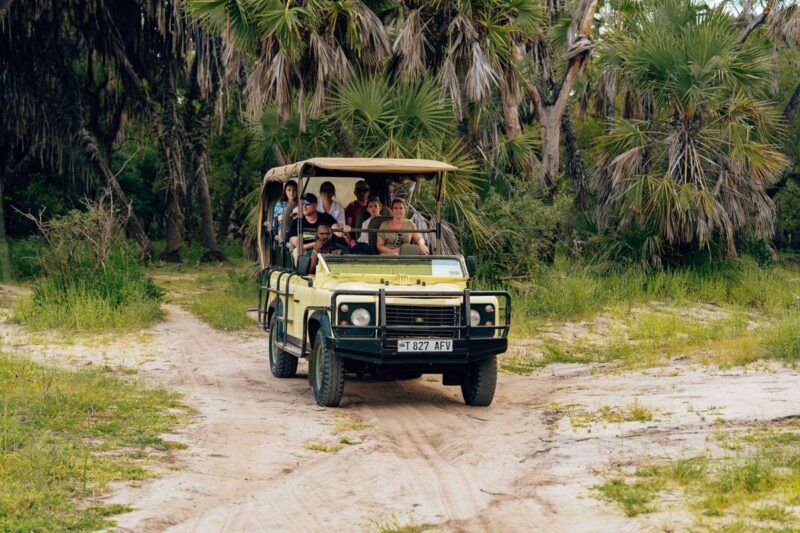
Tanzania is often better for travelers who want a broader safari circuit and larger wilderness areas, while Kenya is great for accessibility and shorter classic safaris. The better choice depends on your priorities, but the Serengeti usually wins for scale, multi-park itineraries, and the feeling of space.
The comparison is usually between the Serengeti and Kenya’s Masai Mara. Both are excellent. The Mara can offer fantastic wildlife in a compact area, but the Serengeti often feels wilder and more expansive, especially on longer itineraries that include Tarangire and Ngorongoro.
| Aspect | Serengeti, Tanzania | Masai Mara, Kenya |
|---|---|---|
| Scale | Vast and diverse | Smaller and more compact |
| Best for | Longer itineraries, migration across seasons | Shorter trips, concentrated game viewing |
| Linked highlights | Ngorongoro, Tarangire, Zanzibar | Nairobi, conservancies, Laikipia |
| Overall feel | More spacious and immersive | Very accessible and efficient |
The WeRoad tip
Build a safari that tells a story, not just a checklist
A great Tanzania adventure feels even richer when the parks connect like chapters of the same wild story. Start near Arusha National Park with a walking safari and ranger escort, where tracking blue monkeys and colobus monkeys puts you immediately into “we are really in Africa now” mode. Then shift to Tarangire, where enormous elephant herds are perfect for observing family dynamics up close, from protective adults to delightfully chaotic calves.
From there, the rhythm builds beautifully: scan the fig trees of Lake Manyara for its famous tree-climbing lions, continue into the Serengeti for close-range searches for lion prides and the unforgettable sight of the Great Migration rolling across the plains, then end with a descent into the Ngorongoro Crater, where black rhinos, hippos, zebra, and wildebeest all seem to appear in one giant natural amphitheater. Add a stop at an authentic Maasai village between drives, and the trip becomes more than wildlife spotting: it becomes a fuller picture of northern Tanzania, with landscapes, people, and animal encounters all speaking to each other in the best possible way.
Planning your Tanzania safari well
A good safari in Tanzania starts with the right route, timing, and budget expectations. Booking the correct region for your travel dates is often more important than choosing the fanciest camp. The best itineraries combine wildlife logic with realistic travel times and enough room to enjoy the experience.
Before booking, focus on these essentials:
- Choose your priority: migration, big cats, fewer crowds, or overall variety
- Match the park area to the season
- Decide between drive-in and fly-in logistics
- Balance Serengeti days with Tarangire and Ngorongoro
- Book early for peak months, especially July to October
The truth is simple: the Serengeti is one of those rare places that fully earns its reputation. It is cinematic, raw, moving, and occasionally so quiet that even the sound of chewing wildebeest starts to feel profound. If you want to experience it with the right people and zero planning headaches, check out WeRoad group trips to Tanzania and get ready for a properly wild adventure.
FAQ
- How much does a safari cost in the Serengeti?
-
Prices usually start around $600 to $1,500 per person for budget shared tours, while mid-range trips often range from $2,000 to $4,500. Luxury experiences can exceed $6,000, especially with fly-in logistics and premium camps.
- Why can't I wear white on safari?
-
White gets dusty very quickly and can stand out more than neutral colors in the bush. Khaki, beige, olive, and other muted tones are usually more practical, more comfortable, and far easier to keep looking presentable during game drives.
- How much does a Serengeti safari cost per person?
-
Per-person cost depends on whether the safari is shared or private, how many days you stay, and the accommodation standard. A mid-range multi-day Tanzania safari often lands between $2,000 and $4,500 per traveler.
- Is safari better in Kenya or Tanzania?
-
Tanzania is often better for longer, more varied itineraries that include the Serengeti, Ngorongoro, and Tarangire. Kenya is excellent for shorter and highly accessible safaris. Neither is universally better, but Tanzania is a strong choice for a first big safari trip.
- How many days should I spend in the Serengeti?
-
Plan at least 4 to 5 days if the Serengeti is your main focus. If you are combining it with other parks in northern Tanzania, a 6 to 8 day itinerary usually creates a more complete and less rushed safari experience.