In a nutshell
- Successful solo travel depends on preparation, not perfection: book your first nights in advance, understand how to reach your accommodation, save offline maps, back up documents, and share your itinerary with someone you trust.
- Safety comes from repeatable habits: choose well-reviewed stays in good areas, arrive in daylight when possible, split valuables, use trusted transport, stay aware in public spaces, and leave any situation that feels wrong without second-guessing yourself.
- The most common mistakes are preventable: overpacking, booking unsafe accommodation, oversharing your location online, skipping insurance, overdrinking, and relying too much on improvisation can all turn a simple trip into a stressful one.
- Loneliness is manageable when you design social opportunities: walking tours, cooking classes, hostels with private rooms, counter dining, and group activities make it easier to meet people naturally while keeping full control of your schedule.
- Solo travel has no age limit and often gets better with time: travelers in their thirties and beyond often enjoy more confidence, clearer preferences, better budgets, and stronger boundaries, which can make the experience smoother and more rewarding.
Traveling alone can feel equal parts thrilling and intimidating. One minute you are picturing sunset views and total freedom, the next you are wondering who will watch your bag while you buy a train ticket. The good news is that the best solo travel tips are not about being fearless. They are about being prepared, flexible, and open to the experience.
Solo travel is not reserved for ultra-confident backpackers, people with mysterious passport stamps, or that one friend who somehow makes sleeping in airports look glamorous. It is for anyone who wants to explore on their own terms. With the right habits, traveling alone can be safer, easier, and far more fun than you might expect.
Why solo travel is worth it
Solo travel gives you complete control over your time, budget, and pace. It also helps you become more confident, more observant, and more connected to the destination. While it comes with challenges, the rewards often outweigh the inconvenience of having no one to hold your coffee while you tie your shoe.
When you travel solo, every choice is yours. You can spend three hours in a museum, leave after ten minutes, eat dinner at 5 pm like a retiree, or chase midnight street food like a local. There is no negotiation, no compromise, and no passive-aggressive “I’m fine” from a travel companion who is very much not fine.
There is also a deeper side to solo travel. You notice more. You talk to more people. You solve problems independently. Even simple wins, like finding the right train platform in a language you barely understand, feel strangely heroic.

How to solo travel successfully
Successful solo travel starts with simple systems. Book your first nights in advance, know how to reach your accommodation, keep key documents backed up, and stay aware of your surroundings. You do not need a minute-by-minute itinerary, but you do need a reliable framework that keeps stress low and confidence high.
The most effective approach is to balance planning with freedom. Overplanning can make a trip feel rigid, but winging everything can turn day one into an accidental survival show.
Build a smart pre-trip plan
A solid pre-trip plan reduces the biggest solo travel risks: confusion, fatigue, and poor decisions. Focus on the basics before departure so you can enjoy the destination more once you arrive. This means handling logistics in advance rather than trying to decode local transport while sleep-deprived and holding a pastry.
- Book accommodation for at least the first 2-3 nights.
- Research the arrival route from airport or station to your stay.
- Download offline maps and save important addresses.
- Email yourself copies of passport, insurance, and bookings.
- Share your itinerary with a trusted friend or family member.
- Check local customs, transport options, and common scams.
Start with the right destination
Your first solo trip should match your comfort level, not your fantasy version of yourself. Choose a place with good infrastructure, walkable neighborhoods, and easy transport. You can save the ultra-remote, bus-once-a-week mountain village adventure for later, when your travel confidence has had its coffee.
Good first-time solo destinations usually have:
- Reliable public transportation
- Well-reviewed accommodation options
- Low language barriers or tourist-friendly services
- Strong safety reputation
- Easy access to tours or group activities
Check out our guide about the best solo travel destinations!
Solo travel safety essentials
Safety is the foundation of a good solo trip. The goal is not to become paranoid, but to stay aware and reduce avoidable risks. Small habits, such as arriving in daylight, limiting alcohol, and checking neighborhoods before booking, make a major difference when you are traveling alone.
Most safety issues on solo trips are not dramatic. They are practical: getting lost at night, flashing valuables, trusting the wrong person too quickly, or arriving unprepared in an unfamiliar area. A calm, consistent routine is your best travel companion.
- Arrive smart. If possible, reach a new city during daylight.
- Choose accommodation carefully. Read recent reviews and check the area, not just the room photos.
- Keep valuables split up. Do not carry all cash and cards in one place.
- Use trusted transport. Official taxis, verified ride apps, or hotel-arranged transfers are safer choices.
- Stay in public spaces when meeting new people.
- Trust your instincts. If something feels off, leave. No explanation, no guilt, just exit stage left.
What is the riskiest destination for solo travellers?
There is no single destination that is universally the riskiest for solo travellers. Risk depends on current politics, crime levels, infrastructure, local laws, and your travel style. Instead of chasing scary rankings, review government advisories, local conditions, and neighborhood-specific safety before booking any trip.
A destination can be safe for one type of traveler and difficult for another. Remote areas, conflict zones, places with high petty theft, or destinations with weak transport and emergency support may require much more preparation. Focus less on labels and more on fit.
Common solo travel mistakes to avoid
Most solo travel mistakes are preventable. They usually happen when excitement overrides preparation or when independence turns into stubbornness. The smartest solo travelers are not the ones who never make mistakes. They are the ones who create backup plans before things get messy.
Here are the most common errors:
- Overpacking and then dragging your entire wardrobe across cobblestones like a tragic parade float
- Booking the cheapest stay without checking safety or location
- Sharing real-time location publicly on social media
- Ignoring travel insurance
- Planning too much and leaving no room for spontaneity
- Planning too little and arriving with zero idea how to get into town
- Drinking too much when alone
- Not asking for help when confused or lost
How to deal with loneliness and meet people
Solo travel does not have to mean feeling isolated. The easiest way to reduce loneliness is to build small social moments into your trip. Choose accommodation with common spaces, join walking tours, take a class, and eat at counters or communal tables where conversation happens naturally.
You do not need to become the mayor of every hostel common room. A few light interactions can make a big difference. In fact, some of the best solo travel days include exactly the right amount of people: enough for connection, not enough to require a group chat.
Easy ways to meet people while traveling alone
Meeting others is easier when you pick environments designed for interaction. Shared activities remove pressure and give you something to talk about besides the weather and your tragic attempt to pronounce the local dish.
- Join a walking tour on your first full day
- Book a cooking class or local workshop
- Stay in a hostel private room or social guesthouse
- Eat at a bar or counter seat
- Use apps and local event boards for meetups and community events
- Take group day trips for hikes, food experiences, or cultural visits
Is 30 too old to solo travel?
No, 30 is absolutely not too old to solo travel. In fact, many people enjoy it more in their thirties because they have better budgets, stronger boundaries, and less interest in sleeping in a bunk under someone named Brad who snores like a leaf blower.
Solo travel has no expiration date. If anything, age often improves the experience. You may know your preferences better, choose smarter accommodations, and care less about whether anyone thinks dining alone is unusual. Spoiler: they do not.
Packing tips for solo travelers
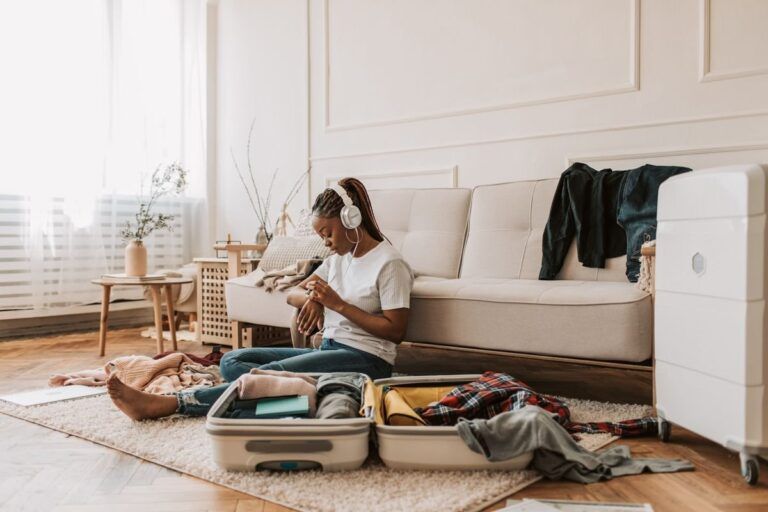
Packing light is especially important when traveling alone because you will handle every bag yourself. Bring versatile clothes, basic medication, digital backups, and a small day bag that keeps valuables secure. The less physical and mental clutter you carry, the easier it is to move confidently.
A practical solo travel packing list often includes:
- Carry-on friendly luggage whenever possible
- A crossbody or anti-theft day bag
- Portable charger and universal adapter
- Mini first-aid kit and essential medication
- Backup bank card kept separate from your wallet
- Photocopies or digital backups of documents
- A small padlock for lockers or bags
Best solo travel habits for each day
Good daily habits make solo travel smoother and safer. Keep your phone charged, know how to return to your accommodation, and check transport times before evening. A simple routine creates freedom because it removes unnecessary friction from the day.
Try this daily solo traveler checklist:
| Time of day | Helpful habit | Why it matters |
|---|---|---|
| Morning | Check route, weather, and essentials | Prevents rushed decisions and forgotten items |
| Afternoon | Pause for food, water, and a location check | Reduces fatigue and disorientation |
| Evening | Confirm return transport or walking route | Helps you avoid unsafe late-night confusion |
| Anytime | Keep someone updated if plans change a lot | Adds a layer of safety without stress |
Travel alone, but not without confidence
Confidence in solo travel is built through action, not personality. You do not need to feel brave all the time. You only need to take the next sensible step, then the next one after that. Experience turns uncertainty into routine faster than most people expect.
Your first solo trip may feel awkward in places. That is normal. You may hesitate before entering a restaurant alone, overthink a train change, or wonder if everyone can tell you are new at this. They cannot. And even if they could, they would probably just assume you are having an interesting, cinematic life.
If you want a great middle ground between independence and connection, discover the WeRoad group trips for your chosen destination: a brilliant way to explore the world, meet like-minded travelers, and still enjoy the spirit of adventure.
FAQ
- How can I make my first solo trip less stressful?
-
Keep the first trip simple. Choose an easy destination, book your first accommodation in advance, plan your airport transfer, and create a loose itinerary for the first two days. Reducing decision fatigue at the beginning helps you settle in faster.
- Is it safe to go out at night when traveling alone?
-
It can be, depending on the destination, neighborhood, and your choices. Stay in well-lit, busy areas, limit alcohol, know your route back, and use trusted transport if needed. If the atmosphere feels off, change plans and head back.
- What is the best accommodation for solo travelers?
-
It depends on your style and budget. Hostels are great for meeting people, especially if they offer private rooms. Boutique hotels, guesthouses, and serviced apartments work well if you want more privacy with a safe, central base.
- Should I plan every day of a solo trip?
-
No. It is better to have a rough structure than a rigid schedule. Pick one or two priorities each day, then leave room for rest, local recommendations, and spontaneous discoveries. Flexibility is one of the biggest advantages of solo travel.
- What should I do if I feel lonely while traveling alone?
-
Change the environment rather than judging the feeling. Join a tour, work from a cafe, call a friend, book a class, or stay somewhere more social. Loneliness on a solo trip is usually temporary and often fades once you reconnect with people or purpose.