
In a nutshell
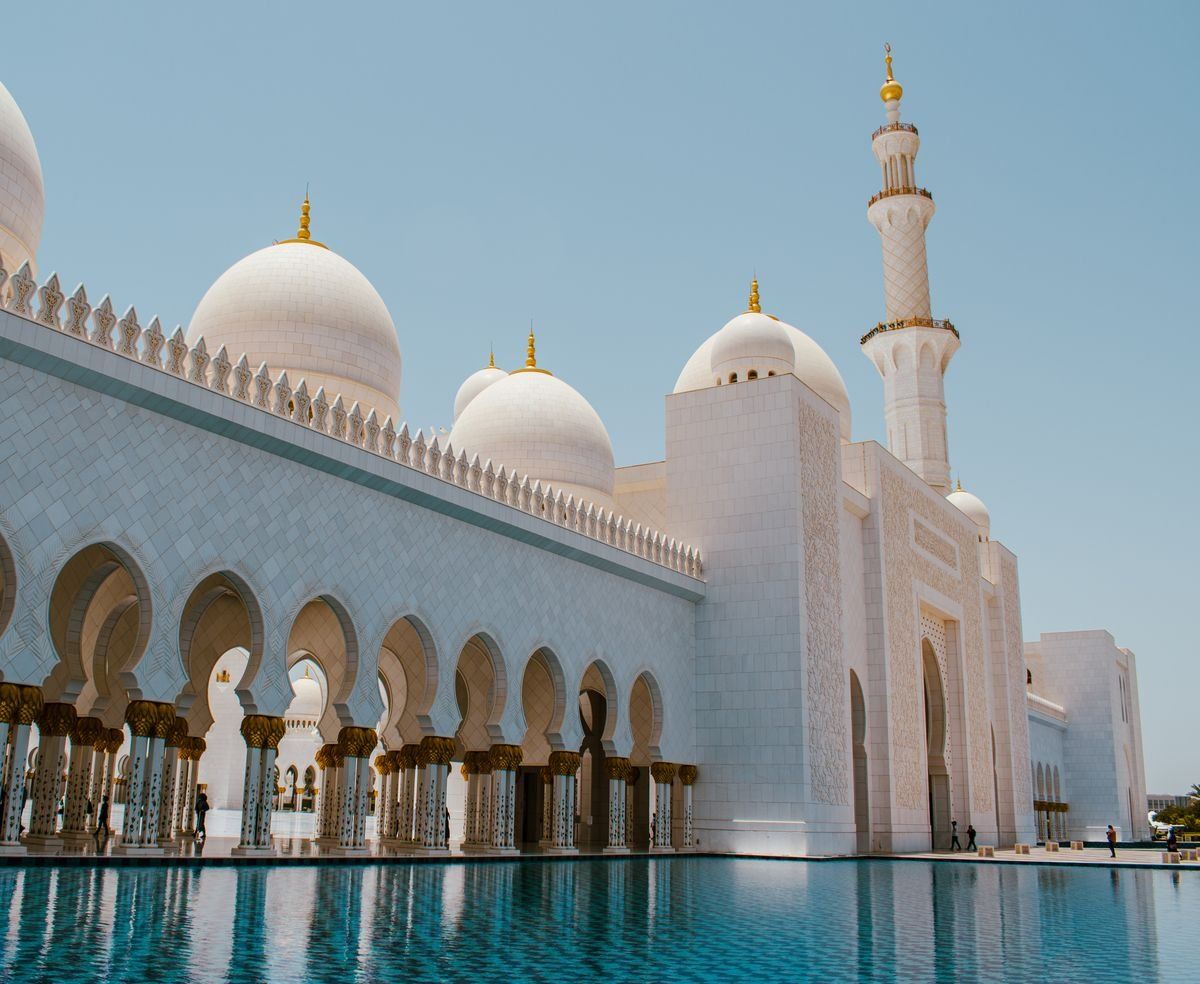
- Abu Dhabi’s essential landmarks include the Sheikh Zayed Grand Mosque, known for its 82 white domes and free entry, the Louvre Abu Dhabi for art and architecture, and Qasr Al Watan for monumental palace interiors and cultural insight.
- Free experiences are a strong part of the city, especially along the Corniche, where you can enjoy skyline views, public promenades and a relaxed atmosphere, plus stops like Heritage Village for historical context.
- Different areas suit different travel styles: Saadiyat Island is ideal for culture and beach time, Yas Island for entertainment and theme parks, while the Corniche and palace district work well for classic sightseeing.
- Three days is enough for a first visit and allows time for the main attractions, a beach break and an extra experience such as a desert trip, without turning the whole holiday into a sprint between taxi rides.
- Dress modestly and plan smartly: casual summer clothing works in most places, but religious sites require stricter coverage, and combining paid highlights with free outdoor stops is the best way to build a balanced Abu Dhabi itinerary.
Abu Dhabi often lives in Dubai’s shadow, but that’s a bit unfair. The UAE’s capital has a calmer rhythm, striking architecture, excellent museums, waterfront views and plenty of places you can enjoy without emptying your wallet. It’s polished, sunny and surprisingly varied, which is a very elegant way to say: yes, you can go from mosque to beach to desert in one trip.
From iconic landmarks to cultural stops and seaside walks, there’s no shortage of memorable activities in the city. If you’re planning what to see in Abu Dhabi, the sweet spot is mixing the big-ticket attractions with a few free experiences, so your itinerary feels rich rather than rushed.
The top attractions in Abu Dhabi
The city’s standout sights combine modern ambition with strong cultural identity. A first visit should include the main landmarks that define Abu Dhabi’s skyline and story, especially if you have only a couple of days. These places are well organized, easy to reach by taxi, and genuinely worth your time.
The heavy hitters are famous for a reason. Abu Dhabi does grandeur very well, but it also keeps things refined: less “look at me,” more “yes, I do happen to have a world-class museum under a floating dome.” Very casual, very confident.
Sheikh Zayed Grand Mosque
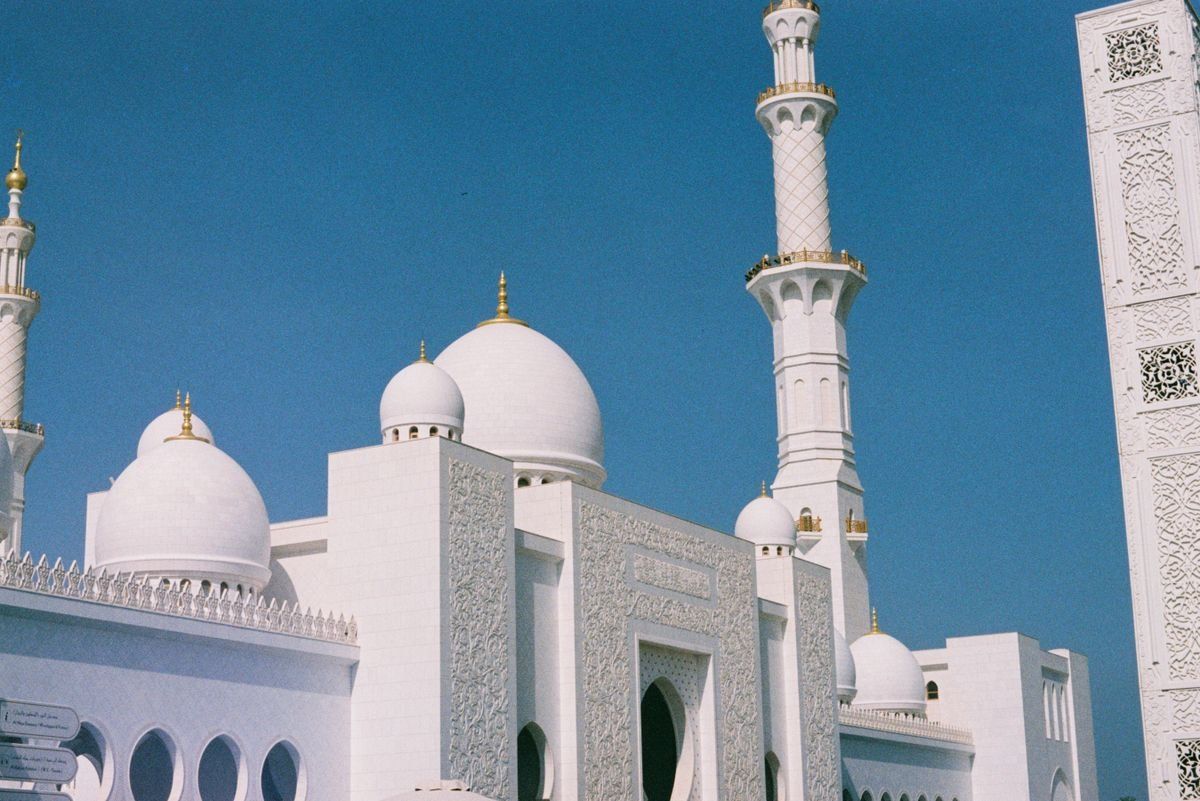
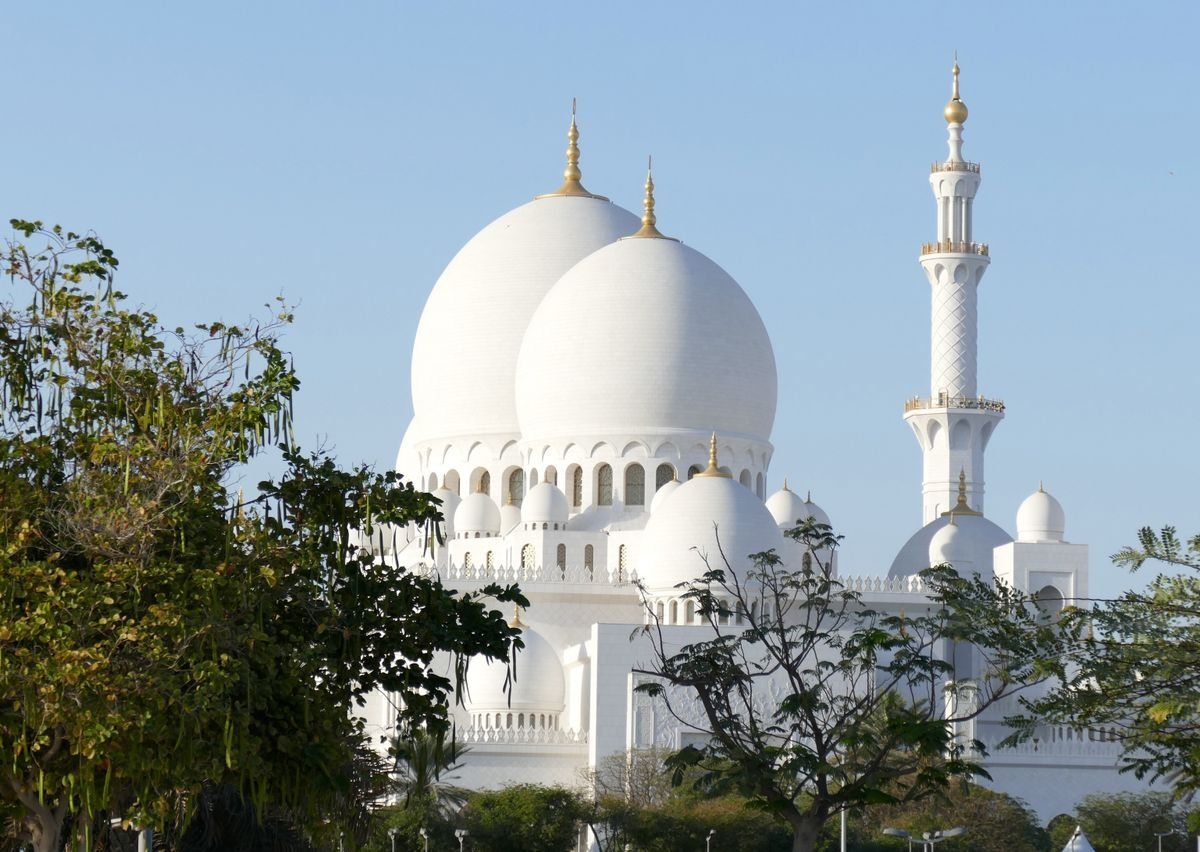
Sheikh Zayed Grand Mosque is the city’s essential visit. It is one of the largest mosques in the world and a masterpiece of white marble, symmetry and craftsmanship. The site is free to enter, which makes it one of the most impressive no-cost experiences in the emirate.
You’ll notice the 82 white domes, reflective pools, floral stone inlay and huge chandeliers almost immediately. The scale is extraordinary, but the atmosphere remains peaceful. Visit in the late afternoon if possible: the light softens, the marble glows, and even your phone camera suddenly believes it’s professional.
Dress modestly and check current entry rules before you go. Covered shoulders, arms and legs are expected, and respectful clothing matters here more than fashion points.
Louvre Abu Dhabi
Louvre Abu Dhabi is both an art museum and an architectural attraction. Its galleries present works from different civilizations in a way that feels accessible, thoughtful and global. Even travelers who usually “don’t do museums” often enjoy this one.
The building by Jean Nouvel is reason enough to come. The vast dome creates a beautiful “rain of light” effect, and the setting over the water adds to the experience. If you’re short on time or watching your budget, seeing the museum from the outside and walking around the area is still rewarding.
Inside, the collection moves across eras and cultures rather than sticking to one region. In practice, that means you can admire ancient artifacts, religious art and modern works in one visit, which is excellent news for indecisive people and curious travelers alike.
Qasr Al Watan
Qasr Al Watan, the presidential palace, offers a deeper look at the ceremonial and intellectual side of the UAE. It is grand, meticulously decorated and much more than a photo stop. The palace interiors are among the most impressive in the country.
Expect vast halls, intricate geometric details, a library and exhibitions on governance and knowledge. It feels formal but not cold, and the craftsmanship is remarkable throughout. If you enjoy architecture, this one goes straight onto the must-see list.
Free things to do around the city
Abu Dhabi can be luxurious, but it also offers several worthwhile experiences that cost little or nothing. Waterfront promenades, cultural areas and scenic public spaces make it easy to enjoy the city without booking an attraction every hour.
This is where Abu Dhabi becomes especially likeable. You can admire huge landmarks, then reset with a long walk, a beach view or a breezy evening by the sea. Your bank account may finally unclench.
Walk the Corniche
The Corniche is one of the easiest and most pleasant ways to experience the city. This long waterfront promenade combines beaches, gardens, bike paths and open views of the skyline. It works well in the morning, at sunset or after dinner.
You can stroll, cycle, stop for coffee or simply sit and watch the city shift from bright daylight to glittering evening. Parts of the beach are paid, but the promenade itself is free and perfect for a slow break between major sights.
Visit Heritage Village
Heritage Village gives context to Abu Dhabi’s rapid transformation by showing elements of pre-oil life in the Emirates. It is a compact cultural stop with reconstructed traditional buildings, craft displays and good city views.
It’s not the flashiest place in town, but that’s exactly its charm. While the skyscrapers outside are busy serving future-forward drama, Heritage Village quietly tells the backstory.
See the city skyline from public viewpoints
Some of Abu Dhabi’s best moments are free and outdoors. Several areas near the Corniche, Marina side and waterfront parks offer excellent views of the skyline, especially around sunset and early evening when the buildings begin to light up.
If you enjoy urban photography, this is an easy win. If you don’t enjoy urban photography, this is still an easy win because the city really does know its angles.
Beach, culture or thrills: choosing the right area
Abu Dhabi spreads its attractions across different districts and islands. Knowing what each area offers helps you plan smarter and avoid zigzagging across the city. Some places are best for culture, others for beaches, and others for family-friendly entertainment.
| Area | Best for | Why go |
|---|---|---|
| Saadiyat Island | Culture and beach time | Home to Louvre Abu Dhabi, white-sand beaches and a more relaxed, upscale atmosphere |
| Yas Island | Entertainment and family fun | Theme parks, shopping, big attractions and a resort-style setup |
| Corniche area | City views and easy walking | Waterfront promenade, public spaces, beaches and access to central landmarks |
| Palace district | Landmarks and luxury icons | Qasr Al Watan, Emirates Palace and impressive modern architecture |
Saadiyat Island
Saadiyat Island is ideal if you want a softer pace with culture and sea views. It combines important museums with lovely beaches, making it a strong choice for travelers who want variety without chaos.
A beach day here is easy to pair with the Louvre. White sand, clear water and a polished atmosphere make it feel like a proper break from city sightseeing. Not a bad reward after admiring centuries of human civilization, frankly.
Yas Island
Yas Island is the entertainment hub. It’s known for attractions like Ferrari World, waterparks, major events and large malls. If you’re traveling with kids, teens or adults who are basically tall kids, this area makes a lot of sense.
It feels more playful and resort-focused than central Abu Dhabi. If your ideal day includes adrenaline, air conditioning and the possibility of buying snacks in a giant mall, Yas Island understands you deeply.
Is Abu Dhabi worth visiting?
Yes, Abu Dhabi is well worth visiting for its landmark architecture, cultural depth, clean beaches and more relaxed atmosphere compared with other Gulf cities. It works especially well for travelers who like a balance of iconic sights and slower moments.
What makes the city appealing is the contrast. You can explore a monumental mosque in the morning, an art museum in the afternoon and a waterfront promenade by sunset. Add excellent infrastructure and a strong sense of order, and it becomes a very easy destination to enjoy.
Is 3 days enough in Abu Dhabi?
Three days is enough for a satisfying first trip. You can cover the main highlights, spend time by the sea and even add a desert experience without feeling completely rushed. It won’t show you everything, but it’s a solid amount of time.
A simple 3-day plan could look like this:
- Day 1: Sheikh Zayed Grand Mosque, Qasr Al Watan, Corniche at sunset
- Day 2: Louvre Abu Dhabi, Saadiyat Island beach time, evening dinner by the water
- Day 3: Heritage Village, Yas Island or a desert excursion
If you only have one day, focus on the mosque, the Louvre area and the Corniche. If you have longer, Abu Dhabi becomes even more enjoyable because you can slow down and stop treating your itinerary like a competitive sport.
What to wear in Abu Dhabi
Abu Dhabi is modern and welcoming, but modest dress is appreciated in public spaces and required at religious sites. Lightweight, breathable clothing works best in the heat, while more conservative outfits help you feel comfortable and respectful.
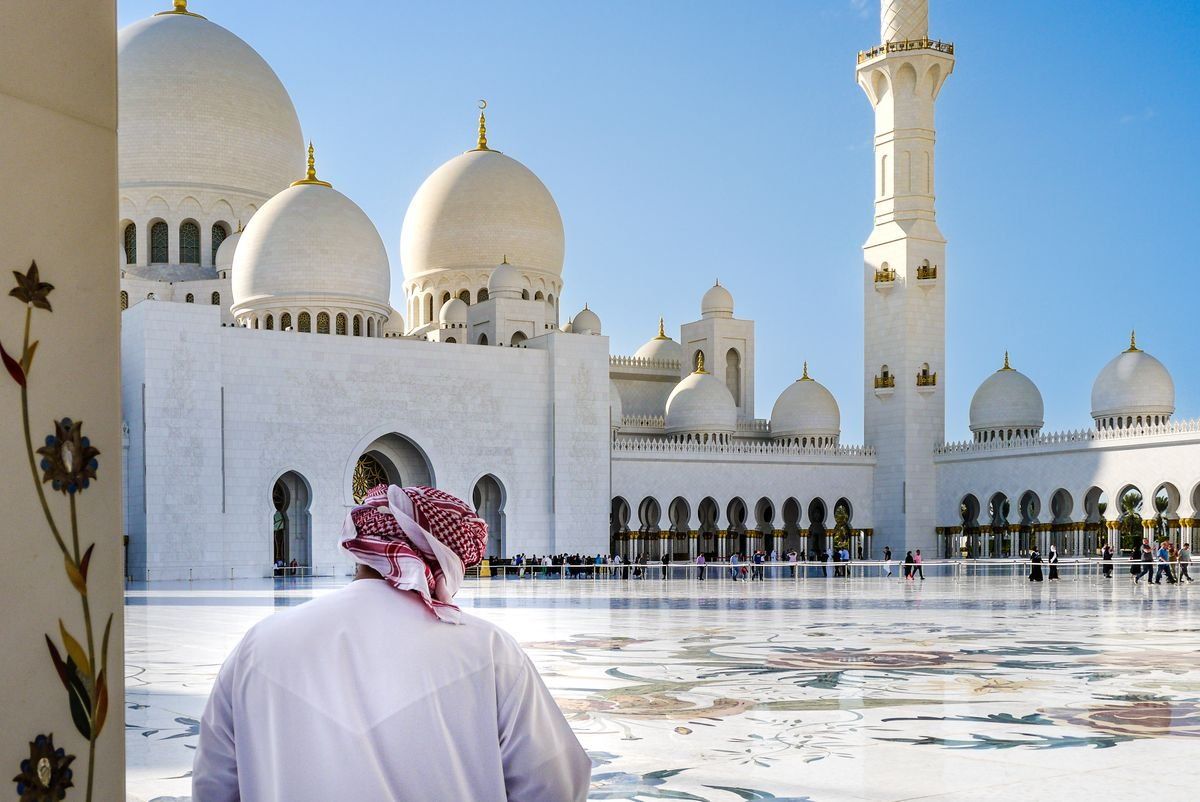
Women can wear shorts in some casual settings, especially in hotels, beach clubs and resort areas. In malls, public streets and cultural sites, longer hems and covered shoulders are usually the safer choice. For the Grand Mosque, dress rules are stricter, so plan accordingly.
- For the mosque: cover arms, legs and hair if required by current rules
- For the city: choose loose, breathable clothes
- For the beach: swimwear is fine in beach and pool areas
- For evenings: indoor venues can feel cool because of strong air conditioning
The WeRoad tip
Pair the city icons with one unforgettable desert evening
Abu Dhabi works best when you don’t choose between culture and adventure. Start with the big names: admire the 82 white domes of Sheikh Zayed Grand Mosque, then head to the Louvre Abu Dhabi, even if only to walk around its striking exterior and watch the light dance across the dome. Add Qasr Al Watan for a final dose of jaw-dropping interiors, and you’ll already have a very strong city day.
Then switch scenery completely. One of the most memorable add-ons is a sunset desert trip with dune bashing in a 4×4, followed by dinner in a tented camp under the stars. It’s a classic for a reason: the contrast between Abu Dhabi’s polished skyline and the open desert is what makes the destination feel complete. If you still have energy the next day, slow things down with a walk along the Corniche or a beach break on Saadiyat Island. That balance is the real trick: a little marble, a little sea, a little sand-in-your-shoes magic.
Planning your Abu Dhabi itinerary
The best way to enjoy Abu Dhabi is to combine major sights with slower experiences. That means pairing architecture and museums with beach time, waterfront walks and good food. The city is not only about checking landmarks off a list, but about enjoying how easy it feels to move between very different moods.
Start with the icons, leave room for free stops, and don’t underestimate sunset anywhere near the water. Abu Dhabi has a polished, almost cinematic quality to it, and yes, it absolutely knows that.
If you’d like to experience the city with like-minded travelers, take a look at WeRoad group trips to Abu Dhabi and the UAE for an easy, social way to explore the destination.
FAQ
- What are the top 10 attractions in Abu Dhabi?
-
The most popular picks usually include Sheikh Zayed Grand Mosque, Louvre Abu Dhabi, Qasr Al Watan, the Corniche, Heritage Village, Emirates Palace, Etihad Towers, Saadiyat Island, Yas Island and a desert excursion.
- Can you visit Abu Dhabi on a budget?
-
Yes. While some attractions are premium, several of the city’s best experiences are free or low-cost, including the Grand Mosque, the Corniche, public viewpoints and some cultural areas.
- Is one day enough to see Abu Dhabi?
-
One day is enough to see a few highlights, especially the Grand Mosque, the Louvre Abu Dhabi area and the Corniche. To explore the city more comfortably, two or three days is a better option.
- What is the best time to visit Abu Dhabi?
-
The best months are generally from November to March, when temperatures are milder and outdoor sightseeing is much more comfortable.
- Is Abu Dhabi better for culture or beaches?
-
It offers both. The city stands out for its strong cultural attractions, but places like Saadiyat Island also make it a good destination for beach time and slower days.