In a nutshell
- Brussels is ideal for a weekend because its main districts are easy to combine: the historic center, royal area, comic mural routes, and Art Nouveau neighborhoods can all fit into a two-day itinerary without rushing.
- The essential first day focuses on the old town, including Grand-Place, Manneken Pis, the Galeries Royales Saint-Hubert, top chocolate stops, waffles, and a traditional dinner with Belgian beer.
- The second day reveals Brussels’ more distinctive side, with Victor Horta’s Art Nouveau legacy, the Comic Strip Route, the Belgian Comic Strip Center, Mont des Arts, royal landmarks, parks, and cathedral visits.
- Many of the best experiences are free or low-cost, such as admiring Grand-Place, walking the comic walls, exploring parks and churches, and wandering neighborhoods like Sablon and Saint-Gilles.
- For food, go beyond waffles: try mussels and fries, Belgian fries with sauces, pralines from respected chocolatiers, and at least one local beer style to understand the city through its table as well as its streets.
Brussels has a funny reputation. Some travelers breeze through it for a few hours, snap a photo of a tiny statue with very confident energy, eat one waffle, and move on. Big mistake. Belgium’s capital is layered, walkable, delicious, and full of visual surprises that sneak up on you between one elegant square and the next comic mural.
With two days in the city, you can combine the essentials with the details that make the experience feel richer: Grand-Place, Art Nouveau architecture, comic-book heritage, good beer, royal landmarks, and neighborhoods that are far more charming than Brussels gets credit for. Here is how to spend a weekend well, without turning it into an Olympic speed-walking event.
Why Brussels works so well for a weekend
Brussels is compact enough for a short break and varied enough to keep every half day interesting. The historic center, museum district, royal area, and European Quarter are all easy to connect, especially on foot or by metro. That makes the city ideal for a two-day itinerary with a relaxed pace.
The best part is the contrast. In one weekend, you can move from medieval guild houses to sinuous Art Nouveau façades, from comic walls to polished galleries, from fries in a paper cone to a proper meal of mussels and Belgian beer. Brussels is a city that likes to mix high culture with everyday pleasure, and frankly, that is a personality trait worth rewarding.
Day 1: the historic center and Brussels icons
Start in the old town to see the city’s best-known landmarks within a small area. This gives you an immediate sense of Brussels’ history and atmosphere, while leaving plenty of room for food stops and spontaneous detours. The center is dense with architecture, chocolate shops, cafés, and local folklore.
Begin at Grand-Place
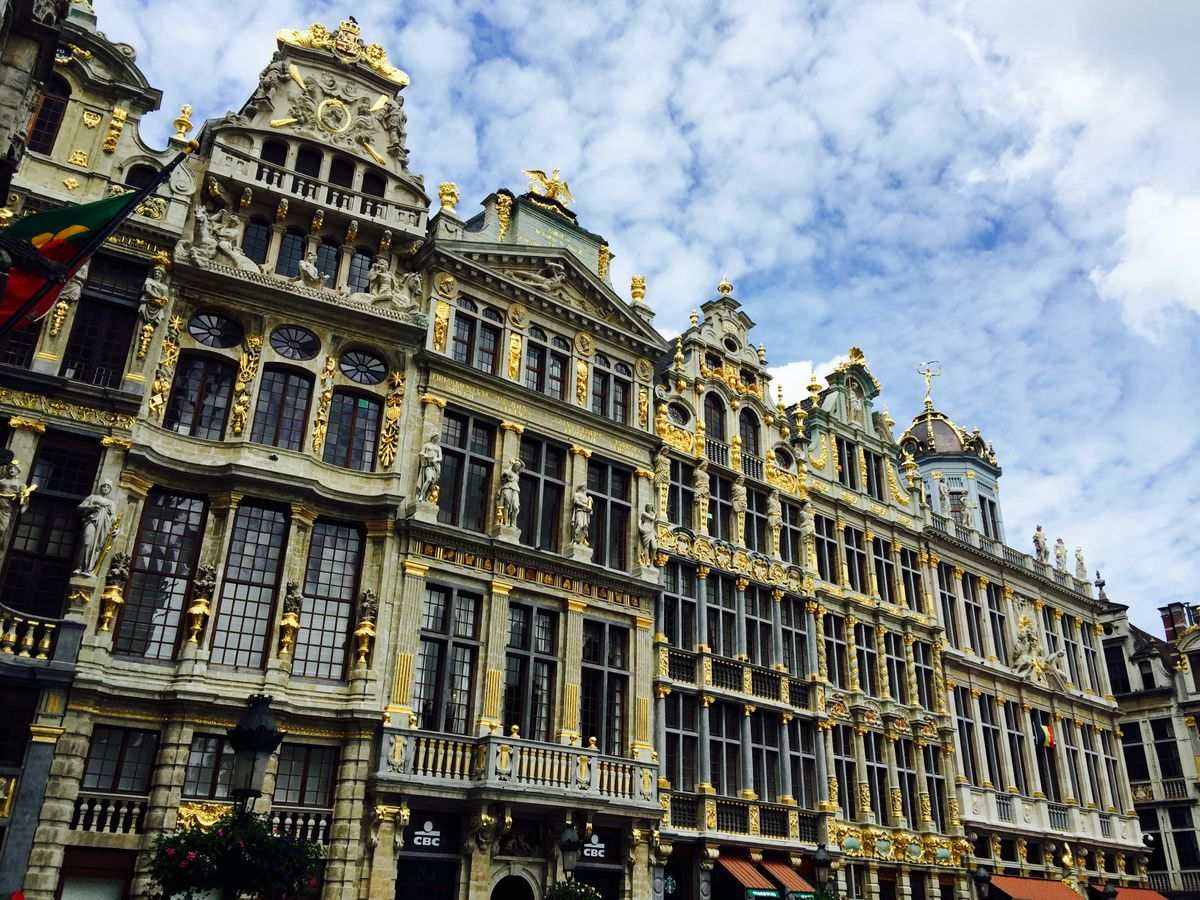
Grand-Place is the architectural heart of Brussels and the best place to begin any first visit. The square is framed by ornate guild houses, the Town Hall, and the Maison du Roi, creating one of Europe’s most impressive urban ensembles. It is beautiful at any hour, but especially atmospheric in the morning or after dark.
Take a few minutes to look up instead of rushing across the square. The gold details, sculpted façades, and dramatic symmetry deserve attention. This is also a practical starting point, since many central attractions are only a short walk away.
- Best time to visit: early morning for fewer crowds
- Don’t miss: the Town Hall tower and the richly decorated guild houses
- Extra tip: return in the evening when the lighting makes the whole square glow
See Manneken Pis, then find his unusual companions
Manneken Pis is small, symbolic, and frequently overdressed. The statue is one of Brussels’ most famous sights, and while it may not take long to visit, it is part of the city’s sense of humor and identity. Depending on the day, you may even catch him wearing one of his many costumes.
Yes, he is tiny. Yes, people still gather around him like he is giving a TED Talk. But this is Brussels, and local folklore is taken seriously in the least serious way possible. If you want to lean into the joke, continue the hunt with Jeanneke Pis and Zinneke Pis, the city’s other cheeky statues.
Walk through Galeries Royales Saint-Hubert
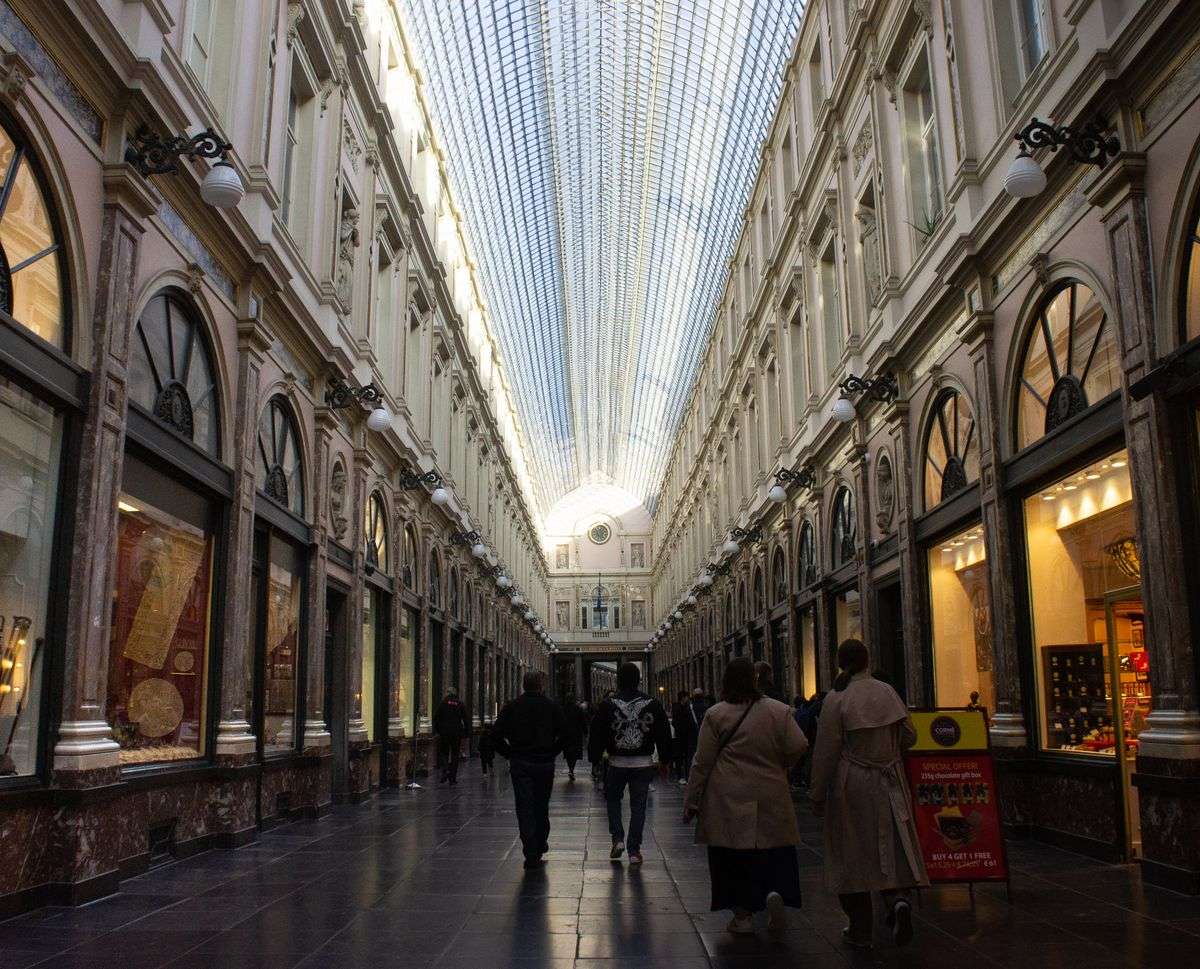
The Galeries Royales Saint-Hubert offer a refined change of pace just minutes from the main square. This 19th-century arcade combines elegant architecture, luxury boutiques, cafés, and chocolate shops beneath a glass roof. It is one of the most graceful covered passages in Europe.
Even if you do not plan to shop, it is worth walking through slowly. The arcade shows another side of Brussels: polished, literary, and quietly theatrical. Stop for coffee, browse a bookstore, or simply admire the proportions and light.
Make time for chocolate and waffles
Brussels is one of the best places in Europe to enjoy high-quality chocolate and classic Belgian sweets. The city center has many famous chocolatiers, and it is easy to build a casual tasting route between landmarks. This is more effective than one giant sugar ambush all at once.
Look for respected names and avoid choosing only by the size of the whipped cream mountain in the window. For waffles, remember there are different styles: Brussels waffles are light and rectangular, while Liège waffles are denser and caramelized. Both are excellent. Choosing just one is character building.
End the day with Belgian food and beer
A traditional dinner is one of the highlights of a weekend in Brussels. Classic dishes are hearty, flavorful, and well matched with the country’s beer culture. A good first-night meal sets the tone for the rest of the trip and gives you a proper introduction to local cuisine.
For a reliable order, go for moules-frites if in season, or try carbonnade flamande, the rich beef-and-beer stew that tastes like comfort with excellent timing. Add a Belgian beer recommended by the staff and congratulate yourself on participating in cultural exchange.
Day 2: Art Nouveau, comic walls and the royal side of the city
Use the second day to explore Brussels beyond the central square. This is where the city becomes more distinctive, with major Art Nouveau sites, comic-strip heritage, parks, and panoramic viewpoints. The route works well on foot with short metro or tram connections when needed.
Explore Brussels through its Art Nouveau heritage
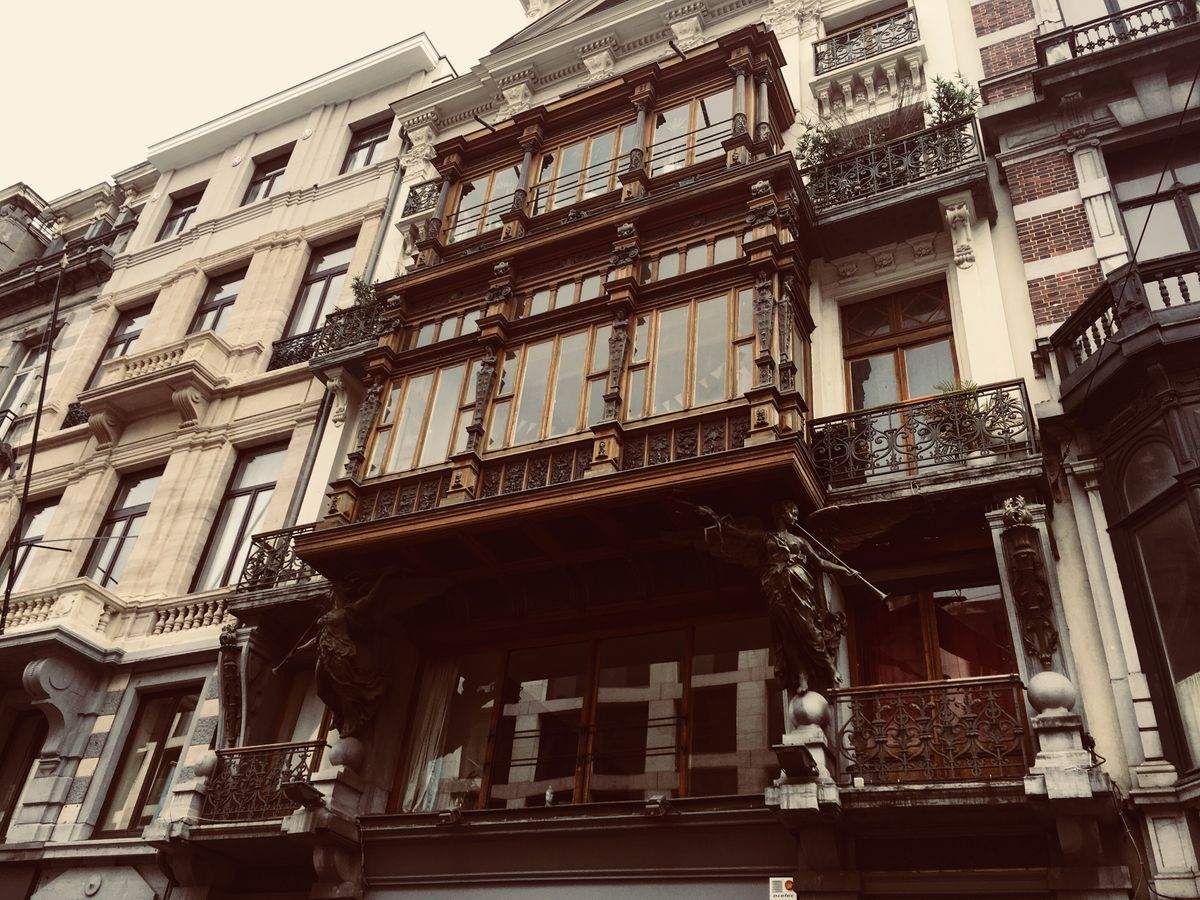
Brussels is one of Europe’s key cities for Art Nouveau. Architects like Victor Horta transformed the urban landscape with fluid lines, decorative ironwork, stained glass, and inventive interior spaces. Seeing this heritage in person adds depth to any city break.
If you have time for one museum, choose the Horta Museum in Saint-Gilles, set in the architect’s former home and studio. If you prefer a walking approach, head around Ixelles and Saint-Gilles to spot façades, balconies, and entrances that turn ordinary streets into open-air design lessons.
Follow the comic strip route
Brussels has a deep connection to comics, and the city’s mural trail is one of its most original attractions. Large-scale works dedicated to beloved characters appear on walls across the center, turning a simple walk into a creative urban treasure hunt.
The Comic Strip Route is especially good for a weekend because it encourages you to explore side streets you might otherwise skip. Tintin, Lucky Luke, and other characters appear unexpectedly between shops and residential corners. It is culture, exercise, and nostalgia in one package, which is honestly efficient.
Visit the Belgian Comic Strip Center
The Belgian Comic Strip Center adds context to the murals and to Belgium’s important role in European comic art. Housed in a beautiful Art Nouveau building, the museum presents original artwork, publishing history, and major figures such as Hergé and Peyo.
Even visitors who are not comic superfans often enjoy it because the setting is strong and the displays are accessible. It is a smart indoor stop if the weather turns, and it pairs naturally with the mural walk.
Walk the royal district and Mont des Arts
The upper town offers a different urban mood, with formal squares, museums, ceremonial buildings, and broad views. This area is ideal for a slower walk that links important monuments with green spaces and some of the city’s best viewpoints.
Include these stops in your route:
- Mont des Arts for one of the best views over central Brussels
- Royal Palace of Brussels for the exterior and surrounding area
- Brussels Park for a break between visits
- St. Michael and St. Gudula Cathedral for Gothic architecture and a quieter atmosphere
This part of the city feels more open and stately than the old center. It is where Brussels puts on its formal jacket, but still leaves the top button undone.
Best free and low-cost experiences in Brussels
Brussels can be explored well without spending heavily. Many of the city’s best experiences are walks, viewpoints, public squares, parks, churches, and street art routes. This makes it easy to enjoy a full weekend even with a moderate budget.
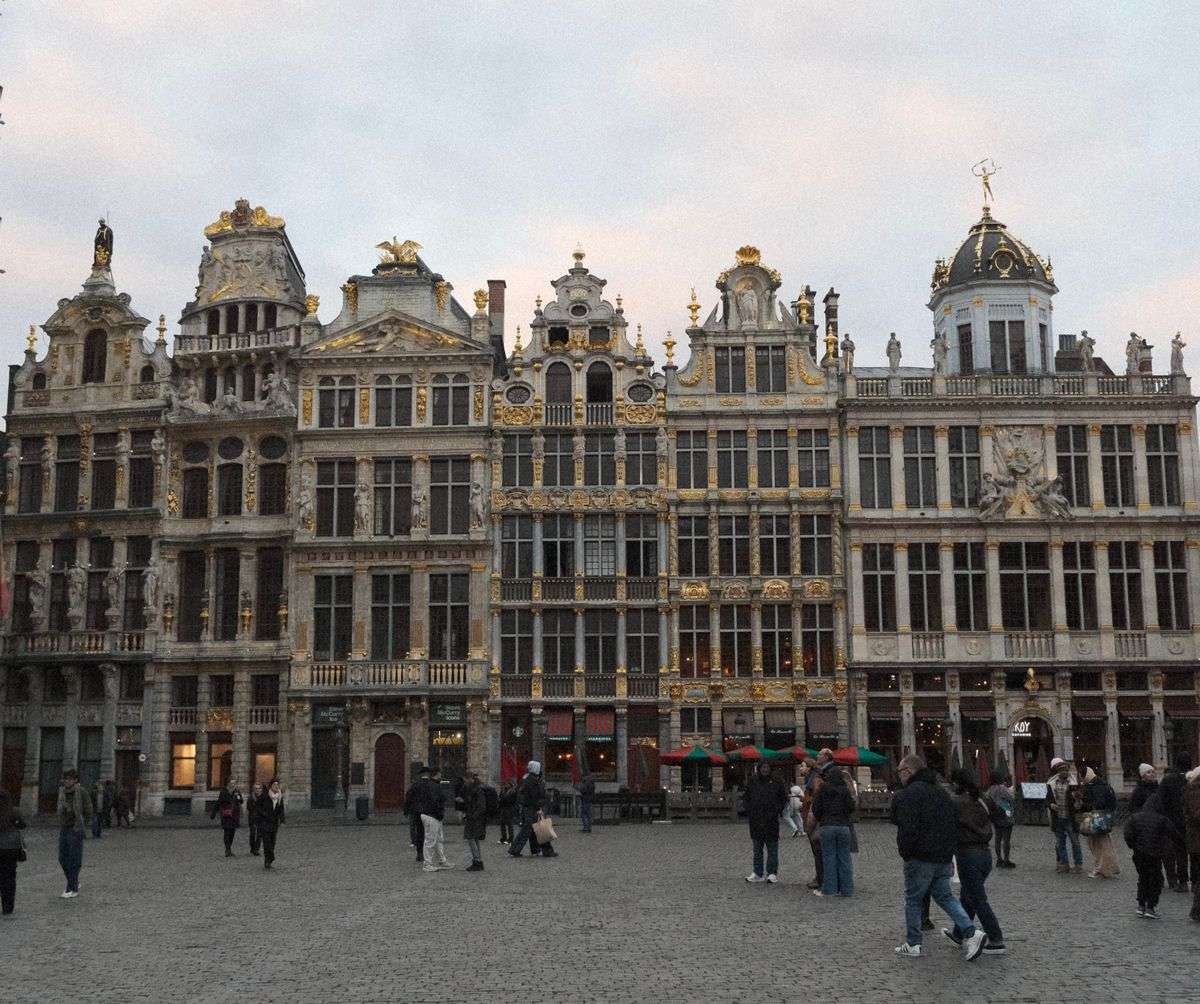
- Admire Grand-Place by day and at night
- Walk the comic murals across the center
- Browse the Galeries Royales Saint-Hubert
- Stroll through Brussels Park and the royal district
- Visit St. Michael and St. Gudula Cathedral
- Explore local neighborhoods like Sablon and Saint-Gilles
Brussels or Bruges: which is more beautiful?
Bruges is more immediately picturesque, while Brussels is more layered and varied. The better choice depends on the kind of trip you want. Bruges excels in postcard charm; Brussels rewards curiosity with architecture, museums, food culture, and neighborhood variety.
For a romantic canal setting, Bruges usually wins. For a city weekend with more range, better transport connections, and more contrasting experiences, Brussels has the edge. In short: Bruges is the polished fairytale, Brussels is the witty friend with excellent taste and a slightly chaotic bag. Both are good company.
How to get around Brussels efficiently
The most effective way to move around Brussels is to combine walking with public transport. The center is compact enough to explore on foot, while the metro, tram, and bus network helps connect outer areas like the Art Nouveau districts and the European Quarter.
For most weekend visitors:
- Walk in the historic center, Sablon, and royal district
- Use the metro or tram for longer connections
- Consider a day pass if you plan several rides
- Skip taxis unless you are short on time late at night
If you enjoy urban wandering, Brussels is very manageable. Comfortable shoes matter, because cobblestones are charming right up until they start negotiating with your ankles.
What to eat in Brussels on a weekend trip
The city’s must-try foods go beyond waffles. Brussels is a strong destination for savory classics, beer pairings, and chocolate. A balanced weekend should include at least one traditional meal, one street-food stop, and one serious chocolate tasting.
| Dish or drink | What it is | When to try it |
|---|---|---|
| Moules-frites | Mussels served with fries | Dinner in a traditional brasserie |
| Belgian fries | Crisp fries with sauces | Quick lunch or snack |
| Waffles | Brussels or Liège style | Breakfast or afternoon break |
| Chocolate pralines | Filled chocolates from artisan shops | Any time, with zero guilt |
| Belgian beer | Abbey, Trappist, lambic, saison and more | Aperitif or dinner pairing |
If you want one classic Brussels meal, choose mussels and fries with a Belgian beer. It is simple, iconic, and deeply satisfying.
The WeRoad tip
How to turn a Brussels weekend into a walk worth remembering
The nicest way to experience Brussels is to let the city reveal itself on foot. Start with a slow walk to Grand-Place and through the historic center, where ornate guild houses set the scene better than any postcard ever could. From there, embrace the city’s playful side: stop by Manneken Pis, then keep going with the mini treasure hunt for Jeanneke Pis and Zinneke Pis. It sounds absurd on paper, and yet somehow it works perfectly once you’re there.
Break up the stroll with a proper Brussels reward system: a few pralines from famous chocolatiers, then later a traditional meal of mussels and fries with a Belgian beer. If you still have energy, head uphill toward the royal area for parks, palaces, and cathedral views, then finish with an evening aperitif overlooking the city. After dark, Brussels changes rhythm completely, and that’s your cue to trade historic façades for lively bars and clubs. In short: walk, snack, admire, repeat. It’s a very solid life plan.
A weekend in Brussels, well spent
Two days are enough to understand why Brussels deserves more respect than a quick stopover. The city combines landmark architecture, strong food culture, easy walks, unusual folklore, and some of Europe’s best Art Nouveau in a format that feels both accessible and rewarding.
If Brussels is now on your list, take a look at the WeRoad group trips for Belgium and nearby European destinations: it is a great way to discover the city with a ready-made crew, zero planning panic, and someone else making the “one more beer?” decision feel perfectly reasonable.
FAQ
- Is Brussels worth visiting for just a weekend?
-
Yes. A weekend is enough to see the city’s highlights, enjoy its food scene, and explore both the historic center and a few more characterful areas such as Sablon or the Art Nouveau districts.
- What can I do in Brussels for free?
-
You can visit Grand-Place, walk the comic mural route, stroll through Brussels Park, explore the royal district, enter St. Michael and St. Gudula Cathedral, and enjoy viewpoints like Mont des Arts without spending much.
- What is the best way to get around Brussels?
-
The best approach is to walk in central areas and use metro or tram for longer distances. Most visitors can cover the center on foot and rely on public transport for outer neighborhoods or museums.
- What food should I absolutely try in Brussels?
-
The most classic choice is moules-frites, especially with a Belgian beer. You should also try waffles, artisan chocolate pralines, and proper Belgian fries from a good local fritkot.
- Is Brussels better than Bruges?
-
They offer different experiences. Bruges is more overtly scenic and romantic, while Brussels is richer in variety, architecture, food culture, and urban energy. For a dynamic city weekend, Brussels is often the stronger choice.