
In a nutshell
- Copenhagen is famous for its balance of history and modern lifestyle: royal palaces, canals, innovative design, excellent food and a compact layout make it ideal for a first city break.
- The essential experiences include Nyhavn, a canal cruise, Tivoli Gardens, Christianshavn and Rosenborg Castle, which together offer the clearest introduction to the city’s architecture, culture and atmosphere.
- Three days is a strong baseline for a first trip: this gives enough time to combine major landmarks with slower moments in cafés, gardens, museums and waterfront areas without rushing.
- The local food scene deserves real space in the itinerary: smørrebrød, Danish pastries, food halls and New Nordic dining all contribute to what makes the city memorable beyond its landmarks.
- Getting around is simple and efficient: central Copenhagen is highly walkable, the metro connects key areas quickly, and bikes are useful for confident riders familiar with urban cycling etiquette.
Copenhagen is one of those cities that looks polished in photos and somehow feels even better in real life. It is compact, creative, easy to navigate and packed with contrasts: royal palaces, countercultural enclaves, minimalist design stores and bakeries that can ruin all future pastries for you.
If you are planning a first visit, the good news is that many of the city’s highlights are close together. You can move from the colorful waterfront of Nyhavn to the canals of Christianshavn, then into museums, food markets and leafy gardens without needing military-level logistics. Just decent shoes and a healthy respect for bike lanes.
This guide rounds up the best experiences in the Danish capital, with practical tips on what to prioritize, how many days to stay and which sights are genuinely worth your time.
Why Copenhagen is so famous
Copenhagen is known for its waterfront beauty, bike culture, Nordic design, food scene and high quality of life. The city blends historic landmarks with modern architecture, independent neighborhoods and a strong sense of everyday livability, which makes visiting it feel both exciting and surprisingly relaxed.
Part of the city’s appeal is that it never tries too hard. It simply places a royal palace next to a cool coffee shop, a canal beside a design showroom, and a world-class museum within walking distance of a hot dog stand. Very casual, very unfair to other cities.
- For architecture lovers: colorful facades, palaces, spires and sleek contemporary buildings
- For foodies: bakeries, smørrebrød, food halls and New Nordic restaurants
- For culture seekers: castles, museums and unique districts like Christiania
- For slow travelers: walkable neighborhoods, canal views and plenty of hygge
The best things to do in Copenhagen on a first trip
The top sights in Copenhagen are varied but easy to combine. A balanced first itinerary should include Nyhavn, a canal tour, Tivoli Gardens, a castle or museum, Christianshavn and time for cafés and design shops. This mix gives you a clear sense of the city’s personality.
Stroll through Nyhavn
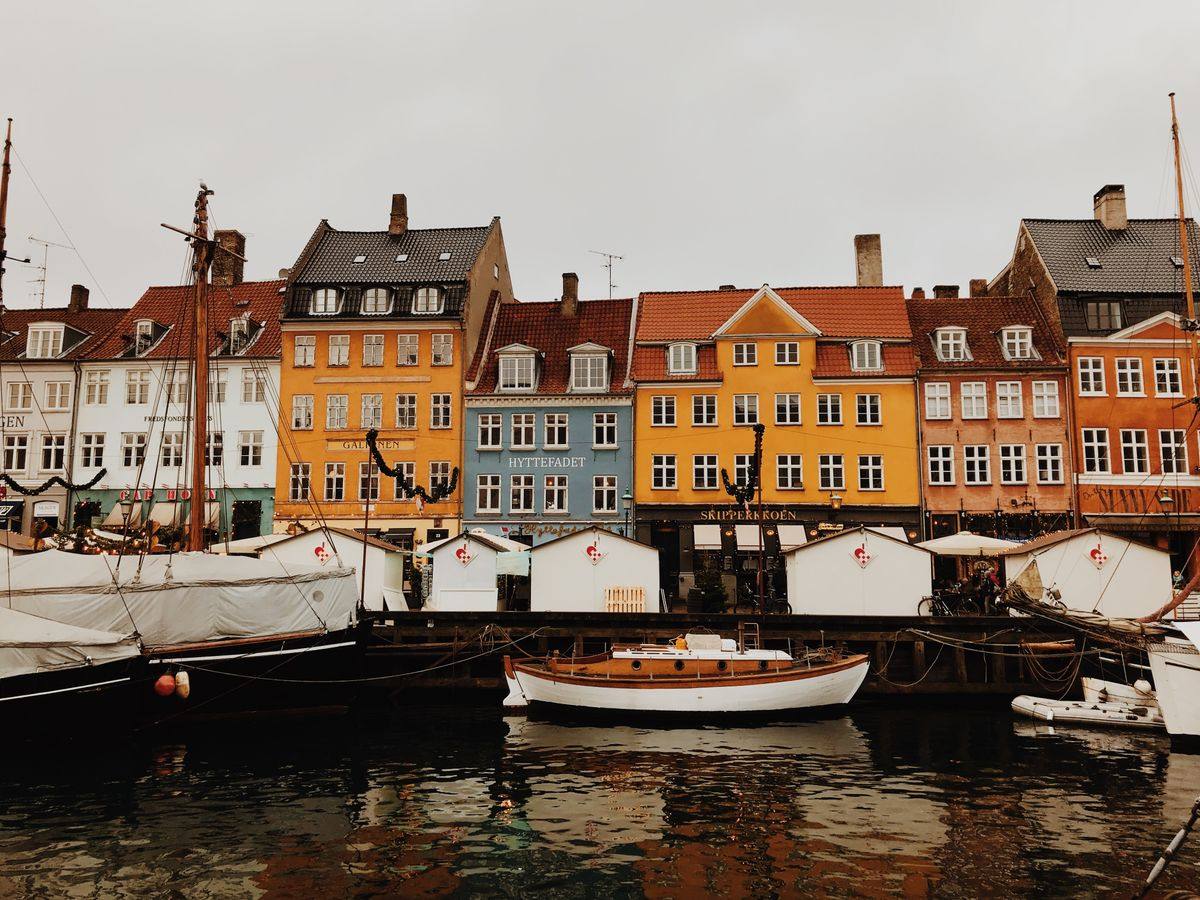
Nyhavn is the city’s postcard view and one of its most recognizable places. The 17th-century canal is lined with colorful townhouses, old wooden boats and busy terraces. It is touristy, yes, but also undeniably charming and worth seeing early in the day.
Come in the morning if you want better photos and fewer elbows in frame. The canal is ideal for a scenic walk, and from here you can easily continue toward Kongens Nytorv and Amalienborg Palace. It is the kind of place that makes you stop every ten steps and say, “Okay fine, this is very pretty.”
Take a canal boat tour
Seeing Copenhagen from the water helps you understand the city’s layout and appreciate its maritime identity. A canal cruise connects major landmarks while revealing quieter corners, bridges and house-lined waterways that are harder to notice from the street.
Choose a classic one-hour route or a smaller local-style boat with a skipper for a more intimate experience. Departures usually leave from Nyhavn or Gammel Strand. It is one of the smartest activities for a first day in town, especially if you want quick orientation without staring at maps like they personally offended you.
Visit Tivoli Gardens
Tivoli Gardens is one of the oldest amusement parks in Europe and remains one of Copenhagen’s most iconic attractions. It combines rides, gardens, historic charm, evening lights and seasonal decorations, making it more atmospheric than a standard theme park.

Even if roller coasters are not your thing, Tivoli is still worth visiting for the ambiance alone. In summer it feels festive and elegant; in winter it turns wonderfully theatrical with lights and markets. For anyone wondering what Tivoli is in Copenhagen, think of it as part amusement park, part urban garden, part nostalgia machine.
Explore Christianshavn and Christiania
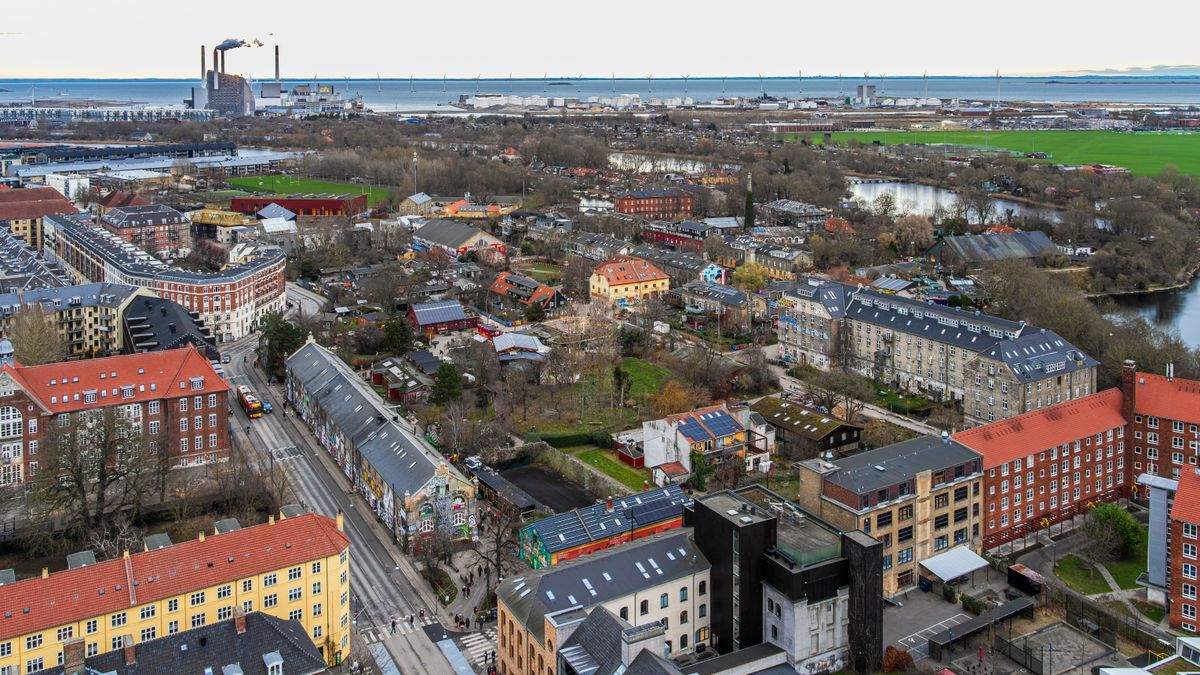
Christianshavn offers canals, houseboats, elegant old buildings and some of the city’s most photogenic streets. Nearby, Freetown Christiania presents a radically different atmosphere, shaped by decades of alternative culture and community-led identity.
Christianshavn is ideal for wandering without much of a plan. You can admire the canal, stop for coffee and climb the spiral tower of the Church of Our Saviour if you want panoramic views. Christiania, meanwhile, is one of the most unusual places in the city. Visit respectfully, preferably during the day, and follow local rules about photography.
See Rosenborg Castle and the King’s Garden
Rosenborg Castle is one of the best royal sites in Copenhagen for first-time visitors. Built in the early 17th century, it houses richly decorated interiors, royal collections and the Danish Crown Jewels, while the surrounding King’s Garden is free to enjoy.
If you only visit one castle in the city center, this is a strong choice. The museum experience is manageable even on a short itinerary, and the park outside offers a pleasant break between attractions. It is refined, compact and very Danish in the sense that even the royal gardens feel neatly organized.
Walk to the Little Mermaid and Kastellet
The Little Mermaid is one of Copenhagen’s best-known landmarks, and although it is smaller than many visitors expect, it fits well into a scenic waterfront walk. Pairing it with nearby Kastellet, the historic star-shaped fortress, makes the outing more rewarding.
This route works best if you enjoy walking and want to see a quieter side of the city. The statue itself is quick to visit, but Kastellet adds green space, history and broad paths with harbor views. Think of the mermaid as the cameo and the fortress as the supporting actor who steals the scene.
Design, shopping and museum stops
Copenhagen stands out for its design culture, which appears in museums, furniture stores, ceramics studios and everyday interiors. Even travelers who do not usually plan shopping time often enjoy browsing the city’s carefully curated retail scene and design-focused cultural spaces.
Set aside a few hours for stores and museums, especially around the center. Good options include:
- Designmuseum Danmark for Danish furniture, craft and industrial design
- Illums Bolighus for a broad overview of Scandinavian home design
- Hay House for contemporary interiors and accessories
- Studio Arhoj for colorful ceramics with plenty of personality
- New Mags for design books, magazines and beautiful browsing material
If your suitcase is already full, just call it “cultural research” and continue shopping responsibly. Or irresponsibly, but with excellent taste.
What to eat in Copenhagen
The city’s food scene is one of its strongest reasons to visit. Traditional dishes, contemporary Nordic cooking, outstanding bakeries and casual street food all coexist within a small area, making it easy to eat well across different budgets.
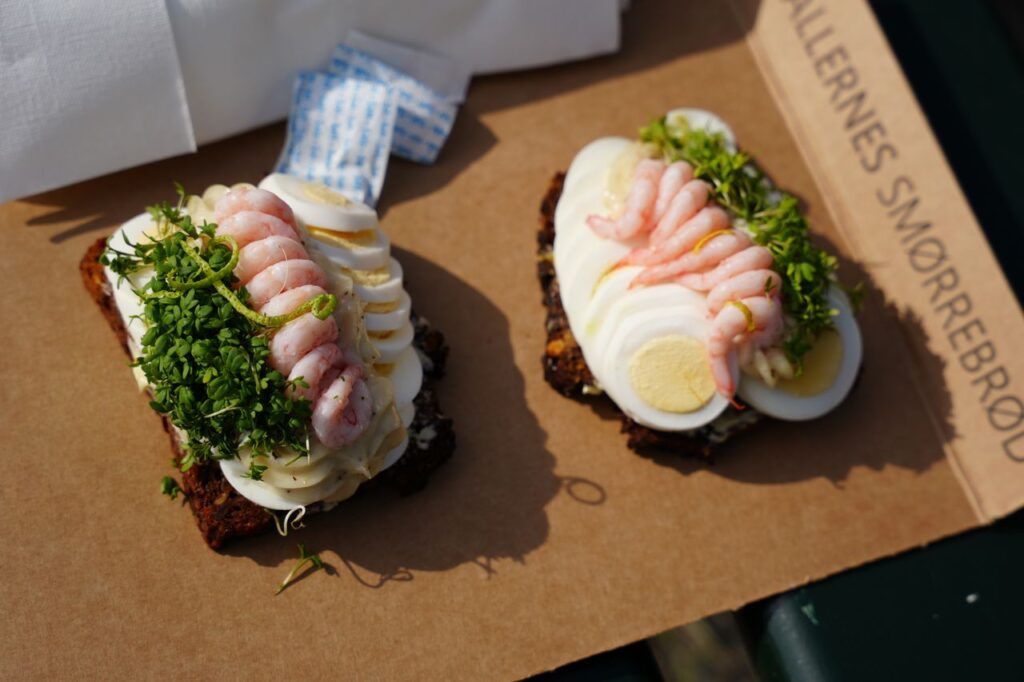
Start with the essentials:
- Smørrebrød at a traditional bistro, often topped with herring, salmon or roast beef
- Kanelsnegl or cardamom buns from a local bakery
- Hot dogs from a street stand for a quick local classic
- New Nordic cuisine if you want a more refined dinner experience
- Street food at markets and converted industrial areas
For food halls, Torvehallerne is a practical and high-quality stop. For something more atmospheric in warmer months, Reffen on the waterfront mixes global street food with a laid-back industrial setting. It is a great place to try different flavors without committing to a three-hour dinner reservation and a menu full of words you need to Google.
How many days do you need in Copenhagen?
Three days in Copenhagen is not too long at all. In fact, it is a very comfortable minimum for a first visit, allowing enough time to see the main landmarks, enjoy the food scene and explore at a slower pace without turning the trip into a sprint.
| Length of stay | What it works for | Best plan |
|---|---|---|
| 1 day | Quick overview | Nyhavn, canal tour, Christianshavn, Tivoli |
| 2 days | Main sights and food | Add Rosenborg, design shops, one museum |
| 3 days | Balanced first trip | Include Christiania, waterfront walk, slower meals |
| 4+ days | Deeper exploration | Add day trips, more neighborhoods and museums |
If you have more time, consider a day trip to Odense or Roskilde. Copenhagen rewards slow travel, and an extra day here rarely feels wasted.
Practical tips for getting around
Copenhagen is one of the easiest capitals in Europe to navigate. Most central areas are walkable, public transport is efficient and cycling is a core part of daily life. Visitors can move around quickly without needing a car.
- Walk if you stay in or near the center
- Use the metro for airport transfers and longer distances
- Rent a bike only if you feel comfortable in active bike lanes
- Consider the Copenhagen Card if you plan to visit multiple attractions
The airport is well connected to the center by metro, usually in around 15 minutes. Just remember one golden rule: bike lanes are sacred. Step into one absentmindedly and you may discover how politely intense Danish commuters can be.
The WeRoad tip
A day that tastes like Copenhagen, from canals to street food
One of the nicest ways to experience the city is to build your day around water, food and a bit of royal flair. Start in Nyhavn, when the colorful houses are still reflected quietly in the canal and the sailboats look almost too photogenic to be real. From there, hop on a canal boat tour with a local skipper: it is the easiest way to glide past the old harbor and peek into corners of the city you would probably miss on foot.
After the cruise, continue with a walk to Amalienborg Palace and then to Rosenborg Castle, where the Crown Jewels add a touch of unapologetic sparkle to the day. When hunger kicks in, do it properly: grab a kanelsnegl and coffee by the canals, then save room for a later stop at Reffen, the former dockyard turned street food market. Between Afghan dishes, local bites and harbor views, it feels casual, social and very Copenhagen. If you still have energy, end the evening at Tivoli Gardens when the lights come on and the whole city seems to wink at you.
A city that is easy to love
Copenhagen combines famous landmarks with a strong local identity, which is why it feels richer than a checklist destination. A first trip should focus on the waterfront, castles, neighborhoods, food culture and time to simply enjoy the city’s rhythm.
From Nyhavn to Tivoli Gardens, from Christiania to elegant design stores, the city offers enough variety to suit different travel styles without ever feeling overwhelming. It is stylish but not stiff, historic but not dusty, and cool without making you feel uncool. A rare talent.
If you want to experience Denmark with like-minded travelers, take a look at the WeRoad group trips to Copenhagen and beyond for an easy way to explore the city and its Nordic atmosphere together.
FAQ
- Is 3 days in Copenhagen too long?
-
No, three days is a very good amount of time for a first visit. It allows you to cover the main attractions, enjoy the food scene and explore neighborhoods like Christianshavn without rushing through the city.
- What is Tivoli Gardens in Copenhagen?
-
Tivoli Gardens is a historic amusement park that opened in 1843. It combines rides, gardens, restaurants, seasonal decorations and live entertainment, and it remains one of the city’s best-known attractions.
- Why is Copenhagen so famous?
-
Copenhagen is famous for Nyhavn, Danish design, bike culture, royal history, hygge atmosphere and a globally respected food scene. It is also known for being clean, organized and easy to explore.
- What are the best areas to explore on foot?
-
The best central areas for walking are Nyhavn, Indre By, Christianshavn and the route from Amalienborg to the Little Mermaid and Kastellet. These districts combine major sights with scenic streets and waterfront views.
- Where did Matt Damon eat in Copenhagen?
-
This is a popular curiosity, but restaurant choices linked to celebrities change over time and are often anecdotal. For a better meal plan, focus on trusted local spots for smørrebrød, bakeries, food halls and canal-side dining.