In a nutshell
- Denmark offers far more than Copenhagen, with an easy-to-navigate mix of royal landmarks, Viking heritage, literary towns, creative cities, and scenic coastal regions that work well in a multi-stop itinerary.
- Copenhagen’s essential sights include Tivoli Gardens, Nyhavn, canal tours, Amalienborg Palace, Rosenborg Castle, the Little Mermaid, and Kastellet, combining history, architecture, and everyday Danish atmosphere.
- The country’s strongest cultural stops include Kronborg Castle in Helsingør, the Viking Ship Museum in Roskilde, and Odense’s Hans Christian Andersen heritage, each revealing a different side of Danish identity and history.
- Nature is a major part of the experience, especially at Møns Klint, Skagen and Grenen, and the Wadden Sea, where travelers can enjoy cliffs, dunes, beaches, birdlife, and the remarkable Black Sun phenomenon.
- Food and practical planning matter: try smørrebrød, pastries, seafood, and street food at Reffen, travel by train or bike where possible, expect higher costs, and rely on Denmark’s strong safety standards and efficient transport network.
Denmark may look small on the map, but it punches well above its weight when it comes to culture, design, history, and landscapes. One day you’re cycling through a stylish capital, the next you’re standing on dramatic cliffs or wandering through Viking history. Not bad for a country that also treats pastries like a national mission.
If you’re planning a trip and want a clear guide to the best experiences across the country, this itinerary-friendly overview covers the highlights worth adding to your list. From Copenhagen icons to lesser-known gems in Jutland, Funen, and beyond, here are the attractions that make Denmark such an easy place to love.
Why Denmark is worth exploring beyond Copenhagen
Denmark rewards travelers who combine city breaks with day trips and regional stops. While Copenhagen has many of the country’s most famous sights, other areas offer castles, seaside towns, museums, cliffs, and cultural landmarks that reveal a broader picture of Danish life, history, and landscapes.
Copenhagen is an excellent starting point, but it shouldn’t be the whole story. Denmark is compact, well connected, and refreshingly easy to navigate by train, car, or bicycle. That means you can move from royal palaces to fishing villages without needing military-grade planning skills or seventeen browser tabs open at once.
Top attractions in Copenhagen
Copenhagen brings together royal history, waterfront views, world-class museums, and an everyday lifestyle built around bikes, design, and good food. It is the best place to begin a Danish trip because many of the country’s defining experiences can be found within a short distance.
Tivoli Gardens
Tivoli Gardens is one of the most iconic attractions in Denmark and a must for first-time visitors. Opened in 1843, it mixes vintage charm, landscaped gardens, rides, performances, and seasonal decorations in the heart of the city.
Even if roller coasters are not your thing, Tivoli still works its magic. Visit in the evening for lights and atmosphere, or during Christmas and Halloween when the park becomes unapologetically theatrical. It’s the sort of place where you plan to stay one hour and suddenly it’s dinner time and you’re holding caramelized almonds.
Nyhavn and the canals
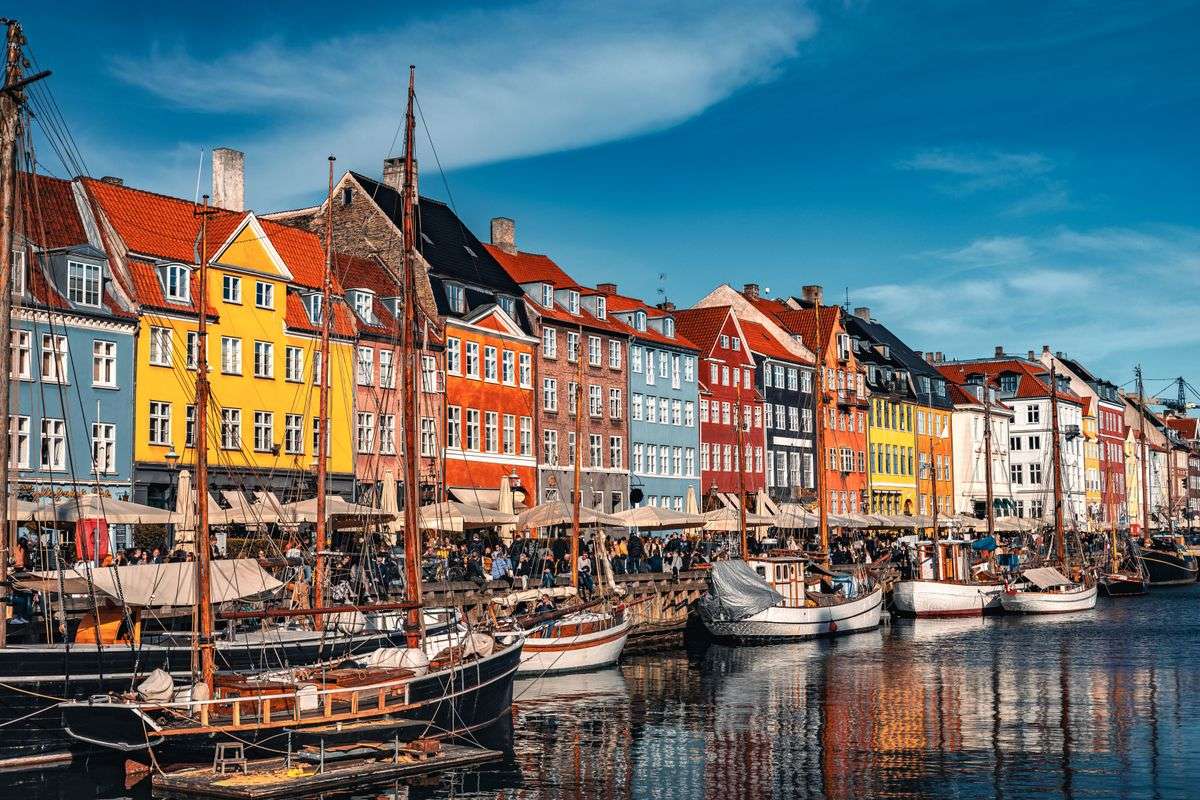
Nyhavn is Copenhagen’s postcard-perfect harbor, known for colorful facades, old wooden ships, and a lively waterside atmosphere. It is one of the easiest places to enjoy the city’s maritime character and start exploring central Copenhagen on foot or by boat.
A canal tour is one of the smartest ways to get your bearings. You’ll glide past houseboats, bridges, and historic buildings while feeling suspiciously elegant for someone sitting in a jacket eating a pastry two hours earlier. Nyhavn is also a great area to pause for lunch or simply watch the city go by.
Amalienborg, Rosenborg, and the Little Mermaid
These landmarks offer a direct introduction to Danish monarchy, national heritage, and literary symbolism. Together, they create a classic sightseeing route that can easily fill half a day in Copenhagen.
At Amalienborg Palace, you can watch the changing of the guard and see where the royal family still resides. Rosenborg Castle is the place for history lovers, with richly decorated rooms and the dazzling Danish crown jewels. Then there’s the Little Mermaid, small in size but huge in fame, sitting quietly by the waterfront as if entirely unaware of her international celebrity status.
Kastellet and city walks
Kastellet is one of Europe’s best-preserved star-shaped fortresses and an excellent stop for a calmer side of the capital. It combines military history with green open space and scenic walking paths.
It is ideal if you want a break from museums and busy streets. The area around Kastellet, the waterfront, and nearby parks creates one of the city’s most enjoyable walking routes. In practical terms, it is also a very good excuse to pretend you are starring in a Nordic film while doing absolutely normal sightseeing.
Best cultural and historical places in Denmark
Denmark’s history is visible in its castles, Viking sites, open-air museums, and literary towns. These destinations help travelers understand how the country evolved from a seafaring kingdom into a modern, design-led society with a strong sense of heritage.
Kronborg Castle in Helsingør
Kronborg Castle, a UNESCO World Heritage Site, is one of the most important castles in Northern Europe. Located in Helsingør, it is famous worldwide as the setting of Shakespeare’s Hamlet.
The Renaissance architecture is impressive, but the atmosphere is what really stays with you. Grand halls, sea views, ramparts, and dark underground casemates give the whole place a dramatic edge. Frankly, if a ghost appeared here, nobody would be especially shocked.
Roskilde and the Viking Ship Museum
Roskilde is one of Denmark’s key historical cities and a rewarding day trip from Copenhagen. Its main highlight is the Viking Ship Museum, which offers a hands-on look at Denmark’s seafaring past.
The museum displays original Viking ships recovered from the fjord and explains how they were built and used. In warmer months, demonstrations and sailing experiences make the visit even more engaging. Roskilde also has a monumental cathedral that holds the tombs of many Danish monarchs, which is about as regal as day trips get.
Odense and Hans Christian Andersen’s legacy
Odense, on the island of Funen, is best known as the birthplace of Hans Christian Andersen. It combines literary heritage with walkable streets, cultural attractions, and a relaxed small-city atmosphere.
The old quarters are full of cobbled lanes and colorful houses, while museums dedicated to Andersen explore both the writer and the imagination behind the fairy tales. Nearby, Den Fynske Landsby recreates 19th-century rural life, making Odense a strong choice for travelers who want more than the standard capital-city circuit.
Nature and outdoor experiences
Denmark’s landscapes are less about towering peaks and more about coastlines, dunes, cliffs, islands, and easy-access outdoor experiences. Nature here feels approachable, varied, and often surprisingly dramatic for such a low-lying country.
Møns Klint
Møns Klint is one of Denmark’s most spectacular natural landmarks. These white chalk cliffs rise above the Baltic Sea and offer some of the country’s most striking coastal scenery.
Hiking trails, forested paths, and lookout points make it ideal for active travelers and photographers. Be prepared for stairs if you head down to the beach, though the views are well worth the effort. Your legs may complain later, but your camera roll will be very pleased.
Skagen and Grenen
Skagen, at the northern tip of Jutland, is where two seas meet at Grenen. It is one of the country’s most distinctive seaside destinations, known for light, landscapes, and artistic heritage.
Standing at the point where the North Sea and Baltic Sea collide is a classic Danish experience. The surrounding area also offers sandy beaches, yellow-painted houses, museums, and nearby dunes such as Råbjerg Mile. It feels remote in the best possible way.
The Wadden Sea and Black Sun
The Wadden Sea National Park in southwestern Denmark is one of Northern Europe’s most important natural areas. It is especially known for birdlife, tidal landscapes, and the seasonal phenomenon called Black Sun.
During migration season, huge flocks of starlings form shifting patterns in the sky at sunset. It is one of the most unusual experiences in the country and a compelling reason to explore beyond the typical route. No filters needed, just decent timing and a little luck with the weather.
Best cities and regions to add to your itinerary
Several Danish destinations work particularly well alongside Copenhagen. They offer a mix of food, art, local character, and manageable sightseeing, making them ideal for travelers building a multi-stop itinerary across the country.
| Destination | Why go | Best for |
|---|---|---|
| Aarhus | Creative city with museums, design, and lively food scene | Culture, art, weekend breaks |
| Odense | Fairy-tale heritage and historic streets | Literature, families, slower travel |
| Roskilde | Viking history and royal burial cathedral | Day trips, history lovers |
| Skagen | Coastline, dunes, and dramatic sea meeting point | Nature, photography, summer travel |
| Helsingør | Kronborg Castle and maritime heritage | Castles, Shakespeare, easy excursions |
Aarhus
Aarhus is Denmark’s second-largest city and one of its most rewarding urban destinations. It blends youthful energy with serious cultural substance, making it a strong alternative or addition to Copenhagen.
Visit ARoS Aarhus Art Museum, walk through the open-air history of Den Gamle By, and sample the local dining scene. Aarhus feels modern without losing its roots, which is a neat trick many cities attempt and fewer actually pull off.
What to eat while exploring Denmark
Danish food is an essential part of the travel experience, from classic lunch dishes to contemporary street food. It reflects the country’s love of seasonal ingredients, simple presentation, and high standards in both traditional and modern settings.
Try these local favorites during your trip:
- Smørrebrød, open-faced rye bread sandwiches topped with herring, salmon, roast beef, or eggs
- Danish pastries and bakery treats for breakfast or coffee breaks
- Frikadeller, traditional Danish meatballs
- Fresh seafood in coastal towns
- Creative street food in markets such as Reffen in Copenhagen
Reffen deserves a special mention for travelers who like casual dining with variety. Set in a former industrial dockyard, it brings together international flavors and local ingredients in a laid-back waterfront setting. In short: come hungry, leave happy, possibly with sauce on your sleeve.
The WeRoad tip
A classic Copenhagen day that mixes icons, flavors, and a little fairy-tale energy
To enjoy the capital without rushing, build one day around a route that flows naturally through some of its best sights. Start with a canal boat ride so you can see the colorful houses of Nyhavn from the water and get an immediate feel for the city’s maritime side. From there, continue on foot toward the waterfront to spot the Little Mermaid and then walk through the geometric paths of Kastellet, one of the city’s most pleasant green areas as well as a fascinating historic fortress.
Later, switch from postcard moments to royal treasures at Rosenborg Castle, where the Danish crown jewels add a touch of proper sparkle to the day. For lunch, keep it local with a plate of smørrebrød, ideally topped with herring or salmon. Then save your appetite for the evening and head to Reffen, a former industrial dockyard transformed into a vibrant street food market packed with stalls and waterfront atmosphere. If you still have energy, close the day at Tivoli Gardens: lights on, rides humming, and the city suddenly feeling like it has decided to flirt with a fairy tale.
Practical tips for planning a trip to Denmark
Denmark is easy to travel around, safe by European standards, and well suited to first-time visitors. Good transport, widespread English, and compact distances make it simple to combine major sights with smaller towns and nature areas.
- Visit in late spring or summer for long daylight hours and easier regional travel.
- Use trains for major routes and rent a car for cliffs, rural areas, or western Jutland.
- Budget carefully, as Denmark is expensive, especially in the capital.
- Pack layers because weather can shift quickly, even in summer.
- Consider cycling for city exploration, especially in Copenhagen and Aarhus.
As for safety, Denmark is generally considered a very safe destination for international travelers, including visitors from the US. Still, normal travel precautions apply: keep an eye on belongings in busy areas, check official government travel advice before departure, and make sure you have travel insurance. The so-called 11-hour rule or 22 rule may refer to workplace or legal contexts, not standard tourist regulations, so travelers usually do not need to plan around them unless they relate to a specific job or residency matter.
From royal palaces and Viking ships to chalk cliffs, harbor strolls, and buttery pastries, Denmark proves that a small country can offer a seriously varied trip. And if you’d like to experience it with new travel buddies, take a look at the WeRoad group trips to Denmark and start planning your next northern adventure.
FAQ
- What is a must do in Denmark?
-
A must-do experience in Denmark is spending time in Copenhagen and combining its highlights with at least one day trip. Tivoli Gardens, Nyhavn, Rosenborg Castle, and a canal cruise are classic choices, while Roskilde or Helsingør add Viking and castle history.
- How many days do you need in Denmark?
-
For a first trip, 5 to 7 days is a good minimum. That gives you time for Copenhagen plus a few additional destinations such as Roskilde, Helsingør, Odense, or Aarhus. With 10 days, you can include nature spots like Møns Klint or Skagen.
- Is Denmark safe for US travelers?
-
Yes, Denmark is generally very safe for US travelers and other international visitors. Crime levels are relatively low, public transport is reliable, and English is widely spoken. As always, check official travel advisories before departure and use normal precautions in crowded tourist areas.
- What is the best time to visit Denmark?
-
The best time to visit is usually late spring through summer, when days are long, temperatures are milder, and many outdoor attractions are at their best. December is also popular for Christmas markets and festive city breaks, though it is colder and darker.
- Can you explore Denmark without a car?
-
Yes, you can see a large part of Denmark using trains, buses, and bicycles. Copenhagen, Roskilde, Helsingør, Odense, and Aarhus are all easy to reach by public transport. A car becomes more useful for remote coastal areas and some natural attractions.