
In a nutshell
- Bali combines several travel styles in one destination: beach time, cultural visits, green landscapes, local food and wellness all fit easily into the same trip, making it ideal for both first-time visitors and returning travelers.
- The best coastal areas depend on what you want: Uluwatu is perfect for cliffs and surf, Seminyak and Canggu work well for restaurants and social energy, while Nusa Dua and Jimbaran suit calmer beach days and easier swimming.
- Temples are central to understanding the island: places like Uluwatu Temple, Tanah Lot and Tirta Empul offer scenic beauty, spiritual meaning and direct contact with Balinese traditions when visited respectfully.
- Rice terraces are not just scenic stops: Jatiluwih stands out for its UNESCO-recognized landscape and peaceful walking trails, Tegalalang is convenient near Ubud, and Sidemen offers a quieter, slower-paced alternative.
- One week is enough with a focused plan: splitting time between Ubud, Uluwatu and Seminyak or Canggu gives a balanced first itinerary, especially if you start early, limit hotel changes and plan transport carefully.
Bali has a talent for making every day feel cinematic. One minute you are standing on a cliff above the ocean, the next you are walking through emerald-green terraces or slipping into the quiet shade of a centuries-old temple. It is an island that mixes relaxation, adventure and culture with suspicious ease.
That is exactly why planning a trip here can feel both exciting and slightly chaotic. There is a lot to see, and not every famous stop is worth rearranging your whole holiday for. The good news? With the right route, you can experience the best of Bali without spending your entire trip stuck in traffic muttering at Google Maps.
What makes Bali worth visiting
Bali stands out because it offers a rich mix of landscapes and experiences within a relatively small area. Travelers can combine surf beaches, temple visits, jungle walks, rice fields and local food in a single itinerary. That variety makes the island ideal for first-time visitors and repeat trips alike.
The island is often called the Island of the Gods, and yes, it sounds dramatic, but in this case the nickname actually fits. Spiritual traditions are woven into daily life, from temple ceremonies to the small offerings placed on sidewalks and doorsteps. Add volcanic scenery, beach towns, waterfalls and wellness spots, and you have a destination that somehow does everything at once.
- For beach lovers: surf, sunsets and laid-back coastal towns
- For culture seekers: temples, rituals and traditional dance
- For nature fans: rice terraces, jungle trails and volcanic viewpoints
- For foodies: warungs, seafood, smoothie bowls and strong local coffee
The best beaches to add to your Bali itinerary
Bali’s beaches are not all the same, and choosing the right area makes a big difference. Some are better for swimming, others for surfing or sunset views. The south and southwest coasts are the easiest places to start, especially if you want a mix of scenery, cafés and day-trip convenience.
Uluwatu for cliffs, surf and sunsets
Uluwatu is one of the island’s most scenic coastal areas, known for dramatic cliffs and strong surf. It works well for travelers who want postcard views and a more relaxed atmosphere than central party hubs. The beaches here are smaller, but the setting is unforgettable.
Think hidden coves, limestone cliffs and that classic “I live here now” feeling after exactly one coconut. Padang Padang, Bingin and Balangan are popular stops, while the clifftop bars and beach clubs make sunset a daily event rather than a happy accident.
Seminyak and Canggu for beach life and easy evenings
Seminyak and Canggu are ideal if you want broad beaches, lots of restaurants and easy access to nightlife. These areas are more developed than Uluwatu, but they are convenient and social, especially for first-time visitors who want a lively base.
You probably will not come here for the island’s most swimmable water, but you will come for beach walks, surf lessons and sunsets with a drink in hand. Fair warning: one “quick stop” at a beach café can mysteriously turn into three hours and fries.
Nusa Dua and Jimbaran for calmer water
Nusa Dua and Jimbaran are better suited to travelers looking for calmer seas and a more polished resort atmosphere. They are also practical choices for families or anyone who wants easier beach access and gentler swimming conditions.
Jimbaran is especially known for seafood dinners by the water, while Nusa Dua offers clean beaches and a more relaxed pace. If Uluwatu is the cool surfer cousin, these two are the polished relatives who actually remembered sunscreen.
Temples that show Bali’s cultural soul
Bali’s temples are more than scenic landmarks. They are active places of worship and a key part of local identity. Visiting a few carefully chosen temples offers a better understanding of the island than ticking off a long list just for photos.
When visiting, dress respectfully, follow local guidance and remember that not all parts of a temple are open to everyone. A sarong is often required, and arriving early usually means softer light, cooler temperatures and fewer crowds.
Uluwatu Temple
Uluwatu Temple is famous for its clifftop location high above the Indian Ocean. It is one of the most atmospheric places on the island, especially in the late afternoon when the light changes and the ocean below starts doing its dramatic thing.
This is also where many travelers watch the Kecak dance at sunset. The performance combines chant, fire and movement in a setting that feels almost unreal. Just keep an eye on your sunglasses and phone, because the resident monkeys are talented thieves with no moral hesitation.
Tanah Lot
Tanah Lot is one of Bali’s most iconic sea temples, set on a rocky outcrop just offshore. It is especially photogenic at sunset and remains a popular stop for first-time visitors wanting a classic island landmark.
It does get busy, but the setting is still striking. The temple itself cannot always be accessed fully, depending on tide and ceremonies, yet the coastal views make the visit worthwhile. It is touristy, yes, but also genuinely beautiful, which is a tricky combo to resist.
Tirta Empul and the water temple experience
Tirta Empul is known for its holy spring and purification ritual. It offers a more immersive cultural experience than a simple viewpoint stop, especially for travelers interested in Balinese Hindu traditions and living spiritual practices.
If you choose to take part in the purification ritual, do it respectfully and with guidance on the correct procedure. It is not a theme park activity, and that distinction matters. Done thoughtfully, it can be one of the most memorable experiences on the island.
Rice terraces and green landscapes you should not miss
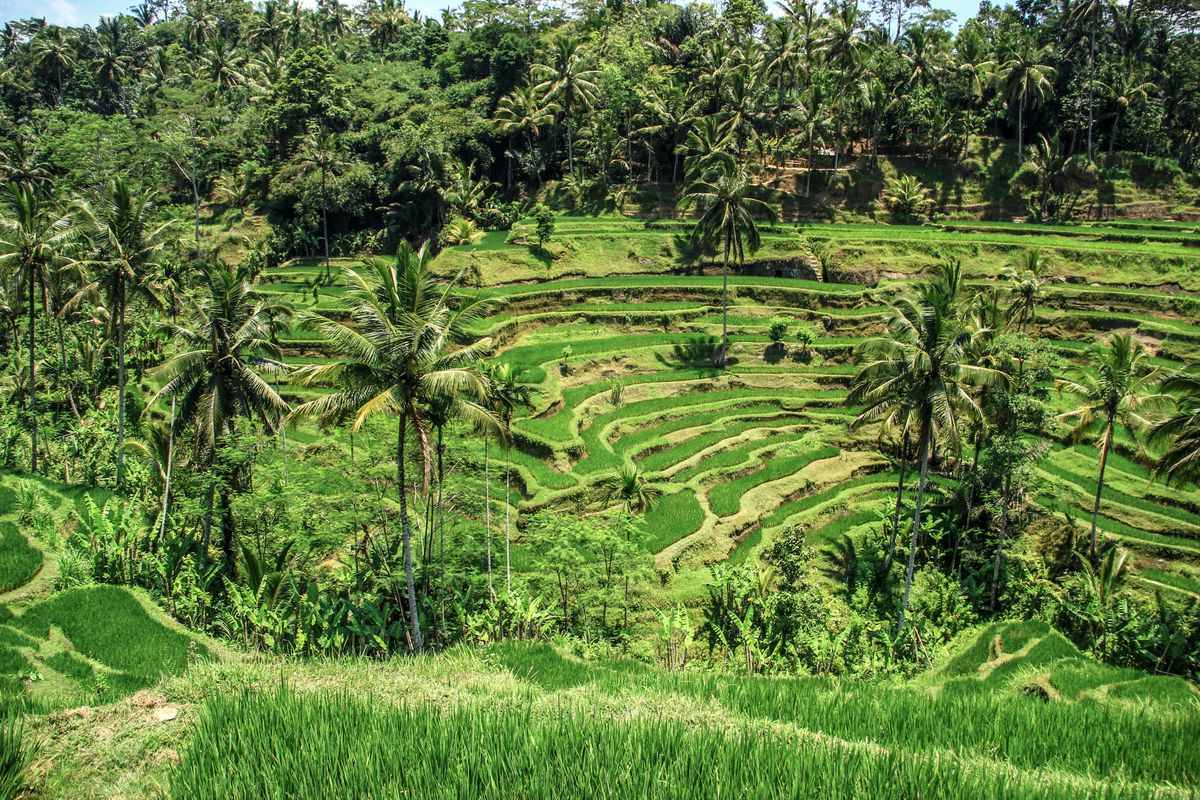
Bali’s rice terraces are among its most distinctive landscapes. They are beautiful, but they also tell the story of the island’s agricultural traditions and the subak irrigation system, which has shaped local life for centuries. Some spots are iconic, while others feel more peaceful and authentic.
Jatiluwih for wide-open views
Jatiluwih offers some of the most impressive rice terrace scenery on the island. This UNESCO-listed area is larger and less commercial than many other spots, making it a strong choice for travelers who want nature, walking trails and a quieter atmosphere.
It is the kind of place that makes you stop talking mid-sentence because everything is just that green. You can walk marked paths through the paddies, enjoy cooler air than in the south, and get a better sense of rural Bali beyond the busiest tourist zones.
Tegalalang near Ubud
Tegalalang is the best-known terrace area near Ubud, and it is easy to visit as part of a day around central Bali. It is more crowded and more built up than Jatiluwih, but still worth considering if you want a short, scenic stop.
The views are beautiful, especially in the early morning. You will also find cafés, photo platforms and swings above the paddies. Is it a little extra? Absolutely. Will you still want a photo? Also absolutely.
Sidemen for a slower side of Bali
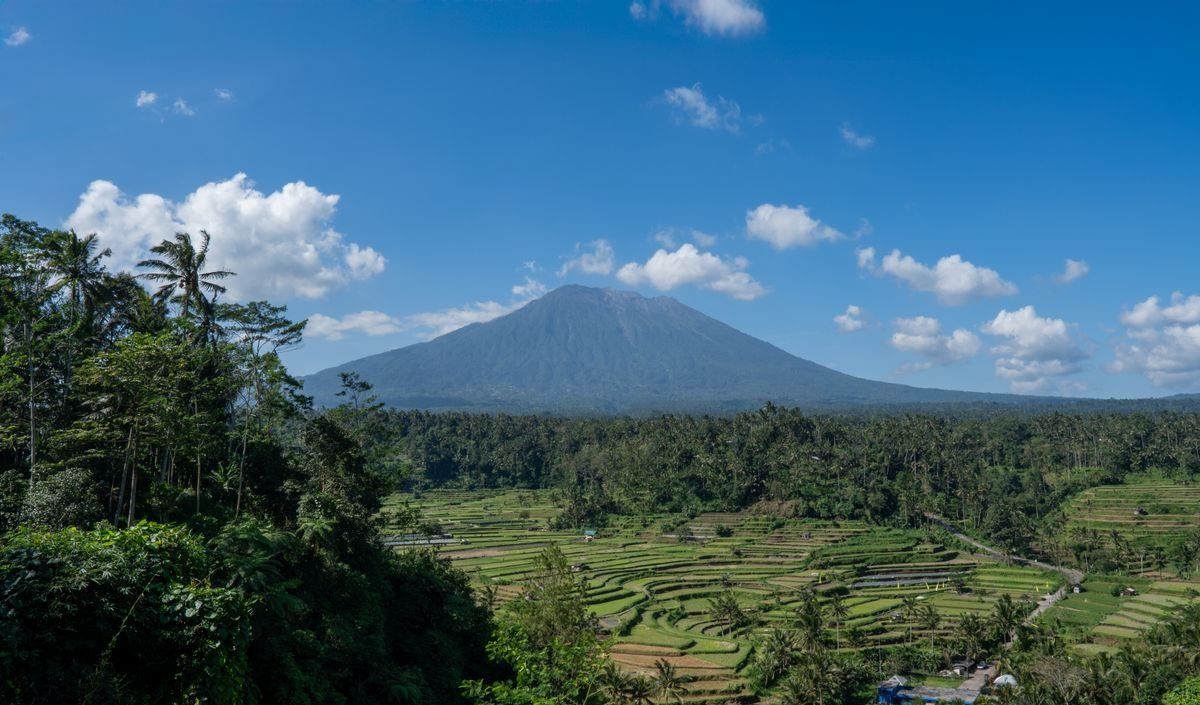
Sidemen is one of the best areas for travelers who want rice-field scenery without the busiest crowds. It combines valley views, traditional villages and a calmer pace that feels noticeably different from southern Bali.
This is a great base for walking, cycling or simply doing very little while staring at Mount Agung in the distance like you are in a particularly successful travel ad. If your ideal holiday includes peace and fewer scooters, Sidemen deserves a spot on the list.
Other memorable experiences around the island
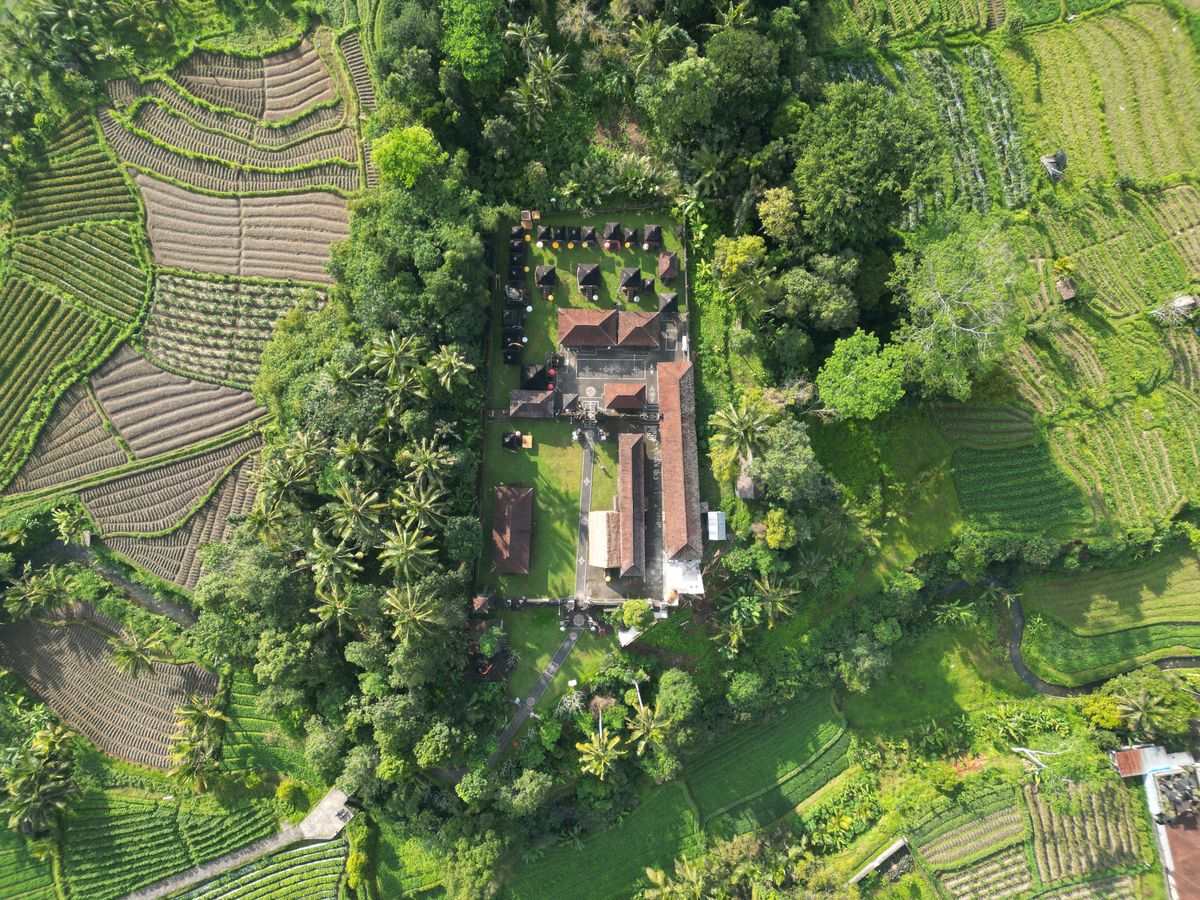
Bali is not only about beaches and temples. Some of the most rewarding moments come from smaller experiences: a waterfall swim, a local performance or an early start that actually pays off. Adding a few of these activities brings variety to your itinerary.
- Watch the sunrise from Mount Batur if you want a classic adventure and do not mind a very early alarm
- Visit Ubud Monkey Forest for a mix of temple ruins, jungle paths and chaotic monkey energy
- Chase waterfalls such as Tibumana, Sekumpul or Gitgit for a nature-focused day
- Take a cooking class to explore Balinese flavors beyond restaurant menus
- Book a snorkelling trip to nearby islands if you want coral, clear water and marine life
A quick comparison of Bali’s top areas
Choosing where to go depends on your travel style. Some areas suit first-timers who want convenience, while others are better for slower stays or nature-heavy itineraries. This overview can help you decide how to split your time.
| Area | Best for | Main highlights |
|---|---|---|
| Ubud | Culture and nature | Temples, rice fields, wellness, Monkey Forest |
| Uluwatu | Surf and views | Cliffs, beaches, sunset, Kecak dance |
| Seminyak/Canggu | Food and social atmosphere | Beach clubs, cafés, surf, nightlife |
| Jatiluwih | Scenic landscapes | UNESCO rice terraces, walking trails, rural views |
| Sidemen | Quiet escape | Rice valleys, village life, slower pace |
Is one week in Bali enough?
A week in Bali is enough to get a strong first impression, provided you do not try to see everything. Focusing on two or three bases usually works better than moving every day. This gives you time to explore while keeping transport manageable.
A practical one-week split could look like this:
- Ubud for 2-3 nights: temples, terraces and inland scenery
- Uluwatu for 2 nights: beaches, cliffs and sunset performances
- Seminyak or Canggu for 2 nights: food, shopping and easy final days
Could you squeeze in more? Technically yes. Should you? Only if you enjoy spending your holiday inside a car discussing shortcuts with your driver.
The WeRoad tip
See a wilder, more atmospheric side of Bali
If you want a version of Bali that feels a little more layered than the classic highlight reel, head into the highlands for a day that links together nature, culture and just the right amount of cinematic scenery. Start with a walk through the UNESCO-listed rice terraces of Jatiluwih, where the landscape still feels spacious and grounded in everyday life rather than built for a quick photo stop. Then continue to Ulun Danu Bratan, the lakeside temple that seems to float when mist rolls across the water and the mountains start showing off in the background.
Nearby, the moss-covered Handara Gate is worth a quick stop if you like dramatic mountain settings, but the real treat is ending the route with a rainforest walk to Git Git waterfall. After temples, terraces and cool highland air, that final swim feels less like an activity and more like a reward. It is a smart itinerary for travelers who want a quieter, greener side of the island without giving up the iconic views that made them book the flight in the first place.
Practical tips before you go
Good planning can improve your trip significantly, especially on an island where traffic, temple etiquette and weather all shape the daily experience. A few simple decisions help you avoid stress and make the most of your time.
- Best time to visit: the dry season, from roughly May to October, is the easiest for sightseeing
- Dress respectfully: bring clothing that covers shoulders and knees for temple visits
- Start early: many popular places are best before 9 am
- Budget wisely: $1000 for a week can be enough with mid-range choices, local food and planned transport
- Watch out for scams and traffic: use reputable drivers, agree prices in advance and be careful on scooters
Bali rewards travelers who mix the iconic with the less obvious. A clifftop temple at sunset, a walk through rice terraces, a morning on the beach and a simple local lunch can all end up being highlights for completely different reasons. That is the island’s real magic: variety, atmosphere and just enough chaos to keep it memorable.
If you want to explore the destination with the right balance of adventure, culture and fun, take a look at the WeRoad group trips to Indonesia and start planning your island escape.
FAQ
- Is $1000 enough for a week in Bali?
-
Yes, $1000 can be enough for a week in Bali if you choose mid-range accommodation, eat at local warungs often and organize transport sensibly. Luxury stays, private drivers every day and upscale beach clubs will raise the budget quickly.
- What should I not miss in Bali? You should not miss a mix of the island’s signature experiences
-
at least one temple such as Uluwatu or Tirta Empul, a walk through rice terraces like Jatiluwih or Tegalalang, and time on the coast around Uluwatu, Jimbaran or Canggu.
- What are the top 5 things to do in Bali?
-
A strong top five would include visiting Uluwatu Temple, exploring rice terraces, relaxing on southern beaches, seeing a traditional Kecak dance, and spending time around Ubud for culture, food and nature.
- What to beware of in Bali?
-
Be aware of heavy traffic, especially in the south, and be cautious with scooters if you are not experienced. Also watch out for temple dress rules, strong sun, cheeky monkeys near major attractions and unofficial pricing from unlicensed drivers or tour sellers.
- How many days do you need in Bali?
-
Seven to ten days is a good amount for a first trip. It gives you enough time to combine inland highlights, temple visits and beach areas without turning the holiday into a constant packing exercise.