In a nutshell
- Kyoto is best explored by combining iconic landmarks with quieter spaces, focusing on major highlights such as Fushimi Inari, Kiyomizu-dera, Higashiyama and Gion without trying to see everything in one rushed trip.
- Early starts make a major difference at the city’s busiest attractions, especially at Fushimi Inari, Kiyomizu-dera and Arashiyama, where visiting at calmer hours improves both the atmosphere and the overall experience.
- Gardens and scenic walks add balance to a temple-heavy itinerary, with places like Ryoan-ji, Nanzen-ji and the Philosopher’s Path offering a slower, more reflective side of Kyoto.
- Neighborhoods matter as much as monuments, and areas such as Gion, Higashiyama, Arashiyama and Nishiki Market reveal different layers of the city through architecture, food, local rituals and evening atmosphere.
- Two or three days can work well with smart planning, especially if you organize each day by area, while a larger Japan budget can comfortably cover Kyoto thanks to its mix of affordable cultural sights and flexible food options.
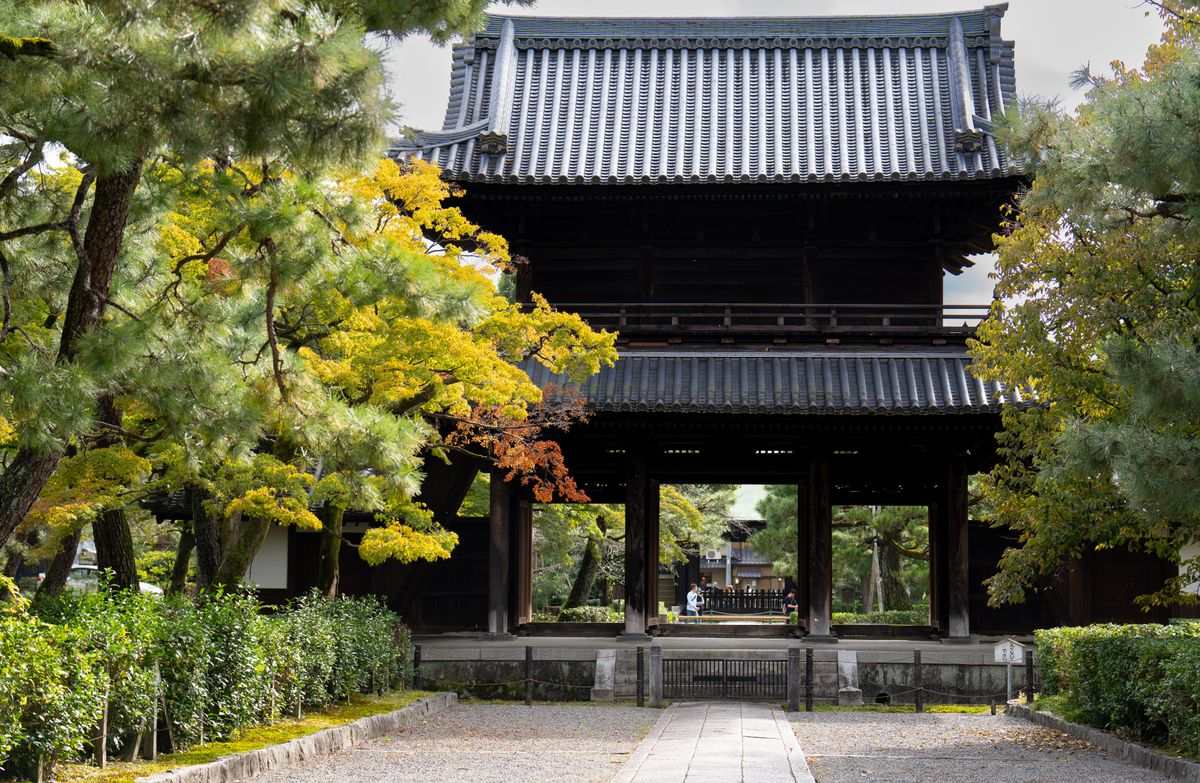
Kyoto is the kind of city that makes you slow down without even asking politely. One minute you are crossing a busy street, the next you are standing in front of a temple gate wondering whether you should whisper to your travel buddy, your camera, and possibly your snack. Japan’s former imperial capital blends sacred sites, peaceful gardens, historic lanes and food markets in a way that feels both grand and deeply human.
If you are planning your first visit, the best way to enjoy Kyoto is not by trying to see every temple with superhero efficiency. It is by choosing a smart mix of famous landmarks, quieter corners and local rituals. That way, the city feels less like a checklist and more like an experience you actually remember.
What should you not miss in Kyoto?
The essential highlights of Kyoto include Fushimi Inari Taisha, Kiyomizu-dera, the historic lanes of Higashiyama, Gion, the Philosopher’s Path and one or two standout temples or gardens such as Kinkaku-ji or Ryoan-ji. These places capture the city’s spiritual atmosphere, architecture and rhythm better than any rushed marathon ever could.
If you only have a short stay, focus on experiences that show different sides of the city:
- Shrines and temples for Kyoto’s spiritual heritage
- Traditional districts for old wooden streets and teahouse culture
- Gardens and scenic walks for a calmer, more reflective side
- Markets and local food stops for everyday Kyoto life
And yes, temple fatigue is real. Kyoto has hundreds of beautiful places, but your feet and attention span may start negotiating a union contract by day two.
Fushimi Inari Taisha and the torii gate trails
Fushimi Inari Taisha is one of Kyoto’s most iconic sights and for good reason. The shrine is famous for its thousands of red torii gates winding up the forested slopes of Mount Inari. Visiting early or later in the day makes a huge difference, especially if you want a more peaceful walk and better photos.
The lower section is usually the busiest, but the crowds thin out as you continue uphill. If you have the energy, walk beyond the first photo spots and treat it as a proper stroll rather than a quick stop. The route becomes quieter, greener and much more atmospheric.
It is one of those places where Kyoto shows off a little, and honestly, fair enough.
How long to spend at Fushimi Inari
A quick visit can take about one hour, while the full loop can take two to three hours. Comfortable shoes matter here. This is not the place for heroic fashion decisions.
Kiyomizu-dera and the charm of Higashiyama
Kiyomizu-dera is one of the city’s most important temples and one of the best viewpoints in eastern Kyoto. Its large wooden stage overlooks the valley and the surrounding hills, creating one of the most memorable scenes in the city. Arriving early helps you appreciate the setting before the busiest hours begin.
The temple itself is impressive, but the wider Higashiyama area is part of the experience. The streets leading up to it, including Sannenzaka and Ninenzaka, are lined with traditional buildings, small shops and cafés. This is where Kyoto starts to feel exactly like the version living in your imagination.
Go slowly here. You are not late for anything except maybe your next matcha break.
Nearby spots worth adding
Once you finish at Kiyomizu-dera, continue downhill toward:
- Hokan-ji and its photogenic pagoda
- Kodai-ji for elegant gardens and a quieter mood
- Yasaka Shrine at the edge of Gion
Gion and Kyoto after dark
Gion is Kyoto’s most famous traditional district, known for wooden townhouses, lantern-lit streets and preserved teahouse culture. It is best explored with patience and respect, especially in the evening when the area becomes more atmospheric. Focus less on “spotting” someone and more on appreciating the neighborhood itself.
Walk along Hanamikoji Street, around the Shirakawa area and near Yasaka Shrine. The magic of Gion is not in chasing a perfect photo, but in noticing the details: sliding doors, stone lanes, soft lighting and that feeling that time has decided to take a small detour.
In short, Gion is wonderful. Just do not behave like a paparazzo who got lost on holiday.
Gardens, Zen spaces and the quieter side of Kyoto
Kyoto’s gardens offer a different kind of beauty from its grand landmarks. They are more subtle, more contemplative and often less crowded. If you want balance in your itinerary, add at least one Zen garden or temple complex where the focus is silence, texture and space rather than spectacle.
Ryoan-ji is one of the city’s best-known Zen temples, famous for its rock garden. The composition is simple, but that is the point. You sit, you look, you think, and then you pretend you fully understand Zen while absolutely not understanding Zen. Still counts.
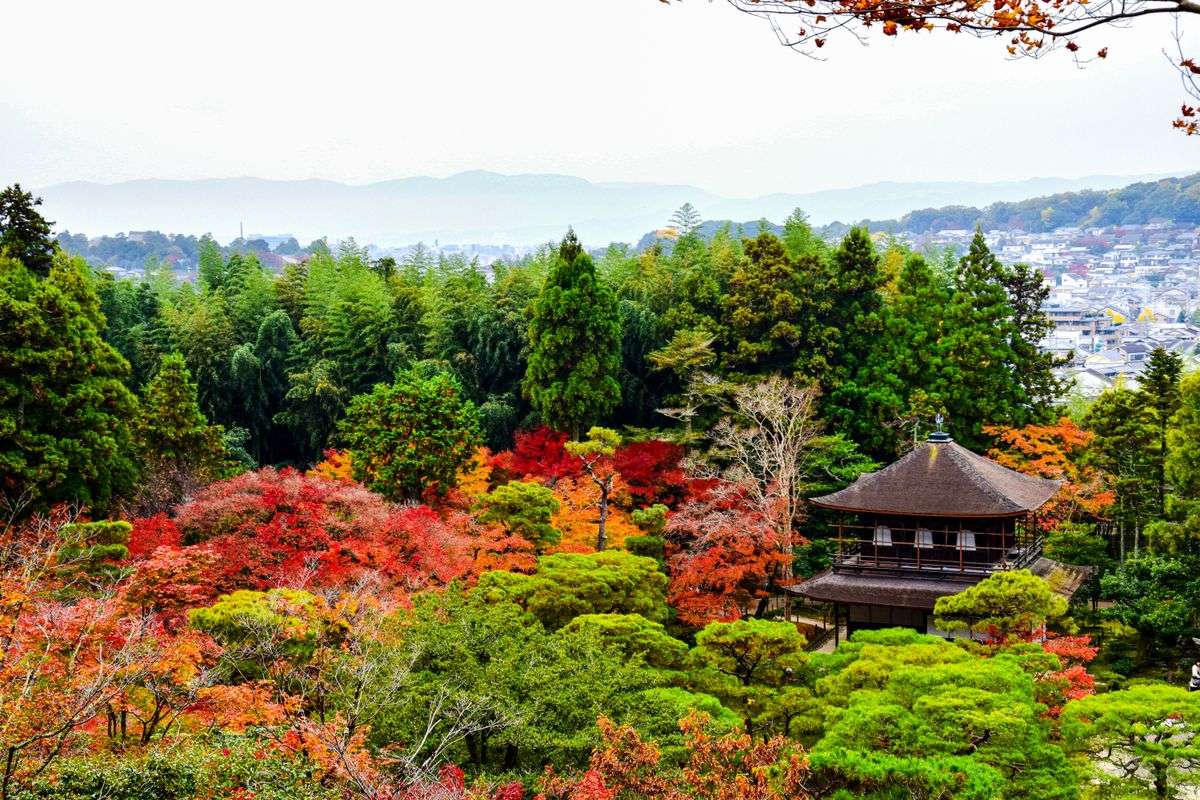
Another excellent area is Nanzen-ji, with spacious grounds and a striking brick aqueduct. It pairs beautifully with a walk along the Philosopher’s Path, especially in spring and autumn.
| Place | Why visit | Best for |
|---|---|---|
| Ryoan-ji | Famous Zen rock garden and calm atmosphere | Reflection, minimalist beauty |
| Nanzen-ji | Temple complex with aqueduct and gardens | Walking, architecture, quieter exploration |
| Kodai-ji | Elegant grounds and refined Kyoto mood | Gardens, peaceful breaks |
| Kinkaku-ji | Gold-covered pavilion reflected in a pond | Iconic photos, first-time visits |
The Philosopher’s Path and scenic walks
The Philosopher’s Path is one of the best walks in Kyoto. This canal-side route links temple areas in the eastern part of the city and offers a slower, more local pace. It is especially beautiful during cherry blossom season, but it remains enjoyable for much of the year.
What makes this walk memorable is not just the path itself, but everything around it: side temples, old houses, quiet corners and the sense that Kyoto rewards anyone willing to wander without rushing. It is ideal for half a day, especially if paired with Nanzen-ji or Ginkaku-ji.
There are few travel joys greater than finding a tiny café after a scenic walk and pretending that was your plan all along.
Arashiyama beyond the bamboo grove
Arashiyama is one of Kyoto’s most visited districts, known for the bamboo grove, river scenery and temple gardens. The area is worth visiting, but the smartest approach is to think beyond the famous bamboo path. Arriving early helps, and adding nearby sights makes the journey much more rewarding.
The bamboo grove is visually striking, but it is relatively short. To build a fuller experience, combine it with Tenryu-ji, the riverside and Togetsukyo Bridge. If time allows, explore quieter temples in the area rather than spending all your energy on one crowded photo stop.
Arashiyama works best when treated like a neighborhood, not just a background for your phone wallpaper.
What to do in Arashiyama
- Walk through the bamboo grove early in the morning
- Visit Tenryu-ji and its gardens
- Cross Togetsukyo Bridge for river views
- Allow time for side streets, snacks and slower wandering
Nishiki Market and everyday Kyoto flavor
Nishiki Market offers a more everyday, sensory side of Kyoto. This covered market street is packed with local specialties, tea products, sweets, cookware and souvenirs. It is not a substitute for the city’s historic districts, but it adds an important layer to the experience.
Come here to browse matcha, ceramics, pickles, sweets and kitchen tools. It is lively, central and easy to fit into an afternoon. If temples are Kyoto’s soul, Nishiki Market is at least part of its appetite.
Try a few things, but pace yourself. Buying five snacks in ten minutes feels exciting until you realize lunch has become a competitive sport.
Is two or three days enough for Kyoto?
Two days are enough to see Kyoto’s main landmarks, while three days allow a more balanced experience with time for gardens, walks and a slower pace. A week gives you room for neighborhoods, day trips and quieter temples, but even a short stay can be rewarding if you plan by area rather than zigzagging across the city.
Here is a practical way to divide your time:
- Day 1: Fushimi Inari, Kiyomizu-dera, Higashiyama and Gion
- Day 2: Arashiyama or Kinkaku-ji with Ryoan-ji, then central Kyoto or Nishiki Market
- Day 3: Philosopher’s Path, Nanzen-ji, Ginkaku-ji and a slow evening walk
Three days are certainly not too much. If anything, Kyoto is one of those places where extra time makes the whole city feel less crowded, less rushed and much more personal.
How much budget do you need?
For most travelers, a budget of $5000 for a week in Japan is generally enough, and often more than enough, depending on your travel style. In Kyoto, costs vary based on accommodation, transport and dining choices, but the city can work well for both mid-range and higher budgets.
Many of Kyoto’s most rewarding experiences are surprisingly affordable:
- Several shrines are free to enter
- Many temple tickets are relatively low cost
- Walking between districts can reduce transport spending
- Markets and casual restaurants make food costs flexible
The biggest luxury in Kyoto is often not the price tag, but the time to enjoy it properly.
The WeRoad tip
Start early, dress the part and let yourself be surprised
One of the smartest ways to enjoy Kyoto is to build a day that moves from iconic to intimate. Start at Fushimi Inari right after sunrise, when the red torii gates feel less like a crowded landmark and more like a corridor into another world.
Then shift to Kiyomizu-dera, where the wooden stage and valley views give you that classic Kyoto moment without the full mid-morning chaos. If you want to lean into the atmosphere, renting a traditional kimono for the day can make temple-hopping feel even more immersive, especially through the old streets of Higashiyama.
Later, slow the pace. Browse Nishiki Market for quality matcha, ceramics or incense, then save Gion for the evening, when the lanterns come on and the district feels at its most elegant. This kind of route works because it follows Kyoto’s natural rhythm: sacred and quiet in the morning, lively and textured in the afternoon, cinematic by night.
Kyoto is best enjoyed slowly
Kyoto leaves the strongest impression when you give it space. A shrine at sunrise, a garden in the afternoon, a quiet lane after dinner: these are the moments that stay with you. The city is famous for big sights, but its real charm often hides in the transitions between them.
Plan well, start early for the most popular landmarks, and leave room for detours. That is usually when Kyoto does its best work. And if you want to experience Japan with a fun group and zero stress over logistics, take a look at the WeRoad group trips to Japan and let Kyoto work its quiet magic on you too.
FAQ
- How many days should I spend in Kyoto?
-
Ideally, spend at least three days in Kyoto. Two days cover the main sights, but three days let you explore at a better pace and include scenic walks, gardens and traditional districts.
- What is the best area to stay in Kyoto for first-time visitors?
-
Areas around Gion, Higashiyama or central Kyoto are great for first-time visitors. They offer good access to major attractions, dining options and plenty of atmosphere.
- Is Kyoto walkable?
-
Some parts are very walkable, especially Higashiyama, Gion and central districts. However, Kyoto is spread out overall, so you will likely combine walking with trains, subway or buses.
- Is Arashiyama worth visiting?
-
Yes, especially if you explore more than the bamboo grove. The area offers temple gardens, river views and a more complete experience when you allow enough time for the neighborhood.
- When is the best time to visit Kyoto?
-
Spring and autumn are the most popular seasons thanks to cherry blossoms and fall foliage. Late spring and early autumn can also be excellent if you want pleasant weather with slightly fewer crowds.