In a nutshell
- Norway works best when divided into regions: western areas are ideal for fjords and scenic drives, while the north is better for Arctic experiences, aurora trips, and island landscapes such as Lofoten and Tromsø.
- The most memorable natural highlights include Geirangerfjord, Nærøyfjord, and Hardangerfjord, each offering a different experience through cruises, viewpoints, waterfalls, and road trips, with major stops like Vøringsfossen adding extra impact.
- Cities add real value to a Norway itinerary: Oslo offers museums, modern architecture, and fjord-based activities, while Bergen stands out for Bryggen, mountain views, and its role as a perfect base for exploring the west coast.
- Road trips and outdoor activities are central to the experience, from scenic drives like Trollstigen and the Atlantic Road to hikes such as Preikestolen, Trolltunga, and easier panoramic walks in Bergen or Lofoten.
- A 7-day trip can be enough if planned well, especially when focused on one or two areas; practical success depends on booking early, packing for changing weather, and accepting that Norway is less about rushing and more about enjoying the journey itself.
Norway is one of those places that seems designed by an overachieving art director: deep fjords, sharp mountains, colorful waterfronts, and Arctic skies that occasionally decide to put on a neon show. It’s a destination that works for hikers, road trippers, city lovers, and anyone who enjoys staring into the distance dramatically.
The beauty of traveling through Norway is that the experience changes fast. One day you’re wandering a stylish capital, the next you’re cruising below waterfalls in a fjord, and a few hours later you’re wondering whether you packed enough layers for the north. Spoiler: probably not. Still, it’s worth every chilly minute.
If you’re planning a trip and want a clear idea of what to include, here’s a practical guide to the best experiences across the country, from iconic landscapes to cities that deserve more than a quick stop.
What to prioritize on a first trip to Norway
On a first visit, focus on a balanced mix of fjords, cities, and at least one iconic natural experience in the north or west. This gives you a broader view of the country and helps you avoid trying to squeeze all of Norway into one rushed itinerary.
Norway looks manageable on a map until you remember that mountains, ferries, weather, and scenic detours all have their own opinions. Instead of trying to “do it all,” choose a few strong regions and travel well.
- Western Norway for fjords, waterfalls, scenic railways, and dramatic roads
- Oslo and Bergen for culture, architecture, and easy urban exploring
- Northern Norway for the aurora, Arctic landscapes, and island road trips
- Lofoten or Tromsø if you want a strong nature-first experience
The fjords you really should not miss
The fjord region is the heart of Norway’s natural appeal. If you want the classic postcard version of the country, head west and explore a few major fjords by boat, car, or on foot from panoramic viewpoints.
Geirangerfjord is the big star, and yes, it earns the applause. Steep cliffs rise directly from the water, while waterfalls like the Seven Sisters and the Bridal Veil add the kind of drama normally reserved for fantasy films and shampoo commercials.
Nærøyfjord is narrower and quieter, with a more intimate feel. It’s often visited together with Aurlandsfjord and fits perfectly into scenic cruise or train-based itineraries around Flåm.
Hardangerfjord is another excellent option, especially if you love waterfalls, orchards, and road-trip scenery. The nearby Vøringsfossen, dropping 182 meters, is one of Norway’s most famous waterfalls and absolutely worth the detour.
| Fjord | Best for | Why go |
|---|---|---|
| Geirangerfjord | Classic scenery | UNESCO views, iconic waterfalls, spectacular viewpoints |
| Nærøyfjord | Boat trips and rail combos | Narrow dramatic landscapes and easy pairing with Flåm |
| Hardangerfjord | Road trips | Waterfalls, orchards, and access to scenic hikes |
Best cities to include in your itinerary
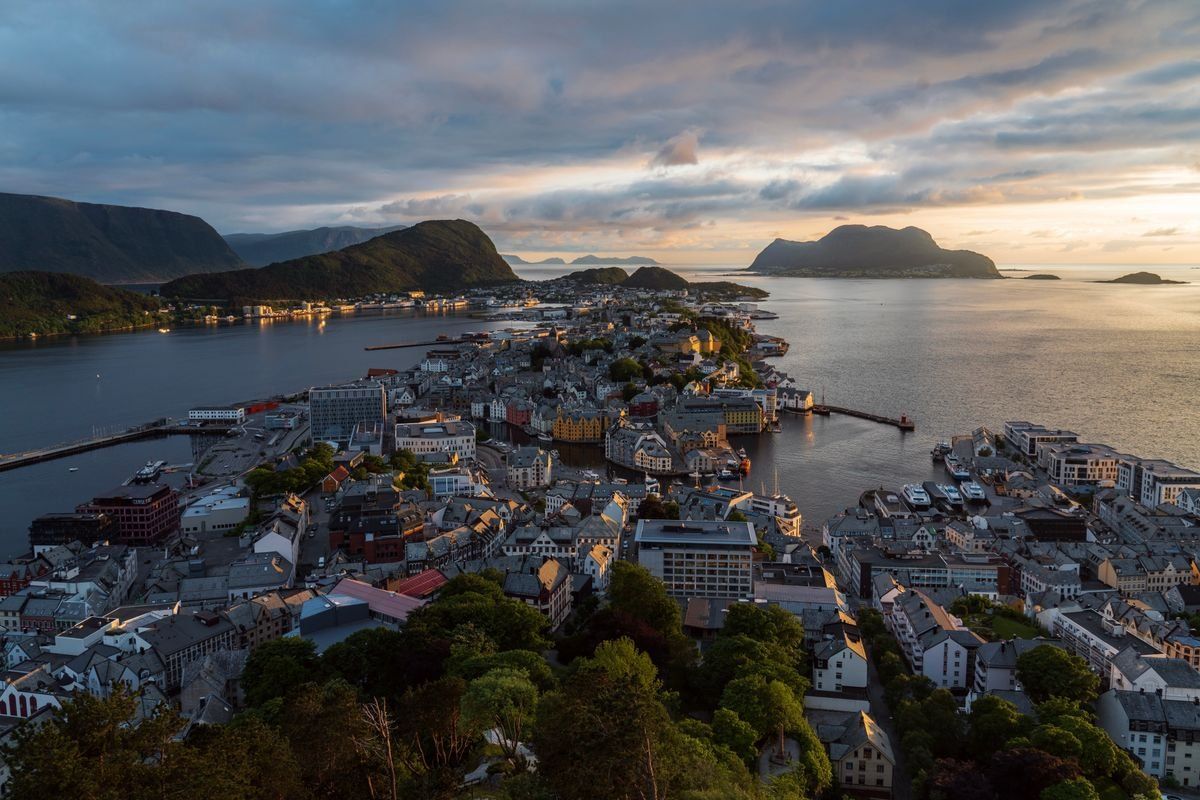
Norway’s cities are smaller than many travelers expect, but that is part of their charm. They are easy to explore, visually striking, and often sit right beside water, mountains, or both, which feels mildly unfair to cities elsewhere.
Oslo
Oslo is the best starting point for many trips, especially if you want museums, contemporary architecture, and waterfront neighborhoods. It is not just a transit city; it deserves at least two days to be enjoyed properly.
Walk on the roof of the Oslo Opera House, explore the MUNCH museum, and spend time around Aker Brygge. If the weather behaves, the Oslo Fjord adds another layer to the city, with island hops, cruises, and scenic waterfront saunas. Very Norwegian, very photogenic, very good for pretending you have your life together.
Bergen
Bergen is the gateway to the fjords and one of the most atmospheric places in the country. It combines maritime history, colorful architecture, and easy access to nature in a compact, walkable setting.
Don’t miss Bryggen, the old Hanseatic wharf with its iconic wooden houses, and take the Fløyen funicular for views over the city and surrounding hills. Sunset up there is particularly good, in the kind of way that makes you forgive the occasional rain shower. Briefly.
Ålesund
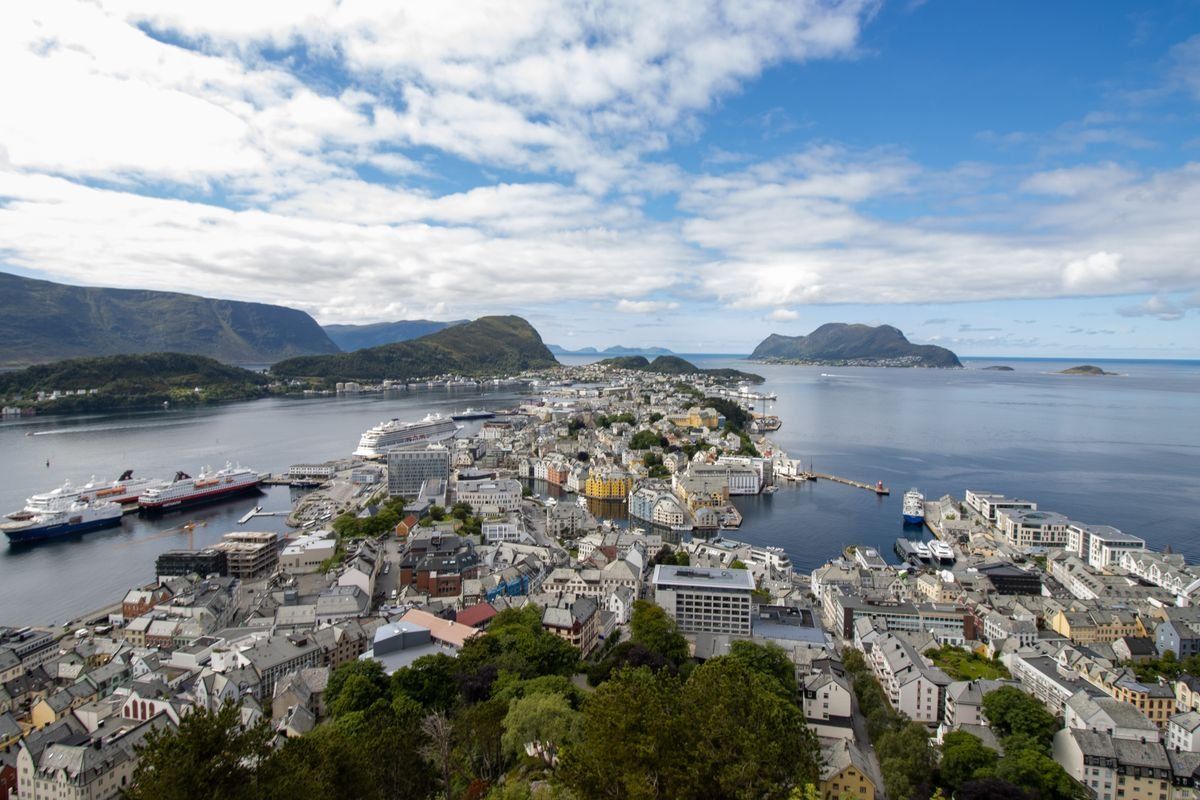
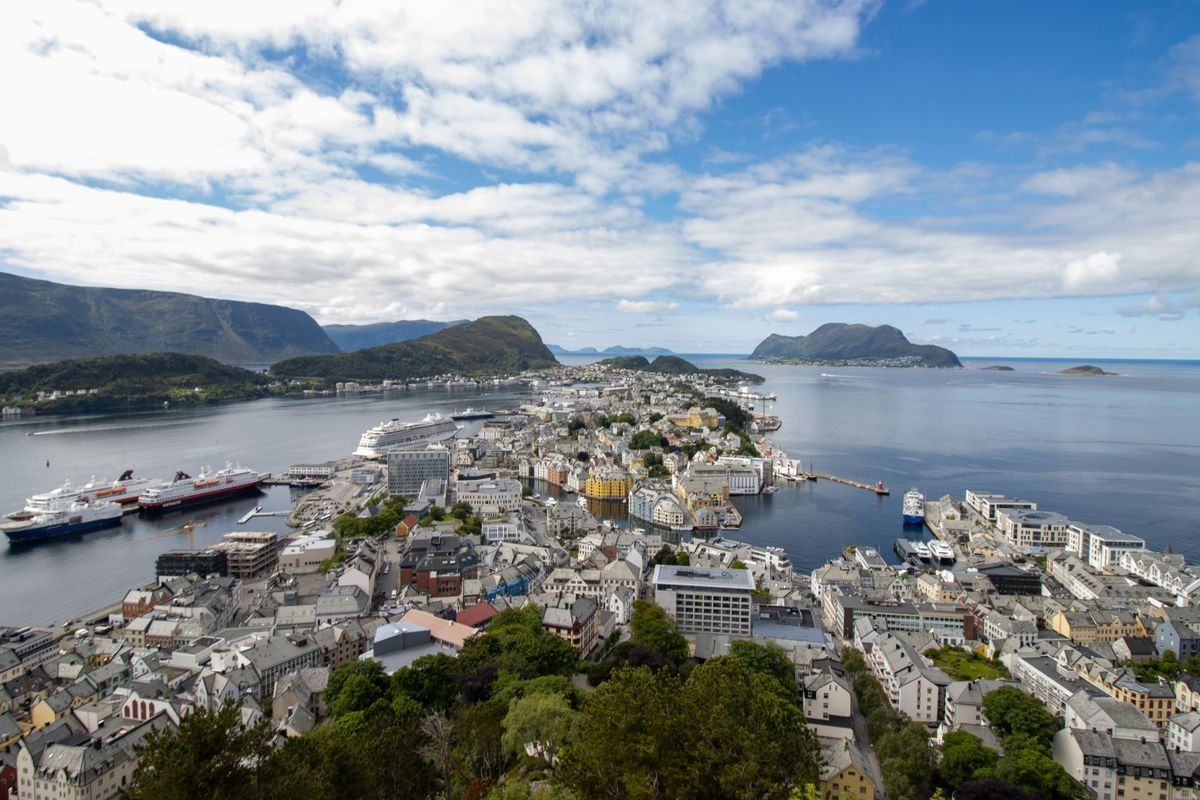
Ålesund is ideal if you love architecture and coastal views. Rebuilt in Art Nouveau style after a fire in 1904, it has one of the most distinctive urban profiles in Norway.
Climb to the viewpoint above town, enjoy the island setting, and use the city as a base for nearby natural highlights. It works especially well combined with Geirangerfjord and the mountain routes around Åndalsnes.
Epic road trips and scenic routes
Driving in Norway is often the best way to experience the landscape. Distances can be long, but the routes themselves are part of the attraction, with ferries, mountain roads, and viewpoints turning every transfer into a proper travel day.
One of the most famous drives is Trollstigen, the winding mountain road near Åndalsnes. With its steep hairpin bends and dramatic setting, it is one of those roads that makes passengers say “wow” and drivers say something less printable.
Other scenic highlights include:
- Atlantic Road for sea views and bridge-hopping drama
- Hardangervidda for open mountain plateau landscapes
- Lofoten roads for fishing villages, beaches, and jagged peaks
- Routes around Geiranger for classic fjord viewpoints
Hikes and outdoor experiences worth the effort
Norway is ideal for travelers who want active experiences. You do not need to be an elite hiker, but some of the country’s most famous viewpoints require solid planning, suitable gear, and a healthy respect for weather conditions.
The best-known hikes include Preikestolen, Trolltunga, and Kjeragbolten. These are spectacular, but they vary in difficulty and should be chosen carefully based on fitness, season, and time available.
- Preikestolen – the most accessible of the big-name hikes, with stunning fjord views
- Trolltunga – long and demanding, but unforgettable for experienced hikers
- Kjeragbolten – dramatic and thrilling, especially for those who enjoy exposure
- Fløyen trails in Bergen – easier and ideal for a half-day outing
- Lofoten coastal hikes – short to moderate routes with huge visual payoff
If you prefer softer adventure, choose fjord cruises, kayaking, scenic trains, or short summit walks. Norway does not force you to suffer for beauty, though it does occasionally flirt with the idea.
Northern Norway and the aurora experience
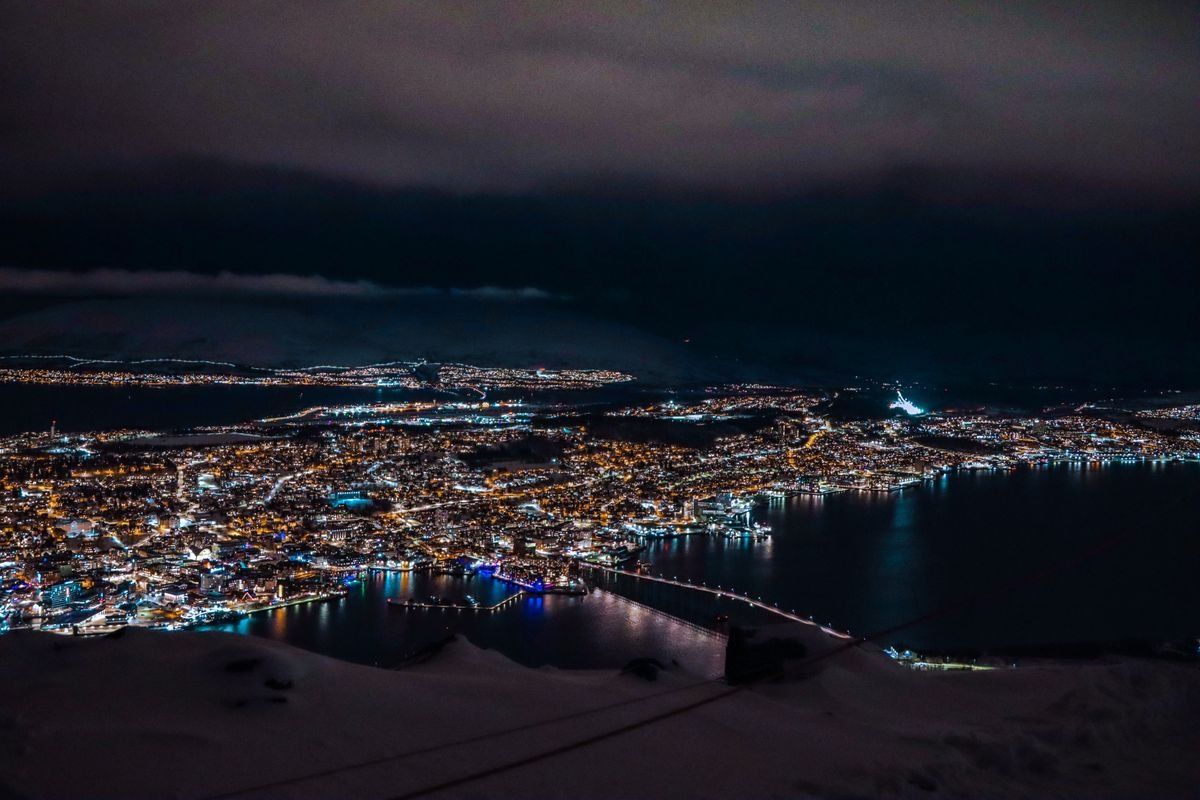
Northern Norway is the place to go for Arctic landscapes, winter adventures, and the best chance to see the Northern Lights. It is a very different side of the country, with islands, snow, Sami culture, and long dark nights in winter.
Tromsø is the most practical base for aurora trips. It has good flight connections, guided excursions, and enough restaurants and museums to keep your trip balanced if the sky decides to be stubborn. The Arctic Cathedral, with its striking design and stained-glass window, is one of the city’s best-known landmarks.
Lofoten offers a wilder setting, especially if you want fishing villages, red cabins, beaches, and mountains rising straight from the sea. Visit places like Å, the famous village with the delightfully short name, and Svolvær, a lively base for excursions and outdoor activities.
If you travel in summer, swap aurora chasing for the midnight sun. It is equally surreal, just with less standing around in thermal underwear checking cloud forecasts every twelve minutes.
Is 7 days enough for Norway?
Yes, one week is enough for a rewarding trip, provided you focus on one or two regions rather than crossing the whole country. A well-planned 7-day route can include cities, fjords, and nature without feeling rushed.
A few good one-week combinations are:
- Oslo + Bergen + fjords for a classic first-timer route
- Bergen + Flåm + Geiranger for a west-focused scenic journey
- Tromsø + Lofoten for Arctic landscapes and Northern Lights potential
- Oslo + Ålesund + Geiranger for cities and western scenery
If you have more than 7 days, excellent. Norway rewards slow travel. Ferries run on their own rhythm, viewpoints appear when you least expect them, and half the joy is in the pauses between one major stop and the next.
The WeRoad tip
Mix cities and landscapes for a more complete Norway trip
One of the smartest ways to enjoy Norway is not choosing between city life and wild scenery, but combining both in the same itinerary. Start with Oslo, where a sailing cruise through the narrow inlets of the Oslo Fjord shows a softer, quieter side of the capital. Later, a Norwegian sauna session with fjord views adds the kind of local touch that feels equal parts wellness ritual and bravery test. Then head west to Bergen, wander through Bryggen and take the Fløyen funicular at sunset for one of the most rewarding urban panoramas in the country.
From there, lean fully into Norway’s cinematic side: drive through Trollstigen near Åndalsnes, stop in Hardanger to admire Vøringsfossen, and continue toward Geirangerfjord for a cruise past the Seven Sisters and Bridal Veil waterfalls. If you make it north, add Tromsø and the Arctic Cathedral, then finish in Lofoten with the fishing village of Å or a look up at Svolværgeita. It’s the kind of route that makes you feel extremely efficient and slightly emotionally compromised by all the beauty.
Practical travel tips before you go
Norway is easy to navigate, widely English-friendly, and extremely well organized. The main challenges are cost, distances, and weather, all of which become much easier to manage with a bit of planning.
- English is widely spoken, so communication is rarely a problem
- Book transport and accommodation early, especially in summer
- Rent a car if you want flexibility in fjord and island regions
- Pack layers in every season, because sunshine can be followed by wind and rain very quickly
- Budget carefully, as food, alcohol, and activities can be expensive
For many travelers, the main attraction is not a single monument but the combination of landscapes and movement: the road, the water, the villages, the trail, the sky. Norway is less about ticking boxes and more about collecting jaw-dropping moments one after another.
If you want to experience all this without planning every ferry, route, and weather backup on your own, have a look at the WeRoad group trips to Norway and find the itinerary that fits your travel style.
FAQ
- What should I not miss in Norway?
-
You should not miss at least one fjord experience, a stop in Bergen or Oslo, and a scenic natural area such as Lofoten, Tromsø, or the mountain regions around Geiranger and Hardanger. The best trips combine nature and a couple of well-chosen cities.
- Can I visit Norway in just 7 days?
-
Yes, seven days can be enough if you stay focused. A one-week itinerary works well for routes like Oslo and Bergen with fjords or Tromsø and Lofoten. Trying to cover the entire country in a week is usually too much.
- Can I go to Norway if I only speak English?
-
Yes. English is widely spoken across Norway, especially in cities, tourist areas, hotels, restaurants, and transport hubs. Traveling independently is usually very straightforward even if you do not speak Norwegian.
- What is the main attraction in Norway?
-
The main attraction is generally considered to be the country’s fjord landscape, especially in western Norway. That said, many travelers also choose Norway for the Northern Lights, iconic hikes, and dramatic island scenery in the Arctic north.
- When is the best time to see the Northern Lights in Norway?
-
The best period is usually from late September to March, when nights are dark enough in northern areas like Tromsø and Lofoten. Weather conditions still matter, so staying a few nights improves your chances.
- Do I need a car to enjoy Norway?
-
Not always, but a car gives you much more flexibility in fjord regions, mountain areas, and island routes. If you prefer not to drive, trains, ferries, and organized excursions can still cover many highlights, especially between Oslo, Bergen, and Flåm.