In a nutshell
- Stanley Park is the city’s must-see landmark, with the scenic 10 km seawall, iconic viewpoints, totem poles, and quieter forest trails that reveal Vancouver’s strong connection to nature.
- Granville Island is ideal for a slower half day focused on the public market, waterfront atmosphere, local food, artisan shops, and easy ferry connections across False Creek.
- Gastown and the downtown waterfront combine historic charm, the famous steam clock, independent stores, restaurants, and harbor views near Canada Place, making them perfect for an afternoon and evening out.
- For a nature-focused extension, choose between Capilano Suspension Bridge Park for a half-day forest experience or the Sea to Sky Highway for a full-day adventure toward Whistler with waterfalls, hikes, and mountain scenery.
- Three days in Vancouver can be enough for a first visit if you combine urban highlights, outdoor experiences, and one scenic escape, while the city also works very well for adults, couples, and families with teenagers.
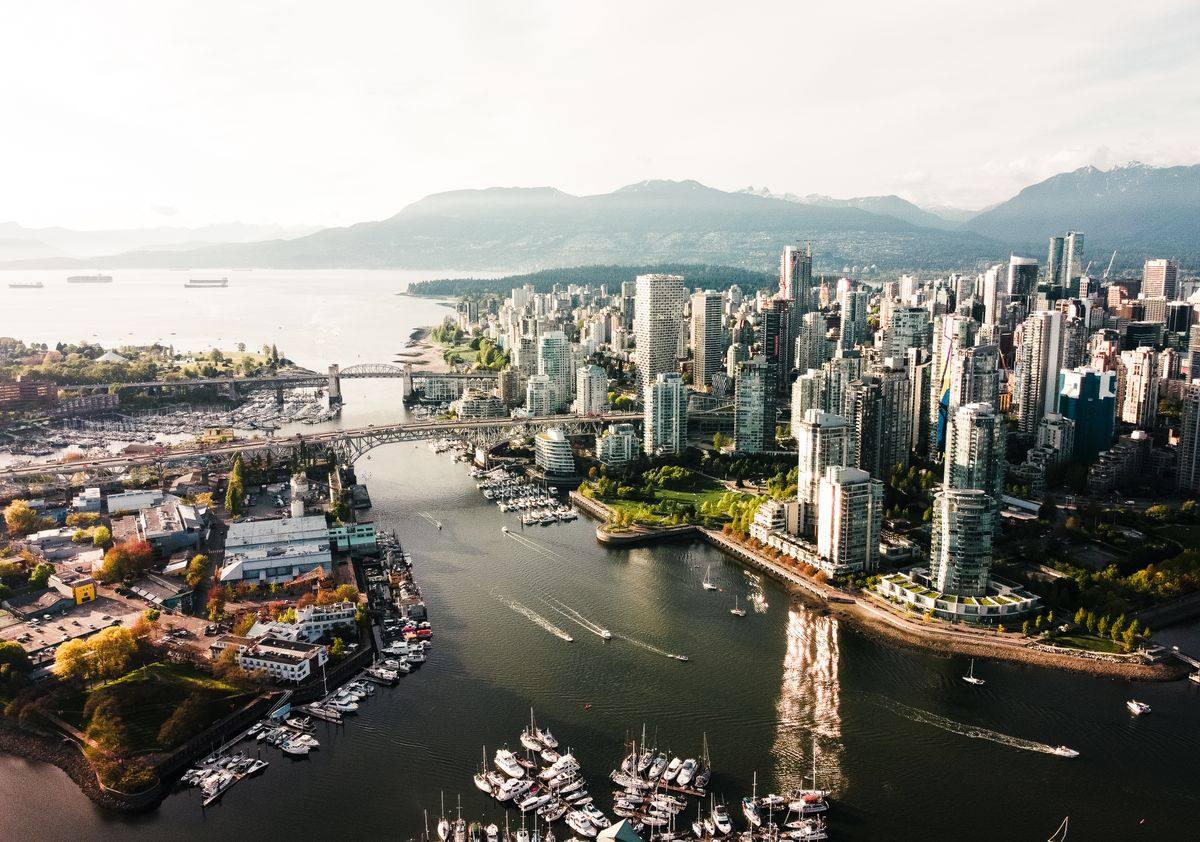
Vancouver is one of those cities that makes you feel smug just by walking around it. In one day, you can cycle by the ocean, snack your way through a market, and end up staring at mountain peaks like you’ve accidentally wandered into a postcard. It’s lively but laid-back, urban but gloriously outdoorsy, and very good at making visitors say, “I could live here,” after roughly 17 minutes.
To make the most of your time, focus on the experiences that show off the city’s personality: green spaces, waterfront walks, creative neighborhoods, and easy escapes into nature. Here’s how to build a Vancouver trip that feels full without turning into an Olympic event.
Start with Stanley Park, Vancouver’s great urban icon
Stanley Park is the city’s essential first stop because it combines nature, history, and skyline views in one place. It sits just next to downtown, yet feels worlds away thanks to its massive trees, waterfront paths, and quieter forest sections. Even a short visit gives you a strong sense of Vancouver’s outdoor spirit.
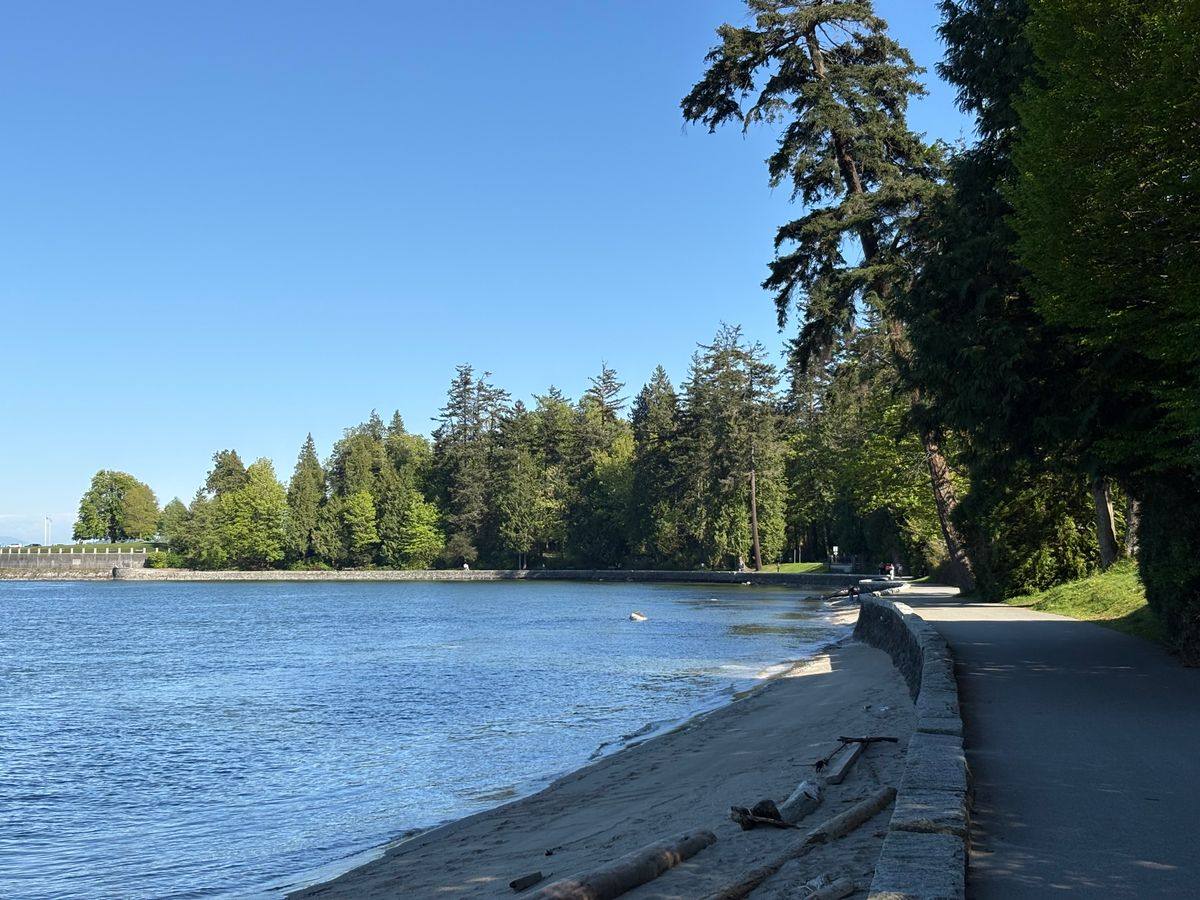
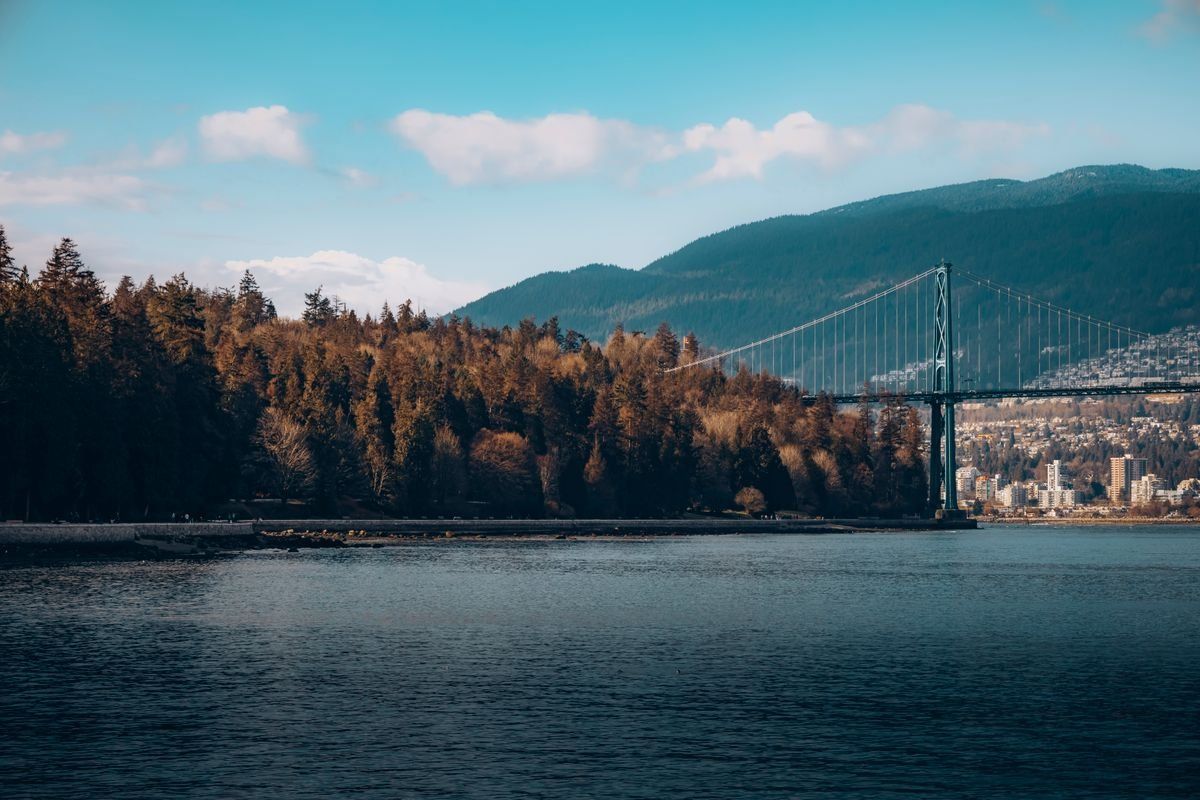
The classic way to explore is along the Stanley Park Seawall, a scenic route wrapping around the edge of the park with views over English Bay, the harbor, and the Lions Gate Bridge. If you like a slower pace, walk a section and stop often. If you want to cover more ground, rent a bike and enjoy the full loop.
Then do what many visitors don’t expect: leave the waterfront for the interior trails. The forested heart of the park is cooler, quieter, and wonderfully atmospheric. One minute you’re near joggers and cyclists, the next you’re under towering trees wondering whether your phone should be on airplane mode out of respect.
- Best for: first-time visitors, couples, solo travelers, active families
- How long to stay: 2 to 4 hours
- Don’t miss: the seawall, totem poles, Prospect Point, forest trails
Walking or biking around the seawall
The seawall is the easiest way to experience Stanley Park because it’s flat, well-marked, and full of rewarding viewpoints. Walking suits travelers who want photos and frequent pauses, while biking works well if you want to combine the park with other stops on the same day.
A full loop is about 10 km, and it’s one of the most memorable urban rides in North America. Expect ocean air, mountains in the distance, and a suspicious number of moments where you’ll pretend you’re in a travel ad. Fair warning: in high season, you won’t be the only one with this brilliant idea.
Granville Island for food, views, and creative energy
Granville Island offers a different side of Vancouver, one centered on food, local makers, and waterfront atmosphere. It is compact, easy to explore, and ideal for a relaxed half day. The market is the main draw, but the area’s small galleries, breweries, and docks add plenty of character.
The heart of it all is the Granville Island Public Market, packed with colorful produce, baked goods, seafood, and ready-to-eat snacks. It’s the kind of place where you arrive thinking “just a quick look” and leave carrying three things you didn’t plan to buy and one pastry you absolutely did deserve.
Getting there is part of the fun. If possible, take a small ferry across False Creek for skyline views and a more memorable arrival. Once on the island, wander beyond the market itself to find artisan studios, performance spaces, and quieter corners by the water.
What to do once you arrive
The best approach on Granville Island is to combine grazing, strolling, and lingering by the waterfront. You do not need a strict plan here. The area works best when you leave some room for spontaneous stops and second snacks, which are frankly just good decision-making.
- Browse the market stalls for local food and seasonal produce
- Stop for coffee or a casual lunch by the water
- Visit small artisan shops and galleries
- Enjoy a brewery stop if you want something more social in the afternoon
Gastown and downtown highlights
Gastown is one of Vancouver’s oldest neighborhoods and a worthwhile stop for architecture, independent shops, and a more historic atmosphere. It is compact, central, and easy to pair with the waterfront near Canada Place. Even a short walk here adds variety to a trip focused on parks and nature.
The famous steam clock is the best-known landmark, and yes, it is touristy. But it’s also fun, photogenic, and part of the area’s charm. More importantly, Gastown is a good place to browse design stores, stop for a cocktail, or settle into a restaurant when your legs begin filing formal complaints.
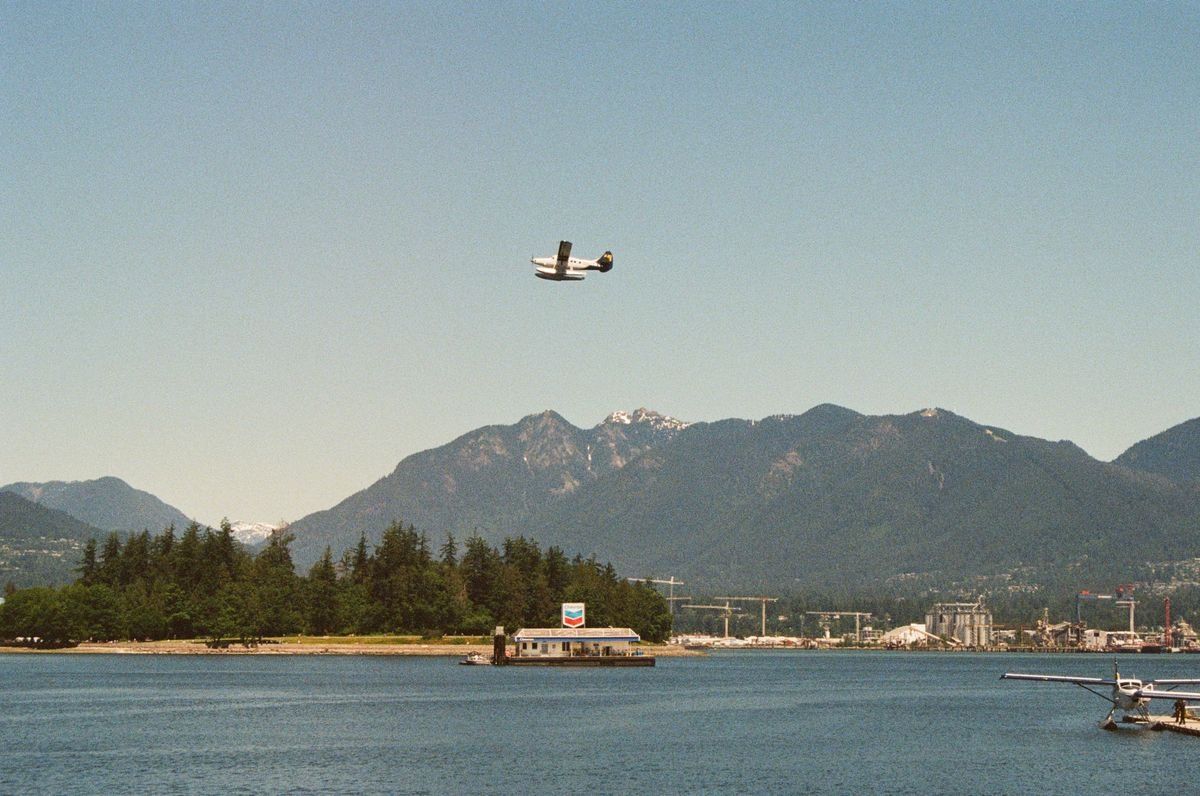
From here, continue toward Canada Place and the harborfront. The waterfront promenade offers mountain views, seaplanes, and a broader perspective on the city’s skyline. It’s especially pleasant in the late afternoon, when the light makes everything look expensive and cinematic.
Fun evening options for adults
Downtown Vancouver works well for a night out because it has enough variety to suit different moods. You can keep it low-key with drinks and live music or go for a busier evening with bars and restaurants spread across several central neighborhoods.
Good options include:
- Craft cocktails or wine bars in Gastown
- Live music venues downtown
- Casual dinner and drinks near Yaletown
- Sunset walk at English Bay before heading out
Mountain escapes from the city
One of Vancouver’s biggest advantages is how quickly you can reach the mountains. Within a short trip from downtown, you can swap city streets for suspension bridges, forest canopies, and panoramic viewpoints. These outings bring balance to a city break and are especially rewarding if you have at least three days.
The most popular mountain-style excursion is Capilano Suspension Bridge Park. The main bridge stretches high above the river canyon, and the treetop walkways add a more immersive forest experience. It is polished, easy to access, and memorable, especially for first-time visitors.
If you want a bigger day out, head north on the Sea to Sky Highway. The route toward Whistler is one of British Columbia’s classic drives, with ocean views on one side and mountains rising on the other. It’s the kind of road that makes passengers go quiet for once, which is saying a lot.
Capilano or a scenic road trip?
The choice depends on your schedule and travel style. Capilano is better for travelers who want a half-day nature experience without too much planning. The Sea to Sky route is ideal if you want a full day with changing scenery and more outdoor options.
| Experience | Best for | Time needed | Highlights |
|---|---|---|---|
| Capilano Suspension Bridge Park | Short nature escape | Half day | Bridge, treetop walkways, forest setting |
| Sea to Sky Highway | Scenic full-day trip | Full day | Ocean-and-mountain drive, Whistler, waterfalls, hikes |
Is three days enough to enjoy Vancouver?
Three days are enough to experience Vancouver well if you keep your itinerary focused. You can cover the city’s essential neighborhoods, spend proper time outdoors, and still fit in one mountain or scenic day trip. It will not feel exhaustive, but it can feel satisfyingly complete.
A simple structure works best:
- Day 1: Stanley Park, English Bay, downtown waterfront
- Day 2: Granville Island, Gastown, evening out downtown
- Day 3: Capilano or a Sea to Sky day trip toward Whistler
If you have more time, add beaches, museums, or North Vancouver. But for a first visit, this three-day rhythm shows why the city is so appealing: it blends culture, food, and fresh air without making you choose just one.
What to do in Vancouver with teenagers
Vancouver is a strong destination for families with teenagers because it mixes outdoor activities with urban stops that do not feel childish. The city is easy to navigate, visually impressive, and full of experiences that keep different attention spans engaged.
Good choices include biking in Stanley Park, taking the little ferries to Granville Island, browsing food stalls, and walking across the bridge at Capilano. If they still have energy afterward, congratulations: you may be traveling with actual superheroes.
- Bike the seawall instead of only walking
- Let them pick snacks at Granville Island Market
- Add Capilano for a more adventurous half day
- Choose a Sea to Sky stop like Brandywine Falls for an easy nature walk
The WeRoad tip
Turn Vancouver into a city-to-mountains day that keeps getting better
One of the smartest ways to enjoy Vancouver is to start with its postcard classic and then gradually raise the stakes. Rent bikes in the morning and ride the Stanley Park seawall, but don’t stop at the waterfront loop: duck into the forest trails too, where the city noise drops away and the whole place feels unexpectedly wild. After that, head to Granville Island Market for an easy lunch among colorful stalls loaded with local food, then swing by Gastown to catch the steam clock and the neighborhood’s historic mood before the day shifts gears.
If you’ve got the time, make the afternoon bigger. Capilano Suspension Bridge Park gives you a dramatic forest fix with treetop walkways high above the ground, while the Sea to Sky Highway is the move if you want a proper road-trip feeling toward Whistler. There, stronger hikers can aim for Joffre Lakes, while an easier stop like Brandywine Falls still delivers. Finish with a craft beer in the village or back in downtown Vancouver with drinks and live music. It’s a very efficient way to say, “Yes, I did city, nature and good nightlife in one trip,” without sounding unbearable about it.
When to visit and how to move around
The best months to visit are typically late spring through early fall, when days are longer and conditions are better for outdoor plans. Summer brings the best chance of clear weather, while shoulder seasons often mean fewer crowds. Rain is always a possibility, because Vancouver likes to keep everyone humble.
Public transport works well in the city, especially if you stay near downtown. For a Whistler or Sea to Sky outing, renting a car gives you more flexibility. Within central areas, walking is often the smartest choice, and ferries around False Creek make certain routes more fun than they have any right to be.
If Vancouver’s mix of ocean views, markets and mountain adventures is calling your name, take a look at WeRoad group trips and discover the destination with people who are just as ready to explore as you are.
FAQ
- What are some fun activities for adults in Vancouver?
-
Adults can enjoy bike rides in Stanley Park, food stops on Granville Island, cocktails in Gastown, live music downtown, and scenic day trips to Capilano or along the Sea to Sky Highway.
- Which city is better to visit, Vancouver or Toronto?
-
It depends on your travel style. Vancouver is better for travelers who want easy access to nature, waterfront scenery, and mountain day trips. Toronto is stronger for big-city energy, museums, and a wider urban cultural scene.
- Is 3 days enough for Vancouver?
-
Yes, three days are enough for a first trip. You can visit Stanley Park, Granville Island, Gastown, the downtown waterfront, and still include a half-day or full-day nature escape.
- What are some fun things to do in Vancouver, BC with teenagers?
-
Teenagers usually enjoy biking the seawall, riding the ferries around False Creek, sampling snacks at Granville Island Market, crossing the bridge at Capilano, and doing easy scenic walks on the way to Whistler.
- What is the best area to stay in Vancouver for sightseeing?
-
For a first visit, staying in or near downtown Vancouver is usually the most convenient. You’ll have easier access to Stanley Park, the waterfront, Gastown, and ferries to Granville Island.