In a nutshell
- Fall is one of the best seasons to visit Tuscany thanks to milder weather, harvest traditions, softer light and a more relaxed pace than summer, especially from late September to early November.
- Val d’Orcia, Chianti, Casentino, Siena and San Gimignano each offer a different experience, from iconic cypress-lined landscapes and wine estates to medieval streets and forest foliage.
- October is particularly recommended because it usually combines pleasant temperatures, colorful vineyards, food festivals and good conditions for road trips, walking and photography.
- Seasonal food is a major part of the experience, with Brunello and Chianti wines, fresh olive oil, porcini mushrooms, chestnuts, truffles and hearty Tuscan dishes defining the mood of the trip.
- Planning matters in Fall: renting a car, booking wineries ahead, packing layers and checking opening hours in smaller villages will make the journey smoother and more rewarding.
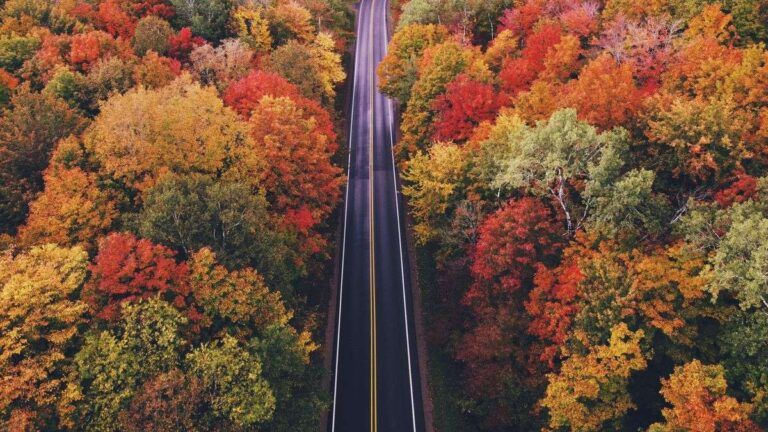
There’s a moment in the Tuscan countryside when the light turns honey-gold, the vineyards glow in rusty reds, and even a simple road lined with cypress trees looks like it hired a cinematographer. Fall is when the region slows down just enough to feel intimate, flavorful and wildly photogenic.
Traveling through Tuscany during Fall means balancing postcard-perfect landscapes with seasonal food, wine harvest traditions and villages that seem designed for unhurried wandering. It’s a season made for scenic drives, long lunches and the kind of views that make you say “just one more photo” at least 47 times.
Why visit Tuscany during Fall
Fall is one of the best times to explore Tuscany because the region combines mild weather, vivid countryside colors and harvest season experiences. Compared with summer, there are often fewer crowds, softer light and a more local rhythm, especially outside the biggest cities and most famous landmarks.
The season usually runs best from late September through early November, although each month has a slightly different personality. September still feels lively and warm, October is ideal for vineyard scenery and village strolls, and November brings a quieter, moodier atmosphere with truffles, olive oil and cozy meals.
The real magic is variety. You can sip wine in Chianti, wander Renaissance streets in Pienza, photograph the hills of Val d’Orcia, and finish the day in thermal waters while the air turns crisp. Not bad for a single day, right?
Best places for villages, vineyards and Fall colors
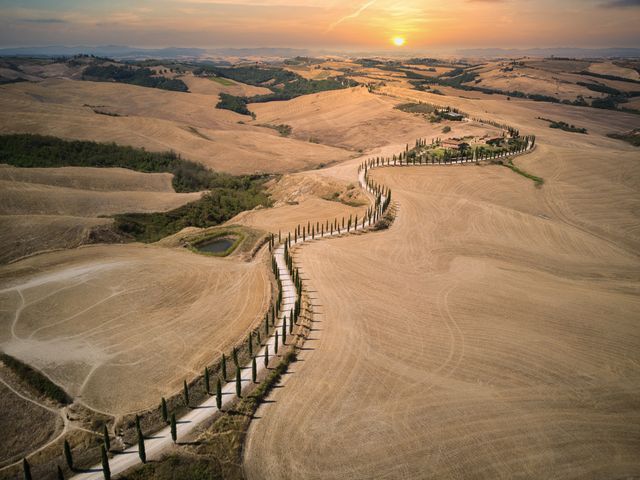
The most rewarding areas in Tuscany during Fall are those where landscape, food culture and historic towns meet. Southern Tuscany is particularly scenic, while Chianti offers classic vineyard views and central Tuscany mixes art cities with medieval villages and countryside roads.
Val d’Orcia for iconic Tuscan landscapes
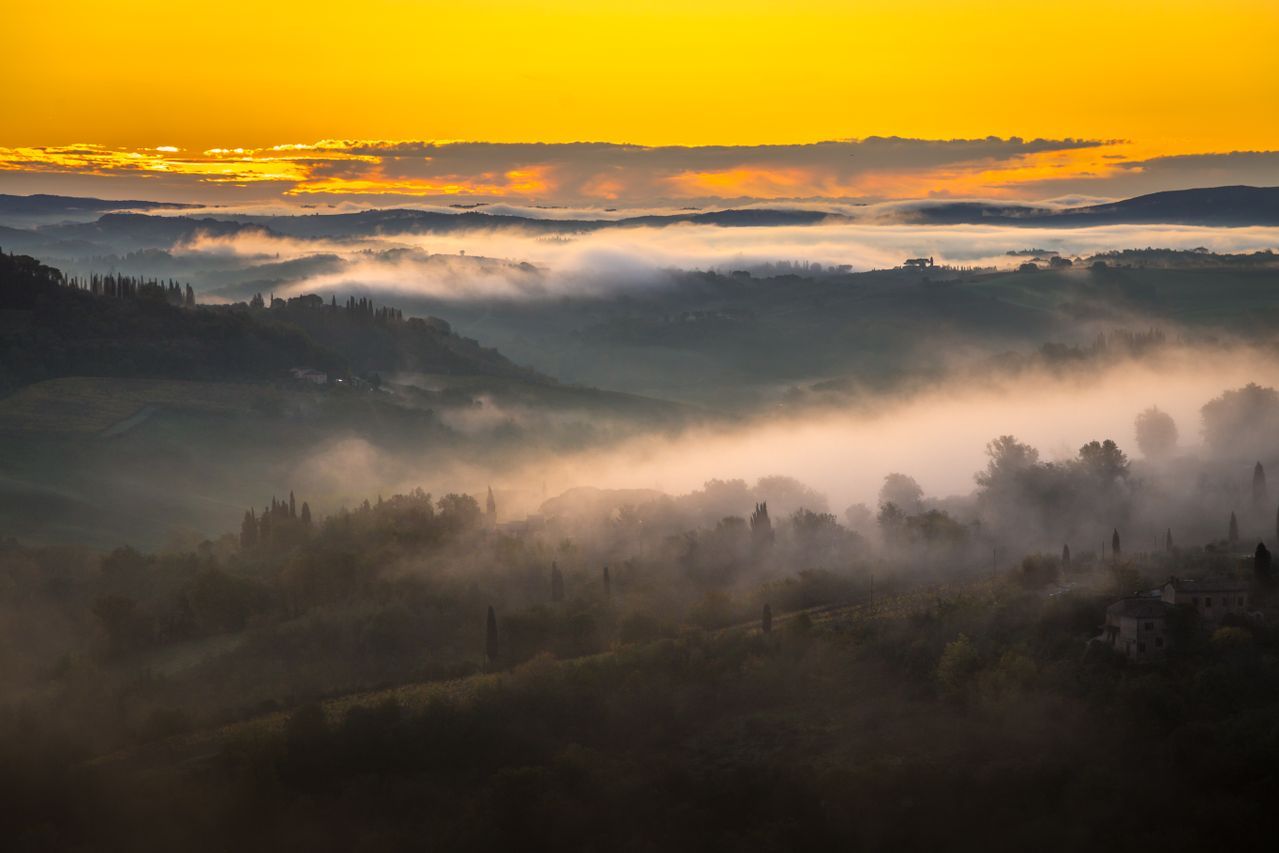
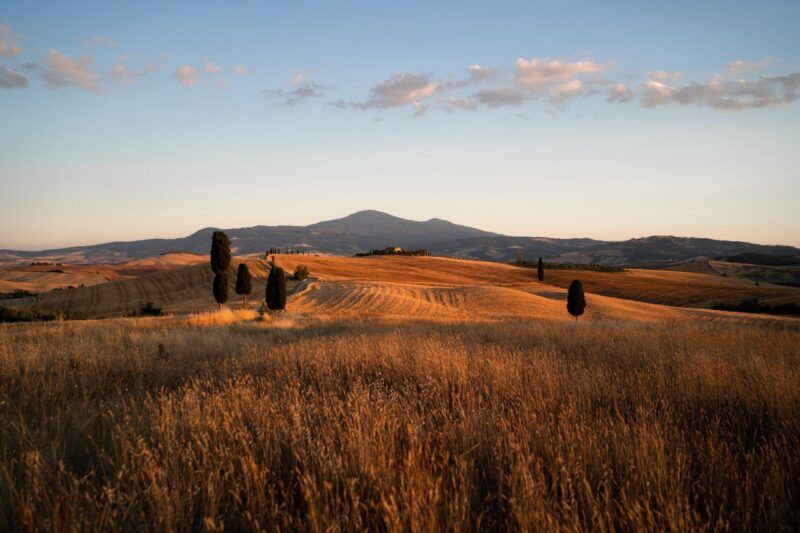
Val d’Orcia is the classic image many travelers imagine: rolling hills, cypress-lined roads, stone farmhouses and hill towns rising from the mist. In Fall, the palette shifts into ochre, bronze and soft green, creating some of the most recognizable views in Italy.
This UNESCO-listed area is ideal for slow travel. Base yourself near Pienza, San Quirico d’Orcia or Montalcino and spend your days driving short scenic routes, stopping for tastings and walking through quiet historic centers. Early mornings can be especially beautiful, with fog hanging low across the valleys and sunlight gradually revealing the hills like a theatrical reveal.
Highlights in the area include:
- Pienza for Renaissance charm and pecorino cheese
- Montalcino for Brunello wine and panoramic views
- Bagno Vignoni for thermal atmosphere and unusual historic character
- San Quirico d’Orcia for elegant streets and easy access to scenic roads
Chianti for vineyards and harvest season
Chianti is one of the best areas to experience vineyard life in Fall, when grape harvest season shapes the rhythm of the countryside. The hills are covered with vines, wineries are active, and village wine bars feel especially inviting as temperatures begin to cool.
Greve in Chianti, Radda in Chianti and Castellina in Chianti make excellent stops for a route focused on wine, local food and relaxed scenery. Some wineries remain open for tours and tastings during harvest, although smaller estates may have limited availability, so booking ahead is wise.
Expect winding roads, old stone hamlets and that very specific Tuscan habit of making lunch last longer than some relationships. Entirely fair, to be honest.
Casentino for the brightest foliage
If your main goal is seeing the most dramatic leaf color, Casentino deserves a place on your itinerary. This greener, forested part of Tuscany is known for its woodlands, hiking routes and stronger foliage displays in late October and early November.
The area around Casentino Forest National Park offers trails through beech and oak woods, historic hermitages and broad valley views. It feels different from the postcard vineyard landscapes of southern Tuscany, but that contrast is exactly what makes it special.
For travelers who want more nature and less road-tripping, this is a strong alternative. Bring proper shoes, a camera and a little flexibility for weather. Forests in Fall are gorgeous, but they do occasionally come with mud as an uninvited supporting actor.
Siena and San Gimignano for historic atmosphere
Siena and San Gimignano are excellent choices for travelers who want history, architecture and easy access to the countryside. In Fall, both towns are easier to enjoy than in peak summer, with cooler temperatures that make walking more pleasant.
Siena offers Gothic beauty, the unforgettable shape of Piazza del Campo and a compact center that rewards aimless exploring. San Gimignano, with its medieval towers, feels dramatic and cinematic, especially in softer seasonal light. Both work well as day trips or as part of a longer road itinerary.
| Area | Best for | Fall vibe |
|---|---|---|
| Val d’Orcia | Scenic drives, villages, photography | Golden hills, misty mornings, wine country |
| Chianti | Vineyards, wine tastings, harvest season | Busy cellars, colorful vines, food-focused |
| Casentino | Foliage, hiking, forests | Red and orange woods, cooler weather |
| Siena & San Gimignano | Historic towns, culture, day trips | Medieval atmosphere, fewer crowds |
Is October a good time to visit Tuscany?
October is often one of the most balanced months for a trip to Tuscany because it combines pleasant temperatures, vineyard color and seasonal food experiences. It is not crowd-free, but it usually feels more manageable than summer while still offering plenty of activity and open attractions.
It’s a particularly good month for:
- Road trips through Val d’Orcia and Chianti
- Wine tastings and harvest-related experiences
- Village hopping without intense summer heat
- Photography thanks to softer light and changing foliage
The main trade-off is weather variability. You may get sunny afternoons perfect for an outdoor lunch, or a rainy morning that redirects you toward museums, wine cellars or one more plate of pici. A tragic sacrifice, obviously.
How warm is Tuscany in October?
October in Tuscany is usually mild rather than hot, with daytime temperatures often ranging from about 64°F to 73°F depending on the area and the year. Evenings and mornings can feel cooler, especially in the countryside, hill towns and later in the month.
In practical terms, that means layers are your best friend. A light jacket, sweaters, comfortable walking shoes and something waterproof are usually enough. If you are heading into rural areas early in the morning or staying out after sunset, add one warmer layer.
Weather can vary across the region:
- Florence and lower elevations tend to stay milder
- Hill towns can feel cooler and windier
- Forested areas like Casentino may be damper and chillier
- Southern spa areas are pleasant, especially for thermal baths
Best time to visit Italy: when to go and what to expect each season
What to eat and drink in Tuscany during Fall
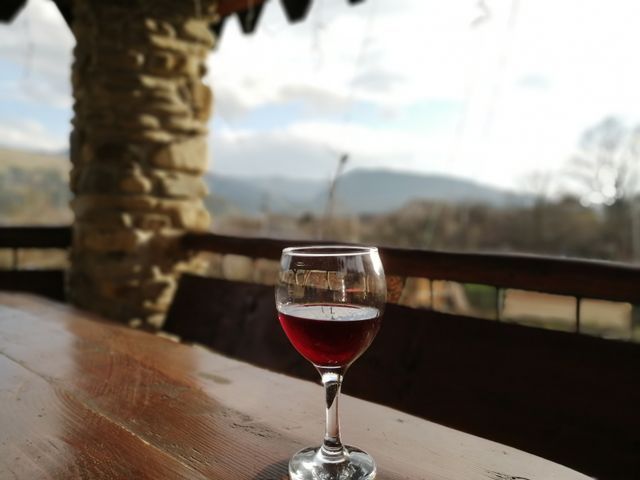
Fall is one of the richest culinary seasons in Tuscany, with wine harvests, olive picking and ingredients that shape classic local dishes. Menus become heartier, flavors deepen and many towns host food festivals dedicated to seasonal products.
Look for:
- New wine and cellar tastings
- Brunello di Montalcino and Chianti Classico
- Fresh olive oil later in the season
- Porcini mushrooms, chestnuts and truffles
- Ribollita, pappardelle with wild boar and local pecorino
If you spot a village food festival, known as a sagra, go. Really, just go. It’s one of the easiest ways to eat well, spend less and find yourself at a long communal table wondering how chestnuts suddenly became the star of your evening.
Practical tips for planning a Fall trip
A successful trip through Tuscany in Fall depends on balancing flexibility with advance planning. The season is popular, especially in September and October, but weather changes and rural schedules mean it helps to stay adaptable.
Keep these tips in mind:
- Rent a car if you want to explore villages and countryside efficiently
- Book winery visits ahead, especially in harvest season
- Pack layers for warm afternoons and cool evenings
- Check opening times in smaller villages later in the season
- Allow extra time for scenic stops, because you will stop
If you only visit one part of Italy in October, Tuscany makes a very strong case for itself. It combines culture, landscapes, food and manageable travel distances in a way few regions can match.
The WeRoad tip
A scenic Fall day between vineyards, medieval villages and thermal waters
If you want a route that feels wonderfully Tuscan without trying too hard, build a day around Val d’Orcia and southern Tuscany. Start early with photo stops along the cypress-lined roads between Pienza, San Quirico d’Orcia and Montalcino, when the morning light is soft and the hills still hold a little mist. It’s one of those drives where every bend looks suspiciously like a movie set, so keep your camera handy and your timing relaxed.
From there, head to Montalcino for a Brunello wine tasting in the vine-covered hills. This works especially well in Fall, when the landscape has extra depth and winery visits feel closely tied to the season. Then end the day at the natural thermal pools of Saturnia, where warm water flows through travertine rock and the cooler air makes the soak even better. It’s a route with a very satisfying rhythm: views, wine, warm water, repeat mentally forever. If you’re after a single day that captures Tuscany’s seasonal mood, this one absolutely delivers.
A season made for slow travel
Fall reveals Tuscany at its most atmospheric, with vineyards in color, villages full of character and countryside routes that feel made for unhurried discovery. It is a season that rewards curiosity, long detours and a healthy respect for both weather apps and lunch breaks.
Whether you’re drawn by Val d’Orcia’s cinematic roads, Chianti’s cellars, Siena’s historic beauty or the forests of Casentino, this is one of the most rewarding times to experience the region. And if you want to share those views, tastings and village strolls with like-minded travelers, discover WeRoad’s group trips in Italy and start planning your Tuscan escape.
FAQ
- What is the prettiest town in Tuscany to visit?
-
There is no single answer, but Pienza is often considered one of the prettiest towns for its Renaissance architecture, views over Val d’Orcia and elegant atmosphere. San Gimignano, Siena and Montepulciano are also top contenders.
- What part of Italy is best to visit in October?
-
Tuscany is one of the best regions to visit in October because it offers countryside scenery, wine harvest season, historic cities and manageable travel distances. It is especially appealing for travelers who want a mix of culture, food and landscapes.
- How many days do you need in Tuscany during Fall?
-
A trip of 4 to 7 days is ideal for combining cities, villages and countryside. With less time, focus on one area like Chianti or Val d’Orcia. With a full week, you can comfortably include Siena, vineyard stops and scenic drives.
- Do you need a car to explore Tuscany in Fall?
-
For major cities, not necessarily. But for villages, vineyards and scenic countryside routes, a car is strongly recommended. It gives you freedom to reach rural areas, stop for viewpoints and move easily between smaller towns.
- Is Tuscany rainy in Fall?
-
It can be. October and November may bring rain, but conditions change quickly and many days remain pleasant. Packing layers and waterproof items is the smartest approach, especially if your plan includes hikes or country drives.