In a nutshell
- Iceland’s best first-trip route usually combines Reykjavik, the Golden Circle and the South Coast, giving you a balanced mix of culture, geology, waterfalls, black sand beaches and glacier scenery without requiring a full loop of the island.
- The Golden Circle is the most accessible scenic route and includes Thingvellir National Park, the Strokkur geyser and Gullfoss waterfall, making it the most efficient way to experience Iceland’s tectonic, geothermal and hydrological highlights in one day.
- The South Coast delivers some of the country’s most iconic landscapes, including Seljalandsfoss, Skogafoss, Reynisfjara, Dyrholaey and Jokulsarlon, with opportunities for immersive experiences such as walking behind waterfalls and taking a lagoon boat tour among floating icebergs.
- North Iceland, the East Fjords and Snaefellsnes are ideal extensions for longer itineraries, with standout experiences such as Dettifoss, whale watching in Husavik, kayaking in Seydisfjordur and visiting Kirkjufell, all offering a less rushed but equally dramatic view of the island.
- Good planning matters in Iceland: layered clothing, realistic driving times, advance bookings and attention to weather and safety warnings are essential for enjoying the country’s landscapes comfortably and responsibly.
Iceland has a special talent for making you feel very small in the best possible way. One minute you’re watching steam rise from the earth, the next you’re standing in front of a roaring waterfall or walking across a black sand beach that looks like another planet decided to drop by for a visit.
For first-time travelers, the real challenge is not finding beautiful places. It’s choosing where to start. From the classic Golden Circle to the glacier lagoons of the south, the country packs volcanic drama, geothermal wonders and wild northern landscapes into one unforgettable road trip.
This guide brings together the best experiences across the island, with a focus on the stops that truly deserve a place on your itinerary.
Where to begin your Iceland trip
The best starting point is usually Reykjavik, followed by either the Golden Circle, the South Coast or a longer Ring Road journey. If it’s your first visit, combining the capital with a few iconic nature areas gives you the widest variety of landscapes without spending all your time driving.
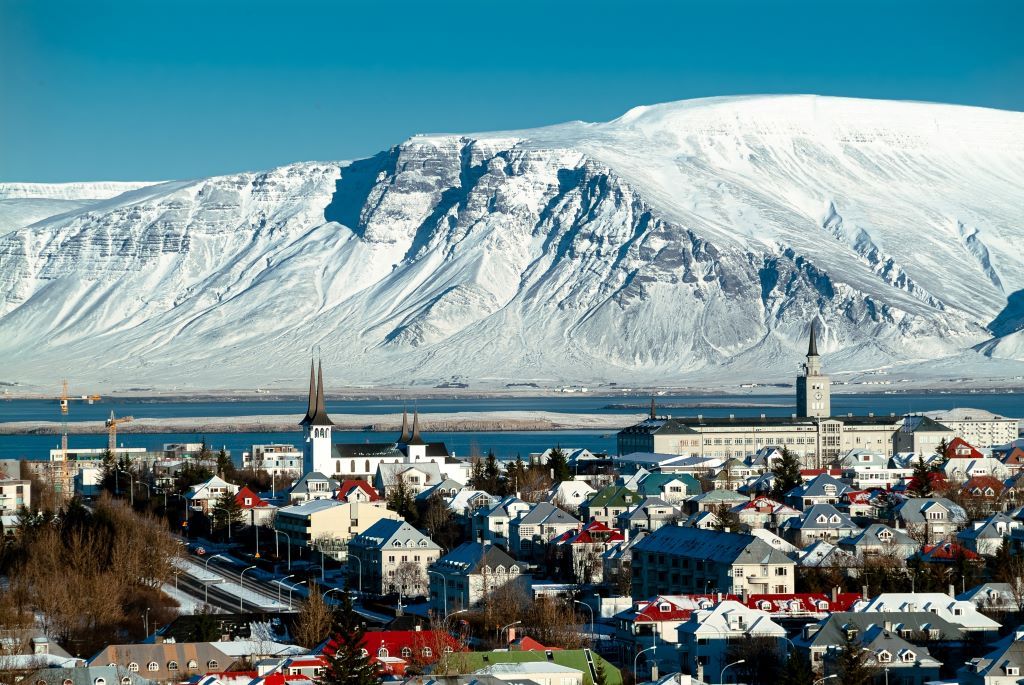
Reykjavik is compact, creative and easy to explore on foot. It’s not the place you come to hide from nature, but it is where you ease into Icelandic life with colorful streets, design shops, live music and a good coffee before heading into the wild stuff.
Spend some time around Hallgrimskirkja, the Harpa Concert Hall and the old harbor, then save an evening for local culture. If you’re around on a weekend, Kolaportid flea market is worth a look for snacks, vintage finds and a more everyday side of the city. Later, Reykjavik’s bar and concert scene can surprise you. Let’s just say the night can become longer than planned, especially when someone says “just one more stop.”
The Golden Circle: Iceland’s classic first taste
The Golden Circle is the easiest way to experience Iceland’s signature landscapes in a single route. It combines geology, history and powerful natural sights, making it ideal for travelers with limited time or for anyone who wants a strong introduction before heading farther afield.
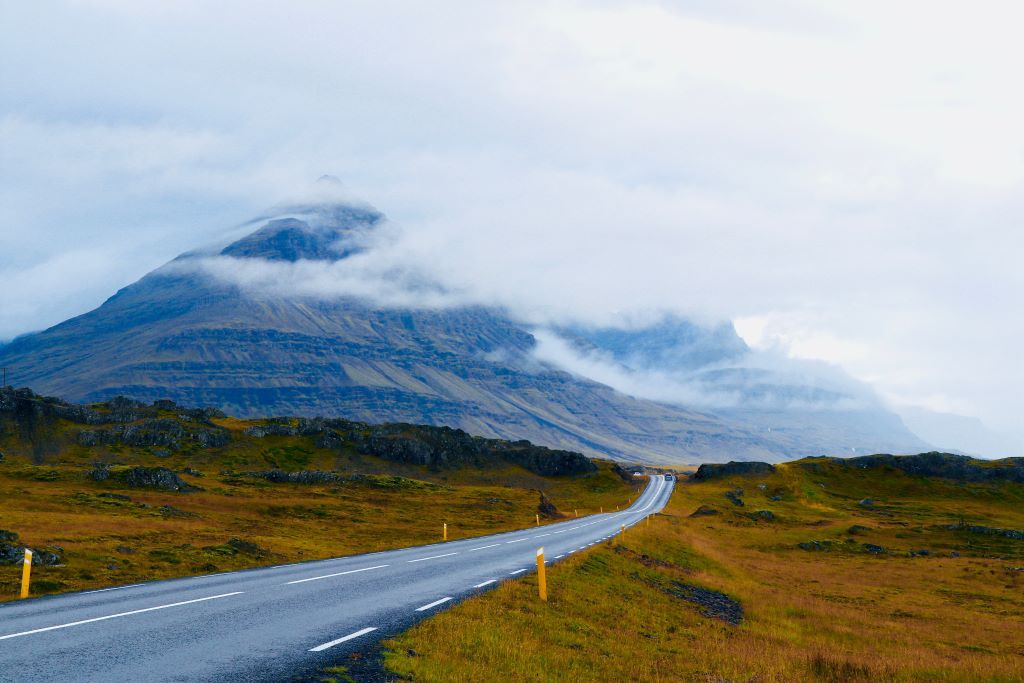
The three essential stops are:
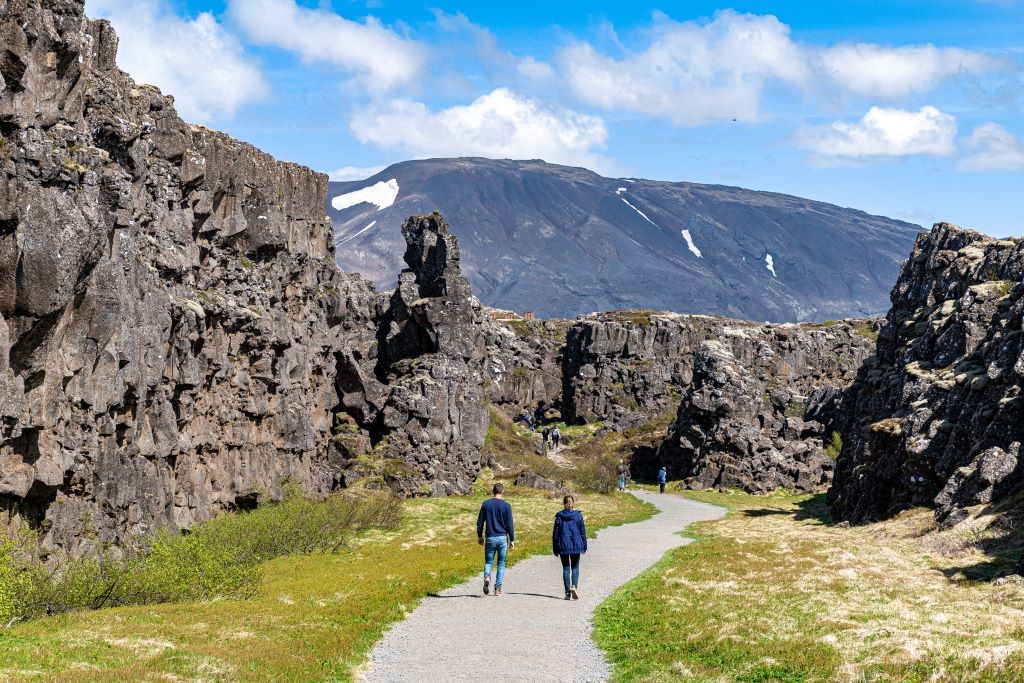
- Thingvellir National Park, where the North American and Eurasian tectonic plates pull apart
- Geysir geothermal area, where Strokkur erupts every few minutes
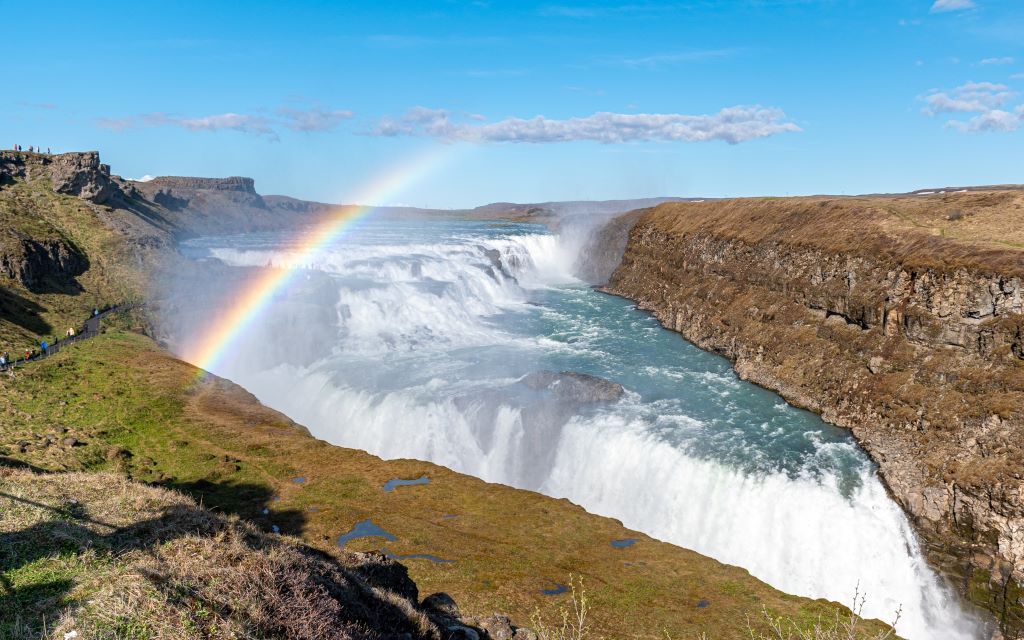
- Gullfoss, one of the country’s most iconic waterfalls
At Thingvellir, the landscape tells both a geological and historical story. You can walk through a dramatic rift valley and stand in the place where Iceland’s parliament was founded over a thousand years ago. Not many countries make politics look this scenic.
The Geysir area is where geothermal Iceland puts on a proper show. Watching Strokkur erupt boiling water dozens of meters into the air never gets old, even when everyone around you is pretending to act casual with their cameras ready. Spoiler: nobody is casual.
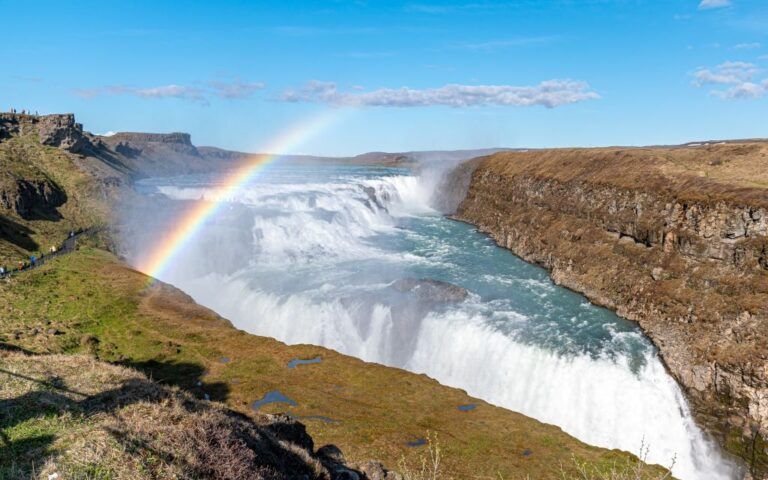
Then comes Gullfoss, a broad, thunderous waterfall dropping into a rugged canyon. It’s one of those places where the wind, spray and noise all team up to remind you who’s in charge.
The South Coast: waterfalls, black sand and glaciers
The South Coast is one of the most rewarding parts of Iceland for first-time visitors. It offers dramatic waterfalls, sea cliffs, black sand beaches and glacier views along a route that is relatively easy to follow and rich in memorable stops.
This stretch is packed with landmarks, but a few stand out more than others.
Seljalandsfoss and Skogafoss
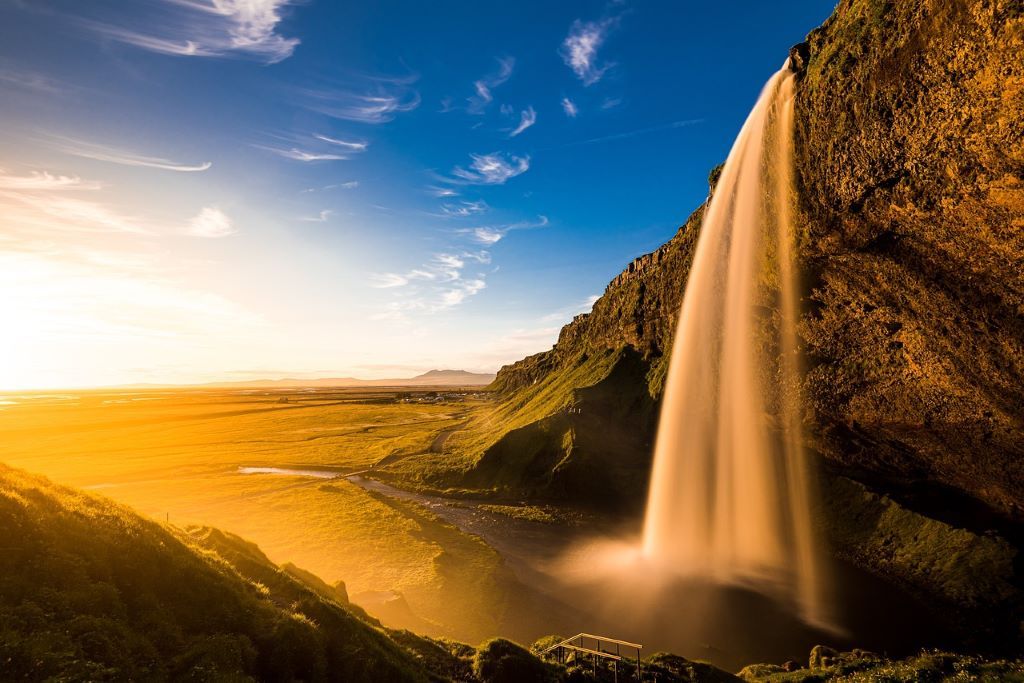
Seljalandsfoss is famous because you can walk behind the waterfall itself. The path is short, the mist is intense and yes, you will get wet. But stepping behind that curtain of water is one of the most iconic experiences in the country.
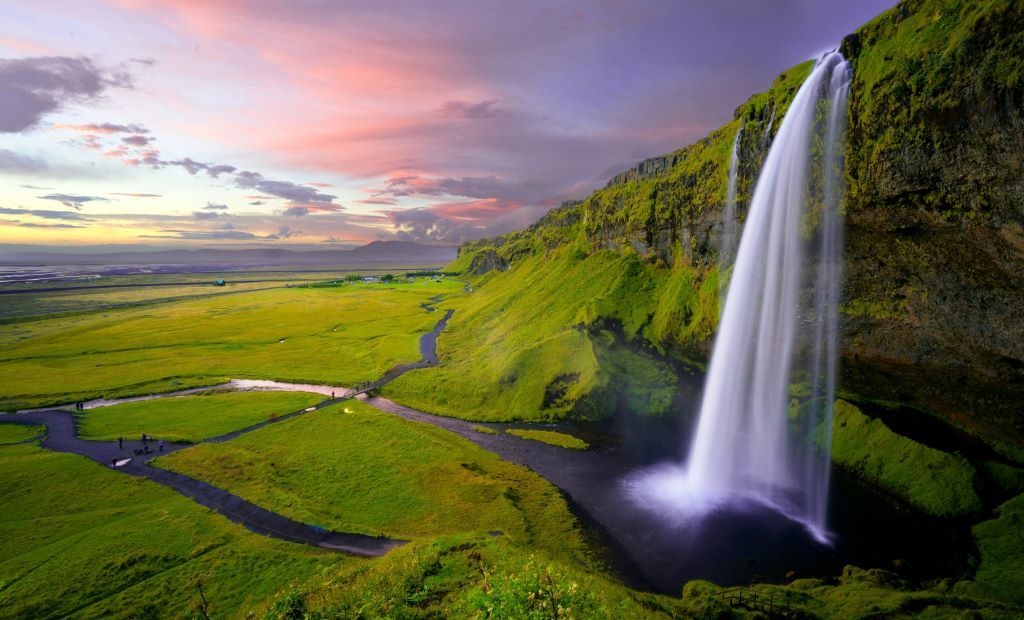
Not far away, Skogafoss delivers a different kind of impact: wide, powerful and unapologetically loud. On sunny days, rainbows often appear in the spray, which feels almost suspiciously photogenic.
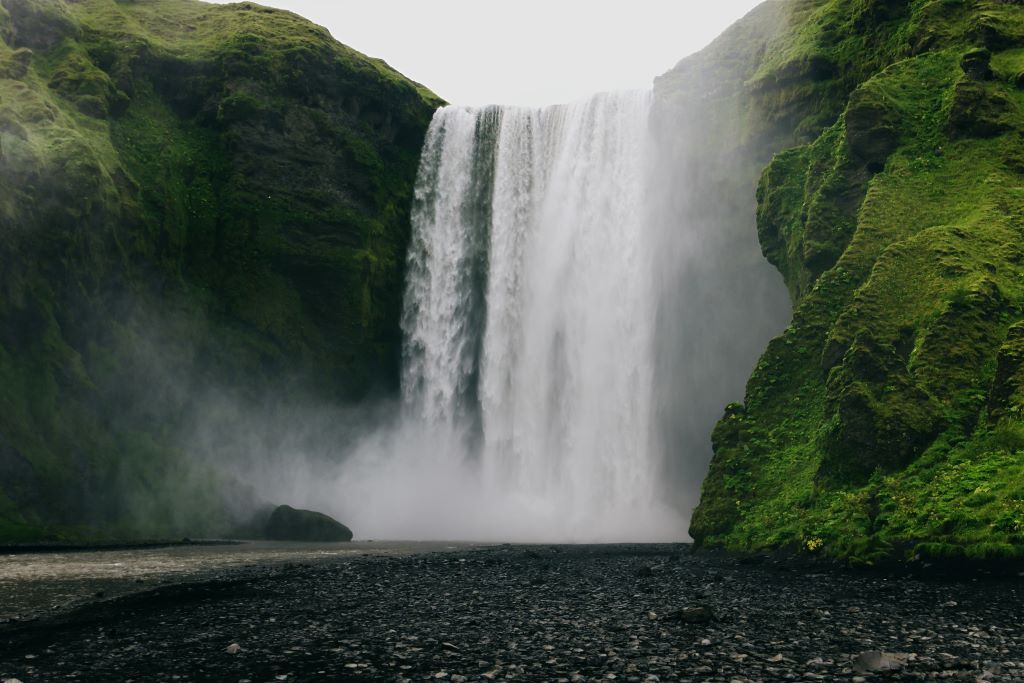
Reynisfjara and Dyrholaey
Reynisfjara is Iceland’s most famous black sand beach, known for its basalt columns, sea stacks and dramatic Atlantic waves. It is stunning, but conditions can be dangerous, so keeping a safe distance from the water is essential at all times.
Nearby, the Dyrholaey viewpoint gives you a wider perspective over the coast, with cliffs, arches and sweeping ocean views. If Reynisfjara is the moody close-up, Dyrholaey is the cinematic drone shot.
Jokulsarlon and Diamond Beach
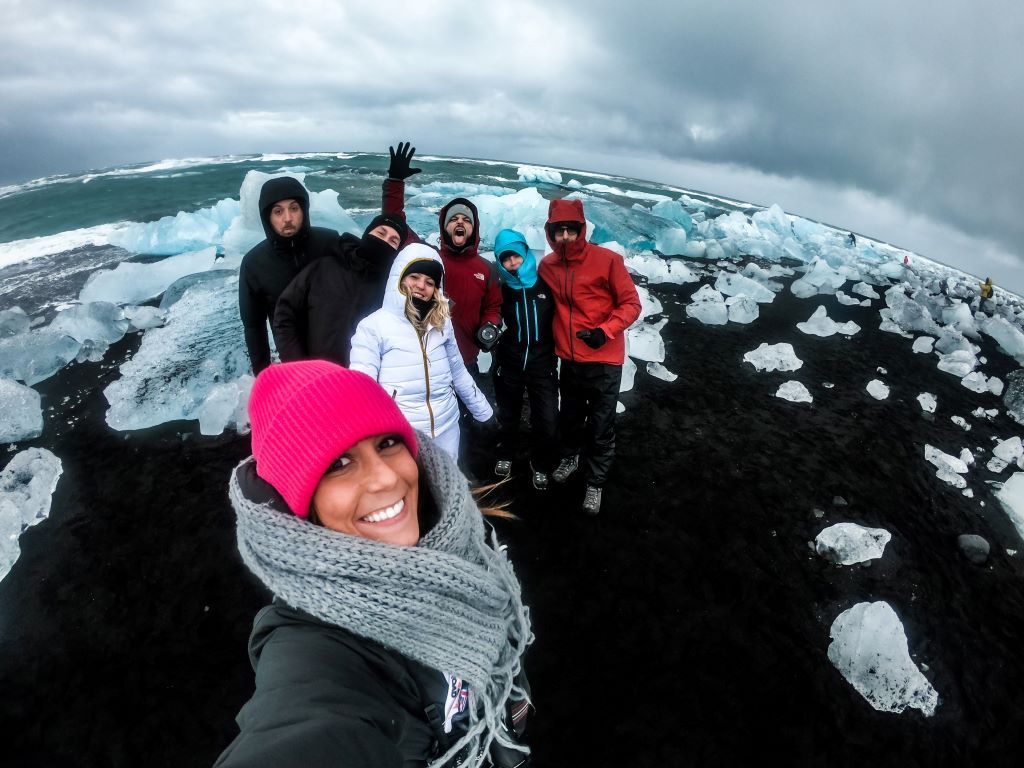
Jokulsarlon glacier lagoon is one of the most extraordinary places in Iceland. Icebergs break from the glacier, float across the lagoon and drift slowly toward the sea, creating a landscape that changes hour by hour.
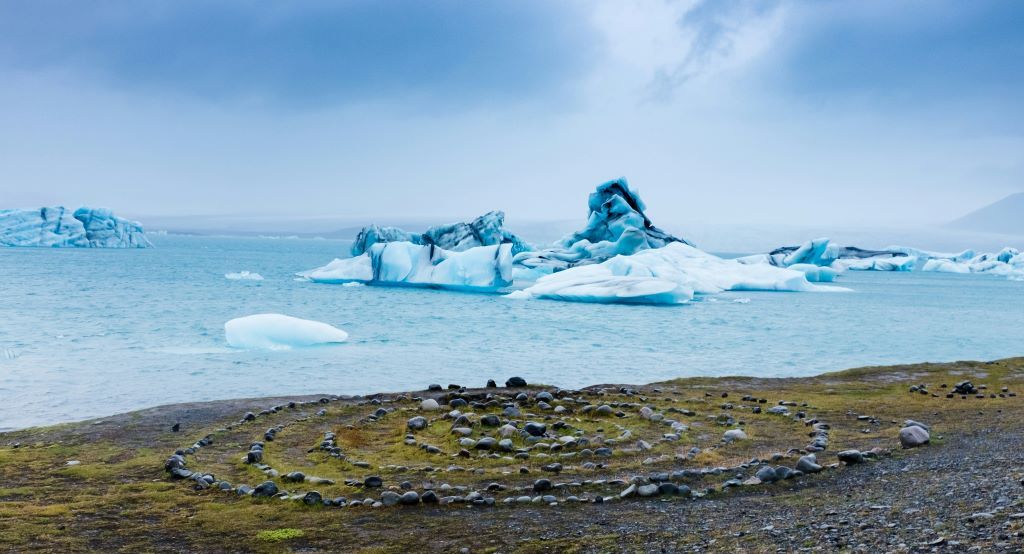
An amphibious boat ride here adds a different perspective, and tasting a piece of thousand-year-old glacier ice is the kind of oddly specific travel moment you’ll talk about for years. Just across the road, Diamond Beach scatters chunks of ice across black sand, as if nature briefly decided to become a jewelry designer.
The DC-3 plane wreck
The DC-3 plane wreck on Solheimasandur is one of Iceland’s most photographed oddities. The walk across the black sand plain is long and exposed, but the contrast between the abandoned wreck and the volcanic landscape makes it a compelling stop for those with extra time and energy.
North Iceland: powerful nature and marine life
North Iceland offers a wilder, less hurried atmosphere, with some of the country’s most powerful waterfalls, volcanic landscapes and excellent wildlife experiences. It’s a strong addition for travelers doing the Ring Road or anyone looking beyond the classic south.
Dettifoss, often described as Europe’s most powerful waterfall, is pure force. You don’t just see it, you feel it through the ground. Nearby, the horseshoe-shaped Asbyrgi canyon offers a quieter contrast, with hiking trails and a more contemplative side of the northern landscape.
For marine life, Husavik is the place to go. Whale watching tours here are among the best in Iceland, especially in summer, when humpbacks and other species are commonly seen. After a day at sea, a soak in the Forest Lagoon near Akureyri is an excellent reset. Cold air, hot water, minimal effort: an unbeatable combination.
East Iceland: fjords, small towns and slower adventures
The East Fjords are ideal for travelers who want a quieter side of Iceland, with scenic coastal roads, small communities and outdoor activities that feel more local and less crowded. This region is best explored as part of a longer road trip around the island.
Seydisfjordur is one of the prettiest towns in the country, framed by mountains and waterfalls. It’s a great place to break up long drives with more active experiences such as mountain biking or kayaking in the fjord. Afterward, a local hot spring feels less like a travel tip and more like a reward for excellent life choices.
Snaefellsnes Peninsula: a compact version of Iceland
The Snaefellsnes Peninsula is often called “Iceland in miniature” because it combines many of the country’s defining landscapes in one region. It’s an excellent option for travelers who want variety without committing to the full Ring Road.
Here you’ll find lava fields, cliffs, fishing villages, volcanic scenery and one of Iceland’s most recognizable landmarks: Kirkjufell. This sharply shaped mountain is probably the most photographed in the country, and once you see it rising beside the waterfall nearby, it becomes very clear why no camera roll escapes unscathed.
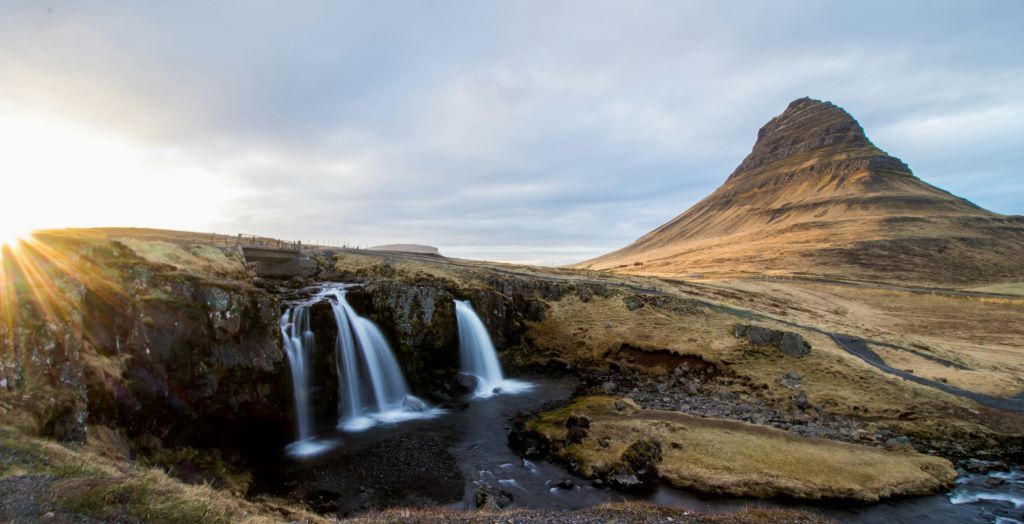
Best places in Iceland at a glance
The most worthwhile stops depend on how much time you have, but some places consistently stand out for scenery, accessibility and overall experience. This quick comparison can help you choose your route.
| Area | Best for | Top highlights | Ideal trip length |
|---|---|---|---|
| Reykjavik | Culture, food, nightlife | Hallgrimskirkja, Harpa, Kolaportid | 1-2 days |
| Golden Circle | First-time highlights | Thingvellir, Strokkur, Gullfoss | 1 day |
| South Coast | Waterfalls, beaches, glaciers | Seljalandsfoss, Reynisfjara, Jokulsarlon | 2-3 days |
| North Iceland | Whales, canyons, raw landscapes | Dettifoss, Asbyrgi, Husavik | 2-3 days |
| Snaefellsnes | Variety in a compact region | Kirkjufell, coastal cliffs, lava fields | 1-2 days |
Practical tips for visiting Iceland
A smooth trip in Iceland depends on planning for weather, distances and changing conditions. The country is easy to enjoy, but the environment demands flexibility, proper clothing and realistic expectations about how much ground you can cover in a day.
- Dress in layers: wind and rain can show up quickly, even in summer.
- Check road and weather conditions daily: they can change fast.
- Don’t underestimate distances: Iceland looks small on a map, then suddenly you’ve been driving for hours with sheep as your main audience.
- Book popular experiences in advance: especially lagoons, boat tours and summer accommodation.
- Respect warning signs: waves, cliffs and geothermal areas are not places to improvise.
A trip that feels bigger than the map
Iceland stands out because its landscapes are not just beautiful, but deeply varied and intensely alive. In a single trip, you can walk behind waterfalls, watch a geyser erupt, stand beside glaciers, explore black sand beaches and soak in geothermal waters under an open sky.
If you can’t decide what to prioritize, start with the Golden Circle and the South Coast, then add the north, east or Snaefellsnes Peninsula if you have more time. Every extra day tends to reward you with another place that makes your camera work overtime and your sense of scale quietly panic.
If Iceland is calling, it might be time to discover WeRoad group trips to Iceland and experience these wild landscapes with new travel buddies along the way.
- What should I absolutely not miss in Iceland?
-
For a first trip, the most memorable essentials are the Golden Circle, the South Coast, Reynisfjara black sand beach and Jokulsarlon glacier lagoon. These areas offer the strongest mix of waterfalls, geysers, volcanic scenery and glacier landscapes.
- What is the number one experience in Iceland?
-
There isn’t one single answer, but many travelers consider Jokulsarlon glacier lagoon or the classic combination of Golden Circle plus South Coast to be the standout experience. It depends on whether you prefer glaciers, waterfalls, geothermal activity or road trip scenery.
- How many days do you need to see Iceland well?
-
A good first trip needs at least 5 to 7 days to cover Reykjavik, the Golden Circle and the South Coast at a comfortable pace. If you want to drive the full Ring Road, aim for 10 to 14 days.
- Is Reykjavik worth visiting, or should I focus only on nature?
-
Reykjavik is definitely worth at least a day or two. It adds food, music, design and local atmosphere to a trip otherwise centered on nature, and it works well as a base before or after exploring the island’s wilder regions.
- When is the best time to visit Iceland?
-
Summer is best for road trips, long daylight hours and easier access across the country. Winter is ideal for northern lights, icy landscapes and a more dramatic atmosphere, but weather and road conditions can be more challenging.