
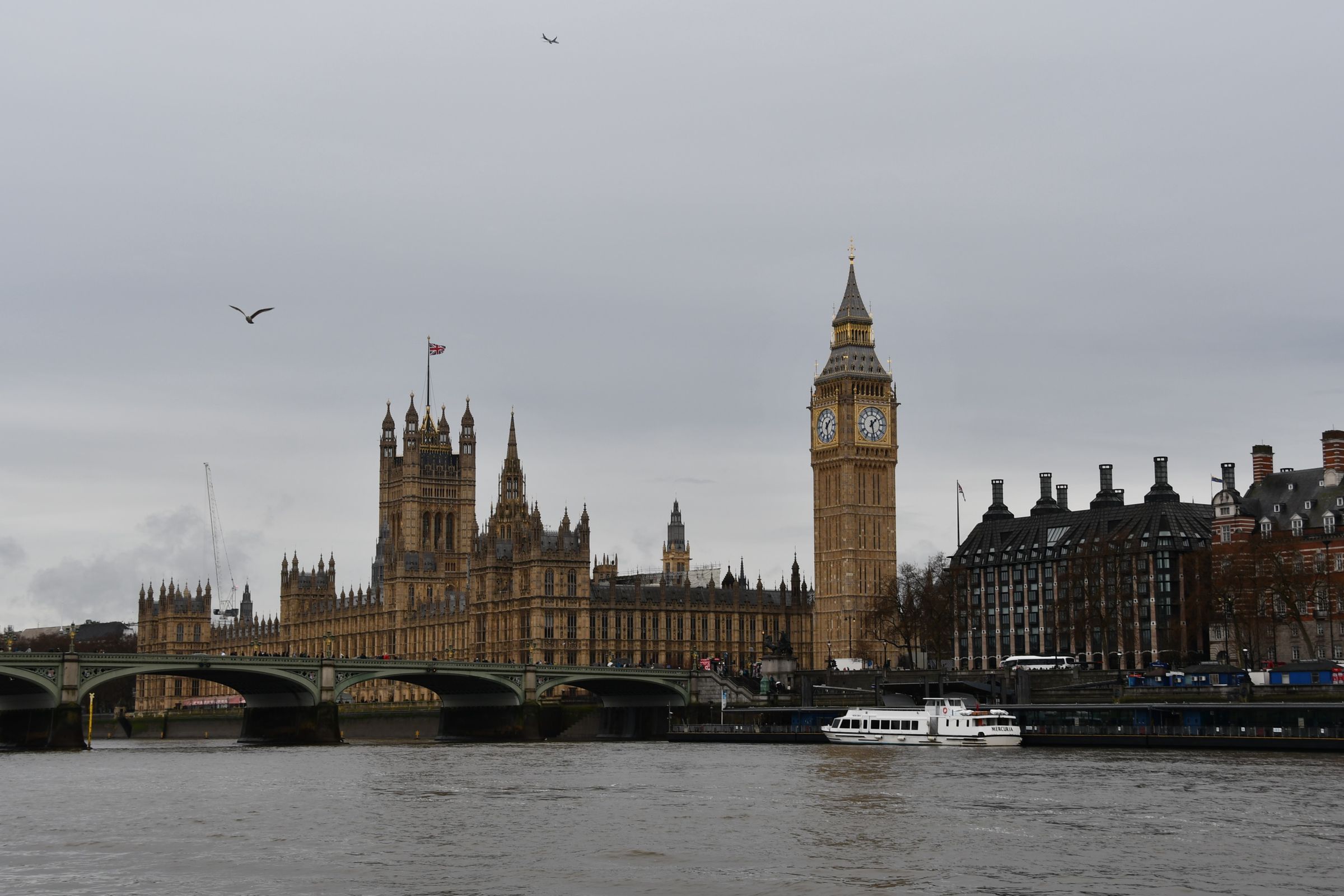
In a nutshell
- Late spring and early autumn are usually the best all-round periods, especially May, June and September, thanks to mild temperatures, lively city life, greener parks and more manageable tourist numbers than peak summer.
- Summer is the top choice for festivals, long daylight hours and outdoor experiences, with July standing out for warm weather and great sightseeing conditions, though it also brings higher hotel prices, fuller transport and busier attractions.
- Spring is ideal for Royal Parks and scenic walks, with places like Hyde Park, Regent’s Park and Kensington Gardens looking their best as blossoms appear and the city becomes easier to explore on foot.
- Winter shines for atmosphere rather than weather: late November to early December is best for Christmas lights and festive events, while January and February are often the most budget-friendly months for travellers seeking lower prices.
- London works well with at least four full days, but five to seven days allow a much more complete trip, combining iconic landmarks, museums, neighbourhoods, food spots and slower moments in the city’s parks and historic districts.
London is one of those cities that somehow works in every season. One month you’re picnicking in Hyde Park, the next you’re ducking into a cozy pub while rain taps dramatically on the windows like it’s auditioning for a period drama. That’s exactly why choosing when to go depends less on a single “perfect” month and more on the kind of trip you want.
Some travellers want long sunny evenings, others dream of festive streets and glittering shop windows, and some are simply on a mission to avoid peak prices and queue-related despair. The good news is that London is a year-round destination, and each season has a distinct mood, pace and set of advantages.
When London is at its best
The most balanced time to experience London is usually late spring and early autumn, especially from May to June and again in September. These periods often combine mild weather, greener parks, manageable crowds and a lively city atmosphere without the full pressure of peak summer.
If you want the short answer, May, June and September are often the easiest months to recommend. The city feels alive, the daylight lasts longer, and walking between neighbourhoods is genuinely pleasant rather than a battle against drizzle, heat or festive chaos.
That said, London doesn’t really do one-size-fits-all. Summer is brilliant for events and outdoor life, winter is magical for decorations and Christmas lights, spring is ideal for blossoms and park strolls, and autumn has that cinematic charm that makes even a simple coffee run feel oddly sophisticated.
| Season | Why go | Things to keep in mind |
|---|---|---|
| Spring (March to May) | Blossoms, royal parks, mild temperatures, fewer crowds than summer | Weather can still shift quickly; bring layers |
| Summer (June to August) | Longest days, festivals, open-air events, lively atmosphere | Higher prices, busier attractions, school holiday crowds |
| Autumn (September to October) | Golden parks, cooler air, great for sightseeing | Rain becomes more frequent later in the season |
| Winter (November to February) | Christmas lights, festive markets, lower prices in January and February | Short days, colder weather, more rain |
Spring in London: blossoms, parks and easier sightseeing
Spring is one of the loveliest times to be in London, especially for travellers who want fresh air, pretty scenery and fewer crowds than high summer. From late March to May, the city’s gardens and green spaces begin to bloom, and sightseeing becomes far more comfortable.
This is the season when the Royal Parks really show off. St James’s Park, Regent’s Park, Kensington Gardens and Richmond Park look fantastic, and a simple walk can become one of the highlights of your trip. Even Londoners seem slightly more cheerful, which is how you know something significant is happening.
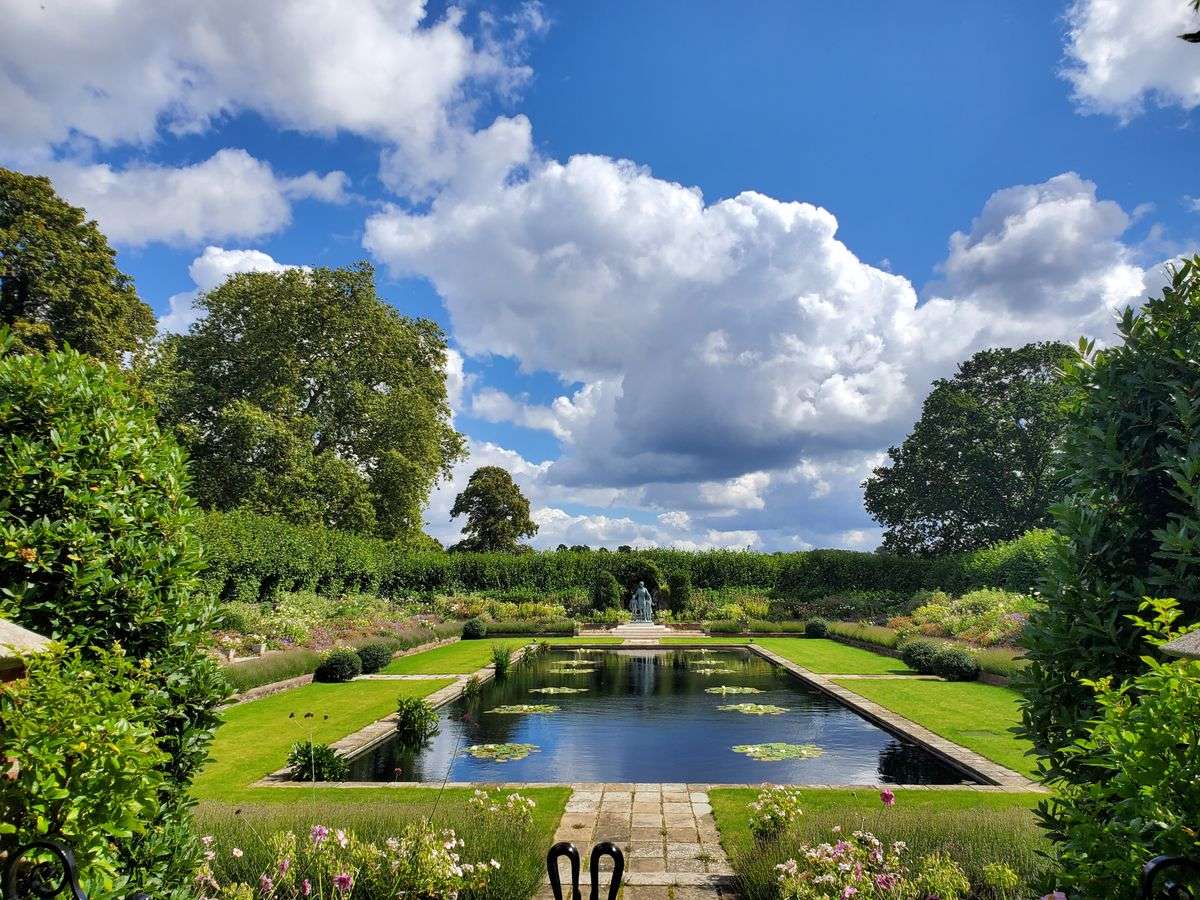
Spring is also a smart choice if you want to mix major sights with relaxed wandering. You can explore museums, markets and classic landmarks without the full crush of summer tourism. Hotel rates may still rise around bank holidays, but overall this is often a sweet spot for value and comfort.
Why spring works so well
Spring offers a strong balance between weather, atmosphere and practicality. It suits first-time visitors, couples and anyone who wants to spend long hours outside without dealing with the busiest season.
- March to early April: quieter, cooler and often cheaper
- Late April and May: better for flowers, outdoor walks and longer daylight
- Best for: park lovers, photographers, museum-hoppers and city walkers
Summer in London: festivals, long days and peak energy
Summer is the most event-packed and energetic time in London. From June to August, the city enjoys its longest days, warmer temperatures and a packed cultural calendar. It is a great season for outdoor plans, but it also comes with bigger crowds and higher costs.
If your ideal city break includes riverside drinks, picnics in the park, rooftop views and open-air performances, summer is hard to beat. This is when London feels fully switched on. You can spend a whole day outdoors and still have daylight left for an evening stroll, which feels frankly unfair to the rest of Europe.
July is usually the warmest month, and it’s often considered a very good time to visit if you care about weather and long hours of sunshine. It is especially rewarding for first-timers who want to see iconic sights in their brightest, busiest form. Just book early, because everyone else has had the same clever idea.
Is July a good month to visit?
Yes, July is one of the best months for weather and atmosphere. Expect warm days, lively streets and excellent conditions for outdoor sightseeing, but also prepare for peak-season crowds and prices.
- Great for Wimbledon season, outdoor dining and park picnics
- Excellent daylight for fitting more into each day
- Less ideal if you want quiet museums or budget-friendly hotels
Summer festivals and seasonal highlights
Summer suits travellers who want more than monuments. The city becomes a stage for events, performances and open-air fun, so your itinerary can be as classic or as chaotic as you like.
- Open-air theatre in Regent’s Park
- Wimbledon and major sporting events
- Outdoor cinema, food festivals and rooftop venues
- Notting Hill Carnival at the end of August
Comparing cities for your next getaway? Read our guide to the best European cities for a city break.
Autumn in London: golden leaves and a calmer rhythm
Early autumn is one of the most rewarding times to explore London. September, and often early October, brings cooler temperatures, softer light and a more relaxed rhythm after the peak summer rush. It is ideal for sightseeing, walking and enjoying the city at a steadier pace.
September is particularly attractive because it often keeps some of summer’s pleasant weather while losing part of the school-holiday intensity. Parks begin to turn golden, pub lunches become more tempting, and the city feels less frantic. It’s London with its collar slightly unbuttoned.
Late September weather is usually mild but changeable. You can expect a mix of sunshine, cloud and occasional rain, with daytime temperatures commonly hovering around 15°C to 19°C. Evenings feel cooler, so layers are useful.
What late September feels like
Late September is comfortable for walking and sightseeing, with fresh mornings and manageable afternoons. It is one of the easiest periods for travellers who want to explore widely without summer heat or winter cold.
- Pack a light waterproof jacket
- Bring layers for cooler mornings and evenings
- Expect mixed weather rather than continuous rain
Planning an autumn trip beyond London? Read our guide to the best places to travel in October.
Winter in London: Christmas lights, markets and quieter months
Winter is the most atmospheric time to visit London if festive charm matters more to you than mild weather. From late November through December, the city becomes bright, decorative and wonderfully theatrical, with lights, markets and seasonal events across central neighbourhoods.
If your London fantasy includes illuminated streets, department store windows, skating rinks and hot drinks clutched with both hands, this is your season. Oxford Street, Regent Street, Covent Garden and Carnaby are especially popular for festive displays. Yes, there will be crowds. Yes, you’ll forgive them.
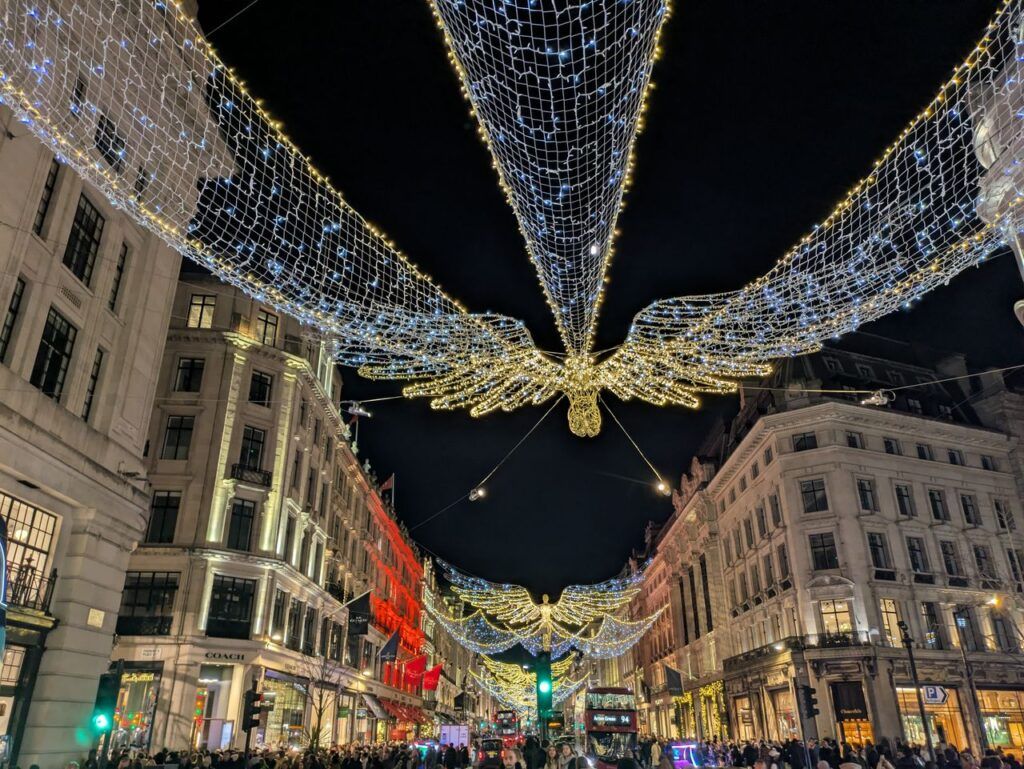
For Christmas activities, the ideal time is usually late November to early December. That’s when the decorations are up, the mood is high and the crowds are often slightly more manageable than in the final rush before Christmas.
Looking for more festive ideas? Read our guide to the best Christmas getaways.
The cheapest period to visit
January and February are often the most affordable months for a London trip. Flights and hotel prices can be lower, and the city is generally quieter after the festive period, apart from school breaks and major events.
This is a good option for budget-conscious travellers who don’t mind cold weather and shorter days. Museums, theatres, markets and pubs still keep the city engaging, even when the sky is doing its classic grey performance.
Weather in London through the year
London’s weather is famously unpredictable, but it is rarely extreme. Rain is possible in every season, and temperatures stay relatively moderate compared with many other European capitals. The secret is simple: dress in layers and assume the forecast may be feeling whimsical.
Across the year, average daytime temperatures generally range from around 8°C in winter to 23°C in summer. You might get sunshine in April, showers in July and a strangely warm afternoon in October. London likes to keep everyone humble.
| Month range | Typical average daytime temperature | Travel feel |
|---|---|---|
| January to February | 5°C to 8°C | Cold, quieter, better for deals |
| March to May | 10°C to 17°C | Mild, greener, good for walking |
| June to August | 20°C to 23°C | Warmest, busiest, best for outdoor plans |
| September to October | 14°C to 20°C | Fresh, scenic, strong sightseeing season |
| November to December | 7°C to 12°C | Festive, darker, often rainy |
How many days you need in London
For a first trip, four full days is a good minimum. That gives you enough time for major landmarks, a museum or two, a neighbourhood wander and a few slower moments without turning the visit into an Olympic scheduling event.
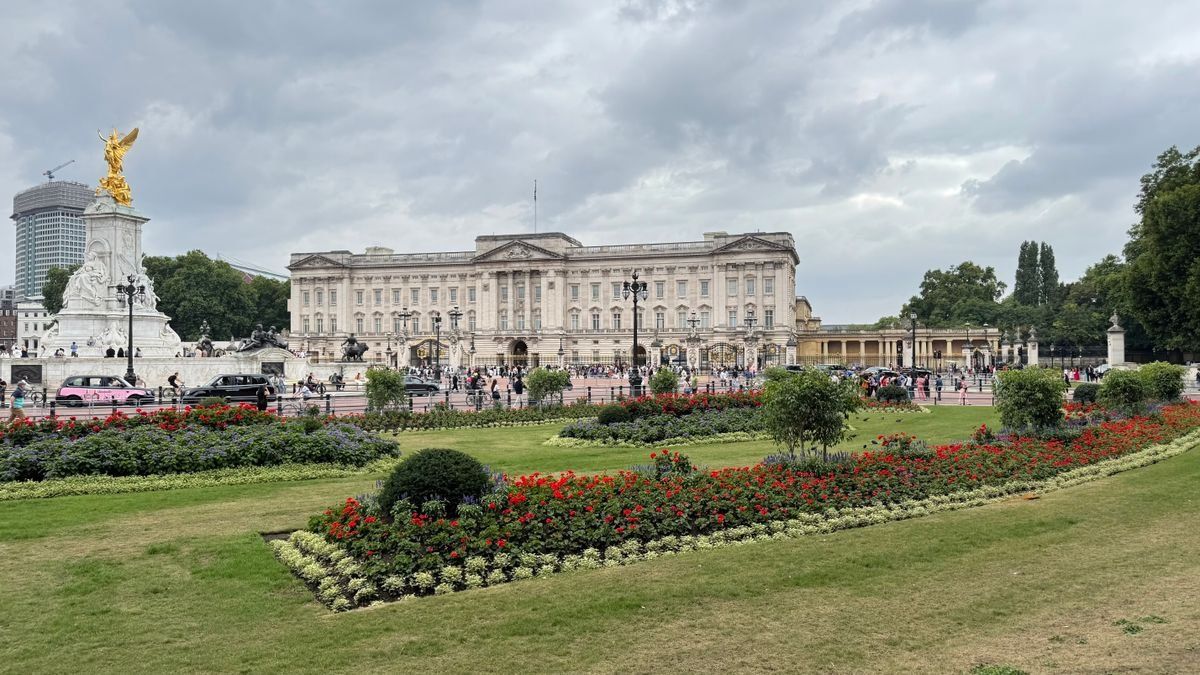
If you have five to seven days, London becomes much more enjoyable. You can combine classic sights like Westminster, the Tower of London and Buckingham Palace with markets, theatre, food districts and a park day. And trust us, a park day in London is never wasted time.
- 3 days: highlights only, fast-paced
- 4 days: solid first-time itinerary
- 5 to 7 days: best for a richer, more relaxed experience
Want to see more of the country? Read our guide to the best places to visit in the UK.
So, which season should you choose?
The right time to go depends on whether you prioritise weather, price, events or atmosphere. For overall balance, late spring and early autumn remain the strongest choices. For big energy and outdoor fun, summer wins. For sparkle and festive charm, winter has the edge.
In simple terms:
- Choose May or June for parks, blossoms and pleasant sightseeing
- Choose July for the warmest weather and peak city buzz
- Choose September for balance, comfort and fewer crowds
- Choose late November or early December for Christmas lights and festive atmosphere
- Choose January or February for lower prices and a quieter city
Whenever you go, London has a way of pulling you in: with its grand landmarks, village-like corners, royal parks and weather that changes personality faster than a West End cast member. If you want to experience it with new people and zero stress, check out our group trips to the United Kingdom and start planning your city adventure.
FAQ
- What is the weather like in London in late September?
-
Late September is usually mild and comfortable, with daytime temperatures often between 15°C and 19°C. You can expect mixed conditions, including sunshine, clouds and occasional rain, so layers and a light waterproof jacket are a smart idea.
- What is the average temperature in London year-round?
-
Across the year, average daytime temperatures generally range from about 5°C to 8°C in winter and around 20°C to 23°C in summer. Spring and autumn sit between those ranges, usually offering mild and changeable conditions.
- How much time do you need to see London?
-
A first-time visitor should plan at least four full days to cover the main highlights comfortably. If you have five to seven days, you can explore more neighbourhoods, museums, parks and local experiences without rushing.
- Is July a good month to visit London?
-
Yes, July is a very good month to visit London if you want warmer weather, long daylight hours and a lively atmosphere. It is one of the busiest and most expensive times, though, so booking accommodation and major attractions early is important.
- When is the cheapest time to go to London?
-
January and February are often the cheapest months for a trip to London. After the festive season, prices can drop and the city is generally less crowded, although the weather is colder and the days are shorter.
- When should I visit London for Christmas lights?
-
The best time is usually from late November to early December. Most major light displays and festive decorations are already in place, and you can enjoy the seasonal atmosphere before the busiest days right before Christmas.