

In a nutshell
- The most favorable period for most itineraries is November to February, when much of Thailand has drier weather, lower humidity, and comfortable conditions for combining cities, beaches, and cultural sites.
- Thailand’s seasons vary by region: the Andaman coast, including Phuket and Krabi, is usually best from November to April, while the Gulf islands such as Koh Samui and Koh Tao often work better from January to August.
- April is typically the hottest month, making beach escapes more appealing, while Songkran adds a major cultural highlight for travelers who do not mind intense heat and festive crowds.
- The rainy season from June to October can still be a smart option for lower prices, greener landscapes, and fewer tourists, especially if you choose the right destinations and accept occasional heavy showers.
- A 7-day trip is enough for a focused first visit, but travelers with 10 to 14 days can explore Thailand more comfortably; budget needs vary widely, and even a high budget like $30,000 is more than sufficient for a very comfortable trip.
Thailand is one of those destinations that can make you daydream in under 10 seconds: golden temples, night markets, jungle hikes, long-tail boats, and beaches that look suspiciously like desktop wallpapers. But timing matters. The weather changes a lot depending on the month and, just as importantly, the region you plan to visit.
In general, the most pleasant period for a trip is from November to February, when much of the country is drier, less humid, and easier to explore. That said, there isn’t one perfect moment for every itinerary. Thailand’s climate is split between cool, hot, and rainy seasons, and the islands on the Andaman coast and in the Gulf of Thailand don’t follow exactly the same pattern. Yes, Thailand likes to keep things interesting.
Thailand weather at a glance
Thailand has a tropical climate, so temperatures stay warm all year. What changes most is rainfall, humidity, and sea conditions. For most travelers, the sweet spot is the dry season, but shoulder months can also work well if you want fewer crowds and better prices.
Broadly speaking, here’s how the seasons work:
- Cool and dry season: November to February
- Hot season: March to May
- Rainy season: June to October
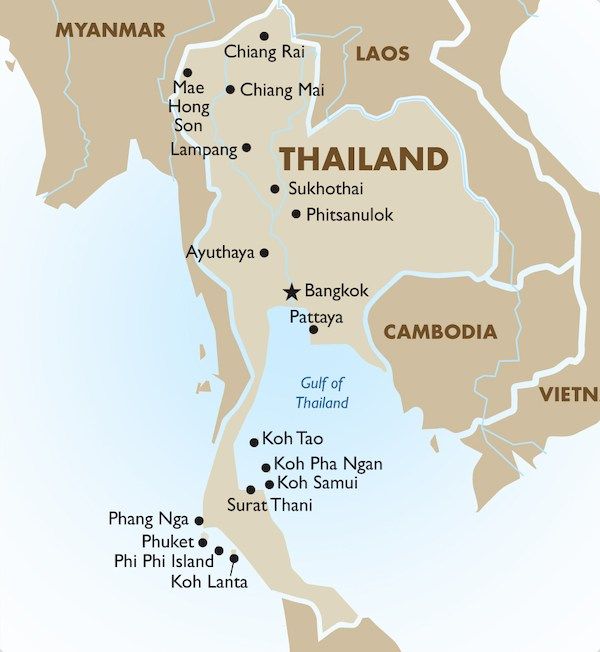
The catch? Not all of Thailand gets the same weather at the same time. Bangkok and northern Thailand usually follow the pattern above, while southern beach areas vary depending on whether you choose the west coast or the east coast.
Month-by-month guide to visiting Thailand
Each month offers a slightly different experience in Thailand. Some are ideal for beaches, others for cities and temples, and a few are better if you prefer lower prices over perfect sunshine. Choosing the right month depends on what kind of trip you want.
| Month | Weather | Best for |
|---|---|---|
| January | Cool, dry, sunny | Beaches, Bangkok, Chiang Mai |
| February | Dry and warm | Island hopping, outdoor activities |
| March | Hotter, still mostly dry | Diving, beaches, north before peak heat |
| April | Very hot | Songkran, beach escapes |
| May | Hot with first showers | Deals, fewer crowds |
| June | Humid, rain increasing | Green landscapes, east coast islands |
| July | Rainy in many areas | Koh Samui, Koh Tao, quieter travel |
| August | Wet in much of the country | East coast beaches, budget trips |
| September | One of the wettest months | Low-season savings |
| October | Mixed, improving late month | Bangkok and north at month end |
| November | Dry season begins | Most regions, festivals, trekking |
| December | Sunny, mild, popular | Classic Thailand itineraries |
January to February
These are among the easiest months for a first trip. The weather is generally dry, temperatures are warm but manageable, and conditions are excellent for combining cities, cultural sites, and beaches in one itinerary.
January and February are ideal if you want the postcard version of Thailand. Bangkok is more comfortable to explore, northern cities like Chiang Mai are pleasant, and the Andaman coast—think Phuket, Krabi, and Koh Phi Phi—usually delivers sunshine and calmer seas. The only downside? Everyone else has had the same brilliant idea, so prices and crowds are higher.

March to May
These months bring rising temperatures across the country. Travel is still possible and often enjoyable, but the heat becomes the main factor, especially in central and northern Thailand. Beach time and slower-paced itineraries work best.
March is still a solid choice, especially for island trips. By April, things get seriously hot, with temperatures often climbing above 35°C. This is usually the hottest month in Thailand. If you can handle the heat, April comes with one major reward: Songkran, the Thai New Year water festival. Picture a joyful nationwide water fight with no escape. Your hair, your T-shirt, your dignity: all soaked.
May sits in the shoulder season. It is still hot, but the first rain showers begin to appear. For travelers looking for better hotel rates and fewer crowds, it can be a smart compromise.
June to October
This period is the rainy season in much of Thailand. Rain does not usually fall all day every day, but humidity rises, sea conditions can worsen, and some islands are less appealing. It can still be a good time if you pick the right coast.
From June through October, expect a greener, quieter Thailand. Afternoon downpours are common, especially on the Andaman side. That said, rain often comes in bursts rather than endless all-day gloom. The landscape becomes lush, prices drop, and tourist hotspots breathe a little. Frankly, they deserve it.
For summer travel, the Gulf of Thailand—especially Koh Samui, Koh Phangan, and Koh Tao—often has better conditions than Phuket or Krabi. September is usually the wettest and least predictable month across much of the country.

November to December
These months mark the return of drier, more comfortable conditions in many regions. They are excellent for classic itineraries that combine Bangkok, northern Thailand, and west coast beaches.
November is one of the best times to go, with improving weather, fewer crowds than peak holiday season, and beautiful festivals such as Loy Krathong. December is another top month, especially for beach lovers and first-time visitors. Just book early, because Thailand in December is not exactly a secret hidden from the world.
Best season by region
Thailand is not a one-weather-fits-all destination. The right time to go depends heavily on where you want to spend most of your trip, especially if beaches are involved. Choosing by region is often more useful than choosing by month alone.
Bangkok and central Thailand
The most comfortable months for Bangkok are from November to February, when humidity drops and rainfall is lower. The city stays warm year-round, but these months are far easier for sightseeing, markets, and temple visits.

Bangkok can be visited in any season, but December and January are particularly pleasant. April is the toughest month due to the heat, while September often brings the heaviest rain.

Chiang Mai and northern Thailand
The north is best between November and February, when days are sunny and evenings can even feel cool. This is the ideal period for temples, trekking, and mountain scenery.
March and April can be very hot, and air quality may worsen during the burning season. If northern Thailand is high on your wishlist, aim for late November to February for the most enjoyable conditions.
Phuket, Krabi, and the Andaman coast
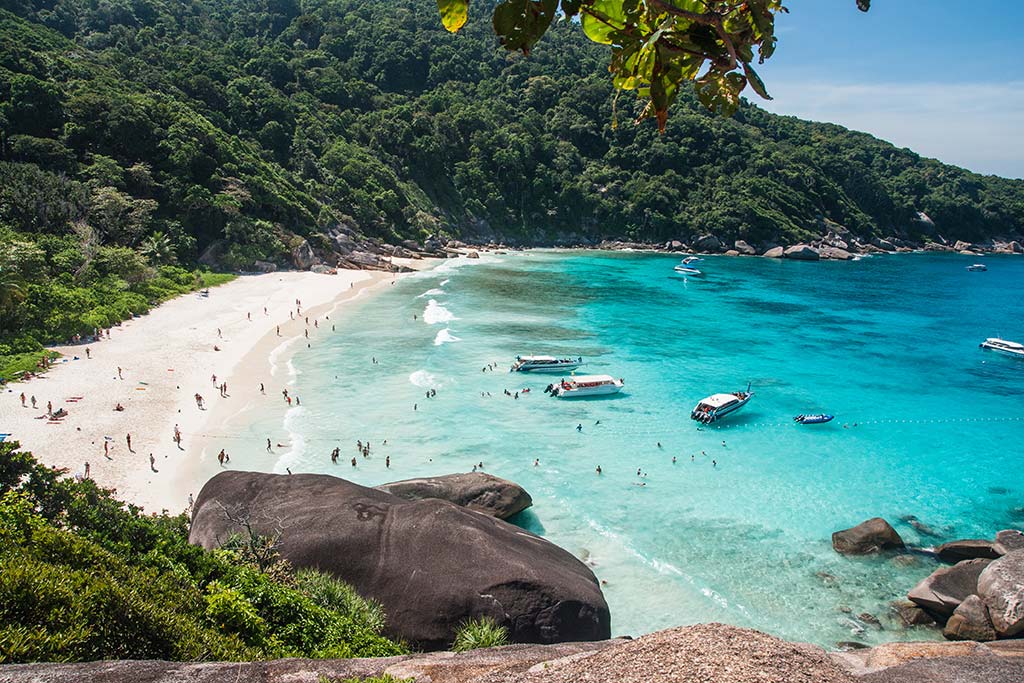
The west coast is usually at its best from November to April. During these months, seas are calmer, sunshine is more reliable, and boat trips are easier to plan.
If your dream includes Phuket, Krabi, or Koh Lanta, target December to March. From May to October, the monsoon affects this side more strongly, with rougher seas and frequent rain.
Koh Samui, Koh Phangan, and Koh Tao
The Gulf islands follow a different rhythm. They are often a better bet during the European summer, when the Andaman side is wetter. Their rainiest period typically comes later in the year.
For these islands, the most favorable window is often January to August, with especially good conditions in February, March, and July. October to December can be wetter here than on the west coast.
Cheapest time to travel to Thailand
The lowest prices usually appear during the rainy season, especially from May to October. Flights and hotels can be cheaper, and major destinations are less crowded, though weather conditions may be less reliable.
If saving money matters more than perfect sunshine, look at May, June, or September. May is often a particularly good value month: rates begin to drop, crowds thin out, and the heaviest rains have not always fully arrived yet. It is the travel equivalent of getting the last slice of cake before everyone notices it’s still there.
Is 7 days enough for Thailand?
One week is enough for a satisfying first taste of Thailand, but not enough to see everything. The country is larger and more varied than many travelers expect, so a shorter trip works best with a focused itinerary.
With 7 days, it is realistic to combine:
- Bangkok + one beach destination
- Bangkok + Chiang Mai
- Chiang Mai + southern islands if flights are well planned
If you have 10 to 14 days, the trip becomes much more balanced. You can include culture, food, nature, and beach time without feeling like you’re competing in an airport-based reality show.
How much budget do you need?
Thailand can suit many budgets, from backpacker-friendly to luxury-heavy. Costs depend on the season, destinations, flight choices, and travel style. A very high budget is more than enough for a long and comfortable trip.

For context, $30,000 is far more than enough for a Thailand trip for most travelers, even for an extended stay with upscale hotels, domestic flights, guided activities, and beach resorts. A comfortable mid-range trip often costs only a fraction of that.
Typical daily budgets can look like this:
- Budget travel: $35–70 per day
- Mid-range travel: $80–180 per day
- Higher-end travel: $200+ per day
Choosing the right time for your travel style
The ideal moment to go depends on your priorities. Some travelers want perfect beach weather, others prefer cultural festivals, lower prices, or fewer crowds. Matching the season to your style leads to a better overall trip.
- For beaches and islands: December to March on the Andaman coast; February to August for Gulf islands
- For cities and temples: November to February
- For fewer crowds: Late October, May, and June
- For budget-friendly travel: May to September
- For festivals: April for Songkran, November for Loy Krathong
Your Thailand timing, sorted
The most reliable months for a well-rounded trip are generally November to February, but Thailand can work nearly year-round if you choose the right regions. The key is not chasing one universal season, but matching the weather to your itinerary.
Whether you want temples in Bangkok, mountain views in Chiang Mai, or beach days in Krabi or Koh Samui, timing can make the difference between “great trip” and “why is my backpack still wet?”. If you’re ready to plan it properly, take a look at WeRoad group trips to Thailand and find the departure that fits your travel style.
FAQ
- What is the best month to go to Thailand?
-
For many travelers, January is one of the best months to visit Thailand because it combines dry weather, manageable temperatures, and good conditions in many regions, especially Bangkok, Chiang Mai, and the Andaman coast.
- What is the cheapest time to visit Thailand?
-
The cheapest period is usually during the rainy season, especially from May to September. Hotel prices are often lower, flights can be cheaper, and popular destinations are less crowded.
- What is the hottest month in Thailand?
-
April is generally the hottest month, with very high temperatures across much of the country. It is also the month of Songkran, which makes the heat a bit more fun and a lot wetter.
- Is 7 days enough for a Thailand trip?
-
Yes, 7 days is enough for a short and enjoyable trip if you focus on one or two areas. A common route is Bangkok plus one beach destination or Bangkok plus Chiang Mai.
- When should I avoid going to Thailand?
-
If you want the lowest chance of rain, avoid September and early October in many parts of the country. If you dislike extreme heat, April may also be less comfortable, especially in cities.
- Is Thailand good in summer?
-
Yes, but it depends on where you go. During June to August, the Gulf islands such as Koh Samui, Koh Phangan, and Koh Tao often have better weather than the Andaman coast.
