In a nutshell
- The most popular times to visit Tokyo are spring and autumn: late March to early April is ideal for cherry blossoms, while late October and especially November offer mild temperatures, lower humidity and beautiful autumn foliage.
- Winter is the best option for fewer crowds and better value: January and February are generally quiet, dry and sunny, with cool but manageable temperatures that make sightseeing comfortable if you dress in layers.
- Summer suits travelers who prioritize festivals over comfort: June brings the rainy season, and July to August can be very hot and humid, but this is also when Tokyo hosts major fireworks, matsuri and lively seasonal events.
- Some weeks are better avoided regardless of season: Golden Week, Obon and the New Year holiday period can significantly increase domestic travel, accommodation demand and congestion at stations and popular attractions.
- The right trip length for Tokyo is usually 4 to 6 days or more: this gives enough time to see key neighborhoods, seasonal highlights and a few slower moments, with autumn being the easiest all-round season and spring the most iconic but crowded.
Tokyo is one of those cities that somehow manages to be futuristic, traditional, chaotic and soothing all at once. The timing of your trip can shape the whole experience: one month brings sakura picnics and pastel parks, another gives you crisp air, fiery foliage and far fewer elbows in your ramen line.
There is no single perfect season for everyone. The right moment depends on whether you want cherry blossoms, mild weather, lower prices, seasonal festivals or quieter streets. The good news? Tokyo works year-round. The even better news? With a little planning, it can really work in your favor.
At a glance: the best period for Tokyo
For most travelers, the most rewarding times are late March to early April for cherry blossoms and late October to November for autumn leaves and comfortable weather. If you prefer fewer crowds and better value, look at mid-January to February or the second half of May.
If you want the short version, here it is: spring is the most iconic, autumn is the most balanced, winter is the quietest, and summer is the boldest. Tokyo in July and August can feel like you are sightseeing inside a warm bowl of soup, but festivals and fireworks do their best to make up for it.
| Season | Best for | What to expect |
|---|---|---|
| Spring (Mar-May) | Cherry blossoms, parks, classic first trip | Mild weather, rising crowds, peak prices around sakura |
| Summer (Jun-Aug) | Festivals, fireworks, nightlife | Rainy season in June, then heat and humidity |
| Autumn (Sep-Nov) | Foliage, walking, balanced conditions | Comfortable temperatures, beautiful colors, moderate crowds |
| Winter (Dec-Feb) | Low season, clear skies, savings | Cool and dry, festive lights, fewer tourists |
Spring in Tokyo: cherry blossom season and lively energy
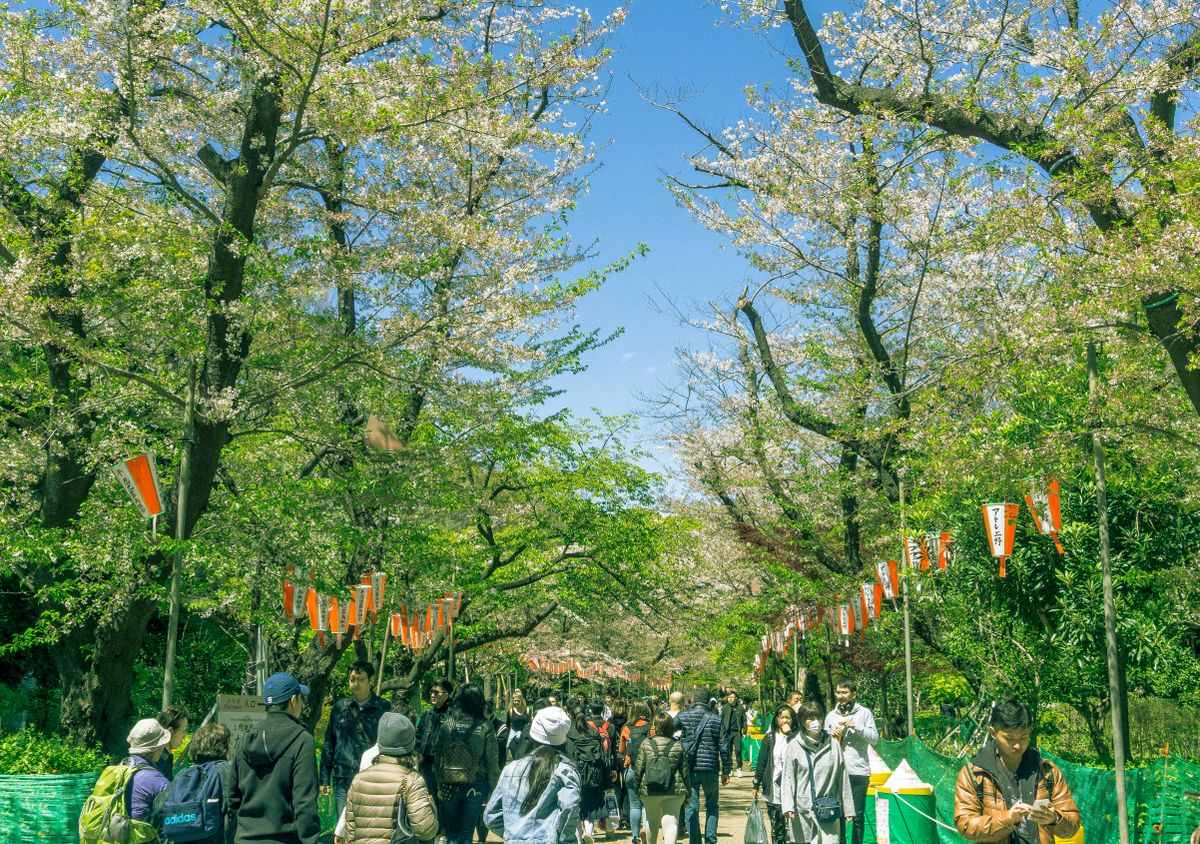
Spring is the city’s most famous season because temperatures are pleasant and the bloom window creates unforgettable scenery. Expect the highest demand from late March through early April, when parks, riversides and gardens turn pink and hotel prices jump accordingly.
This is when Tokyo gets its cinematic filter. Ueno Park, Shinjuku Gyoen, Meguro River and Chidorigafuchi become prime hanami territory. It is gorgeous, romantic and wildly popular, which means “quiet blossom stroll” can quickly become “shared blossom shuffle.” Still worth it? Absolutely.
When do cherry blossoms usually bloom?
The bloom usually starts in late March and peaks in the first week of April, but the exact timing changes each year. Checking the seasonal forecast before booking is essential if sakura is your main reason for going.
If flexibility is on your side, aim for a travel window that includes a few days before and after the predicted peak. Sakura are famously fleeting, and Tokyo likes to keep travelers humble. One cold snap, one warm week, one rainy day, and suddenly your blossom strategy becomes a character-building exercise.
Best spring weeks if you want beauty without peak chaos
The second half of April and much of May offer excellent weather with fewer international tourists than the blossom peak. This is a smart compromise for travelers who want spring atmosphere without the full crush.
After the petals fall, Tokyo stays lovely. Gardens are green, temperatures are comfortable, and the city feels more breathable. Avoid Golden Week, usually from late April into early May, because domestic travel surges and transport and accommodation can become much busier.
Autumn in Tokyo: the most comfortable all-round choice
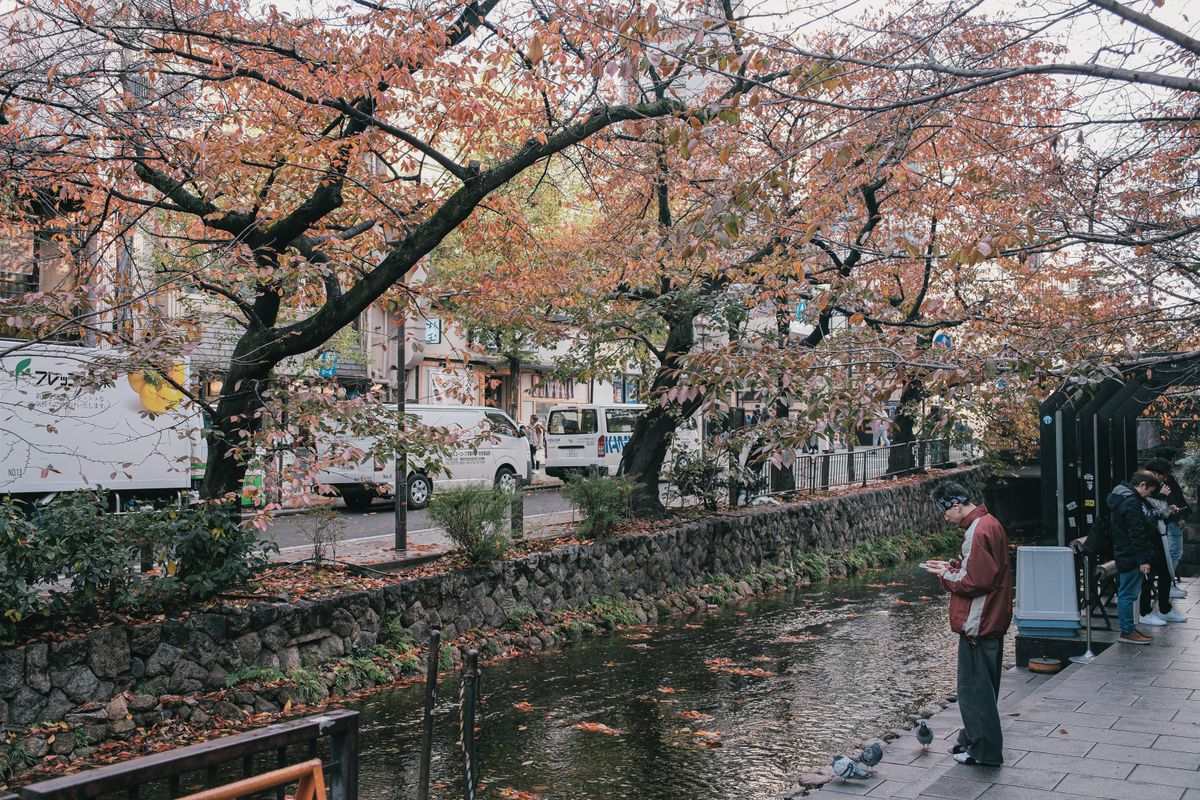
Autumn is often the best-balanced season thanks to cooler air, lower humidity and vivid foliage. From late October through November, Tokyo becomes easier to explore on foot, and the city’s gardens and avenues show off in red, amber and gold.
If spring gets all the postcards, autumn quietly steals the show. This is the season for long walks in Rikugien, Koishikawa Korakuen, Yoyogi Park and the golden ginkgo avenue at Meiji Jingu Gaien. You can actually enjoy being outside all day without needing three outfit changes and a motivational speech.
When to catch autumn leaves
In Tokyo, foliage usually peaks from mid-November to early December. Late October can already feel great for sightseeing, but the stronger colors generally arrive in November.
This period suits travelers who want seasonal scenery but do not want to gamble on the tiny cherry blossom window. It is also ideal for mixed itineraries: neighborhoods by day, gardens in the afternoon, izakaya at night, repeat as needed in the name of research.
Winter in Tokyo: clear skies, festive lights and fewer crowds
Winter is one of the most underrated times to visit because the weather is often dry, sunny and manageable. January and February are especially good for travelers who value lower prices, shorter lines and a calmer city rhythm.
Tokyo winters are cool rather than extreme. Daytime temperatures often hover around 10°C (50°F), with colder mornings and evenings. Snow is possible but usually limited. In other words, you are more likely to need a warm coat than survival skills.
This season also brings illuminations in areas like Marunouchi, Roppongi and Tokyo Midtown. The city feels polished, sparkly and oddly elegant. Just keep in mind that the New Year holiday period can affect opening hours, especially from late December to the first days of January.
How cold does Tokyo get in winter?
The coldest months are January and February, with average lows around 1-2°C (34-36°F) and highs near 10°C (50°F). It is chilly, but still very workable for sightseeing with layers.
If you are coming from a place where winter means scraping ice off your soul, Tokyo will feel fairly gentle. If you are coming from eternal sunshine, pack gloves and prepare to look suspiciously at the wind for a few days.
Summer in Tokyo: festivals, fireworks and serious humidity
Summer is best for travelers who care more about atmosphere and events than comfort. June starts the rainy season, while July and August bring heat, humidity and big seasonal festivals.
Let’s be honest: summer in Tokyo is not subtle. It is hot, sticky and committed to the bit. But it is also when the city leans into matsuri, lanterns, yukata, and fireworks along the Sumida River. If you can handle the weather, the payoff is memorable.
June is usually warm but wetter. July and August are the toughest for midday sightseeing, so plan outdoor activities early or late and use museums, cafés, department stores and observation decks as strategic cooling zones. Hydration is not optional; it is your travel companion.
When Tokyo is least crowded
The quietest stretches are usually mid-January to February, excluding the New Year period, and parts of late May, June and September. These windows can offer better hotel availability and a more relaxed pace at major sights.
Crowd levels in Tokyo depend not only on international tourism but also on domestic holidays and school breaks. That means avoiding Golden Week, Obon in mid-August and the New Year period can make a big difference even if the weather looks tempting on paper.
| Travel style | Best time | Why |
|---|---|---|
| First-time trip | Late March to April or November | Iconic scenery and easy sightseeing |
| Lower budget | January to February | Generally lower prices and fewer tourists |
| Fewer crowds | Late January, February, late May | More breathing room at popular attractions |
| Festivals and energy | July to August | Fireworks, matsuri and summer nightlife |
| Best walking weather | October to November | Cooler, drier and more comfortable |
How many days in Tokyo is enough?
For a satisfying first trip, 4 to 6 days in Tokyo is a strong minimum. If Tokyo is part of a wider Japan itinerary, many travelers stay around one week in the capital before moving on.
That gives you enough time for the classics, a few slower neighborhood days, and maybe one day trip. If you only have two days, Tokyo will still dazzle you, but it will do so while laughing softly as you sprint between train lines.
Month-by-month quick guide
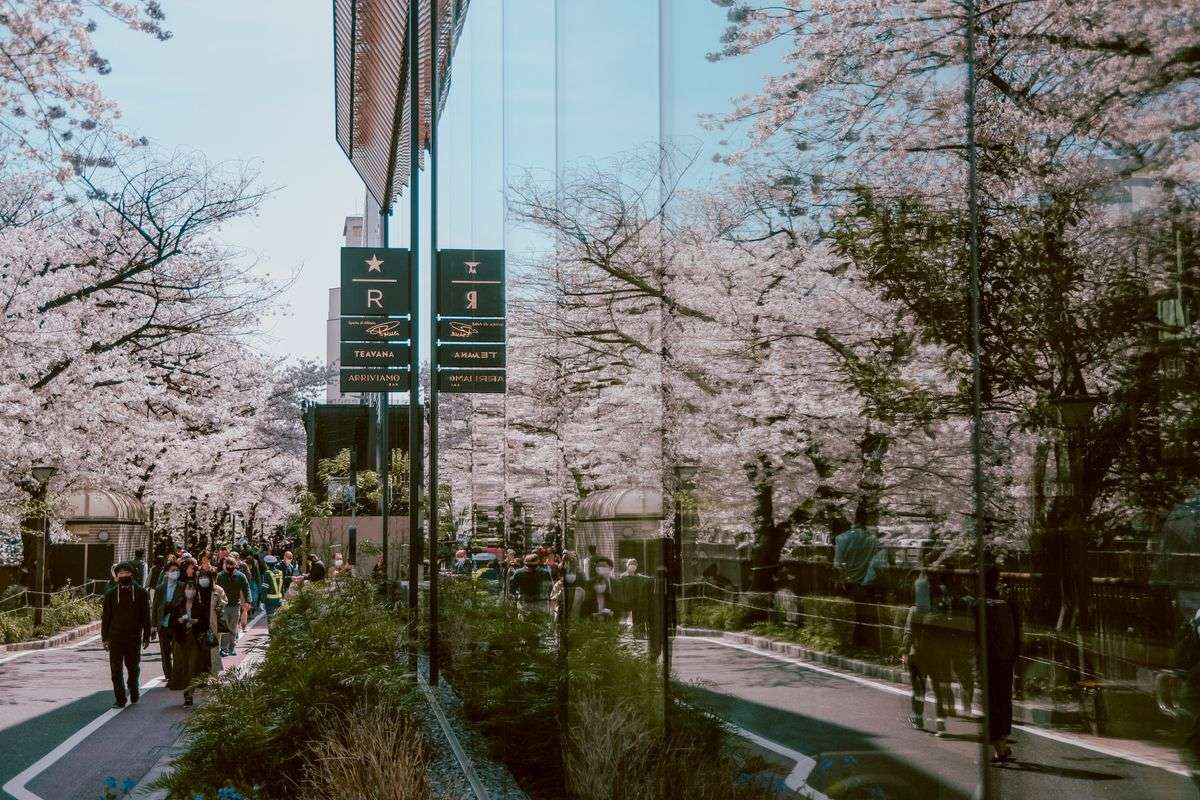
Tokyo has four distinct seasons, and each month shifts the balance between weather, prices and crowd levels. Understanding the yearly rhythm helps you choose a trip that matches your priorities, not just the prettiest Instagram reel.
- January: Cold, dry, low season after New Year
- February: Quiet, crisp and budget-friendly
- March: Warming up; blossom forecasts become important
- April: Peak sakura season and major crowds early in the month
- May: Excellent weather, except around Golden Week
- June: Start of rainy season, fewer tourists
- July: Hot, humid, lively festivals
- August: Hottest month, fireworks and Obon travel rush
- September: Still warm, possible typhoon risk, thinner crowds
- October: Pleasant and increasingly comfortable
- November: Peak foliage and some of the best city weather
- December: Cool, bright and festive, especially early in the month
The WeRoad tip
Match the season to the kind of trip you actually want
Our Japan travel data shows a very clear pattern: spring is the favorite season, with 31% of WeRoad travelers leaving in March and April, and April alone accounting for 19%. No surprise there: cherry blossom season has main-character energy, and Tokyo fully leans into it. But there’s another useful takeaway hidden in the numbers. August comes next at 18%, which means plenty of travelers are happy to trade mild weather for summer festivals, long days and a more electric city vibe. Meanwhile, October and November together make up 15%, confirming autumn as a smart choice for those who want beauty with a little more breathing room.
One more thing: 82% of WeRoad trips to Japan last 9 to 11 days. That’s a sweet spot if you want to give Tokyo the time it deserves and still pair it with other stops in Japan. In practical terms, if you dream of sakura, book early and commit. If you care more about comfort and balance, autumn may quietly win your heart. And if you are the kind of traveler who says “I can handle a bit of heat” with suspicious confidence, summer is waiting for you.
So, when should you go?
The ideal timing depends on what matters most to you. Choose late March to early April for cherry blossoms, November for the best overall balance, and January or February for quieter, more budget-friendly city breaks.
If your dream is a once-in-a-lifetime sakura trip, go in spring and book early. If you want comfort, colors and fewer logistical headaches, autumn may suit you better. And if you secretly enjoy having a little extra elbow room on the metro, winter might be your unexpectedly brilliant pick.
Whenever you decide to go, Tokyo rewards curiosity in every season. And if you want to experience Japan with the right mix of freedom, fun and like-minded travel buddies, take a look at the WeRoad group trips to Japan and start planning your adventure.
FAQ
- Is $10,000 enough for a week in Japan?
-
Yes, much more than enough for most travelers. A week in Japan can be done on a moderate budget or in full luxury, but $10,000 comfortably covers flights, hotels, food, transport and activities for Tokyo and beyond.
- How many days in Tokyo is enough?
-
For a first visit, 4 to 6 days is a solid amount of time. It lets you explore major districts, parks, museums, food spots and possibly add a day trip without turning the trip into a race.
- How cold does Tokyo get in the winter?
-
Winter in Tokyo is usually cool rather than severe. In January and February, average daytime highs are around 10°C (50°F), while nighttime lows often sit around 1-2°C (34-36°F).
- What are the seasons in Japan by month?
-
Spring runs from March to May, summer from June to August, autumn from September to November, and winter from December to February. Tokyo follows this pattern clearly, with distinct changes in weather and scenery.
- What is the cheapest month to visit Tokyo?
-
January and February are often the most budget-friendly months, especially after the New Year holiday. Flights and hotels can be more affordable, and tourist crowds are generally lighter.
- Is November a good time to visit Tokyo?
-
Yes, November is one of the best months to go. The weather is usually mild and dry, and autumn foliage reaches its best colors in many gardens and parks across the city.