In a nutshell
- The most recommended period is May to September, with May, June and September offering the best balance of milder weather, long daylight hours, scenic touring conditions and good access to major attractions.
- June is the top month for daylight, making it ideal for ambitious itineraries, photography and road trips along the Wild Atlantic Way, while July and August are warmer but busier and often more expensive.
- Spring and early autumn are generally the smartest choices for travelers who want fewer crowds without giving up too much in terms of weather, landscape quality or open attractions.
- Winter works best for city breaks in places like Dublin, Belfast and Cork, but it is less suitable for exposed coastal routes, island excursions and long outdoor sightseeing days due to shorter daylight and rougher conditions.
- Timing matters by region: coastal icons such as the Cliffs of Moher, the Ring of Kerry and western driving routes are much more rewarding from late spring to early autumn, while urban experiences remain enjoyable year-round.
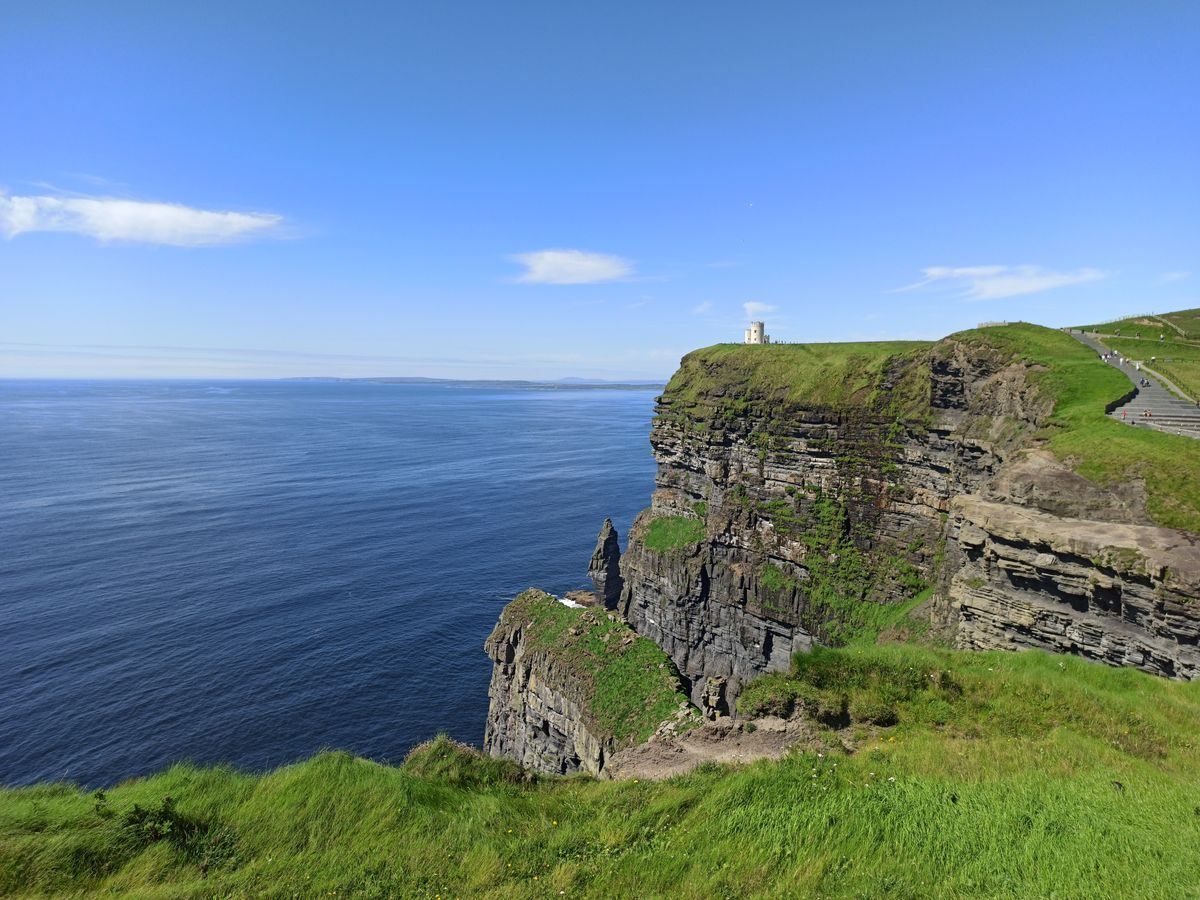
Ireland is one of those places that can look cinematic in almost any weather. A moody sky over the Cliffs of Moher, a sudden burst of sun on the Wild Atlantic Way, a pub that feels even cozier when rain taps the windows: it all works. Still, the time of year you choose can completely change your trip.
If you want the short answer, late spring to early autumn is usually the sweet spot. In particular, May, June and September offer a strong balance of milder weather, long daylight hours, open attractions and scenic road-trip conditions. July and August are great too, but they come with bigger crowds and higher prices.
When Ireland is at its best for most travelers
For most visitors, the most rewarding period is from May to September. These months combine the best chance of pleasant weather with long days and easier access to coastal drives, islands and countryside highlights. If you want a trip that feels flexible and full, this is the safest window.
That doesn’t mean Ireland suddenly turns into the Caribbean. It absolutely does not. The weather remains changeable year-round, and locals are basically raised to discuss clouds like sports analysts. But from late spring through early autumn, you’ll generally get:
- Longer daylight hours for sightseeing and road trips
- Milder temperatures, often around 15–20°C (59–68°F)
- Better access to outdoor attractions and ferries
- More lively towns, festivals and evening atmosphere
If your priorities are scenic drives, cliff walks, coastal villages and time outdoors, this is the period to target. It is also the most practical season for first-time visitors who want to combine Dublin with western and southern highlights.
The best months depending on your travel style
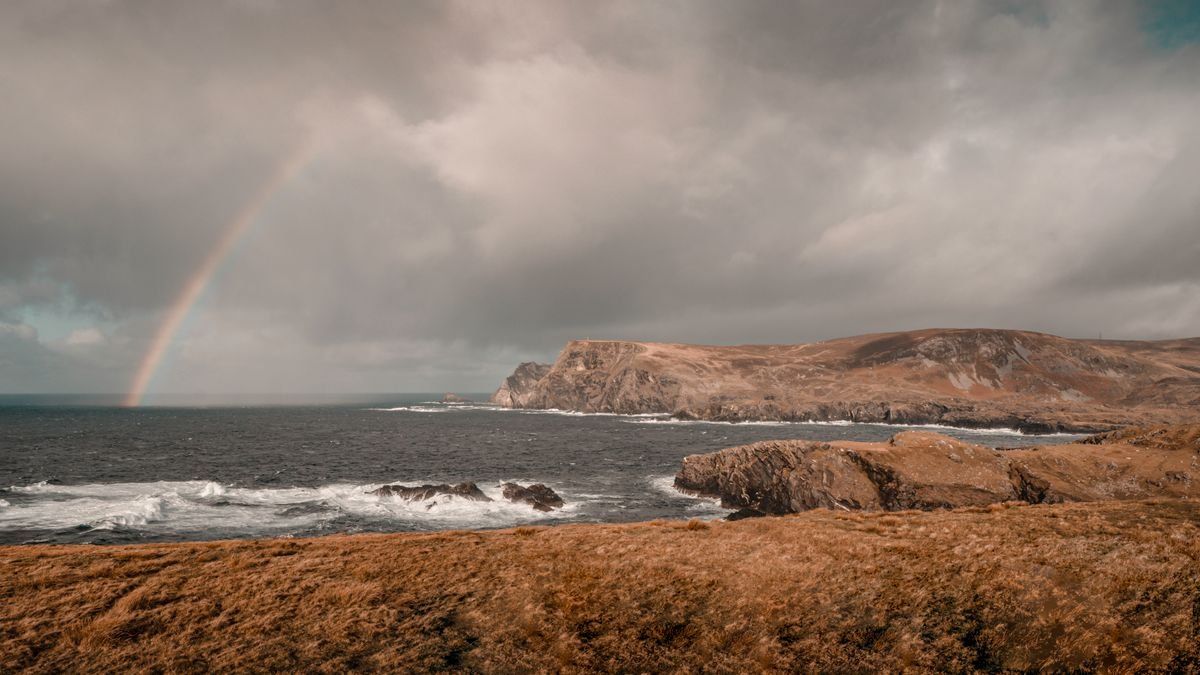
The ideal month depends on what matters most to you. Some travelers want the longest possible days, others want fewer people in their photos, and some simply want prices that don’t make their wallet file a formal complaint.
May: the all-round favorite
May is often the strongest all-around choice. It usually brings relatively settled weather, fresh green landscapes, long evenings and fewer crowds than high summer. It works especially well for road trips and for seeing a lot without feeling rushed.
Why May stands out:
- Drier conditions than many other months, on average
- Long daylight without peak-season intensity
- Good value compared with midsummer
- Spring scenery at its brightest and greenest
June: best for daylight and outdoor plans
June is ideal if you want maximum daylight and excellent conditions for long scenic days. Around the summer solstice, evenings stretch beautifully, giving you more time for drives, hikes and lazy dinners that somehow start at 5 and end at “sure, one more tea.”
This is one of the top months for the Wild Atlantic Way, the Ring of Kerry and county-hopping itineraries where daylight really matters.
July and August: warmest and busiest
July and August are the warmest months overall and are excellent for classic sightseeing. They are also the busiest, especially in places like Dublin, Galway, Killarney and the major coastal routes.
Choose these months if you want:
- The warmest average temperatures
- Full summer energy in towns and cities
- A broad range of tours, events and open attractions
Just book early. Accommodation in popular areas can disappear fast, and spontaneous summer planning in Ireland can become an expensive little adventure.
September: a smart shoulder-season pick
September is one of the most appealing times to go. The weather can still be mild, the landscapes remain lush and the summer rush starts to ease. For many travelers, it delivers the best mix of comfort, access and breathing room.
It is particularly good for couples, photographers and anyone planning a slower-paced trip through the countryside.
Season by season in Ireland
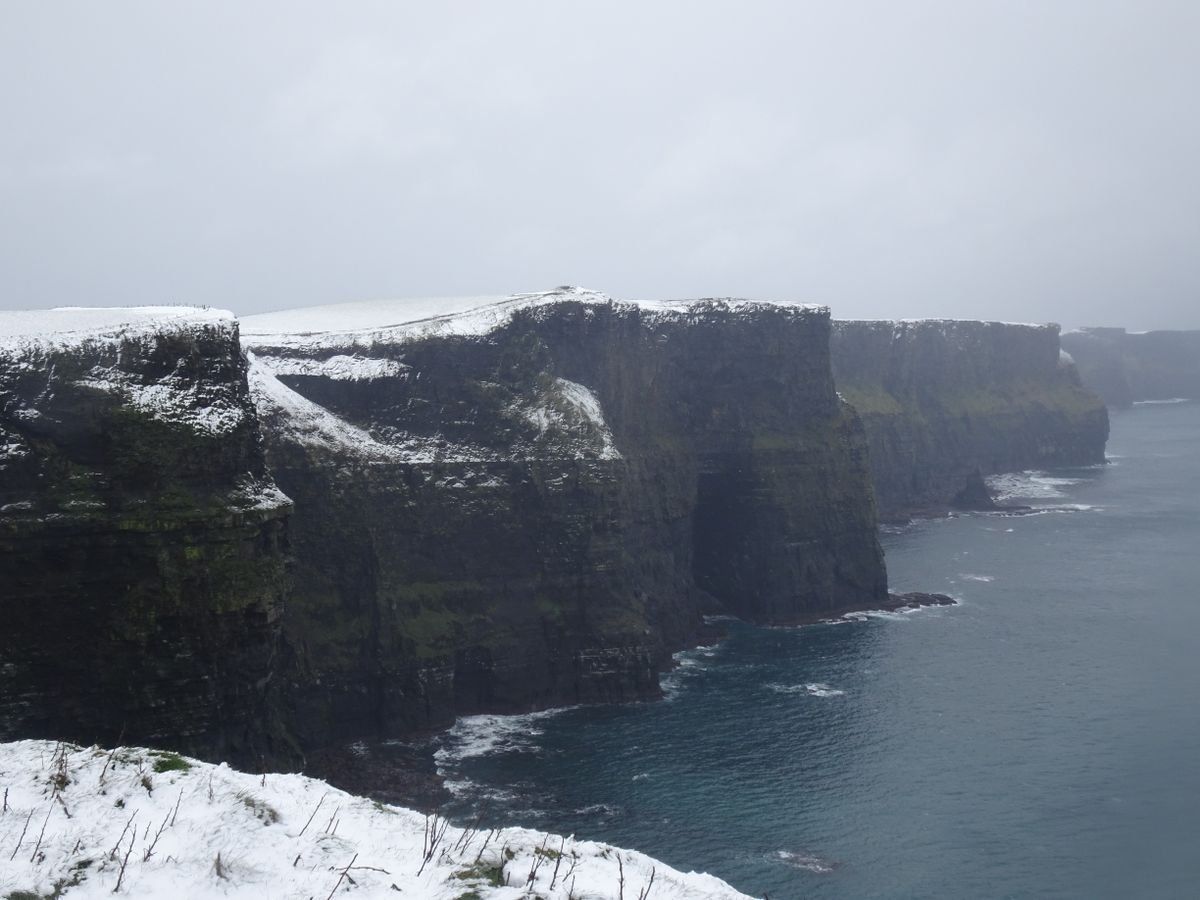
Each season in Ireland has a distinct rhythm. The biggest differences are daylight, wind exposure, attraction opening times and crowd levels. Knowing what shifts between seasons helps you choose more confidently than just hoping the weather app becomes a poet.
Spring in Ireland
Spring, especially April and May, is a strong choice for travelers who want green landscapes, lamb-filled fields and lighter crowds. Temperatures are still cool, but days become noticeably longer and road-trip routes feel more relaxed.
Best for:
- Scenic drives
- City-and-countryside combinations
- Walking in places like Connemara or Wicklow
Summer in Ireland
Summer, from June to August, is the most straightforward time to visit. Attractions are fully running, daylight is generous and coastal routes are at their most accessible. It is the best season for travelers who want to fit in a lot.
Best for:
- Wild Atlantic Way itineraries
- Cliff walks and island trips
- Pub-filled evenings in lively towns
Autumn in Ireland
Autumn starts beautifully in September and remains attractive into early October. Later in the season, weather becomes more unpredictable and daylight drops faster, but early autumn can still feel very rewarding.
Best for:
- Shoulder-season value
- Less crowded sightseeing
- Cozy city breaks with countryside add-ons
Winter in Ireland
Winter is best for travelers focused on cities, festive atmosphere and lower prices rather than outdoor touring. The countryside can still be dramatic, but strong winds, rain and short days limit what you can comfortably do.
Best for:
- Dublin, Belfast and Cork city trips
- Pubs, museums and food-focused travel
- Budget-conscious off-season escapes
Weather, crowds and daylight at a glance
The most useful way to compare months is to look at the big three: weather, daylight and crowd levels. In Ireland, a month with slightly cooler temperatures can still feel better overall if it gives you more light and fewer queues.
| Period | Weather | Daylight | Crowds | Best for |
|---|---|---|---|---|
| April-May | Mild, changeable, often relatively dry | Long and growing | Moderate | Road trips, first visits, scenic touring |
| June | Mild to pleasant | Very long | Busy | Outdoor travel, long itineraries, photography |
| July-August | Warmest period | Long | High | Classic summer trip, festivals, full access |
| September | Mild, variable | Still good | Moderate | Shoulder season, slower travel, couples |
| October-March | Cooler, wetter, windier | Short to very short | Low | City breaks, lower prices, cozy travel |
Where timing matters most in Ireland
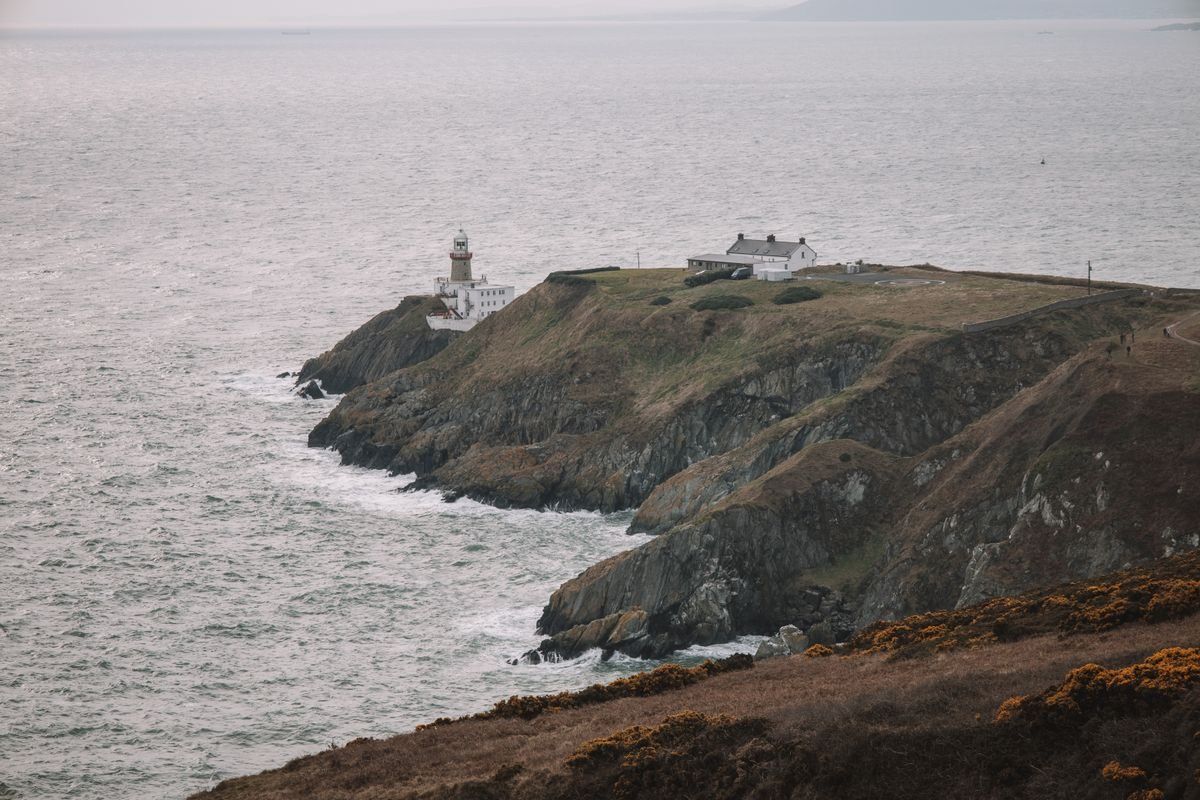
Some parts of Ireland are enjoyable year-round, while others are far better in the lighter, calmer months. Exposed coastal areas and island excursions are much more enjoyable from late spring to early autumn, when weather and transport are more reliable.
| Place | Best period | Why timing matters |
|---|---|---|
| Wild Atlantic Way | May-September | Longer days and better driving conditions on coastal routes |
| Cliffs of Moher | May-September | Better visibility and more comfortable walking conditions |
| Ring of Kerry | May-September | Road trip routes benefit from light evenings and calmer weather |
| Dublin | Year-round | Museums, pubs and neighborhoods work in every season |
| Galway | May-September | Its social and coastal atmosphere shines most in the warmer months |
Practical tips for choosing your dates
The smartest time to go depends on your route, pace and priorities. If you want to cover a lot of ground, longer days are more valuable than slightly lower prices. If you are city-focused, winter can still work surprisingly well.
- Pick May or September for the best overall balance.
- Choose June if daylight is your top priority.
- Book July and August early if you need peak summer.
- Avoid relying on winter for island trips or exposed coastal walks.
- Pack layers and waterproofs in every season, because Ireland likes plot twists.
So, when should you go?
If you want the clearest recommendation, aim for May, June or September. These months usually give you the most satisfying mix of scenery, daylight, accessibility and manageable crowds. For many travelers, they represent the best period for visiting Ireland without the trade-offs of winter or peak-summer congestion.
If your dream is a big scenic road trip, put late spring or early summer at the top of your list. If you prefer a more relaxed atmosphere, early autumn is excellent. And if all you want is live music, good food and pub coziness, Ireland will still charm you in the off-season too.
Ready to experience the Emerald Isle with like-minded travelers? Discover the WeRoad group trips to Ireland and find the itinerary that matches your season.
FAQ
- What is the best month weather-wise to visit Ireland?
-
For many travelers, May or June are the strongest choices. They usually offer a good mix of mild temperatures, relatively settled conditions and long daylight hours without the busiest summer crowds.
- Is September a good time to go to Ireland?
-
Yes, September is one of the best months to visit. The weather can still be pleasant, landscapes remain vibrant and popular places are generally less crowded than in July and August.
- When should I avoid visiting Ireland?
-
There is no season to completely avoid, but mid-winter is less suitable for travelers who want road trips, island visits and lots of outdoor sightseeing. Short days, wind and rain can make logistics harder.
- What is the cheapest time to travel to Ireland?
-
The cheapest period is usually late autumn through winter, excluding Christmas and New Year. You may find lower prices on flights and hotels, especially for city breaks.
- Which part of Ireland is most beautiful for a first trip?
-
For many first-time visitors, the combination of Dublin with the west coast, especially Galway, the Cliffs of Moher and sections of the Wild Atlantic Way, offers the most varied and memorable introduction.
- Which US cities fly nonstop to Ireland?
-
Nonstop flights to Ireland are commonly available from major US hubs such as New York, Boston, Chicago, Washington, DC and sometimes other seasonal gateways. Routes vary by airline and time of year, so it is worth checking current schedules before booking.