
In a nutshell
- Spring and early autumn are the most balanced periods for traveling in Portugal, thanks to mild temperatures, longer days, and fewer crowds than in peak summer.
- Summer is best for the Algarve and beach holidays, especially in July and August, but this is also when prices rise sharply and coastal destinations get very busy.
- Winter is the most budget-friendly season, particularly in January, February, and November, and suits travelers interested in city breaks, museums, food, and a quieter atmosphere.
- Regional differences matter a lot: the north is cooler and wetter, the Algarve is sunnier, the Alentejo gets extremely hot in summer, and the Douro is excellent around harvest time.
- May, June, September, and October stand out as the easiest all-round choices for combining cities, coast, countryside, and good overall travel conditions.
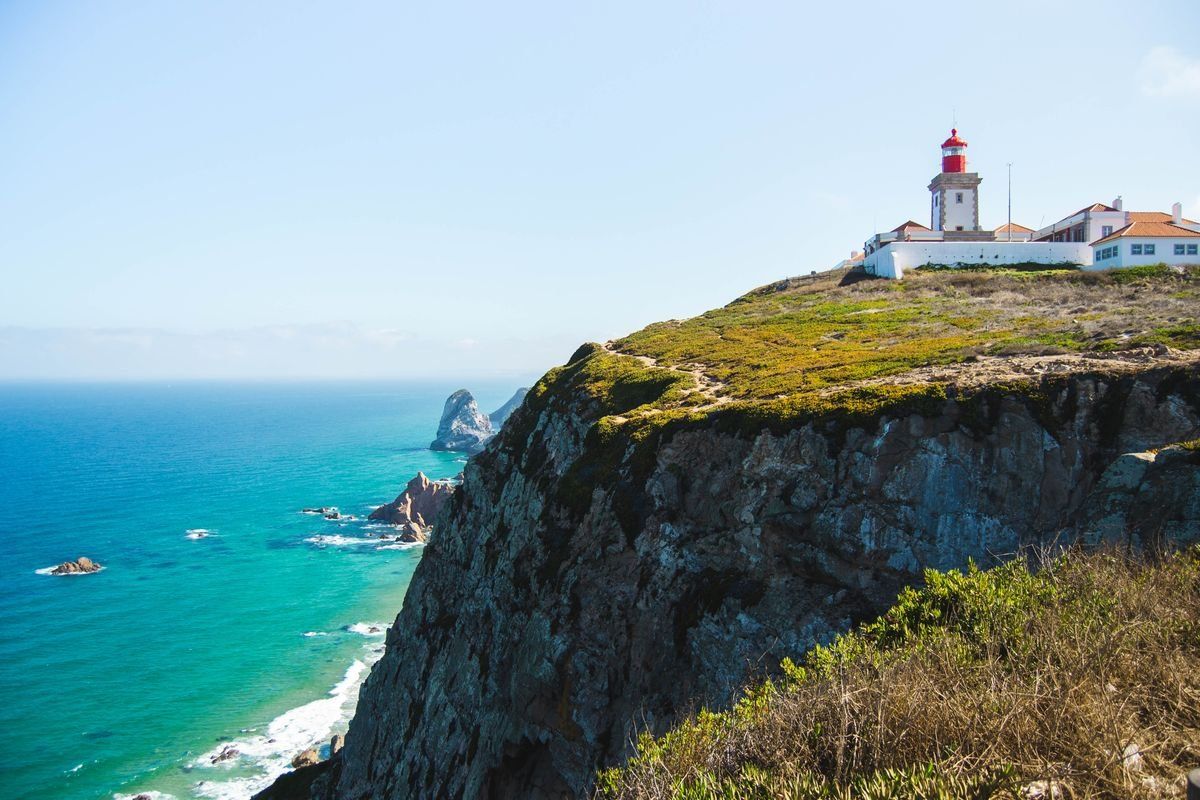
Portugal is one of those rare places that works in almost every season. You can wander through Lisbon under spring sunshine, hit the beaches of the Algarve in summer, sip wine in the Douro Valley in autumn, or enjoy quieter city breaks in winter. The right moment to go depends less on the country itself and more on the kind of trip you want.
That’s the good news: there isn’t a single perfect answer. The even better news? You can absolutely avoid melting on a hill in Porto, overpaying for a beach hotel in August, or packing flip-flops for a rainy January by planning smartly. Below, you’ll find a practical month-by-month breakdown, plus tips on weather, crowds, prices, and which regions shine at different times of year.
Portugal at a glance: when to go for weather, crowds, and budget
Spring and early autumn are usually the most balanced times to travel around Portugal. You’ll get mild temperatures, longer days, and fewer crowds than peak summer. Winter is often the cheapest period, while July and August are best for beaches but also bring higher prices and busier resorts.
Portugal’s climate changes by region more than many travelers expect. The north is cooler and wetter, the center is mild, the Alentejo gets very hot in summer, and the Algarve enjoys some of the country’s sunniest weather. So yes, one person’s dreamy beach week can be another person’s “why is my backpack fused to my spine?” moment.
| Season | What to expect | Best for |
|---|---|---|
| March to May | Mild weather, flowers, manageable crowds | City breaks, road trips, hiking, sightseeing |
| June to August | Hot, lively, expensive on the coast | Beach holidays, festivals, nightlife |
| September to October | Warm days, sea still pleasant, fewer tourists | Balanced trips, wine regions, coastal escapes |
| November to February | Cooler, wetter, quieter, lower prices | Budget travel, museums, city weekends |

Month-by-month guide to visiting Portugal
Each month offers a slightly different version of Portugal. The best choice depends on whether you care most about beaches, festivals, hiking, city sightseeing, or saving money. In general, May, June, September, and October are the easiest all-rounders for most travelers.
January
January is quiet, cooler, and often rainy, especially in the north and along the coast. It’s a good month for a low-key city break, but not the one to choose if your dream is endless beach time and dramatic swimsuit entrances.
Lisbon and Porto are calmer after the holidays, with lower accommodation rates and fewer lines at major sights. Daylight is shorter, so it helps to keep your itinerary flexible and focus on food, museums, neighborhoods, and scenic viewpoints between showers.
February
February stays cool and relatively quiet, though temperatures remain milder than in much of Europe. It can be a smart option for budget-conscious travelers who want an urban escape without peak-season prices.
This is also carnival season in some areas, bringing a more festive atmosphere. Coastal weather can be unpredictable, but city trips still work well. Pack layers, waterproof shoes, and a healthy respect for slippery cobblestones.
March
March marks the start of spring and is one of the most underrated times to travel in Portugal. Temperatures begin to rise, landscapes get greener, and tourist numbers are still fairly low.
It’s an excellent month for exploring Lisbon, Sintra, Porto, and even the Alentejo. If you want pleasant sightseeing weather without summer intensity, March offers a strong balance of comfort and value.
April
April brings mild conditions and longer days, making it a strong choice for first-time visitors. Rain is still possible, but overall the country starts to feel more open, colorful, and ready for long walks.
This is a great moment for combining cities with smaller towns or countryside stops. Easter week can bring more domestic travel and busier destinations, so booking ahead is wise if your dates overlap with holiday periods.
May
May is one of the most rewarding months to visit. Temperatures are warm but usually not too hot, outdoor activities are easy, and the summer rush has not fully arrived yet.
It works especially well for multi-stop itineraries across Lisbon, Porto, the Douro Valley, and the coast. Beaches may still feel fresh for swimming in some areas, but for sightseeing and road-tripping, May is top-tier material.
June
June offers long days, lively cities, and generally excellent weather. It’s one of the best times for travelers who want a fun atmosphere without the full intensity of late summer crowds.
Lisbon’s June festivals, especially around St. Anthony’s Day, give the capital extra energy, while Porto gears up for São João. Expect warm evenings, outdoor dining, and a strong temptation to pretend you could move there permanently after three sardines and one sunset.
July
July is hot, sunny, and busy, especially in coastal areas. It’s ideal for beach-focused holidays, but less comfortable for travelers planning long city walks or inland routes in the afternoon heat.
The Algarve is in full summer mode, with high demand and rising prices. Book well in advance if you want seaside accommodation. Inland regions, particularly the Alentejo, can be very hot during this period.
August
August is peak holiday season in Portugal. Beaches, resorts, and major attractions are at their busiest, and prices often hit their highest point of the year.
If you want the classic summer experience, this is the month for it. If you prefer quiet streets and spontaneous hotel deals, absolutely not. Focus on the coast, expect crowds, and reserve transport and stays as early as possible.
September
September is one of the strongest months for a trip across Portugal. The weather stays warm, the sea is pleasant after summer, and the biggest crowds start to ease.
It’s ideal for a mix of cities, beaches, and wine regions. The Douro Valley is especially appealing around harvest season, while the Algarve still feels summery without the full August frenzy.
October
October remains a very good choice for comfortable travel. Early in the month, many regions still enjoy warm days, while prices and crowd levels are generally lower than in summer.
This is a great time for scenic drives, food-focused travel, and slower itineraries. It also suits travelers who want to enjoy the coast without feeling like every beach towel in Europe has gathered in one place.
November
November is quieter, cooler, and wetter, particularly in the north. It’s better for relaxed cultural trips than for beach holidays or outdoor-heavy plans.
On the plus side, cities become more local again, and accommodation tends to be more affordable. If your priorities are atmosphere, museums, food, and lower costs, November can still be a smart pick.
December
December brings a festive atmosphere, shorter days, and mild but often damp weather. It’s a pleasant month for city breaks, especially if you enjoy Christmas lights, markets, and a slower rhythm.
Beach resorts are much quieter, and some seasonal businesses reduce services. For Lisbon and Porto, though, December can be cozy in the best sense of the word: less queueing, more wandering, and frequent pastry-based decision-making.
Which season is best for your travel style?
The most suitable season depends on what you want from your trip. Spring and autumn are best for most travelers because they combine comfortable weather with lower crowd pressure. Summer is strongest for the coast, while winter works for lower prices and quieter cities.
- For sightseeing: March to May and September to October
- For beaches: June to September, especially July and August
- For cheaper prices: November to February
- For festivals: June is particularly lively
- For wine regions: September and early October
Rainy season, prices, and regional differences
Portugal does not have a tropical rainy season, but late autumn and winter are the wettest periods. In most of the country, especially from November to February, you should expect more frequent rain and shorter days. The north is generally wetter than the south throughout the year.
For travelers on a budget, the cheapest months are usually January, February, and November, excluding holiday periods and major events. Summer, especially August, is the priciest time for coastal stays.
As for where to go, the “nicest” part of Portugal depends on your style:
| Region | Why visit | Best period |
|---|---|---|
| Lisbon | Culture, nightlife, viewpoints, day trips | March to June, September to November |
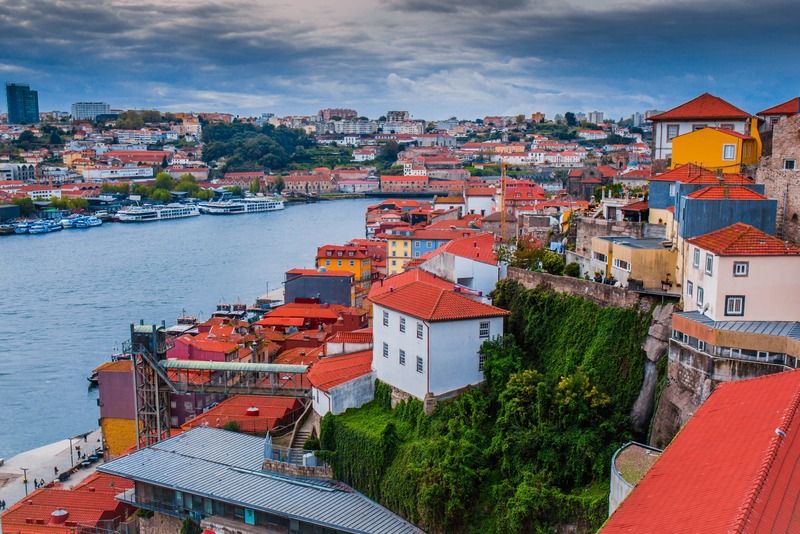
| Porto | Historic charm, food, river views, wine | April to June, September to October |
| Algarve | Beaches, cliffs, resort stays, boat trips | June to September |
| Douro Valley | Vineyards, landscapes, wine tourism | May to June, September to October |
| Alentejo | Villages, slow travel, countryside, food | March to May, October |
How to choose the right month for Portugal
The easiest way to decide is to match the month to your priorities. If you want the broadest travel flexibility, focus on May, June, September, or October. These months offer the best combination of pleasant weather, decent prices, and manageable crowds across multiple regions.
- Choose spring for active trips, city breaks, and scenic road travel.
- Choose summer for beach time, festivals, and long sunny days.
- Choose early autumn for warm weather with a more relaxed pace.
- Choose winter for lower costs, quieter cities, and cultural travel.
In short, Portugal is generous. It gives you sun, cities, coastline, wine country, tiled façades, dramatic viewpoints, and enough good food to make “just one more pastel de nata” a daily life philosophy.
If you’d like to experience Portugal with a fun crew and a well-planned itinerary, take a look at the WeRoad group trips to this destination and find the season that fits your travel style best.
FAQ
- What is the best month to travel around Portugal?
-
For most travelers, May and September are two of the strongest options. They usually offer warm, pleasant weather, fewer crowds than high summer, and good conditions for combining cities, beaches, and countryside.
- When is the rainy period in Portugal?
-
The wettest part of the year is generally late autumn through winter, especially from November to February. Rain is more frequent in the north and along the coast, while southern regions are often drier.
- What is the cheapest month to visit Portugal?
-
January and February are often among the cheapest months, as long as you avoid holiday spikes. Accommodation prices are lower, especially compared with peak summer on the coast.
- Is Portugal too hot in summer?
-
It can be, particularly inland and in the Alentejo. Coastal destinations are more manageable thanks to Atlantic breezes, but July and August can still feel very hot for sightseeing in cities.
- Which part of Portugal is best for a first trip?
-
A classic first itinerary includes Lisbon, Porto, and either the Algarve or the Douro Valley. This mix gives you culture, food, scenery, and a strong introduction to the country’s different moods.