

In a nutshell
- ETIAS is a travel authorization, not a visa, created for visitors from visa-exempt countries such as the United States who travel to participating European countries for short stays.
- U.S. travelers do not need ETIAS yet if the system is not officially live, and the safest move is to rely only on the official EU website for launch dates and application access.
- The authorization is expected to apply mainly to Schengen-area travel, including countries like France, Italy, Spain, Germany, Portugal, and also associated states such as Norway and Switzerland, while non-Schengen countries may follow different rules.
- The process should be online and relatively quick, requiring a valid passport, email address, payment card, and accurate personal and travel information; approved authorizations are expected to be linked electronically to the passport.
- ETIAS supports short stays of up to 90 days in any 180-day period and does not allow long-term study, work, or residence, which generally require a separate visa or permit.
Europe has long been the easy yes for U.S. travelers: a passport, a rough itinerary, and a very optimistic idea of how many cities you can “do” in ten days. But entry rules are changing. A new travel authorization called ETIAS will affect many visa-exempt visitors, including Americans heading to much of Europe for short stays.
Last checked: 19 November 2026. ETIAS has not launched yet and its start date can still change. Before you travel, always check the official EU ETIAS website.
The good news is that this is not a full visa process. The slightly less exciting news is that it’s still one more thing to remember before takeoff, right up there with adapters, travel insurance, and not booking a 6 a.m. layover after a wedding weekend. Here’s what matters most, in plain English.
What ETIAS is and why it matters
ETIAS is a pre-travel authorization for visitors from visa-exempt countries who want to enter many European countries for short stays. It is designed to strengthen border checks before arrival. For U.S. citizens, it adds an online step before departure, but it does not replace a passport or turn visa-free travel into a traditional visa process.
The acronym stands for European Travel Information and Authorisation System. Think of it as Europe’s version of a travel pre-screening system, similar in spirit to the U.S. ESTA. It is linked electronically to your passport and is intended for short trips such as tourism, business, transit, or certain medical visits.
That means if your plan is “Paris for croissants, Rome for carbonara, and Barcelona for vibes,” this is the kind of authorization that may apply to your trip. If your plan is to move, study long term, or work abroad, that is a different story entirely.
Do U.S. travelers need ETIAS yet?
At the moment, U.S. travelers do not need ETIAS to enter Europe yet. The system has been announced and delayed multiple times, and travelers should always check the official EU website for the latest rollout date before booking or flying.
This point matters because there are many unofficial websites online that make the whole thing sound urgent, active, and ready to buy immediately. If the system is not officially live, no one should be paying for it. Always verify the current status through the official EU travel portal rather than a reseller or third-party service.
Once ETIAS becomes operational, Americans visiting participating European countries for short stays will generally need to apply before traveling. Until then, normal current entry rules remain in place.
Who will need it and who is exempt
ETIAS is expected to apply to travelers from visa-exempt countries, including the United States, when they enter participating European countries for stays of up to 90 days in any 180-day period. Some travelers, however, are exempt based on nationality, residence status, or visa type.
In general, ETIAS is for people who currently travel without a short-stay visa. It is not aimed at EU citizens, and it is not meant for travelers who already need a Schengen visa.
- Likely to need ETIAS: U.S. citizens visiting for tourism, business, transit, or short non-work stays.
- Exempt: Citizens of EU countries and travelers who already hold a valid long-stay visa or residence permit issued by a participating European country.
- Also exempt from the fee: Applicants under 18 and over 70, though they may still need to apply.
If you hold dual nationality, a residence permit, or a long-stay visa in Europe, your situation may be different. In that case, it is worth checking the official rules carefully before your trip rather than relying on your cousin’s “pretty sure that’s fine” travel advice.
Which countries are covered
ETIAS applies to many countries in the Schengen Area and some associated European states. It does not cover every country in Europe, so travelers should confirm whether each destination on their itinerary is included.

This is where many travelers get tripped up. “Europe” is not a single immigration zone. Some countries are part of the Schengen Area, some are in the EU but not Schengen, and some are neither. So yes, geography is easy, but border policy likes drama.
Below is a practical overview of countries commonly associated with ETIAS travel planning.
| Category | Examples | What to know |
|---|---|---|
| Schengen countries | France, Italy, Spain, Germany, Greece, Portugal, Netherlands | ETIAS is expected to apply for eligible non-EU travelers on short stays. |
| Associated Schengen states | Norway, Switzerland, Iceland, Liechtenstein | Not all are in the EU, but ETIAS is expected to apply. |
| Non-Schengen European countries | Ireland, Serbia, Albania | Different entry rules may apply; ETIAS does not automatically cover them. |
If your itinerary mixes Schengen and non-Schengen destinations, check each country individually. A dreamy multi-stop trip can become less dreamy if you assume one travel authorization covers everything.
How ETIAS is different from a Schengen visa
ETIAS is not a visa. It is a travel authorization for people who are already allowed to visit participating European countries without a visa for short stays. A Schengen visa, by contrast, is required for travelers from countries that are not visa-exempt.
That distinction is the core of the whole topic. ETIAS is lighter, faster, and typically cheaper than a visa process. It is meant for screening before travel, not for granting broader rights to stay, work, or live in Europe.
| Feature | ETIAS | Schengen visa |
|---|---|---|
| Who it is for | Visa-exempt travelers | Travelers who need a visa |
| Application method | Online | Embassy, consulate, or visa center |
| Purpose | Short stays for tourism, business, transit, medical reasons | Depends on visa type |
| Stay limit | Up to 90 days in 180 days | Depends on visa issued |
How the application process should work
The ETIAS application is expected to be completed online and should take only a short time for most travelers. Applicants will provide passport details, personal information, and answers to security-related questions, then pay the fee if applicable.
While the exact interface may evolve, the process is expected to be straightforward. Most travelers should be able to complete it without visiting a consulate or mailing documents.
What you will likely need
A valid biometric passport, an email address, and a payment card are the essentials for most applicants. The passport should remain valid and must be the same one used for travel, since the authorization is linked to it electronically.
- Valid U.S. passport
- Email address to receive updates and confirmation
- Debit or credit card for the application fee
- Basic travel and personal details
Information you may be asked to provide
Applicants can expect to share identity, passport, contact, and background information. Accuracy matters, because errors could delay approval or create problems at boarding or at the border.
- Full name, date of birth, and nationality
- Passport number, issue date, and expiration date
- Home address, phone number, and email
- Occupation and education details
- Travel plans and intended first country of entry
- Security, health, and background declarations
In other words, this is not the place for typos, creative spelling, or accidentally using the passport number from that expired passport you keep in a drawer “just in case.”
Cost, validity, and processing time
ETIAS is expected to involve a modest fee, remain valid for multiple trips, and usually be processed quickly. Even so, travelers should apply in advance rather than waiting until the last minute.
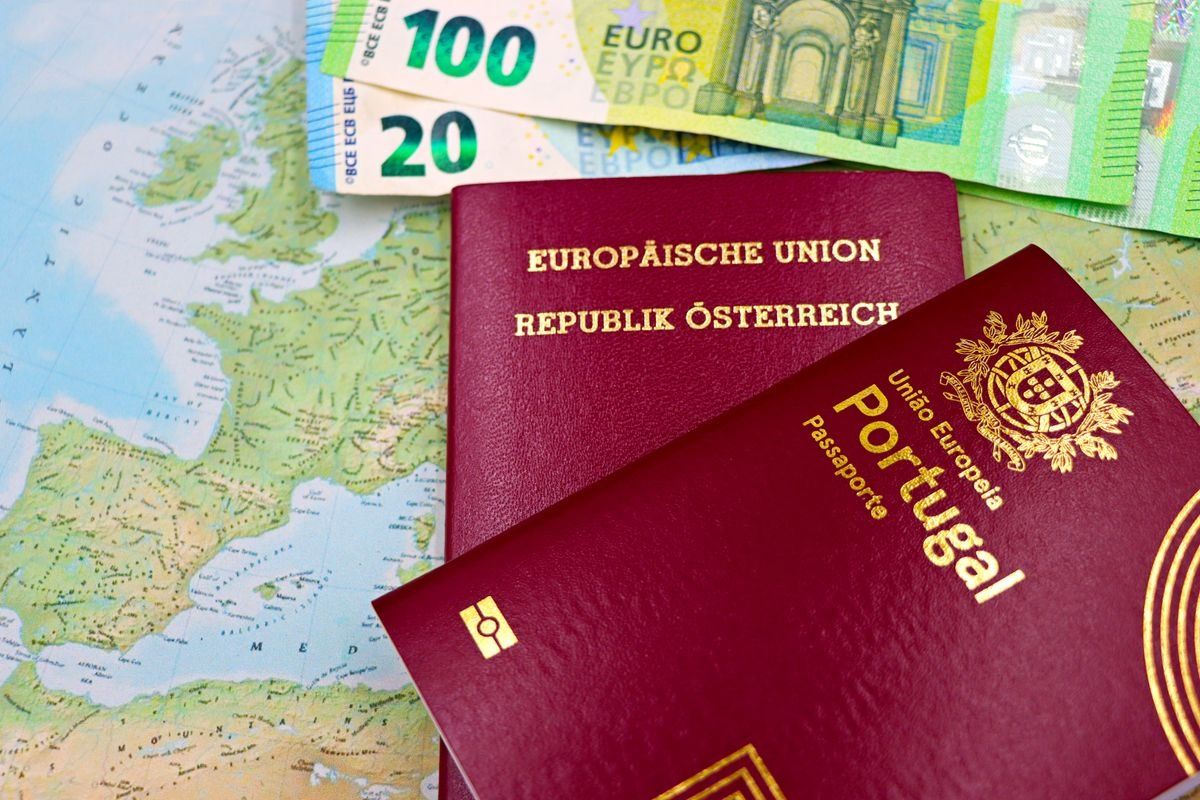
Current EU guidance has indicated a fee for many applicants, with some age-based exemptions. Once approved, the authorization is expected to be valid for up to three years, or until the passport used in the application expires, whichever comes first.
- Fee: Expected to apply to most adult travelers
- Fee exemption: Typically for travelers under 18 and over 70
- Validity: Up to 3 years, or until passport expiration
- Processing: Often expected within minutes, but some cases may take longer
A smart rule of thumb is to apply several days before departure once the system is live. Waiting until airport check-in is a bold travel strategy, but not the kind that deserves admiration.
The 90/180-day rule Americans should understand
ETIAS does not allow unlimited time in Europe. It supports short stays only, generally up to 90 days within any rolling 180-day period across participating countries.
This is one of the most important practical rules for U.S. travelers. The 90 days are not per country. They apply across the broader Schengen area as a whole. So a month in Italy, a month in France, and a month in Spain can use up the same allowance.
If you want to stay longer than 90 days, work, enroll in long-term study, or relocate, you will usually need a national visa or residence permit from the country where you plan to stay. ETIAS will not cover that kind of trip.
What happens at the border
An approved ETIAS does not guarantee entry. Border officers can still ask questions and verify that you meet entry conditions, including the purpose and length of your stay and the validity of your passport.
That means travelers should still carry themselves like organized adults, even if their suitcase contents suggest otherwise. Be prepared to show:
- Your valid passport
- Proof of onward or return travel, if requested
- Accommodation details or trip plans
- Evidence of sufficient funds, in some cases
Most legitimate tourists will breeze through, but the travel authorization is only one part of the broader border check process.
Planning ahead without overcomplicating it
The best approach is simple: follow official updates, apply only through the real EU channel when the system opens, and make sure your passport is valid well before your trip. For most Americans, that will be enough to keep Europe travel smooth.
If you are dreaming of hopping between iconic capitals, coastal villages, and mountain escapes, ETIAS should be a manageable extra step, not a reason to panic. A little prep now can save you from frantic gate-side googling later.
And if Europe is calling your name, it might be the perfect time to discover WeRoad group trips in Europe and let the adventure start with the fun part: choosing where to go first.
FAQ
- Will Americans need ETIAS for every trip to Europe?
-
Not necessarily every trip to every European country. ETIAS is expected to apply to participating countries, mainly in the Schengen area. If you travel only to countries outside that system, different rules may apply.
- Can I enter multiple European countries with one ETIAS approval?
-
Yes, in most cases one valid authorization should allow multiple short trips to participating countries, as long as you respect the overall 90 days in any 180-day period rule.
- Do children need ETIAS too?
-
Yes, minors are generally expected to need their own authorization if they are from an eligible visa-exempt country, even if the application fee may be waived for younger travelers.
- Who is exempt from ETIAS?
-
EU citizens, travelers who already need a short-stay visa, and many people holding a valid long-stay visa or residence permit in a participating European country are generally exempt.
- What countries are in the Schengen Area?
-
The Schengen Area includes many popular destinations such as France, Italy, Spain, Germany, Greece, Portugal, the Netherlands, Austria, Belgium, and others, plus non-EU countries like Norway, Switzerland, Iceland, and Liechtenstein.
- Do Colombians need a visa for the EU?
-
For short stays, Colombian citizens are generally visa-exempt for the Schengen Area, but once ETIAS is operational they are expected to need that travel authorization for eligible trips, just like other visa-exempt travelers.