In a nutshell
- Colombia is not uniformly risky or uniformly safe: major destinations such as Cartagena, Medellín, Bogotá, and the Coffee Region are commonly visited, but each requires different levels of caution depending on neighborhood, time of day, and transport choices.
- The most common problems for tourists are urban and opportunistic: petty theft, phone snatching, express kidnappings, unofficial taxis, dating app setups, and drink-spiking incidents are far more relevant to visitors than the country’s old stereotypes alone.
- Some regions should be approached with extreme care or avoided: border zones, remote rural areas, and places affected by armed groups or unstable security conditions require checking official advisories before travel and often are not suitable for casual independent itineraries.
- Good habits make a major difference: pre-booked transport, discreet clothing, limited cash, secure ATM use, attention in nightlife settings, and reputable accommodations are among the most effective ways to reduce risk.
- Travel style shapes the experience: Colombia can be affordable and deeply rewarding, especially for travelers who plan well or join structured trips, but confidence should come from preparation rather than improvisation.
Colombia is one of those destinations that sparks two reactions at once: excitement and a slightly dramatic message from someone back home saying, “Are you sure?” The reality is more nuanced. Many travelers visit without problems, but safety depends a lot on where you go, how you move around, and the choices you make on the ground.
From colorful colonial streets in Cartagena to cool cafés in Medellín and high-altitude culture in Bogotá, the country offers unforgettable experiences. At the same time, some regions still carry serious risks linked to crime, armed groups, or poor infrastructure. In short: Colombia can be a fantastic trip, but it is not a place for autopilot travel.
What travelers should know before visiting Colombia
Colombia is generally manageable for tourists who stay informed, stick to well-known routes, and take everyday precautions seriously. The biggest concern for most visitors is not extreme violence, but petty theft, scams, express kidnappings, and drug-assisted robberies in certain urban settings.
That doesn’t mean you should cancel your daydreams of coffee regions and Caribbean sunsets. It means you should travel smart. The country has changed enormously over the past two decades, and tourism is well established in many areas. Still, conditions vary sharply between major cities, rural zones, and border regions.
A good rule of thumb is this: tourist-friendly does not mean risk-free. If you treat Colombia with awareness rather than fear, you’ll likely enjoy it far more than if you spend the whole trip clutching your phone like it’s the crown jewels.
Comparing your options? Read our guide to the safest countries to travel.
Safest places to visit in Colombia
For most first-time visitors, the safest approach is to focus on established destinations with solid tourism infrastructure. These places still require caution, but they tend to be easier to navigate and better suited to independent or group travel.
| Destination | Why travelers go | Safety snapshot |
|---|---|---|
| Cartagena | Historic center, Caribbean vibe, islands | Generally one of the easier cities for tourists, but watch for scams and nightlife risks |
| Medellín | Food, nightlife, culture, spring weather | Popular and more accessible than its old reputation suggests, but theft and app-related scams are a concern |
| Bogotá | Museums, restaurants, history, urban culture | Visit with more caution, especially at night and outside well-known neighborhoods |
| Coffee Region | Nature, fincas, small towns, landscapes | Often calmer and more relaxed than major cities, especially in established tourism areas |
| Santa Marta and Tayrona access areas | Beaches, nature, gateway to the coast | Popular with travelers, though transport planning and local advice matter |
Among these, many travelers find Cartagena the easiest city to handle, while others prefer the organized tourist zones of Medellín. The “safest city” question has no perfect answer, because safety can shift by neighborhood, time of day, and behavior. A polished area by day can feel very different after dark. Cities do that; they love a plot twist.
Want to explore more? Read our guide to what to see in Colombia.
Cities: where to be more cautious
Major Colombian cities reward good planning. The safest strategy is to choose well-reviewed accommodation in central, reputable neighborhoods, use reliable transport, and avoid walking alone at night in quiet areas. This matters even in places that feel lively and modern.
Bogotá
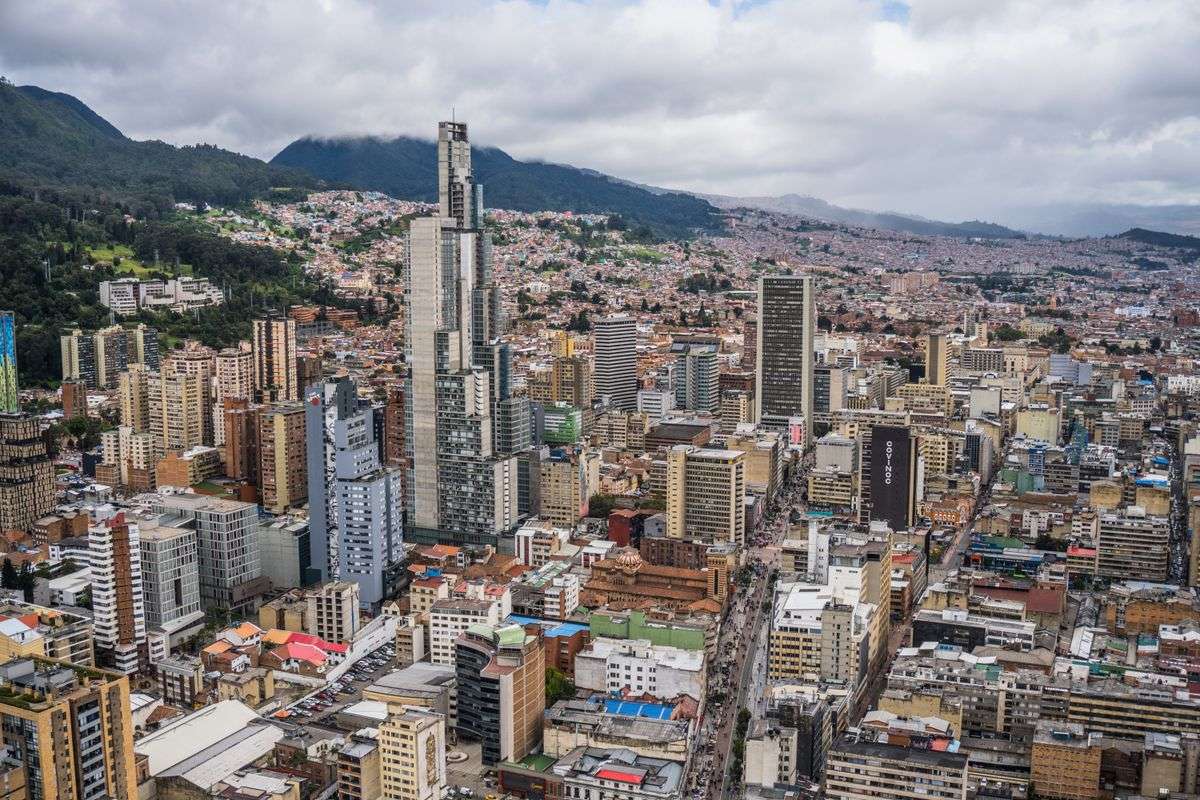
Bogotá is a fascinating capital with excellent food, museums, and culture, but it usually requires the highest level of urban awareness among the classic tourist trio. Areas such as Chapinero, Zona G, Zona T, and Usaquén are generally more comfortable for visitors than poorly lit or isolated parts of the historic center late at night.
Phone snatching and armed robbery can happen, so don’t flash valuables on the street. In practical terms, this means checking directions before you leave the café rather than stopping in the middle of the sidewalk with your smartphone raised like a tiny beacon of opportunity.
Medellín
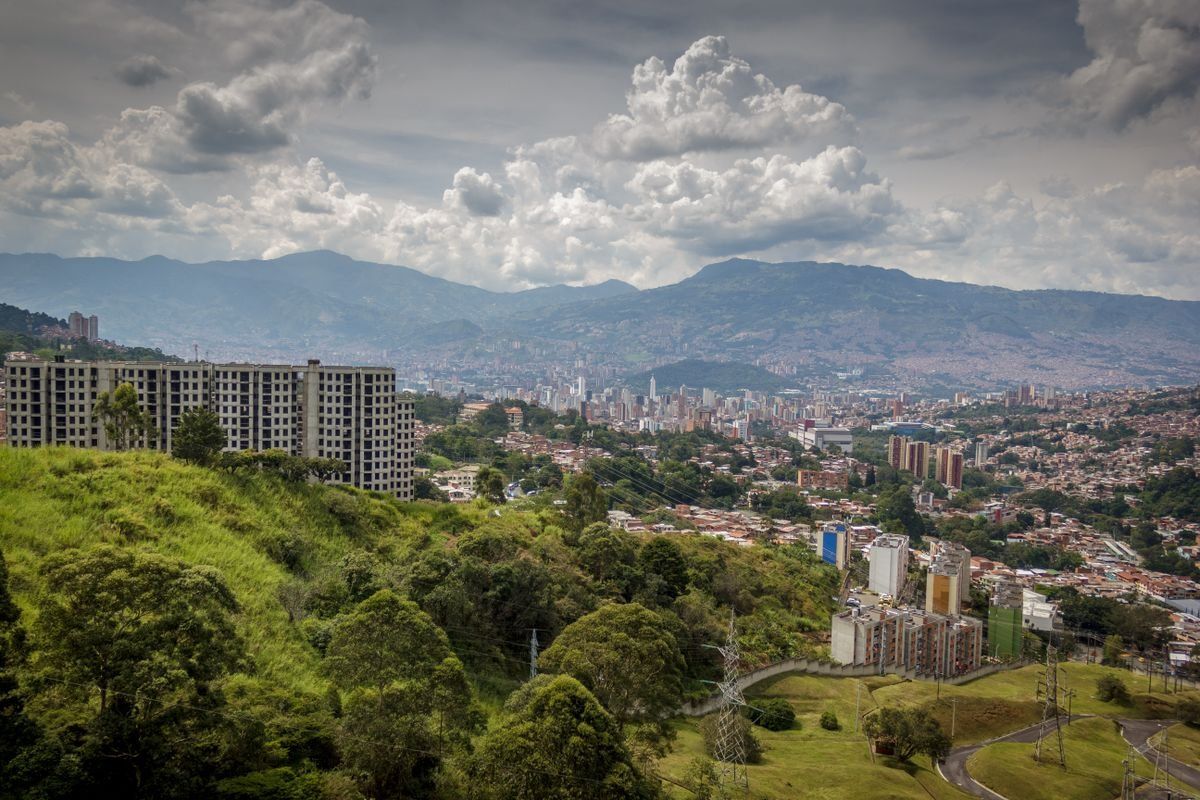
Medellín has become one of South America’s most popular urban destinations. Areas like El Poblado and Laureles are widely used by travelers and digital nomads. Even so, incidents involving dating apps, drink spiking, and robbery have increased, especially among solo visitors.

Nightlife is a major draw here, but it is also where many avoidable problems begin. If you meet someone new, choose public places, watch your drink, and do not invite strangers to your accommodation. Yes, even if they seem charming, mysterious, and very impressed by your playlist.
Cartagena
Cartagena is often seen as one of the more approachable destinations in the country. The walled city and Getsemaní are heavily visited and usually feel energetic. The main annoyances here are often overcharging, aggressive vendors, and tourist-targeted scams, though theft remains possible.
Ask prices before accepting anything, from taxis to street snacks to beach services. In Cartagena, “free” can sometimes be the opening line of a very creative invoice.
Regions and situations that call for extra caution
Some parts of Colombia are not suitable for casual tourism. Remote rural zones, certain border areas, and departments affected by armed groups or trafficking can present risks that are very different from those in city centers. Official advisories should always be checked before departure.
In general, travelers should be especially cautious about:
- Border regions near Venezuela, Ecuador, and Panama
- Remote rural areas with limited state presence
- Some Pacific coast and jungle zones outside established tourism routes
- Road travel at night in secondary or isolated areas
- Areas with recent unrest, attacks, or transport disruptions
This does not mean every non-urban destination is unsafe. It means you should distinguish between a well-organized trip to a known destination and improvised travel into little-monitored areas. Colombia is stunningly diverse, but not every beautiful green patch on the map is a great idea for an unscripted adventure.
Common risks for tourists
Most incidents affecting visitors fall into a few recurring categories. Understanding these patterns makes it easier to prevent problems before they start. The goal is not to be paranoid, but to recognize how risks typically show up in real travel situations.
- Petty theft and phone snatching
Pickpocketing and grab-and-run theft are common in crowded areas, transport hubs, and busy streets. - Express kidnapping
This usually involves criminals forcing victims to withdraw money or make transfers, often after entering an unlicensed taxi or being isolated. - Drugging and robbery
Scopolamine and other substances may be used in nightlife settings, via drinks or social encounters. - Dating app scams
Foreign travelers, especially solo men, are sometimes targeted through apps and lured into robbery setups. - Transport scams
Unofficial taxis and unregulated services can increase risk, particularly at night.
Smart precautions that make a real difference
Simple habits can lower your risk significantly in Colombia. The most effective precautions are not complicated: control your transport, limit what you carry, avoid showing valuables, and stay alert in nightlife contexts. Small decisions often matter more than big fears.
- Use ride-hailing apps or taxis arranged by your hotel, especially at night
- Keep your passport secured and carry a copy when possible
- Withdraw cash only from ATMs inside banks or malls
- Do not leave drinks or food unattended
- Avoid walking alone after dark in quiet or unfamiliar areas
- Dress simply and avoid displaying jewelry, luxury watches, or expensive phones
- Check government travel advisories before moving between regions
- Share your itinerary with someone if you’re heading to more remote areas
- Book reputable tours and transport providers for countryside travel
- Get travel insurance that includes medical care and trip disruption
Also worth noting: in some Colombian cities, locals use the phrase “no dar papaya”, meaning don’t make yourself an easy target. It sounds almost cute, but the message is extremely practical.
Money, daily costs and practical comfort
Colombia can offer good value for many travelers, though prices vary by destination and travel style. In practical terms, $100 USD can cover a full day comfortably in many cities with meals, local transport, and mid-range budget flexibility, but less so in premium tourist zones or high-end nightlife settings.
If you travel moderately, that amount may go a long way for daily basics. Luxury hotels, private transfers, upscale restaurants, and island excursions will naturally change the math. The key is not just budget, but how and where you spend. A beachfront cocktail trail can empty your wallet faster than your good judgment.
Planning your trip? Read our guide to the best time to visit Colombia.
Is Colombia a good place to live or stay longer?
For many expats, remote workers, and long-stay travelers, Colombia can be an appealing place to live thanks to its climate, culture, biodiversity, and relatively affordable cost of living. However, daily life still requires the same awareness around security, housing location, and transport choices that short-term visitors need.
Cities like Medellín and parts of Bogotá attract longer-term foreigners, but quality of life depends heavily on neighborhood, routine, and expectations. It can be rewarding, but it is not a fantasy postcard where every street is salsa, sunshine, and perfect Wi-Fi. Sometimes it is also traffic, rain, and trying to understand how many avocados is too many avocados.
Traveling confidently, not carelessly
Colombia can absolutely be worth visiting, provided you build your trip around the right places and sensible habits. Most travelers who have a smooth experience do not rely on luck. They stay informed, move carefully, and avoid situations that create unnecessary exposure.
If you want to discover the country with a built-in group, local insight, and an itinerary designed with practical safety in mind, take a look at WeRoad group trips to Colombia and explore this vibrant destination with more confidence.
FAQ
- Is it safe to travel to Colombia right now?
-
It can be, depending on the region and current local conditions. Many travelers visit popular cities and tourism areas without issues, but you should always review up-to-date government advisories and avoid high-risk border or remote conflict-affected zones.
- What is the safest city in Colombia for tourists?
-
There is no single definitive answer, but Cartagena is often considered one of the easiest cities for first-time visitors, while parts of Medellín are also popular and manageable. Safety depends heavily on the neighborhood and your behavior.
- Can solo travelers visit Colombia safely?
-
Yes, many solo travelers do, especially on established routes. The main advice is to be more cautious with nightlife, avoid meeting strangers in isolated settings, and use reliable transport rather than improvising late at night.
- Should I use taxis in Colombia?
-
Yes, but it is best to use ride-hailing apps, hotel-booked cars, or official taxi services. Avoid hailing random taxis on the street at night, since transport-related scams and express kidnappings are a known risk.
- Is Colombia expensive for travelers?
-
Compared with many Western destinations, Colombia can be relatively affordable. Daily costs vary by city and travel style, but food, local transport, and mid-range stays are often good value, while premium coastal or nightlife experiences cost more.