In a nutshell
- Tromsø and Iceland are both top aurora destinations for winter 2026–27, with the main viewing season running from late September to late March and the strongest travel window generally falling between October and March.
- February is often the best all-round month for Tromsø because it combines strong aurora potential, reliable snow, more comfortable trip planning, and enough daylight for other Arctic experiences without sacrificing dark nights.
- Clear skies are more important than extreme aurora forecasts: Tromsø lies within the auroral oval, so visibility often depends less on very high KP levels and more on escaping cloud cover and light pollution.
- You should plan at least 4 to 5 nights in Tromsø, or similarly in Iceland, because weather is unpredictable and a longer stay gives you more opportunities to adapt, join tours, or move toward clearer skies.
- Tromsø is best for a focused aurora trip, while Iceland suits broader winter adventures: choose Tromsø for easy access to guided excursions and strong activity rates, or Iceland for road-trip freedom and dramatic landscapes.
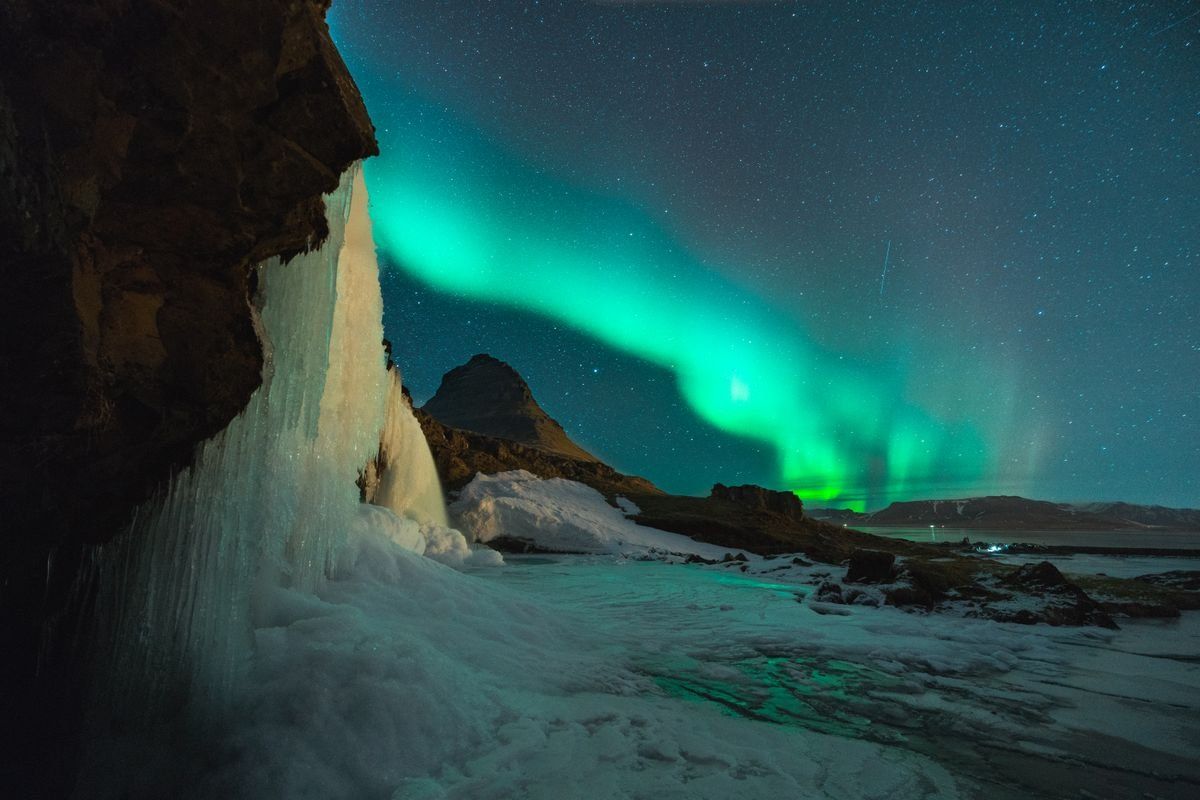
Watching the sky suddenly turn green, ripple, and dance feels a bit unreal at first. One minute you are stamping your boots in the snow wondering why your toes have filed a formal complaint, and the next you are looking up at one of the most extraordinary natural shows on Earth. For winter 2026-2027, Tromsø, Norway, and Iceland remain two of the strongest choices for a Northern Lights trip, but they offer different advantages.
Tromsø sits deep inside the auroral oval, which means activity can be frequent even at relatively low geomagnetic levels. Iceland, on the other hand, combines broad road-trip freedom, volcanic scenery, and excellent dark-sky areas. The real trick is not just choosing a destination, but choosing the right months, the right number of nights, and a plan flexible enough to outsmart clouds, which are the true divas of any aurora holiday.
Best months to see the northern lights in Tromsø and Iceland in winter 2026-2027
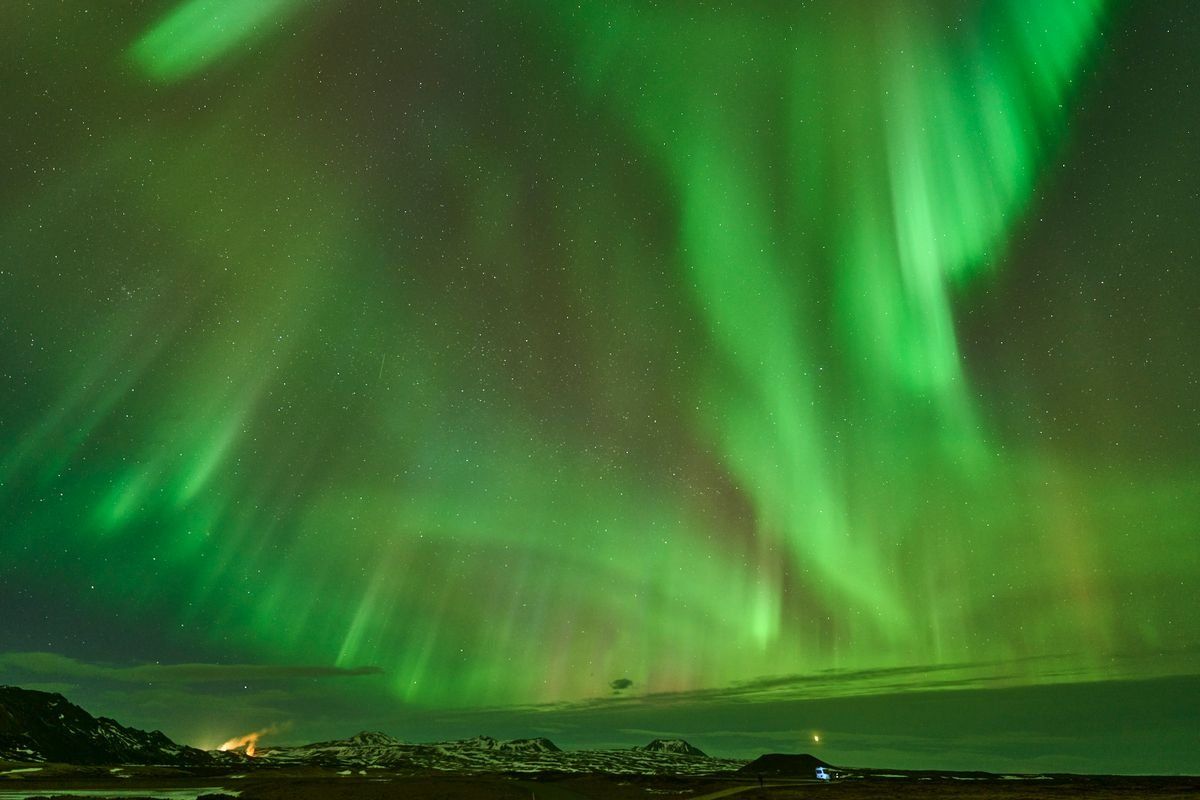
The best overall period runs from late September to late March, with the strongest winter window for both destinations falling between October and March. In Tromsø, the darkest stretch from late November to mid-January is especially famous, while Iceland performs well across the full winter season when skies are dark enough and weather cooperates.
That broad season does not mean every month feels the same. Daylight, temperatures, landscape, road conditions, and cloud patterns can all shape your experience as much as the aurora itself. In other words, yes, the sky matters, but so does the version of winter you actually want to live in.
October and November
These months offer a strong balance of darkness and milder conditions. Snow may already transform the scenery, but temperatures are usually easier than deep winter, making longer nights outside more manageable for first-time aurora chasers.
In Tromsø, October is often underrated: you get good darkness, fewer peak-season crowds, and easier logistics than later in winter. November deepens the night and often delivers excellent chances when skies are clear. In Iceland, both months are popular for combining aurora watching with waterfalls, black-sand beaches, and early winter landscapes.
December and January
These are the darkest months and among the most atmospheric. Tromsø experiences polar night from late November to mid-January, while Iceland has very short days and long, aurora-friendly nights.
This is prime postcard season: snowy landscapes, blue twilight, festive lights, and that dramatic Arctic mood everyone secretly wants in their camera roll. The trade-off is obvious: colder conditions, potential storms, and a higher chance that your face develops a complicated relationship with icy wind.
February and March
Late winter is often considered one of the smartest times to travel. Nights remain dark enough for aurora viewing, but daylight starts to return, giving you more time for daytime activities and easier overall trip planning.
Many experienced travelers love February and March for exactly this reason. In Tromsø, snow conditions are usually reliable, and you can pair aurora hunting with husky sledding, fjord excursions, or Sámi cultural experiences. In Iceland, road trips become more rewarding thanks to longer daylight hours, while the nights still offer excellent chances to see the lights.
| Month | Tromsø | Iceland | Why choose it |
|---|---|---|---|
| October | Very good | Very good | Darker skies, milder temperatures, fewer winter extremes |
| November | Excellent | Very good | Long nights and strong aurora season momentum |
| December | Excellent | Excellent | Maximum darkness and classic winter atmosphere |
| January | Excellent | Excellent | Deep winter, snowy scenery, long viewing windows |
| February | Excellent | Excellent | Great balance of darkness, activities, and snowy landscapes |
| March | Excellent | Very good | Longer days, easier logistics, strong late-season potential |
What is the best month for Tromsø?
If you want one month to prioritize, February is often the most balanced choice for Tromsø. It combines strong aurora potential, reliable snow, better daylight for daytime adventures, and winter conditions that feel more enjoyable than the darkest core of the season.
That said, the “best” month depends on your travel style:
- Choose November or December if you want the darkest possible atmosphere.
- Choose February if you want the best all-round trip.
- Choose March if you want more daylight without giving up good aurora chances.
For many travelers planning a trip around the northern lights in Tromsø, the smartest move is to think less about a single “perfect night” and more about building a multi-night window. Aurora activity can happen often here, but cloud cover decides whether you get front-row seats or just a very expensive lesson in meteorology.
Can you see the lights in Tromsø right now?
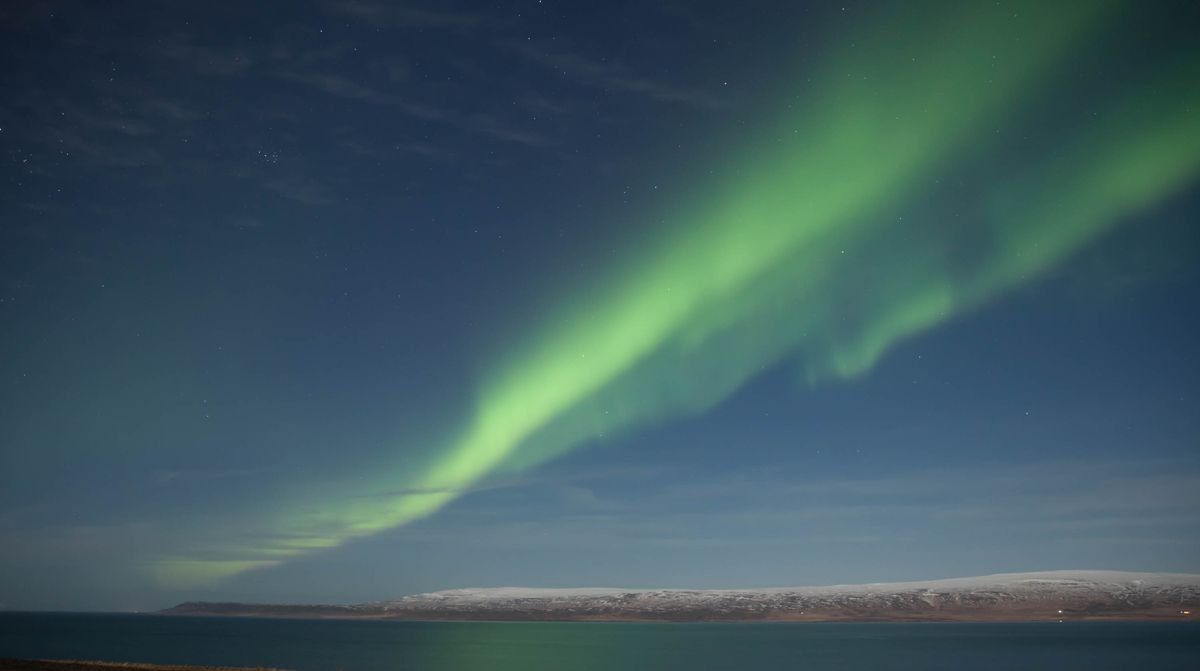
The answer always depends on three things happening at the same time: darkness, clear skies, and auroral activity. If one is missing, visibility drops quickly, no matter how famous the destination is.
Tromsø can produce sightings from late August to early April, but winter remains the main season. The city is inside the auroral zone, so you do not need extreme solar activity to have a chance. In practical terms, clear skies matter more than a dramatic KP number. A modest aurora under a clear sky beats a spectacular forecast hidden behind thick cloud every single time.
If you are traveling in the season, check:
- Cloud cover forecasts for Tromsø and surrounding inland areas
- Aurora forecasts for expected geomagnetic activity
- Local darkness hours, especially at the start and end of the season
This is also why guided tours can be useful: they may drive toward clearer skies, sometimes far beyond the city. It is less glamorous than it sounds, to be honest. There is a lot of driving, a lot of layered clothing, and eventually someone on the bus always asks whether that faint green smudge is a cloud. Sometimes yes. Sometimes magic.
How many days do you need in Tromsø to see the aurora?
You should plan at least 4 to 5 nights in Tromsø for a realistic chance of seeing the aurora. A longer stay improves your odds because cloud cover is often the biggest obstacle, not the lack of aurora activity itself.
A short one- or two-night trip can work if conditions line up perfectly, but it leaves very little room for weather changes. If your dream is built around this experience, it is better to create some margin. Arctic weather loves drama, and it rarely checks your flight itinerary before making decisions.
A practical stay looks like this:
- 3 nights: minimum if your schedule is tight
- 4–5 nights: ideal for most travelers
- 6–7 nights: best for those who want flexibility and multiple aurora attempts
The same logic applies in Iceland. While the island offers huge freedom to move, storms and cloud systems can affect visibility. Spending several nights gives you time to adapt your route and hunt for clearer skies.
How to Photograph the Northern Lights: Camera Settings, Tips and Best Locations
Tromsø vs Iceland for northern lights trips
Tromsø is generally stronger for consistent aurora activity, while Iceland offers more variety in landscapes and road-trip style travel. The better choice depends on whether you want a focused aurora base with organized excursions or a broader winter itinerary with self-drive potential.
Both are excellent, but they suit different travelers. Tromsø is compact, accessible, and efficient for winter experiences. Iceland is broader, more independent, and ideal if you want waterfalls, glaciers, lava fields, and aurora nights woven into one itinerary.
| Destination | Main strength | Best for | Watch out for |
|---|---|---|---|
| Tromsø | Inside the auroral oval, high chance of activity | Travelers who want a focused aurora trip with winter excursions | Coastal clouds and peak-season prices |
| Iceland | Epic scenery and flexible self-drive itineraries | Travelers who want aurora plus a full road-trip adventure | Rapid weather changes and wind-related disruptions |
Practical tips for winter 2026-2027
The key to a better aurora trip is preparation. Warm layers, flexible plans, and realistic expectations will improve your experience far more than obsessing over a forecast screenshot taken three weeks before departure.
Use these essentials before you go:
- Stay multiple nights to improve your chances
- Prioritize dark skies and clear weather over city-center convenience
- Dress properly: thermal base layers, insulated boots, gloves, hat, and windproof outerwear
- Book cancellable or flexible activities when possible
- Bring a tripod if you want better photos
- Do not rely only on your eyes at first: faint aurora can appear as a soft grey-green arc before intensifying
One more useful mindset shift: aurora hunting is not a guaranteed performance. It is part nature, part timing, part luck. And yet that uncertainty is exactly why seeing the sky suddenly explode into motion feels so unforgettable.
Plan your winter aurora trip with the right expectations
The best months for winter 2026-27 are October through March, with February standing out for Tromsø and a broad November to March window working well for Iceland. The real winning formula is not just choosing the right month, but allowing enough nights and staying flexible around weather.
If you want a destination built for aurora seekers, Tromsø is one of the top choices in Europe. If you want dramatic scenery and a more varied winter route, Iceland is hard to beat. Either way, when the lights finally appear, nobody cares how many weather apps they checked. There is only the sky, the cold, and that very satisfying feeling of being in exactly the right place.
And if you want to share the adventure with people who are just as excited about looking at the sky in freezing temperatures, discover WeRoad group trips to see the northern lights.
FAQ
- What is the best month to see the Northern Lights in Tromsø?
-
February is often the best month overall because it offers an excellent balance of darkness, snow, winter activities, and manageable travel conditions. November, December, and March are also strong options depending on your preferences.
- Are there Northern Lights in Tromsø right now?
-
You can see them in Tromsø whenever there is enough darkness, clear sky, and auroral activity. During the main season, from late August to early April, sightings are possible, but winter gives the best odds.
- When can you see the Northern Lights in Norway in 2026?
-
In northern Norway, including Tromsø, the aurora season usually runs from late September to early April. For winter 2026–27, the most reliable travel months are October through March.
- How many days do you need in Tromsø to see the Northern Lights?
-
Plan for 4 to 5 nights if possible. This gives you a much better chance of getting at least one clear evening and improves your odds more than trying to predict a single perfect night in advance.
- Is Tromsø better than Iceland for aurora trips?
-
Tromsø is usually better for consistent aurora activity because it sits inside the auroral oval. Iceland is better if you want a broader winter itinerary with dramatic scenery and flexible self-drive options.
- Can you see the aurora from Tromsø city center?
-
Yes, strong displays can sometimes be visible from the city, but light pollution reduces the experience. For better views, it is usually worth heading outside town or joining a guided tour.