In a nutshell
- Learning-led travel adds purpose to a holiday by combining leisure with personal growth, helping travellers connect more deeply with a destination through practical, memorable experiences rather than fast sightseeing.
- Italy is ideal for cooking-focused trips thanks to its strong regional food traditions, market culture, and social approach to meals, making it perfect for anyone who wants to learn techniques they can actually bring home.
- Portugal stands out for surf travel because it offers varied breaks, beginner-friendly schools, a relaxed coastal atmosphere, and strong value, creating a supportive setting for both first-timers and improving surfers.
- The best trips that teach a skill balance structure and freedom, with expert local guidance, small-group dynamics, cultural immersion, and enough downtime to enjoy the place beyond the lesson itself.
- Group travel often improves the experience by making learning more social, motivating, and accessible, especially for solo travellers who want shared experiences, instant connection, and less pressure when trying something new.
Travel can do more than fill your camera roll with sunsets and suspiciously perfect brunch photos. It can also teach you something tangible. A trip built around learning gives your itinerary a clear rhythm, helps you connect with local culture, and leaves you with more than souvenirs when you get home.
That is why more travellers are choosing holidays shaped by workshops, lessons, and hands-on experiences. Whether it is fresh pasta in Italy, wave-chasing in Portugal, or craft classes in creative destinations around the world, learning-led travel brings purpose to the fun. And yes, there is still time for aperitivo.
Why learning-focused travel is on the rise
Trips centred on a new ability feel more meaningful because they combine leisure with progress. Instead of rushing through a checklist of landmarks, travellers spend time developing a skill, meeting experts, and understanding a destination through practice. The result is often more memorable, immersive, and rewarding than passive sightseeing alone.
There is also a practical reason behind the rise of this travel style: people want experiences they can carry home. A cooking class becomes a future dinner party. A surf lesson can turn into a long-term hobby. A photography workshop may change how you see every trip after that. Suddenly, your holiday is not just a break from routine; it is a reset button with benefits.
It also suits solo and group travellers alike. Shared learning creates instant conversation, lowers social barriers, and gives everyone a common mission. Nothing bonds people quite like trying to stand on a surfboard for the first time and discovering gravity still works very well.
What makes a great skill-based trip
A successful learning trip balances structure, local authenticity, and enough free time to enjoy the destination. The goal is not mastery in a week, but steady improvement in a setting that makes the process enjoyable. The best experiences feel immersive without becoming exhausting.
When planning around a skill, a few elements matter more than others:
- Quality instruction: Learn from local teachers, chefs, artists, or guides with real expertise.
- The right setting: The destination should naturally support the activity, like coastal breaks for surfing or regional cuisine for cooking.
- Small-group energy: Better interaction, more feedback, and fewer awkward “am I doing this right?” moments.
- Time beyond the lessons: You still want room for exploration, food, and the occasional aimless wander.
- Cultural connection: The skill should help you understand the place, not distract from it.
In other words, the best trips that teach new skills do not feel like school. They feel like travel with an extra layer of depth, and ideally, fewer exams.
Learn to cook in Italy
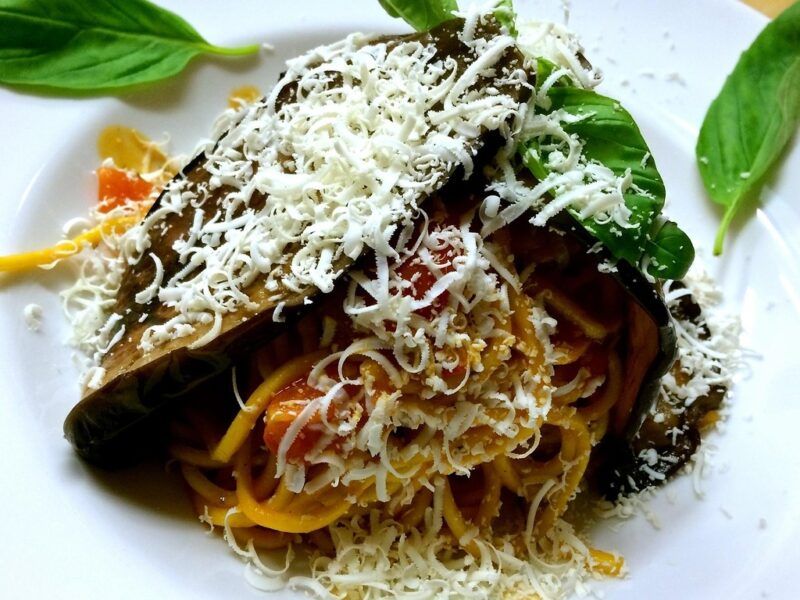
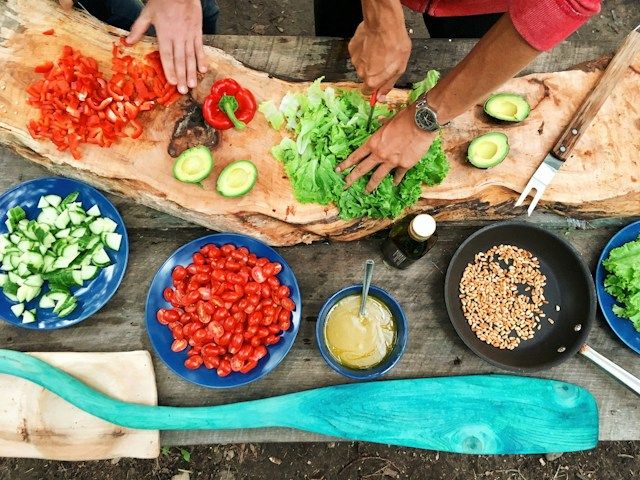
Italy is one of the strongest destinations for travel built around learning because food is inseparable from daily life, regional identity, and social rituals. Cooking here is not just about recipes. It is about ingredients, traditions, timing, and the pleasure of sharing a table well.
From north to south, each region offers a different culinary lens. In Tuscany, classes often focus on handmade pasta, rustic sauces, and local olive oil. In Bologna, you might dive into tagliatelle, ragù, and tortellini techniques. In Sicily, expect bold flavours, street food inspiration, and a delicious identity crisis where Arab, Spanish, and Italian influences all crash the same party.
Cooking in Italy works especially well for travellers because the learning extends beyond the kitchen. A market visit teaches seasonality. A winery stop explains pairings. Even ordering lunch becomes a tiny field study in flavour and confidence.
Who should choose an Italian cooking trip
Italy suits beginners and enthusiasts alike because classes are often social, accessible, and rooted in everyday food culture. You do not need professional ambitions to enjoy them. Curiosity, appetite, and a willingness to get flour on your clothes are usually enough.
- Travellers who love food and wine
- Couples or friends wanting a shared activity
- Solo travellers looking for easy group interaction
- Anyone who wants a souvenir they can actually use at home
Learn to surf in Portugal
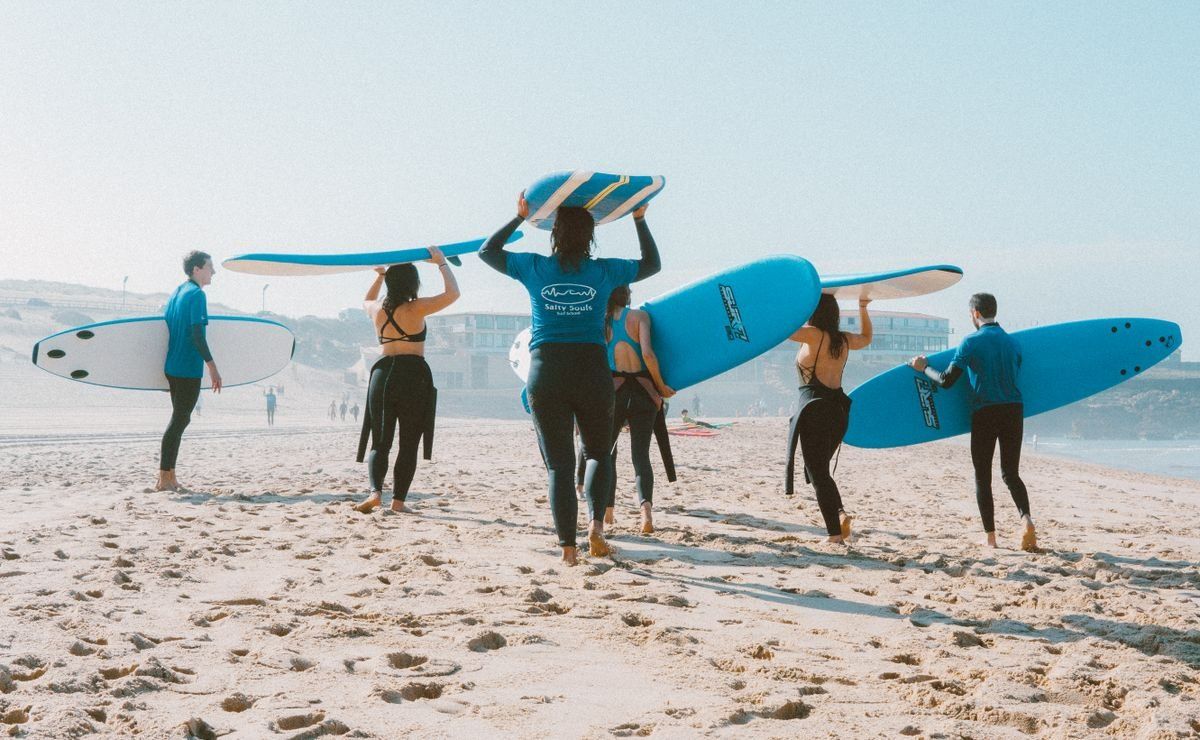
Portugal is one of Europe’s best destinations for surf-based travel thanks to consistent waves, experienced instructors, and a relaxed coastal lifestyle. It offers options for first-timers and intermediate surfers alike, with beach towns that combine practice, scenery, and a strong social atmosphere.
Areas like Ericeira, Peniche, and the Algarve are favourites for good reason. They offer a mix of surf schools, beginner-friendly beaches, and more advanced breaks nearby. That means you can improve steadily without feeling out of place if your first attempt looks less “ocean athlete” and more “confused laundry in the tide”.
Surfing also creates a natural daily rhythm. Lessons often happen in the morning when conditions are best, leaving afternoons for beach time, town strolls, seafood dinners, or dramatic reflections like “I almost stood up for a full two seconds, I am basically a local now.”
Why Portugal works so well for surf learning
Portugal combines accessibility, reliable infrastructure, and strong surf culture, making it ideal for travellers who want to learn in a supportive environment. It is easy to reach, relatively affordable compared with some long-haul surf destinations, and full of coastal character.
- Varied surf spots for different levels
- Established surf camps and schools
- Mild climate in many seasons
- Strong community vibe among travellers
- Plenty to do off the board, from food to nightlife
More destinations for trips that teach you something new
Many destinations can support travel focused on learning, especially when local culture and landscape naturally connect to the activity. The best choice depends less on trends and more on what you genuinely want to practise, explore, and remember once the trip is over.
If cooking and surfing are the headline acts, plenty of other options deserve a spot on the festival poster:
- Japan for calligraphy, ceramics, tea culture, and cooking classes
- Morocco for painting, pottery, and artisan crafts
- Peru for weaving, textile traditions, and local food experiences
- Spain for flamenco, language immersion, and culinary workshops
- Croatia for sailing courses along the Adriatic coast
What matters most is fit. A great learning holiday aligns the place, the pace, and the skill you want to build. It should feel exciting enough to keep you engaged and realistic enough that you do not return home expecting to open a surf school and a trattoria in the same month.
Best destinations by travel skill and vibe
Choosing where to go becomes easier when you compare the type of experience each destination offers. Some places are ideal for structured classes, while others shine for outdoor practice, creative immersion, or social group energy.
| Destination | Best skill to learn | Travel vibe | Ideal for |
|---|---|---|---|
| Italy | Cooking | Food-led, cultural, social | Food lovers, couples, groups |
| Portugal | Surfing | Active, coastal, relaxed | Beginners, solo travellers, friends |
| Japan | Ceramics, calligraphy | Reflective, immersive, refined | Creative travellers, culture seekers |
| Spain | Language, flamenco, cooking | Vibrant, expressive, social | Extroverts, learners, city explorers |
| Croatia | Sailing | Scenic, adventurous, communal | Sea lovers, active groups |

How to choose the right trip for you
The right travel experience starts with your motivation. Think about whether you want to relax while learning, challenge yourself physically, or dive into culture through a practical activity. The clearer your goal, the easier it becomes to pick the right place, pace, and programme.
Ask yourself a few simple questions before booking:
- Do I want a creative, culinary, or sport-based trip?
- Am I a total beginner, or do I want to improve an existing skill?
- Would I rather stay in one place or combine learning with a wider itinerary?
- Do I want free time, nightlife, nature, or a more focused retreat atmosphere?
- Will I enjoy this more solo, with friends, or in a group of like-minded travellers?
Be honest about energy levels too. A surf camp and a food-focused villa stay can both be fantastic, but they ask very different things from your body, your schedule, and your knees.
Why group travel makes learning easier
Group travel can enhance the learning experience by adding motivation, structure, and social ease. Shared activities reduce pressure, help people feel more confident, and create natural moments of connection throughout the trip. It is often easier to try something new when everyone is equally outside their comfort zone.
This is especially true on learning-led adventures. In a group, you swap tips, celebrate tiny wins, and laugh off the fails faster. Burned your sauce? Missed the wave? Mixed up the local words and accidentally ordered something mysterious? Congratulations, you now have a story and probably new friends.
For many travellers, that balance of discovery and community is the real advantage. You are not just seeing a destination. You are experiencing it through action, with people who are there for the same reason: to do more than just pass through.
Travel that stays with you
Learning while travelling adds depth, focus, and lasting value to a holiday. It turns a destination into a classroom without walls, where culture becomes practical and memories become useful. Whether you come home with better technique, new confidence, or a fresh hobby, the trip keeps giving long after it ends.
From kneading dough in Italy to paddling into your first wave in Portugal, these experiences prove that the best souvenirs are often the ones you can repeat, practise, and share. If you want a journey with stories, growth, and a bit more substance, this style of travel is well worth considering.
Ready to make it happen? Discover WeRoad group trips and find the destination that matches the skill you want to learn next.
FAQ
- What are examples of trips built around learning a skill?
-
Popular examples include cooking holidays in Italy, surf camps in Portugal, sailing courses in Croatia, ceramics workshops in Japan, weaving experiences in Peru, and language or flamenco trips in Spain. The best option depends on the skill you want to develop and the kind of destination you enjoy.
- Are these trips suitable for complete beginners?
-
Yes, many learning-focused holidays are designed for beginners. Surf schools, cooking classes, and creative workshops often welcome people with no prior experience and build skills step by step. It is always worth checking the level before booking, but beginner-friendly options are widely available.
- Is a learning-based holiday still relaxing?
-
It can be, as long as the pace matches your expectations. Most trips include just a few structured hours each day, leaving time for rest, meals, and exploring. A cooking trip may feel gentler than a surf camp, so choosing the right format makes a big difference.
- Why do younger travellers like purposeful trips so much?
-
Many younger travellers prefer experiences that feel personal, social, and meaningful. Trips shaped around learning offer all three: they create memorable moments, help people build confidence, and often feel more rewarding than simply ticking off famous sights.
- How do I choose the best destination for this type of travel?
-
Start with the skill, not just the place. Think about what you truly want to learn, then look for destinations where that activity is part of local culture or the natural environment. After that, compare budget, season, trip pace, and whether you want solo flexibility or a group format.