In a nutshell
- Three days are enough to enjoy Dublin well if you split your time between the historic center, major cultural sights, and a coastal escape such as Howth or Dún Laoghaire.
- The best first-day route links Dublin Castle, Christ Church Cathedral, St Patrick’s Cathedral, the River Liffey, and Temple Bar, giving you a strong overview of the city’s history and atmosphere.
- Day two works best with a mix of Trinity College, the Book of Kells, the Guinness Storehouse, traditional food, and a relaxing stop in St Stephen’s Green.
- For travelers wanting more than classic landmarks, Dublin also offers street food tours, Irish dance lessons, smaller museums, and local pubs away from the biggest tourist crowds.
- The most memorable Dublin experience usually comes from combining iconic attractions with slower moments: a walk by the river, a park break, live music in a pub, and time to explore beyond the center.
Dublin is one of those cities that wins you over quickly. It has big-history energy, neighborhood-pub warmth, and just enough chaos to keep things interesting. Three days is enough to see the classics, enjoy the food and music scene, and even slip away for a coastal outing when the city starts whispering, “Go on, take the train.”
This itinerary mixes landmark highlights with slower moments, because not every trip should feel like a sprint between selfies. Expect a blend of cathedrals, museums, pints, pretty streets, and sea air. In other words: a very respectable excuse to fall in love with Ireland’s capital.
How to spend 3 days in Dublin
Three days in the city gives you time to cover the essentials without turning your holiday into a spreadsheet. A smart plan is to dedicate one day to the historic center, one to culture and classic Dublin experiences, and one to the coast for a wider view of local life.
The beauty of Dublin is that much of the center is walkable, so you can move easily between major sights. That means less time on transport and more time deciding whether your next stop should be a museum, a bakery, or a pub with live music. Tough life, really.
- Day 1: Historic Dublin, landmarks, and pub atmosphere
- Day 2: Trinity, Guinness, parks, and local culture
- Day 3: A coastal day trip to see another side of the area
Day 1: Dublin’s historic heart
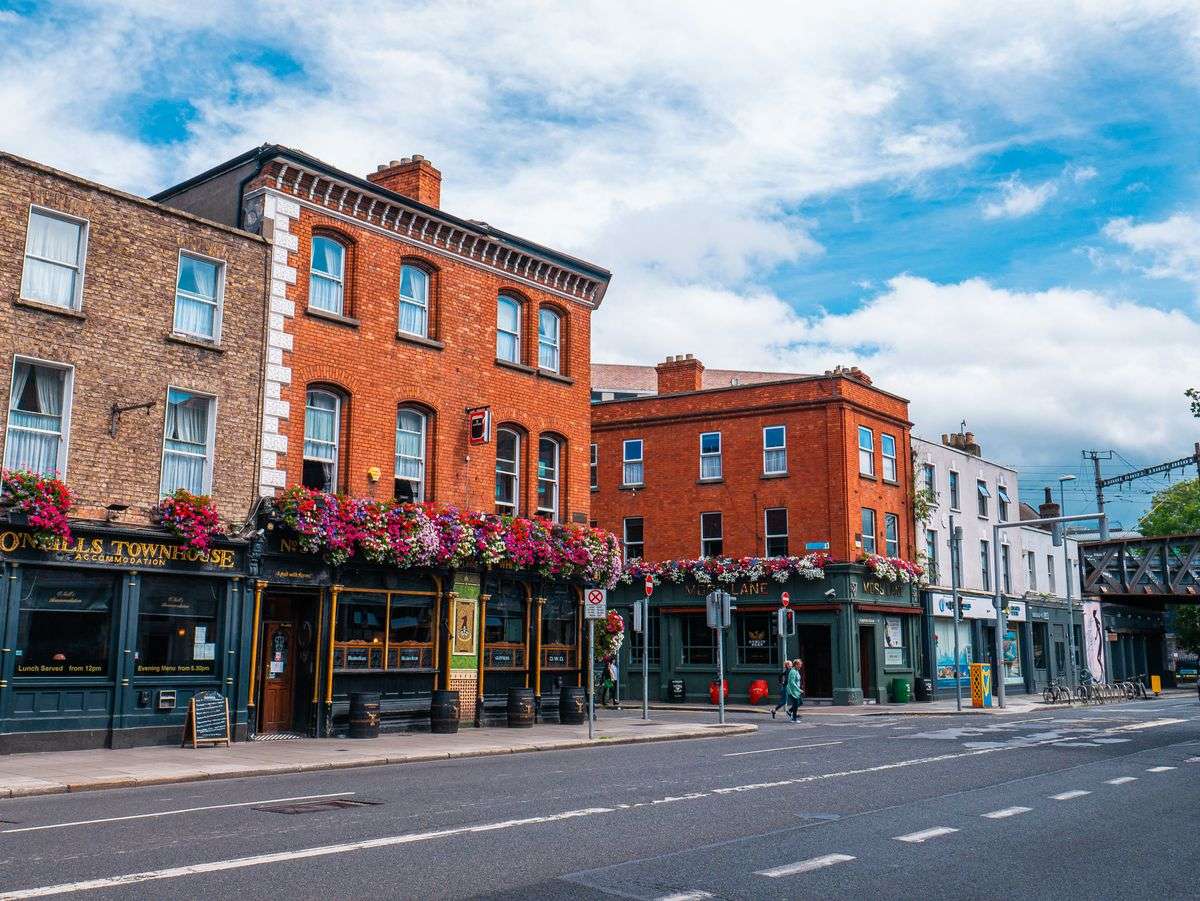
Start with the city’s oldest layers. The first day is best spent exploring the central area where medieval history, Georgian streets, and some of the best-known attractions sit within easy walking distance. This gives you a solid introduction to the city’s character and its pace.
Dublin Castle, Christ Church, and St Patrick’s Cathedral
These three sights offer a strong overview of the city’s political, religious, and architectural history. They are close enough to combine in a single route, and together they reveal how Dublin developed over centuries, from Viking roots to modern Ireland.
Dublin Castle is a great place to begin. Even if you only explore the exterior courtyards, the site helps frame the city’s complex past. From there, continue to Christ Church Cathedral, one of Dublin’s most striking medieval landmarks, and then on to St Patrick’s Cathedral, which remains one of the most important religious buildings in Ireland.
This part of town feels rich and layered, with old stone buildings, narrow streets, and plenty of places to pause for coffee. It is the kind of area where you can accidentally become very interested in church architecture for at least 45 minutes.
Temple Bar: touristy, yes, but still fun
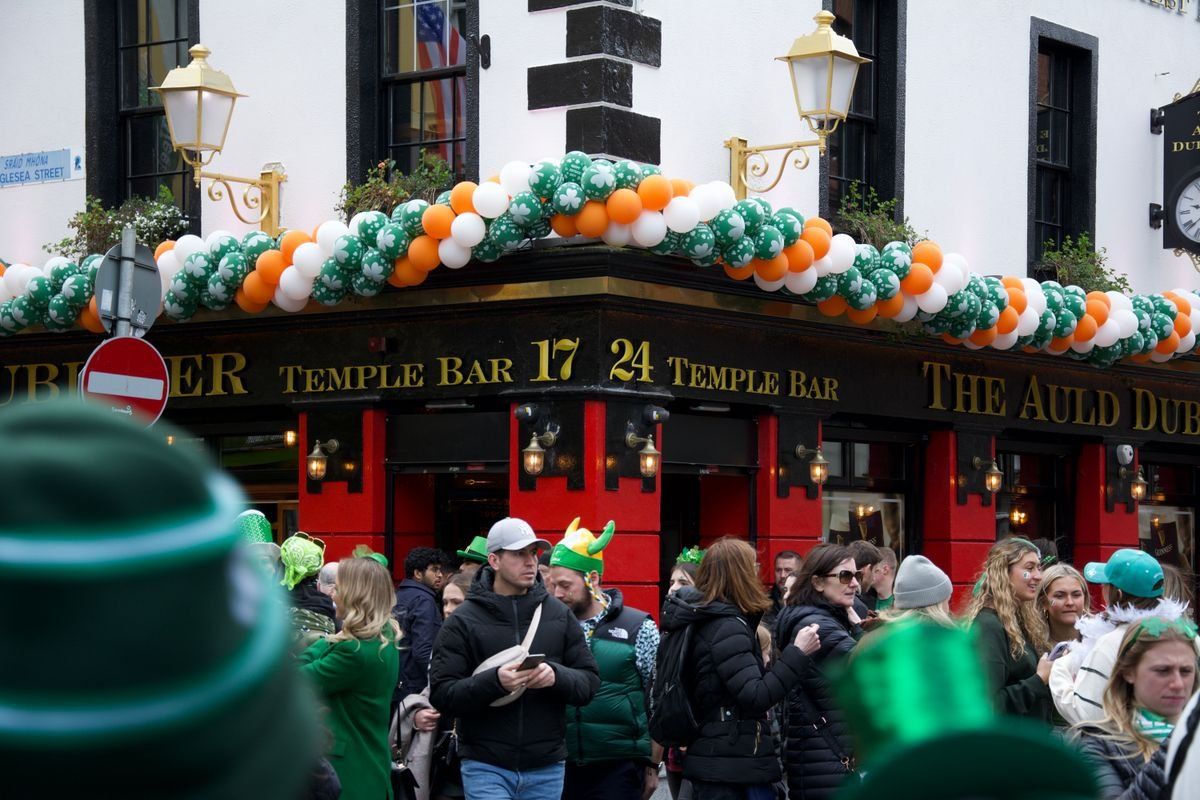
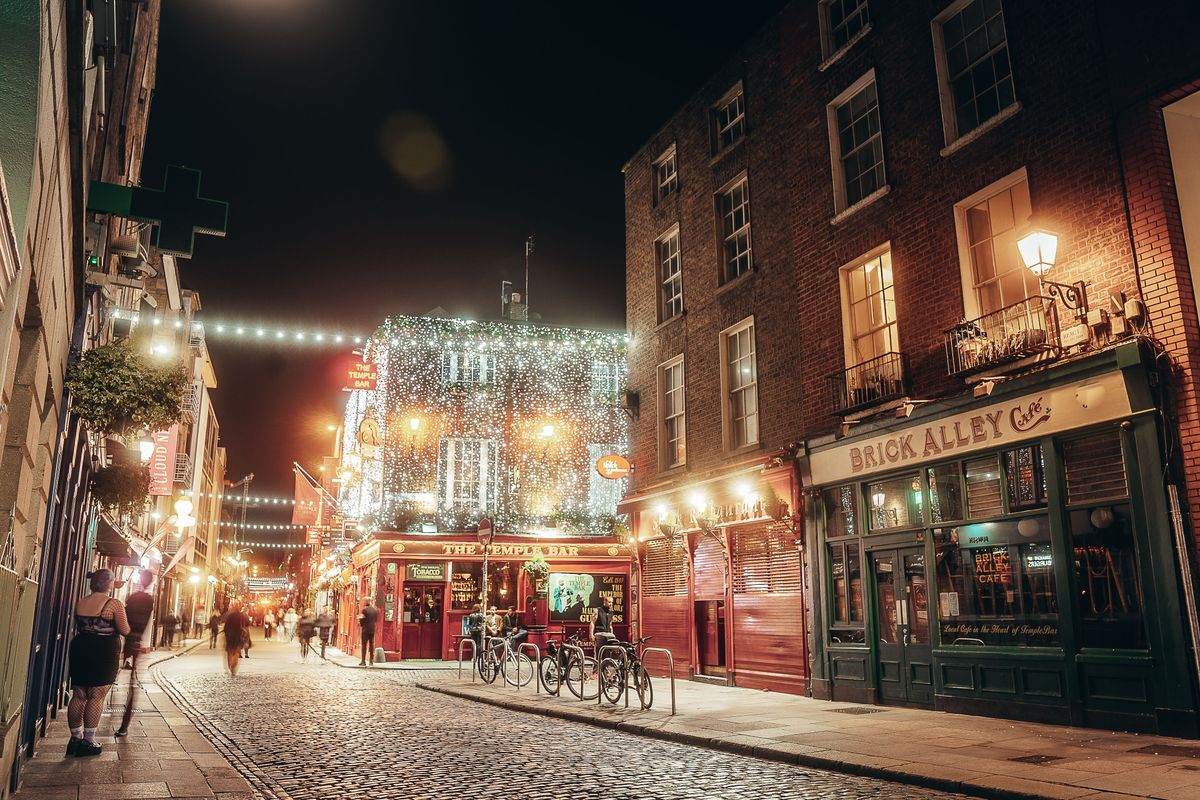
The Temple Bar district is busy, central, and full of pubs, restaurants, and music venues. It is undeniably popular with visitors, but it still deserves a stop, especially if it is your first time in Dublin and you want to experience the city’s social side.
Go in the late afternoon or evening, when the cobbled streets fill up and the atmosphere becomes properly lively. You do not have to spend the entire night here, but one drink and a bit of people-watching are practically part of the local initiation ritual. Live folk music pouring out of the pubs gives the area its charm, even when the crowd levels suggest everyone had exactly the same brilliant idea.
Walk the River Liffey and cross Ha’penny Bridge
A walk along the river helps connect the city’s main neighborhoods and offers a simple way to slow the pace. It is also one of the easiest things to fit into any itinerary, especially between larger attractions.
Stroll beside the River Liffey, cross the famous Ha’penny Bridge, and take in the rhythm of the city. This is a good time to spot some of the everyday Dublin that sits between the headline sights: commuters, buskers, cafés, and old facades standing shoulder to shoulder with modern shops.
Day 2: culture, Guinness, and green spaces
The second day works best when it balances major attractions with room to breathe. This is the day for literature, iconic experiences, and a break in one of the city’s best parks, all without having to rush from one end of Dublin to the other.
Trinity College and the Book of Kells
Trinity College is one of the city’s signature stops for good reason. The campus is central, historic, and easy to visit, while the Book of Kells experience and the Long Room Library remain highlights for first-time visitors.
Trinity College Dublin combines academic prestige with serious visual appeal. The Long Room is especially memorable, with its towering shelves and old-world atmosphere. Yes, people love comparing it to Harry Potter-style interiors, and while the references are a little enthusiastic, the space really is impressive enough to justify the drama.
Nearby, you can also stop by the Molly Malone statue for a quick photo. It is one of those classic city snapshots that may be slightly cheesy, but in a good way. Travel should allow a little harmless cheese now and then.
The Guinness Storehouse
The Guinness Storehouse is one of the city’s most popular attractions because it blends storytelling, branding, history, and panoramic views in one polished experience. Booking ahead is strongly recommended, especially in busy seasons.
Even if you are not a huge beer person, the visit is worth it. The museum-style route explains the brewing process and the history of Guinness in a way that feels engaging rather than heavy. The final reward is the rooftop bar, where a Guinness tasting with 360-degree views over the city makes a very convincing case for staying just one more minute. Or twenty.
Lunch and a proper Dublin pause
A good lunch can reset the day and keep your itinerary enjoyable. Dublin offers everything from classic pub food to modern cafés, but trying a traditional breakfast or hearty Irish plate is part of understanding the city’s food culture.
If you have an early start, order a full Irish breakfast with eggs, sausages, black pudding, and toast. It is filling, traditional, and not remotely shy. Later in the day, mix things up with a more modern café or a casual restaurant in the center.
St Stephen’s Green and a slower afternoon
After a busy morning, a central park offers the easiest kind of reset. St Stephen’s Green is well located, pleasant in all seasons, and ideal for anyone who wants a break without leaving the city center.
St Stephen’s Green is compact but beautiful, with paths, flowerbeds, benches, and enough open space to pause properly. It is a smart addition to your route if you want a moment away from museums and crowds. Think of it as Dublin kindly suggesting that you sit down for five minutes before your next pint.
Day 3: a coastal day trip from Dublin
One of the best ways to round out a short stay is to leave the center for a few hours. The coast near Dublin is easy to reach and shows a calmer, more local side of the area, with sea views, cliff walks, and charming harbor towns.
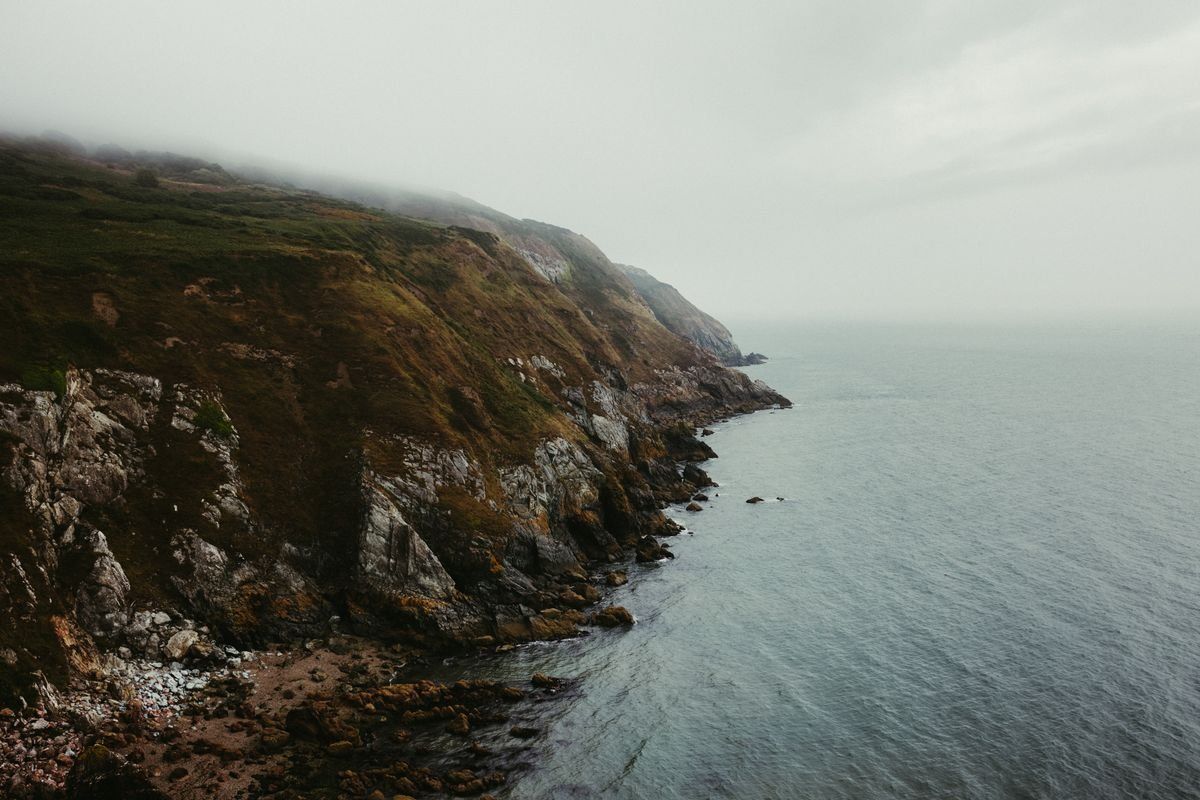
Howth: the easiest seaside escape
Howth is one of the most convenient day trips from the city. The DART train gets you there quickly, and once you arrive you can choose between a scenic walk, seafood lunch, and a relaxed wander around the harbor.
Howth is ideal if you want fresh air without logistical drama. Walk part of the cliff path for wide coastal views, watch fishing boats come and go, and stop for fish and chips or seafood by the water. It feels different from central Dublin, but not so far away that the whole day disappears into transport.
Alternative coastal option: Dún Laoghaire
If you want a slower and more urban seaside stop, Dún Laoghaire is another excellent choice. It is known for its pier, maritime feel, and easy access from Dublin by train.
Dún Laoghaire suits travelers who want a promenade walk, sea breeze, and a gentler pace. It is less about dramatic cliffs and more about a graceful coastal mood. Add coffee, maybe an ice cream if the weather behaves, and you have a very strong final-day plan.
| Place | Best for | Time needed | Why go |
|---|---|---|---|
| Temple Bar | Atmosphere and live music | 1-3 hours | Iconic pub district with energy, music, and nightlife |
| Trinity College | History and literature | 1-2 hours | Home to the Book of Kells and the Long Room |
| Guinness Storehouse | Classic Dublin experience | 2 hours | Immersive visit with skyline views at the end |
| Howth | Nature and sea views | Half day | Easy coastal escape with cliff walks and seafood |
What is a must when visiting Dublin?
If you only have room for one essential experience, choose a mix of history, atmosphere, and local culture. Dublin is at its best when you combine a major attraction with time in a pub or neighborhood where the city feels lived in rather than staged.
A strong shortlist would include:
- Trinity College and the Book of Kells
- The Guinness Storehouse
- A walk through Temple Bar and beyond
- One cathedral or historic site, such as St Patrick’s or Dublin Castle
- A coastal half-day trip if you have enough time
That combination captures the city better than trying to tick off every museum in sight while surviving on coffee and optimism.
More unusual and fun experiences in Dublin
Once the classic landmarks are covered, the city has plenty of offbeat experiences for travelers who want something more playful, local, or simply less predictable. These activities work especially well for adults looking beyond the standard sightseeing circuit.
Here are a few ideas to add personality to your trip:
- Join a street food walking tour in the city center
- Try a traditional Irish dance lesson
- Skip the busiest pubs and explore a less touristy local bar crawl
- Visit a small museum such as EPIC The Irish Emigration Museum or the Irish Whiskey Museum
- Browse bookshops and quieter Georgian streets south of the center
These are the kinds of experiences that often become the stories you tell later, usually beginning with “We didn’t plan it, but…” which is generally a promising start.
The WeRoad tip
Make your Dublin days feel more local, not just more full
Dublin is at its best when you mix the big classics with the little moments that make the city feel alive. Start one morning with a full Irish breakfast—the kind with black pudding, sausages, eggs, and zero apology for being gloriously hearty—then walk it off around Trinity College, where the old buildings and library atmosphere give the place a slightly cinematic feel. Later, enjoy the obvious-but-worth-it magic of Temple Bar, especially when live folk music spills out onto the cobbled streets.
Then do what many travelers forget to do: step slightly sideways. After your Guinness rooftop moment and the must-have photo with Molly Malone, spend an evening in less touristy local bars, where the pace is easier and the conversation often better. If you want to lean all the way in, book a traditional Irish dance lesson or a street food walking tour through the center. Dublin rewards curiosity. The more you let the city surprise you, the less your trip feels like a checklist and the more it feels like a story you accidentally wandered into.
Before you go
A short stay in Dublin can feel surprisingly full if you plan it well. Focus on a few standout sights, leave space for food and music, and give yourself one moment by the sea. That balance tends to show the city at its best: historic, sociable, and effortlessly memorable.
If you want to experience Dublin and Ireland with people who are just as curious, hungry, and ready for a good story, take a look at the WeRoad group trips for this destination.
FAQ
- Is 3 days enough for Dublin?
-
Yes, three days is enough for a first trip. You can see the main landmarks, enjoy the pub and food scene, and still fit in a half-day or full-day coastal outing without rushing too much.
- What is the number one attraction in Dublin?
-
The Guinness Storehouse is one of the most visited attractions, while Trinity College and the Book of Kells are often considered the most iconic cultural stop. Which one feels number one depends on whether you prefer history, literature, or beer with a view.
- What should I do in Dublin for 5 days?
-
With five days, keep the core city itinerary and add more museums, neighborhoods, and longer day trips. Wicklow, Kilkenny, Malahide, and extra time in Howth all work well if you want to see more beyond central Dublin.
- Are there quirky things to do in Dublin?
-
Yes. You can try an Irish dance class, join a food tour, hunt down lesser-known pubs, visit unusual museums, or explore the city through its literary history and eccentric local stories.
- What are fun things for adults to do in Dublin?
-
Adults usually enjoy pub hopping, whiskey tastings, the Guinness Storehouse, live music venues, food tours, and evening walks through lively districts. Dublin is especially good for travelers who like culture by day and a social atmosphere at night.