In a nutshell
- November is one of the best shoulder-season months for Turkey, especially for travelers interested in culture, food, archaeological sites, and scenic landscapes rather than a pure beach holiday.
- Weather changes significantly by region: the Mediterranean coast stays mild, Istanbul is cool and sometimes rainy, and inland areas like Cappadocia can be cold, particularly in the morning and evening.
- The strongest destinations for this period are Istanbul, Cappadocia, Ephesus, Izmir, and Antalya, because they combine major sights with better comfort and fewer crowds than in high season.
- Costs are usually lower than in summer, with more attractive hotel prices and better availability, although premium experiences such as Cappadocia balloon rides may keep similar rates.
- Smart planning makes a big difference: pack layers, expect shorter daylight hours, stay flexible with outdoor activities, and choose your route based on whether you want warmth, history, or dramatic landscapes.
November can be one of the smartest months to visit Turkey. Summer crowds are gone, prices often soften, and many of the country’s biggest highlights become easier to enjoy at a slower pace. You trade beach-party energy for crisp air, golden light, and a more relaxed travel experience.
And honestly? That sounds like a pretty good deal. Turkey in late autumn has that “main character on a city break” vibe: ferries crossing the Bosphorus under moody skies, ancient ruins without the elbow-to-elbow shuffle, and Cappadocia looking cinematic enough to make your camera work overtime.
Is November a good time to visit Turkey?
Yes, November is a very good time to visit for culture, cities, historical sites, and scenic road trips. It is less ideal if your priority is a classic beach holiday. Temperatures are cooler, daylight is shorter, and some coastal resorts slow down, but the lower crowds are a major advantage.
Turkey in November suits travelers who want to explore rather than bake in the sun. Think Istanbul, Cappadocia, Ephesus, Pamukkale, Antalya’s old town, and long lunches that somehow become even longer once the tea arrives. If your dream trip includes museums, markets, landscapes, and food, this month is seriously underrated.
The biggest benefits are usually:
- Fewer crowds at major sights
- Better value on hotels and some flights
- Milder temperatures for sightseeing
- More atmospheric scenery, especially in Istanbul and Cappadocia
The trade-off? Swimming is hit or miss, rain is more likely in some regions, and you’ll want to pack layers instead of pretending one linen shirt can solve everything.
Weather in November across Turkey
Weather varies a lot by region in November. Coastal areas remain milder, while inland destinations become colder, especially in the mornings and evenings. This is one of the most important things to understand before planning your route, because Turkey is large and conditions can change significantly.
On the southern and southwestern coast, places like Antalya and Fethiye can still feel pleasantly mild, with daytime temperatures around 18–20°C. In Istanbul, expect cool days, occasional rain, and autumn light that makes the whole city look like it’s posing for a magazine cover. Cappadocia is colder, especially at sunrise, and frost or light snow is possible later in the month.
| Destination | Average daytime temperature | What to expect |
|---|---|---|
| Istanbul | 12–15°C | Cool, atmospheric, occasional rain |
| Cappadocia | 8–12°C | Cold mornings, possible frost, clear views |
| Antalya | 18–20°C | Mild and often sunny |
| Izmir / Ephesus | 15–17°C | Comfortable for ruins and city walks |
| Ankara | 9–13°C | Cooler, drier, more continental climate |
In simple terms: the coast stays relatively gentle, central Turkey gets properly chilly, and eastern high-altitude areas may already feel quite wintry. If you’re trying to chase warmth, the Mediterranean coast is your best bet.
Where to go in Turkey in November
The best places to visit in November are those that benefit from cooler weather and thinner crowds. Cities, archaeological sites, and landscapes shine at this time of year. Coastal towns also work well, especially if you care more about atmosphere and views than full-on beach life.
Istanbul for culture, food, and autumn atmosphere
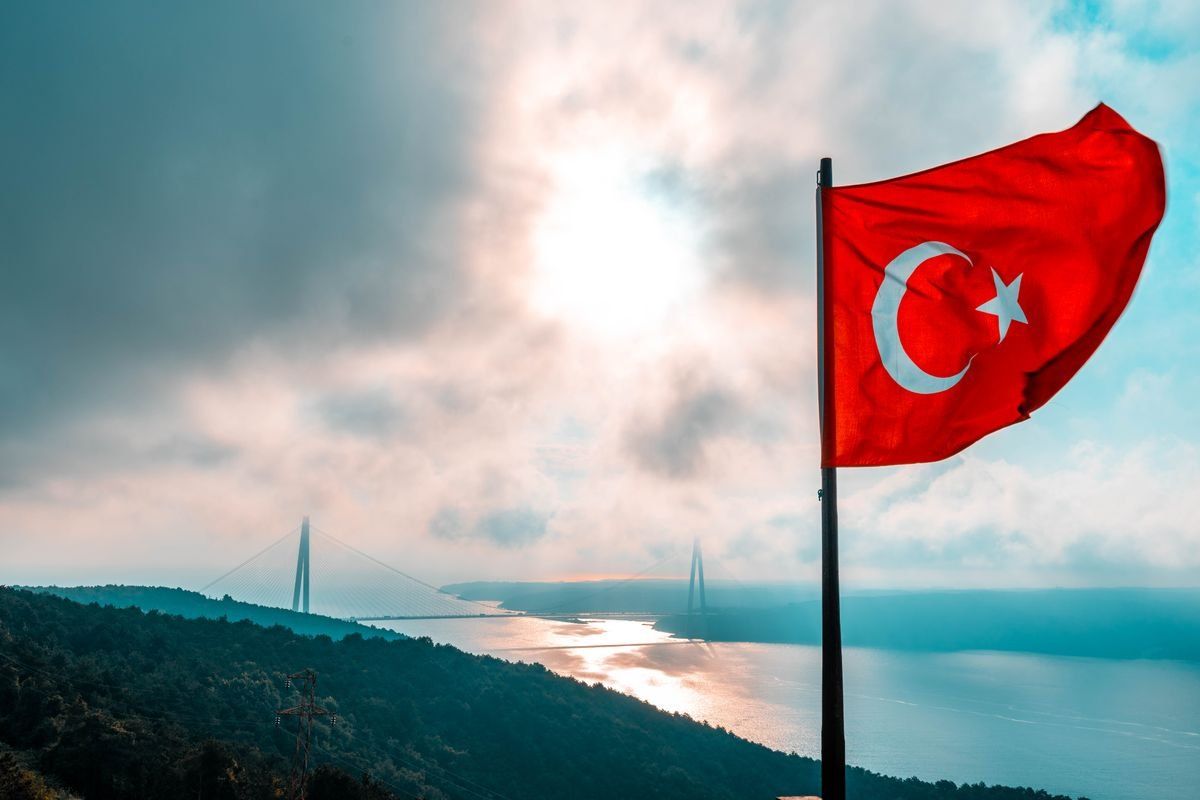
Istanbul is one of the best choices in November because the weather is still manageable and the city’s indoor-outdoor mix makes rain less of a problem. You can balance major landmarks with cafés, hammams, bazaars, and Bosphorus ferries without feeling rushed.
Hagia Sophia, the Blue Mosque, Topkapi Palace, and the Grand Bazaar are all easier to enjoy without peak-season chaos. Add a ferry ride, a fish sandwich by the water, and a dramatic skyline at sunset, and suddenly your city break becomes suspiciously cinematic.
Cappadocia for surreal landscapes
Cappadocia remains a strong pick in November thanks to its unique scenery and lower visitor numbers. The region can be cold, but that cooler air often makes hiking and exploring more comfortable during the day. Early mornings are the real test of character, and by character, we mean thermal layers.
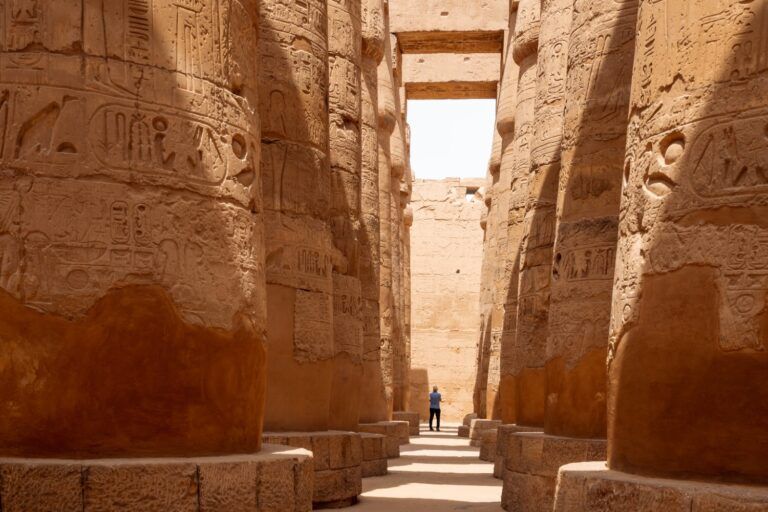
The famous hot air balloons still fly when weather conditions allow, though cancellations are more likely than in peak months. Even without a balloon ride, Göreme, Uçhisar, underground cities, and valley walks make the region worth it.
Ephesus and the Aegean coast for archaeology without the crowds
The Aegean region is excellent in November, especially for travelers interested in history. Cooler temperatures make long walks through archaeological sites far more enjoyable than in summer, when the sun can feel like it has a personal issue with you.
Ephesus is the obvious highlight, but Izmir and smaller towns nearby can also add a relaxed urban touch to your itinerary. This area is ideal if you want to combine ancient ruins, coastal scenery, and a slower rhythm.
Antalya and the Turquoise Coast for the warmest weather
The southern coast is generally the warmest part of Turkey in November. While it is not guaranteed beach weather, it is often mild enough for seaside walks, outdoor lunches, and scenic drives. Early November gives you the best chance of catching warmer days.
Antalya is a practical base thanks to its airport, old town, and access to nearby ruins. This region works especially well for travelers who want a softer introduction to off-season Turkey: less heat, fewer people, and enough sunshine to keep morale very high.
How expensive is Turkey in November?
November is usually cheaper than peak summer and early autumn, especially for accommodation. Flights can also be more affordable depending on your departure city and how far in advance you book. It is not always the absolute cheapest month nationwide, but it often offers one of the best value-for-money balances.
Cost for each areas
In many destinations, you can expect:
- Lower hotel rates than in July, August, and September
- More availability in popular areas like Istanbul and Cappadocia
- Fewer price spikes except around holidays or special events
- Better flexibility for last-minute planning
Balloon rides in Cappadocia, guided tours, and major attractions may not drop dramatically in price, but the overall trip cost can still be easier on the wallet. So yes, your budget may finally stop sending distress signals.
What to pack for a November trip
Packing for November in Turkey means preparing for mixed conditions. Layers are essential because temperatures can shift throughout the day, especially between regions. Comfortable shoes and a light waterproof jacket are usually more useful than trying to pack for one single weather scenario.
Your packing list
A practical packing list should include:
- Layered clothing such as T-shirts, long sleeves, and knitwear
- A waterproof or windproof jacket
- Comfortable walking shoes with good grip
- A warmer coat for Cappadocia or inland travel
- Scarf and compact umbrella for city days
- Sunglasses, because autumn sun can still show off
If your itinerary combines Istanbul, Cappadocia, and the coast, pack for three moods: cool urban autumn, cold sunrise landscapes, and mild Mediterranean afternoons.
What to be aware of before you go
Turkey is generally rewarding and straightforward to visit, but a few practical points matter more in November. Weather variability, shorter daylight hours, and seasonal closures in some resort areas can affect plans. A flexible itinerary helps, especially if you are moving between regions.
Here are the main things to keep in mind:
- Check regional weather instead of relying on one national forecast.
- Allow buffer time for balloon plans in Cappadocia, as flights can be canceled.
- Expect shorter days, which may limit long sightseeing schedules.
- Dress respectfully when visiting mosques and religious sites.
- Use licensed transport and guides, especially in big cities and tourist areas.
- Carry some cash for smaller shops, local cafés, or transport.
It is also worth remembering that resort towns can feel much quieter in late autumn. If you want nightlife, beach clubs, and a fully active seaside scene, summer is a better match. If you want space, charm, and a more local pace, November is right up your alley.
Why November can be the sweet spot
November sits in a sweet spot between the intensity of peak season and the deeper quiet of winter. It offers a more relaxed way to experience Turkey’s highlights, with milder costs and fewer crowds, while still leaving plenty of room for outdoor exploration in many regions.
This is the month for travelers who prefer historic cities over sunbeds, ruins over queues, and tea with a view over sweating through a sightseeing sprint. Turkey feels more spacious, more textured, and in many places, more authentic.
If you want to experience the country with the right mix of culture, landscapes, and good company, take a look at WeRoad group trips to Turkey and find the itinerary that fits your travel style.
FAQ
- Is it worth visiting Turkey in November?
-
Yes, especially if you want fewer crowds, better prices, and comfortable conditions for sightseeing. It is a great month for Istanbul, Cappadocia, Ephesus, and the southern coast, though less ideal for a beach-focused trip.
- Which part of Turkey is warmest in November?
-
The Mediterranean coast, particularly around Antalya and the Turquoise Coast, is usually the warmest part of the country in November, with daytime temperatures often around 18–20°C.
- Is Cappadocia worth it in November?
-
Absolutely. Cappadocia is beautiful in November, with fewer visitors and atmospheric landscapes. It can be cold, and balloon rides may be canceled due to weather, but the region still offers excellent hiking, cave hotels, and cultural sights.
- Is November the cheapest month to go to Turkey?
-
It is often cheaper than summer and early autumn, especially for hotels, but it may not always be the absolute cheapest month overall. For many travelers, it offers the best balance between price, weather, and experience.
- What should I watch out for in Turkey in late autumn?
-
Be aware of changing regional weather, shorter daylight hours, and possible seasonal slowdowns in coastal resort towns. Dress in layers, plan some indoor options, and leave flexibility for weather-dependent activities.