In a nutshell
- Overtourism happens when visitor numbers exceed a destination’s ability to manage tourism sustainably, leading to overcrowding, pressure on infrastructure, environmental damage, and a poorer quality of life for residents as well as a worse experience for travelers.
- The main drivers include cheap transport, cruise tourism, short-term rentals, social media, and strong seasonal concentration, all of which push more people toward the same famous locations at the same time.
- The effects are both visible and structural: packed streets and long queues are the obvious part, but housing shortages, higher living costs, water stress, ecosystem degradation, and loss of local identity are often the deeper long-term consequences.
- Historic cities, islands, cruise ports, and fragile natural areas are especially vulnerable because they have limited space or resources and can be overwhelmed quickly when tourism flows are concentrated in a few hotspots.
- Travelers can help by choosing off-peak periods, staying longer, supporting local businesses, exploring beyond the usual landmarks, and respecting local rules and spaces, making tourism more balanced and beneficial for everyone involved.
Travel can be brilliant. It opens your mind, fills your camera roll, and gives you at least three stories that start with, “So… this was not on the itinerary.” But when too many visitors pile into the same places, at the same time, in the same way, the magic can wear thin for everyone involved.
Overtourism is the point where tourism stops being a positive force and starts putting real pressure on a destination. Residents feel pushed out, public spaces become overcrowded, nature gets damaged, and even travelers end up wondering why they queued 45 minutes for a photo they saw on Instagram in two seconds.
The good news? Responsible travel is not about giving up on popular places forever. It is about making better choices: when you go, where you stay, how you move around, and how your presence affects local communities. Here is what that looks like in practice.
What excessive tourism really means
Excessive tourism happens when the number of visitors exceeds what a place can handle sustainably. The result is a negative impact on local life, infrastructure, heritage, ecosystems, and the overall travel experience. It is not just about crowd size, but about whether tourism still works for residents and the destination itself.
In simple terms, a destination can be popular without being overwhelmed. The problem starts when tourism growth is poorly managed. A city, island, or natural area has a limit, often called carrying capacity. When that limit is pushed too far, the cracks show quickly.
This is why the issue is not only about big capitals or famous landmarks. A tiny alpine village, a tropical beach, a hiking trail, or a neighborhood with narrow streets can all feel the pressure long before visitor numbers look dramatic on paper.
Why it has become such a big issue
The rise in global travel, cheap flights, cruise tourism, short-term rentals, and social media has concentrated more people in fewer places. At the same time, many destinations have focused on increasing arrivals rather than managing them. That combination has made tourism pressure more visible and harder to ignore.
Over the last two decades, traveling has become easier and more accessible. That is great news in many ways, but it has also meant that iconic spots can become saturated very quickly. One viral viewpoint, one trending “hidden gem,” and suddenly it is no longer hidden. Mystery: gone. Drone shots: plentiful.
Several factors have amplified the problem:
- Low-cost transport makes short breaks and repeat visits more common.
- Cruise ships can bring thousands of day visitors at once.
- Short-term rentals may reduce housing availability for residents.
- Social media pushes people toward the same photogenic spots.
- Seasonal travel peaks create intense pressure in a short timeframe.
The result is that many destinations are no longer asking how to attract more tourists, but how to spread them out, slow them down, and make tourism more beneficial for locals.
The main effects on destinations and local communities
When tourism grows beyond a destination’s limits, the effects are social, environmental, and economic. Residents may face higher rents, crowded public services, and loss of neighborhood identity, while visitors encounter queues, congestion, and a less authentic experience.
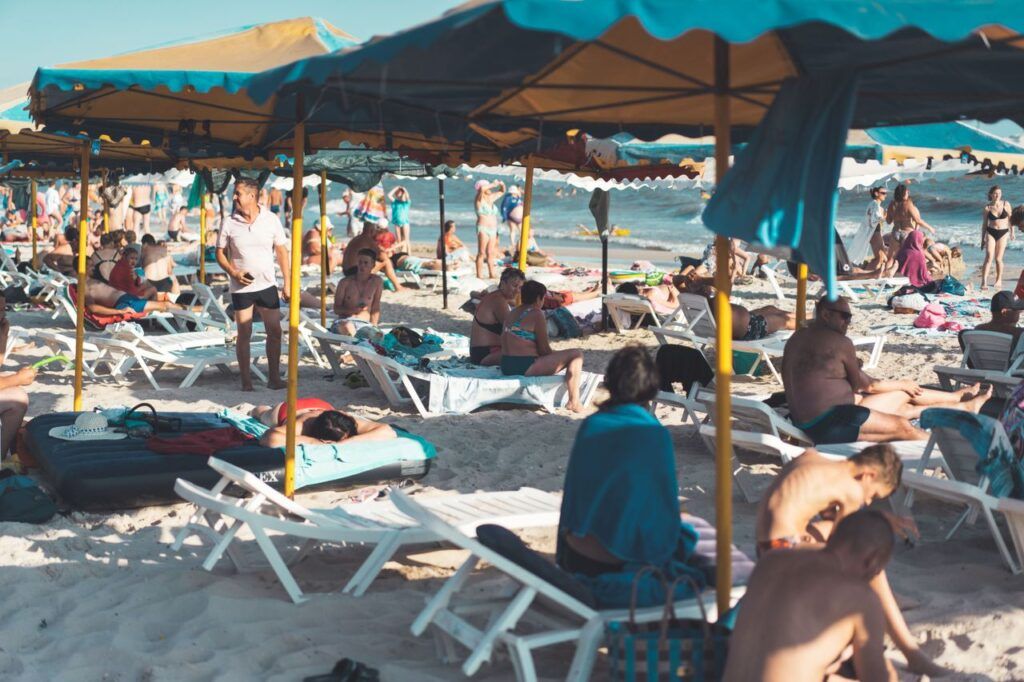
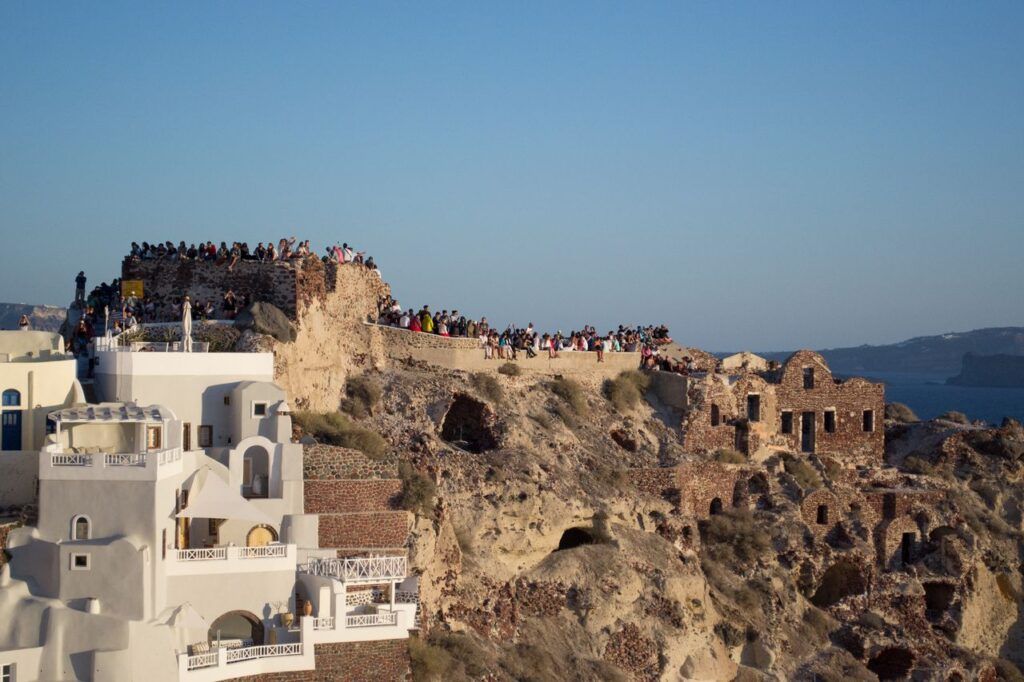
The most visible sign is often overcrowding. Think packed historic centers, beaches where there is more towel than sand, and hiking trails that feel suspiciously like commuter rush hour. But the deeper impacts matter even more.
Pressure on housing and daily life
In many cities, tourism has contributed to rising rents and reduced long-term housing supply. When more apartments become short-term rentals, residents can be priced out of their own neighborhoods. Shops and services also shift toward visitor demand, making everyday life less practical for locals.
This is one reason protests have appeared in destinations across southern Europe. People are not rejecting travel itself. They are reacting to a model that can make their city feel like a backdrop instead of a home.
Environmental damage
Natural areas and fragile ecosystems can deteriorate when visitor numbers are too high. Waste increases, water use rises, paths erode, wildlife is disturbed, and marine habitats can be damaged by boats, anchors, or careless behavior.
Even places marketed as pristine can struggle. A beautiful bay, reef, or mountain trail is not indestructible just because it looks good in sunlight. Nature, rather rudely, refuses to regenerate overnight for our weekend plans.
Loss of quality for travelers too
Visitors also feel the downside when destinations become overcrowded. Long lines, traffic, noise, limited availability, and inflated prices can turn a dream trip into a logistical obstacle course. Responsible travel is not only better for locals; it usually leads to a better trip for you as well.
Places most often affected
Tourism pressure tends to be strongest in destinations with iconic landmarks, limited space, seasonal demand, or fragile infrastructure. Historic cities, islands, cruise ports, and scenic natural areas are especially vulnerable when large visitor flows are concentrated in specific zones.
Some names come up often because their challenges are well documented. The table below shows common patterns.
| Destination type | Why pressure builds quickly | Typical issues |
|---|---|---|
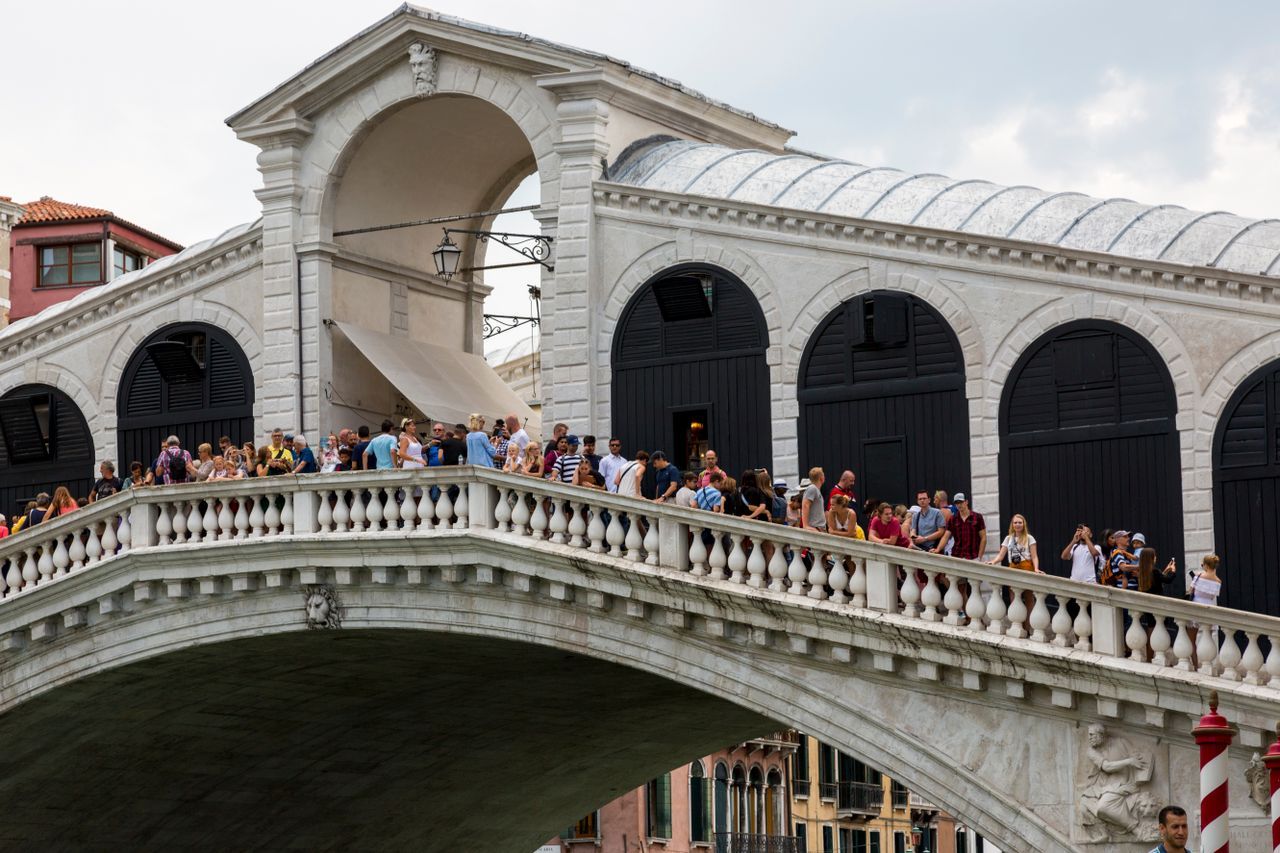
| Historic cities like Venice, Barcelona, Dubrovnik | Narrow streets, iconic landmarks, heavy day-trip traffic | Crowding, housing pressure, resident frustration |
| Islands like Santorini or small tropical destinations | Limited land, water, and infrastructure | Resource strain, waste management problems, congestion |
| Cruise ports | Thousands of visitors arrive at once for short stays | Sudden spikes in footfall, low local spending, traffic |
| Natural hotspots like famous bays, trails, or lakes | Fragile ecosystems and concentrated social-media demand | Erosion, litter, habitat disruption, parking chaos |
This does not mean you should never visit these places. It means they deserve more awareness, planning, and care.
How destinations are responding
Authorities are increasingly using tools such as visitor caps, timed entry, tourist taxes, cruise restrictions, and stricter rental rules. The goal is not always to reduce tourism completely, but to manage it better and protect local quality of life over time.
Different places need different solutions. There is no single fix, because every destination has its own limits, economy, and relationship with tourism. Some examples of current approaches include:
- Timed-entry systems for museums, monuments, and natural sites.
- Visitor taxes used to fund maintenance and services.
- Cruise ship limits in ports with severe crowding.
- Transport controls such as shuttle-only access to fragile areas.
- Restrictions on short-term rentals to protect housing supply.
- Off-season promotion to spread demand throughout the year.
These measures can help, but they work best when local communities are involved in shaping them. Tourism should support a place, not swallow it whole like an all-you-can-eat buffet with no closing time.
How to travel responsibly without giving up great trips
Traveling responsibly means reducing your negative impact and increasing the benefits your visit brings to local people and places. Small decisions matter: travel timing, accommodation choices, transport habits, spending patterns, and respectful behavior can all make a meaningful difference.
You do not need to become a perfect traveler. Frankly, none of us are gliding through airports like enlightened eco-monks. But you can travel more thoughtfully with a few practical habits.
Choose the right time
Traveling in the shoulder season or low season can ease pressure on crowded destinations. It also often means lower prices, fewer lines, and a more relaxed atmosphere for both residents and visitors.
- Avoid peak holiday weeks when possible.
- Visit major attractions early in the morning or later in the day.
- Stay longer instead of rushing through on a packed itinerary.
Stay where your money helps locally
Choosing locally owned accommodation, restaurants, and guides helps keep more tourism revenue in the destination. This supports small businesses and often creates a more genuine connection with local culture.
- Book family-run guesthouses or independent hotels when you can.
- Eat at local restaurants beyond the main tourist strip.
- Join tours led by local guides.
Look beyond the obvious hotspots
Exploring lesser-known neighborhoods, regions, or nearby towns can reduce pressure on saturated areas while giving you a richer experience. Often, the places you did not originally pin on your map become the ones you remember most.
That famous square may be wonderful, yes. But the side street with the bakery, the market, and the old man arguing lovingly about tomatoes? That is travel gold.
Want to skip the crowds without missing out? Read our guide to destination dupes and smarter alternatives.
Respect space, rules, and routines
Responsible travel includes observing local customs, following site regulations, and treating public and residential spaces with care. A destination is not a theme park, and not every corner exists for content.
- Do not block streets, doorways, or trails for photos.
- Stay on marked paths in natural areas.
- Keep noise down in residential neighborhoods.
- Follow limits on swimming, drones, waste disposal, and transport access.
A better way to see the world
Tourism is not the enemy. Poorly managed tourism is the problem. The best response is not guilt, but awareness: choose places carefully, travel at a better pace, and act like a guest rather than a consumer of scenery.
Responsible travel does not make a trip less exciting. If anything, it makes it more meaningful. You notice more, rush less, spend better, and leave a lighter footprint. Which is a much nicer legacy than “I got the exact same photo as 4,000 other people and sunburned in the queue.”
If you want to explore the world with more attention to people, places, and shared experiences, discover WeRoad group trips and find an itinerary that lets you travel with curiosity and respect.
FAQ
- What is meant by overtourism?
-
It refers to a situation where a destination receives more visitors than it can handle sustainably. This creates negative effects for residents, the environment, infrastructure, and even for tourists themselves.
- Which places are most affected by tourism pressure?
-
Historic cities, islands, cruise destinations, and famous natural sites are often the most affected. Places with limited space, fragile ecosystems, or high seasonal demand tend to feel the impact more quickly.
- Is it wrong to visit popular destinations?
-
No, but it helps to visit them thoughtfully. Traveling in quieter periods, staying longer, supporting local businesses, and respecting local rules can reduce your impact and improve your experience.
- How can I be a more responsible traveler?
-
You can choose shoulder-season travel, avoid overcrowded times of day, stay in locally owned accommodation, use local guides, respect neighborhoods and nature, and spend your money in ways that benefit the community.
- Are tourist taxes and visitor caps useful?
-
They can be, especially when the revenue is used to maintain infrastructure, protect heritage, and improve local services. Their effectiveness depends on how well they are designed and managed by the destination.