

In a nutshell
- The most balanced months are usually April to June and September to October, when Bali often has drier weather, pleasant humidity and fewer crowds than peak summer, making these periods ideal for a well-rounded trip.
- The dry season runs from April to October and is best for beaches, surfing, snorkeling, diving and outdoor exploring, while the rainy season from November to March brings greener landscapes, lower prices and more variable weather.
- July, August and the Christmas-New Year period are the busiest times, with higher prices, more traffic and more crowded hotspots, especially in popular areas like Ubud, Canggu, Seminyak and Uluwatu.
- The cheapest months are generally January to March, excluding holiday peaks, and they suit travelers who prioritize budget, flexibility and cultural or wellness experiences over guaranteed beach weather.
- Your ideal timing also depends on where you stay: Uluwatu is often drier, Ubud is cooler and greener, and the Nusa islands are best enjoyed in more stable sea conditions during the drier part of the year.
Bali is one of those places that looks good in photos all year long, which is both wonderful and mildly unhelpful when you’re trying to pick dates. Sunny beaches, temple visits, rice terraces, surf sessions and jungle stays can all be amazing here, but the overall experience changes a lot depending on rain, humidity, prices and crowds.
In short, the ideal time depends on what matters most to you: better weather, fewer people, or lower costs. The sweet spot for many travelers is usually in the shoulder months, when Bali feels lively but not overwhelmingly busy. Think of it as catching the island on a good hair day.
At a glance: when Bali is at its best
For most travelers, the most pleasant months are April to June and September to October. These periods often combine drier weather, manageable humidity and fewer crowds than the peak summer rush. They also work well for beaches, sightseeing and moving around the island with less stress.
If you want the short version, here it is:
| Period | What to expect | Best for |
|---|---|---|
| April to June | Drying weather, lush landscapes, moderate crowds | Balanced trips, beaches, temples, Ubud, surfing |
| July to August | Sunny, busy, pricier, more traffic | Classic summer holidays, beach time, outdoor activities |
| September to October | Dry season comfort with fewer visitors | Couples, active trips, photography, snorkeling |
| November to March | Rainier, humid, quieter outside holidays | Lower prices, greener scenery, culture-focused travel |
Bali weather by season

Bali has a tropical climate with two main seasons: the dry season and the rainy season. Temperatures stay warm throughout the year, usually around 27 to 31°C, so the biggest differences are rainfall, humidity and sea conditions rather than dramatic temperature swings.
Dry season: April to October
This is generally the most comfortable time to travel around the island. Days are sunnier, humidity is lower and rain is less frequent, which makes it easier to plan beach days, temple visits, hikes and boat trips without checking the sky every seven minutes.
The dry season is the most popular period for good reason. You’ll usually get clearer skies, cleaner beach conditions in many coastal areas and better visibility for snorkeling and diving. It’s also the best stretch for outdoor plans such as waterfall trips, sunrise trekking or hopping between beach clubs and viewpoints.
That said, this lovely weather is not exactly a secret. Popular areas like Canggu, Seminyak, Ubud and Uluwatu can get very busy, especially in midsummer. Bali traffic also has a flair for the dramatic, so a short ride can become a philosophical journey.
Rainy season: November to March
The wetter months bring heavier showers, higher humidity and more unpredictable days. Rain often comes in intense bursts rather than lasting all day, but some weeks can feel much stormier than others. The upside is fewer crowds, greener scenery and better chances of finding lower rates.
This season can still work well if your trip is more about wellness, culture, cafés, temples and slow travel than full days in the sun. Ubud looks especially lush, and the rice terraces can be spectacular. On the other hand, sea conditions may be rougher, visibility for underwater activities can drop and some beaches may collect debris after storms.
December is a special case: even though it falls in the rainy season, the holiday period around Christmas and New Year is one of the busiest and most expensive times of year. So yes, you can get both rain and crowds at once. A generous combo.
The best months based on your travel style

The right month depends on the kind of Bali trip you want. Some months are better for beach lovers, others suit budget travelers or those who prefer greener landscapes and a quieter vibe. Matching the season to your priorities makes planning much easier.
For beaches, surfing and island hopping
The strongest months are usually May to September. Weather is generally drier, the sea is more inviting for many activities and there’s a better chance of sunny days in places like Uluwatu, Nusa Lembongan and Nusa Penida.
If you dream of surf sessions, sunset drinks and boat trips that don’t feel like a scene from an action movie, this is the safer window. Visibility for diving and snorkeling is also often better during these months.
For fewer crowds
The most pleasant quieter periods are usually April, May, September and October. These shoulder months often offer a very good balance between weather quality and crowd levels, especially compared with July, August and late December.
You’ll still find Bali lively, but with a little more breathing room at cafés, temples and scenic spots. Translation: fewer elbows in your sunset photo and less waiting behind seventy scooters at every intersection.
For lower prices
The cheapest time tends to be in the rainy season, especially from January to March, with the exception of festive holiday dates. Accommodation deals are often easier to find, and some activities may be discounted outside peak demand.
Flights can also be more affordable depending on your departure market. If budget matters more than perfect weather, this can be a smart choice, as long as you stay flexible and build your itinerary around mixed conditions.
For honeymoon or a more relaxed trip
The most rewarding months are often May, June and September. These periods usually feel calmer than peak summer, while still offering beautiful weather for beach stays, private villas, spa time and scenic dinners.
If your Bali mood board includes infinity pools, tropical breakfasts and saying “let’s stay one more night” at least three times, these months make that fantasy easier to pull off.
Best and less ideal months to consider
Some months stand out for their balance, while others can be trickier depending on your expectations. No month is completely off-limits, but understanding the trade-offs helps you avoid booking a beach-heavy trip during a stormy stretch.
- Best overall months: May, June and September
- Very good months: April and October
- Busy but great weather: July and August
- Cheaper but wetter: January, February and March
- Mixed and less predictable: November and December
January and February are often considered the least attractive months for classic beach holidays because rain, humidity and rougher coastal conditions can affect plans. Still, they’re not a disaster if your goal is a slower, greener and more budget-conscious escape.
Regional differences across Bali
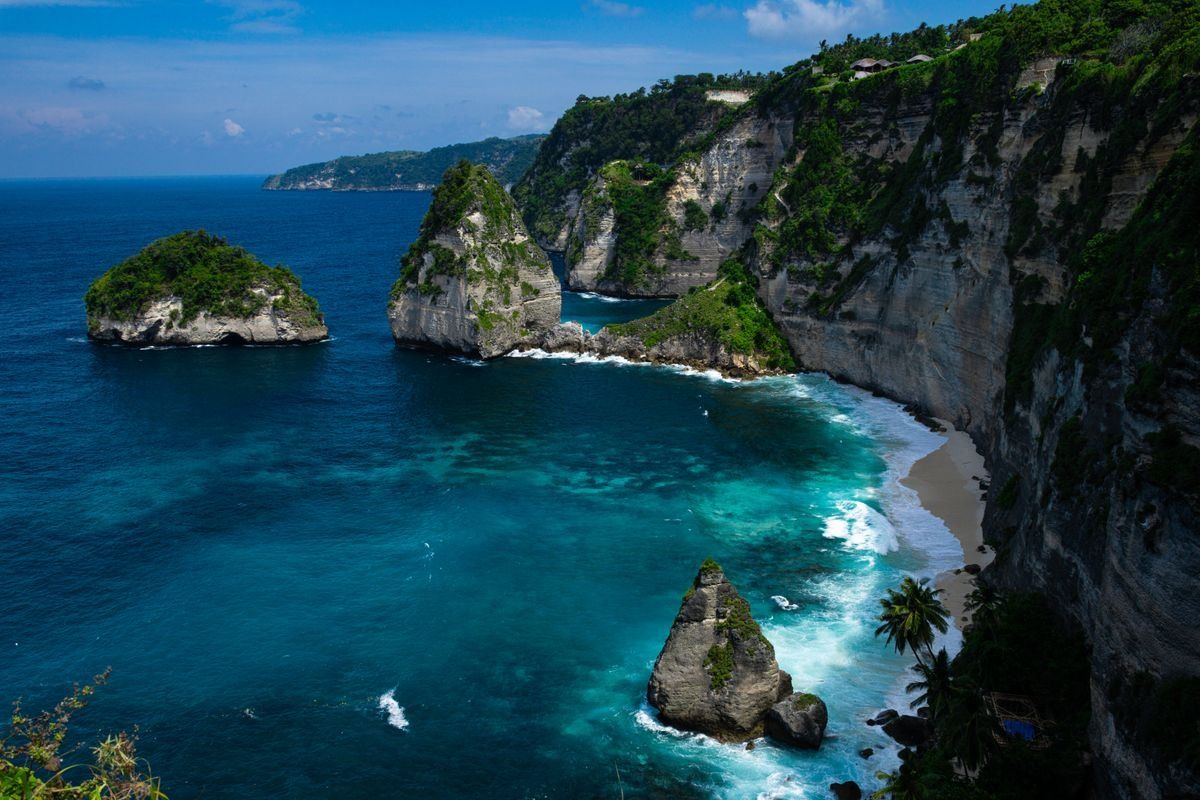
Weather conditions are not exactly identical across the island. Coastal hotspots, inland highlands and southern cliff areas can feel quite different, so your base matters almost as much as the month you choose.
| Area | Typical feel | When it shines most |
|---|---|---|
| Ubud | Greener, cooler, more humid, cultural | April to June, September to October |
| Canggu/Seminyak | Beach clubs, surfing, nightlife, busy roads | May to September |
| Uluwatu | Drier, cliff views, surf spots, sunsets | May to October |
| Nusa islands | Sunny, scenic, marine activities, exposed seas | June to September |
Inland areas such as Ubud and Kintamani can feel cooler, especially in the morning and evening. Southern areas like Uluwatu are often drier. If you’re splitting your stay between beach and jungle, you’ll get a more complete view of Bali and a better chance of matching each stop to the weather.
How much time do you need in Bali?
To enjoy Bali properly, it helps to stay at least 7 to 10 days. The island may look compact on a map, but travel times can be long due to traffic, and different areas offer very different atmospheres.
For a first trip, a balanced plan could include:
- Ubud for temples, rice terraces and a slower rhythm
- Uluwatu for cliffs, beaches and sunsets
- Canggu or Seminyak for social energy, restaurants and nightlife
- Optionally, a short extension to the Nusa islands for sea views and snorkeling
Trying to squeeze everything into four days is possible, but it will feel a bit like speed dating with an island. Charming, yes. Relaxing, not really.
Practical tips before you book

A few practical choices can improve your trip regardless of season. Booking dates is only part of the puzzle; where you stay, how you move around and what you pack can make a big difference once you arrive.
- Book early for July, August and the Christmas period
- Pack light clothing, but add a waterproof layer in wetter months
- Plan around traffic and avoid overloading each day
- Check sea conditions before island boat trips in the rainy season
- Stay flexible if traveling between November and March
It’s also worth remembering that Bali is more than beaches. Even when the weather isn’t perfect, the island still offers temples, food, spa experiences, artisan villages and landscapes that know exactly how to show off.
Choosing your moment for Bali
The most rewarding time to go is often during April to June or September to October, when weather and crowd levels tend to be well balanced. If you want the driest conditions, aim for the middle of the dry season. If you want lower costs, the wetter months may suit you better.
In the end, there’s no single perfect answer for everyone. Bali can be sunny, spiritual, chaotic, peaceful and wildly photogenic in different ways throughout the year. The trick is choosing the version of the island that fits your travel style best. And if you want to experience it with the right mix of adventure and good company, take a look at the WeRoad group trips to Bali.
FAQ
- Is $1000 enough for a week in Bali?
-
Yes, $1000 can be enough for a week in Bali if you travel mid-range or budget-conscious. It usually covers a decent guesthouse or simple hotel, local meals, scooter or app-based transport and a few activities. It may feel tight if you want luxury villas, beach clubs every day or private drivers throughout the trip.
- What are the best and worst months to go to Bali?
-
The best months are often May, June and September thanks to good weather and fewer crowds. The least ideal months for a beach-focused trip are usually January and February, when rain, humidity and rougher sea conditions are more common.
- Is Thailand better or Bali?
-
Neither is objectively better; it depends on the trip you want. Bali is great for compact travel, Hindu culture, surf, wellness and a mix of beaches and jungle. Thailand offers more variety across a larger country, often with easier internal transport and a broader range of islands and cities.
- What is the cheapest time to go to Bali?
-
The cheapest period is usually during the rainy season, especially January to March, excluding festive holiday weeks. Hotel prices are often lower, and you may find better flight deals too, although weather conditions are less predictable.
- Is Bali worth visiting in the rainy season?
-
Yes, Bali can still be worth visiting in the rainy season if you’re flexible. You may get lower prices, fewer crowds and beautifully green scenery. It’s a good time for cafés, temples, spa stays and Ubud-based trips, but less reliable for full beach days and boat excursions.
- How many days are enough for a first trip to Bali?
-
For a first visit, 7 to 10 days is a good minimum. This gives you enough time to combine different areas like Ubud, Uluwatu and one beach hub without rushing too much or spending the whole trip in traffic.