In a nutshell
- Peru is a year-round destination, but the best travel window depends on the region: the Andes are best in the dry season from May to October, the coast shines from December to March, and the Amazon changes mainly according to water levels rather than temperature.
- Machu Picchu is usually at its best from May to September, with May and September offering the strongest balance between weather and crowd levels, while June to August bring the clearest skies but also the highest demand, cold nights and the busiest visitor flow.
- February is the least suitable month for the classic Inca Trail because the route closes for maintenance, while the wet season from November to March can still work for Peru trips focused on quieter visits, greener landscapes and coastal destinations like Lima and Paracas.
- A 7-day itinerary is enough for a first introduction if you focus on a route such as Lima, Cusco, the Sacred Valley and Machu Picchu, but travelers wanting to add the Amazon, Lake Titicaca or southern Peru should ideally plan 10 to 14 days.
- Good planning is essential: book Machu Picchu tickets and trains early in peak season, pack for altitude and temperature swings, carry tissues or toilet paper for practical stops, and always check official travel advisories for current safety and transport conditions.
Peru is one of those rare destinations that can give you ancient ruins, high-altitude cities, jungle humidity, desert coastlines and world-class food all in one trip. That also means there isn’t one universal perfect month for everyone. The right timing depends on what you want most: clear mountain views, fewer crowds, better prices or a bit of everything.
If Machu Picchu is the star of your itinerary, weather matters a lot. But Peru is much bigger than one postcard-famous citadel. Lima, the Sacred Valley, Lake Titicaca and the Amazon all follow different seasonal patterns, which is why smart planning can make the difference between “amazing trip” and “why are my socks permanently wet?”
When to go to Peru at a glance
The most balanced months for a trip across Peru are usually April, May, September and October. These shoulder-season periods often bring a sweet mix of decent weather, manageable crowds and good conditions for combining the Andes with other regions. If your focus is trekking, the dry season from May to October is generally the safest bet.
In simple terms, Peru has three climate zones that behave differently:
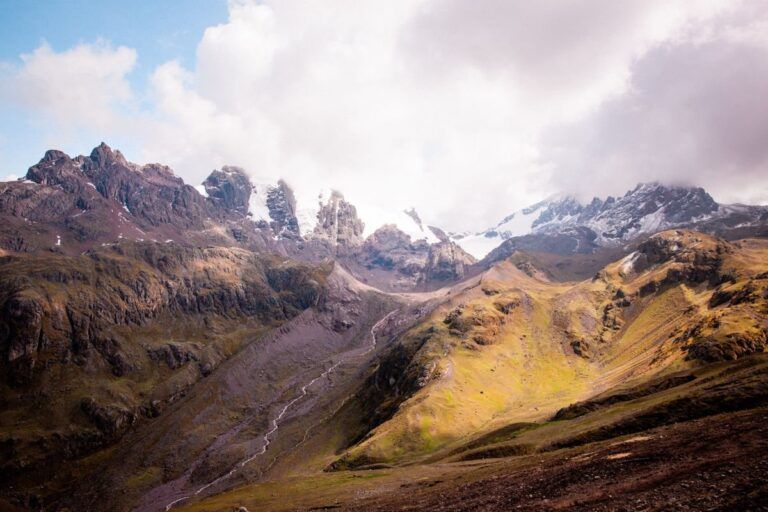
- The Andes (Cusco, Sacred Valley, Machu Picchu): dry season roughly from May to October, rainy season from November to April.
- The coast (Lima, Paracas, beach areas): best beach weather from December to March, greyer skies from late autumn to spring.
- The Amazon: hot all year, with changing water levels affecting access, wildlife viewing and activities.
So yes, Peru is a year-round destination. But no, your suitcase should not be packed the same way in Lima in January and Cusco in July. Peru likes variety and apparently expects you to do the same.
Best months for Machu Picchu
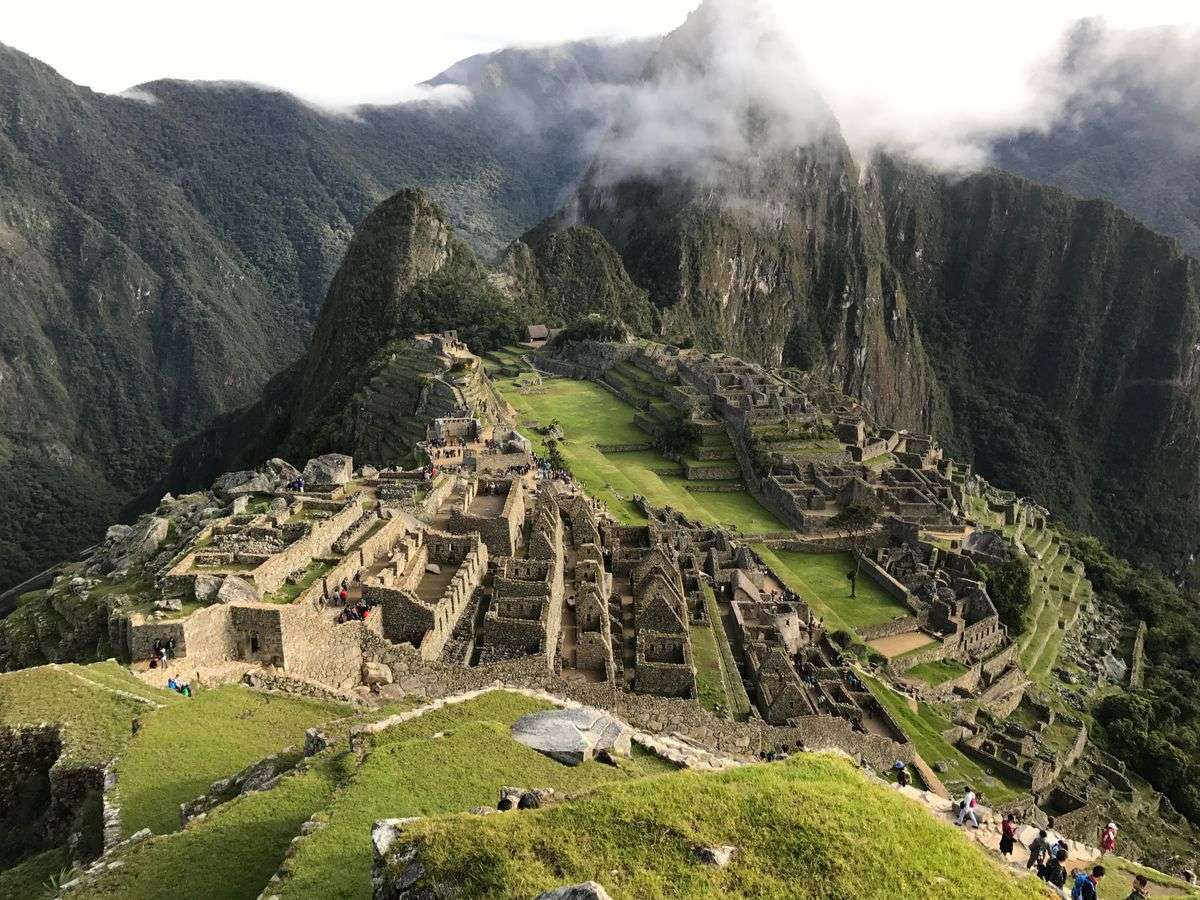
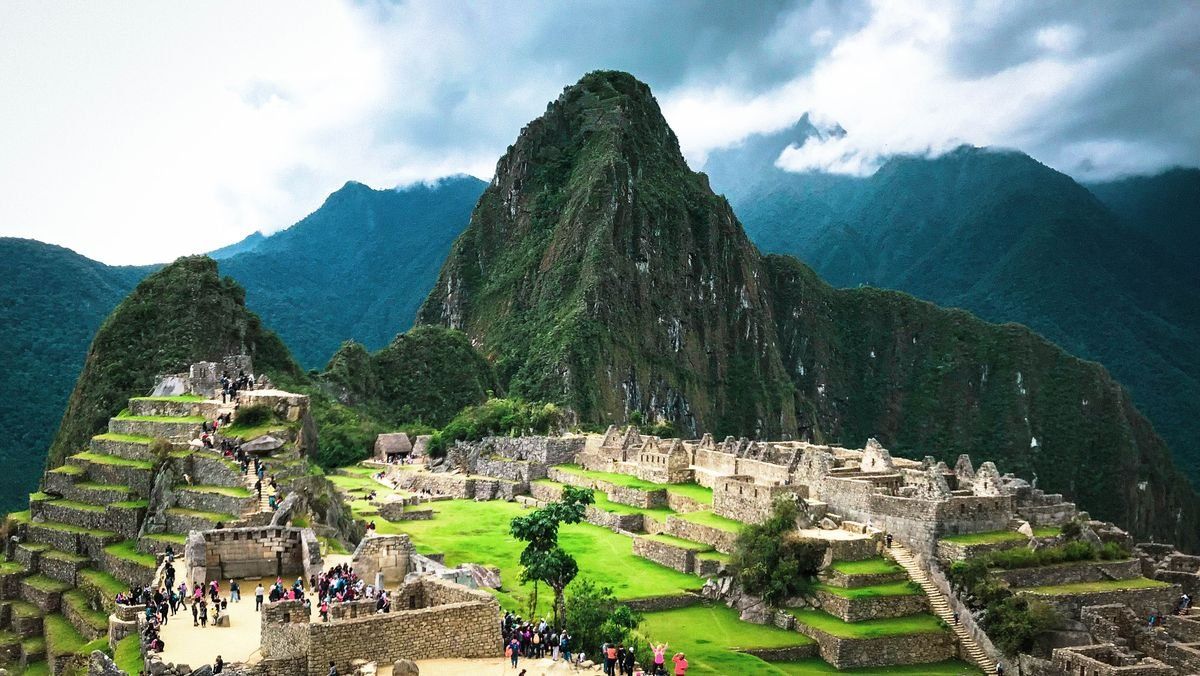
The clearest conditions for visiting Machu Picchu are usually found between May and September. These months tend to be drier in the Andes, which means better visibility, more reliable trains and trails, and less chance of hiking through mud that seems personally offended by your shoes.
May and September: the smartest compromise
For many travelers, May and September are the ideal months. You still get a strong chance of clear skies, but crowds are often lighter than in the peak of summer holidays. Landscapes can also look greener than in the heart of the dry season.
These months are great if you want:
- Good trekking conditions
- Fewer people than June to August
- A better balance between weather and prices
June to August: best weather, biggest crowds
June, July and August are peak season in the Cusco region. Conditions are usually excellent for hiking and sightseeing, with bright days and lower rainfall. This is also when demand is highest for Machu Picchu tickets, trains, guides and accommodation.
If you travel in these months:
- Book well in advance
- Expect cold nights in Cusco and the Sacred Valley
- Prepare for busier viewpoints and timed entry logistics
November to March: greener, wetter, quieter
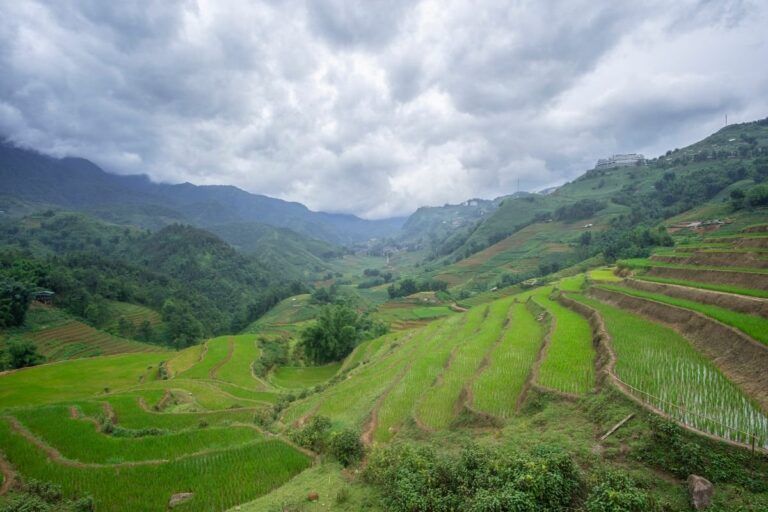
The wet season brings more rain to the Andes, especially from December to March. That does not mean Machu Picchu shuts down. The site is open year-round, but weather can be less predictable, trails muddier and views hidden by mist or cloud.
That said, there are upsides:
- Lower crowd levels in many periods
- Lusher scenery
- Occasional lower prices outside holiday peaks
February is the month to treat with the most caution if your dream is the classic Inca Trail, because it closes for maintenance. Machu Picchu itself remains open, but if hiking that specific trail is non-negotiable, this is not your month.
Peru by season
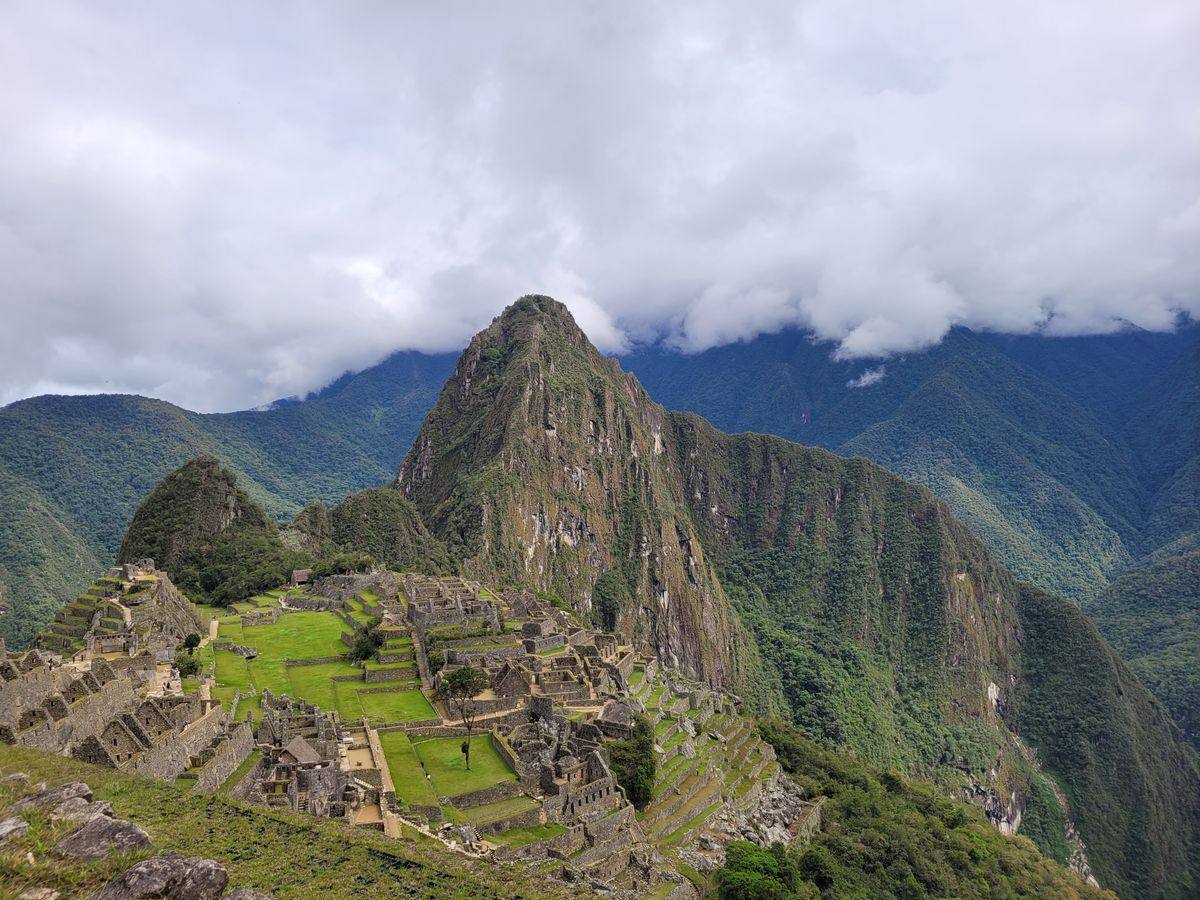
The easiest way to choose when to visit is to match the season with your travel style. Some travelers want crisp mountain mornings and long hikes. Others want ceviche by the ocean and zero interest in freezing at sunrise. Both are valid life choices.
| Season | Months | What to expect | Best for |
|---|---|---|---|
| Shoulder season | April-May | Greener landscapes, improving weather, moderate crowds | Machu Picchu, Sacred Valley, balanced itineraries |
| Peak dry season | June-August | Clear skies in the Andes, cold nights, busiest tourist period | Trekking, classic first-time trips, festivals |
| Shoulder season | September-October | Mostly dry in the highlands, fewer crowds than peak months | Machu Picchu, Amazon, value-conscious travelers |
| Wet season | November-March | Rainier Andes, sunny coast in summer, lush scenery | Lima, Paracas, quieter mountain visits |
Choosing the right time by destination
The best period for Peru changes depending on the region. If you want to combine several stops in one trip, it helps to know where seasonal trade-offs are worth it. Spoiler: they often are, especially if you are flexible and don’t expect the entire country to behave like one giant weather app.
Cusco and the Sacred Valley
Cusco and the Sacred Valley are most comfortable from May to October. Days are usually sunnier, while nights can be very cold due to the altitude. April and September are particularly appealing for travelers who want solid weather without the busiest crowds.
Plan extra time here for acclimatization. Altitude does not care how fit, optimistic or spiritually prepared you are.
Lima and the coast
Lima is best enjoyed from December to March, when it is warmer, sunnier and more summery. This is the moment for ocean views, rooftop drinks and that dangerously confident thought of “I could totally move here and live on ceviche.”
From roughly May to October, the city is often covered by garúa, a cool coastal mist. It is not heavy rain, but it can make the city feel grey. The upside is that Lima’s food scene works brilliantly in any month.
The Amazon
The Peruvian Amazon is hot and humid all year. The choice here is less about temperature and more about water levels. June to October often makes forest walks easier, while wetter months can improve boat access deeper into flooded forest areas.
If the Amazon is part of your trip, choose based on your preferred experience:
- Drier months: better for trails and lodge-based exploration
- Wetter months: better for river navigation and different wildlife perspectives
Month-by-month highlights
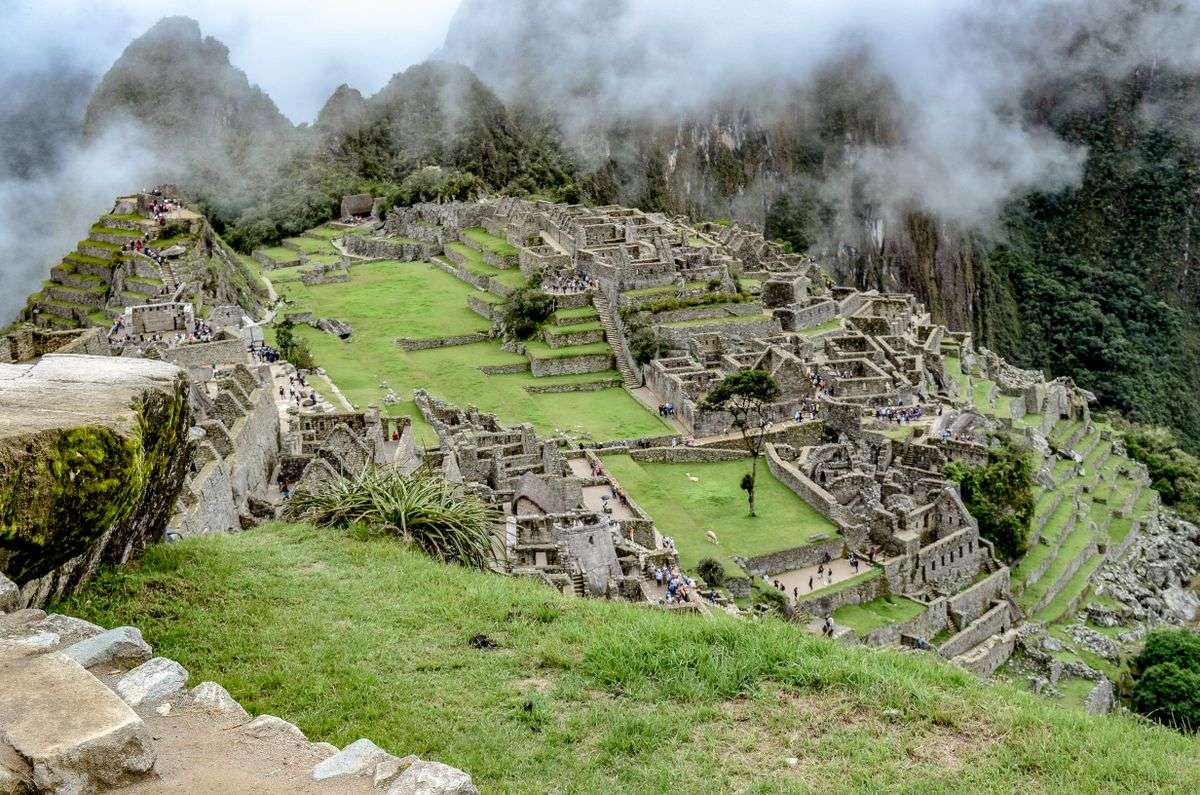
A month-by-month view helps if your travel dates are fixed. Peru does not hand out a one-size-fits-all answer, but it does leave plenty of clues. Think of this as the cheat sheet your future self will thank you for while not standing in a mountain downpour wearing the wrong jacket.
- January: Wet in the Andes, sunny on the coast, good for Lima and Paracas.
- February: Wettest highland period, Inca Trail closed, better for coast and some Amazon itineraries.
- March: Transition month, fewer crowds, improving conditions late in the month.
- April: One of the best shoulder months, green landscapes and better skies.
- May: Excellent for Machu Picchu and the Sacred Valley, before peak crowds.
- June: Dry and festive, ideal for trekking and Andean celebrations like Inti Raymi.
- July: Peak season, reliable weather, cold nights and high demand.
- August: Great visibility in the Andes, still busy, strong trekking month.
- September: Dry conditions with slightly fewer crowds, a very strong all-round choice.
- October: Another smart shoulder month, mostly good weather with occasional showers.
- November: Start of the rainy season in the Andes, lower crowds and good value.
- December: Rain returns to the mountains, but coast conditions improve for summer travel.
Is 7 days enough for Peru?
Seven days can be enough for a first taste of Peru, especially if you focus on one region plus one city. A week works well for a route like Lima + Cusco + Sacred Valley + Machu Picchu, but it is not enough for a deep dive into the whole country.
If you only have a week, keep your plan realistic:
- Spend at least a couple of nights around Cusco or the Sacred Valley
- Avoid cramming Lima, the Amazon, Lake Titicaca and Arequipa into one sprint
- Leave room for altitude adjustment and transport time
If you have 10 to 14 days, Peru opens up beautifully. That is when you can start combining mountains, cities and jungle without feeling like you are chasing your own itinerary with a backpack on.
Practical tips before you book
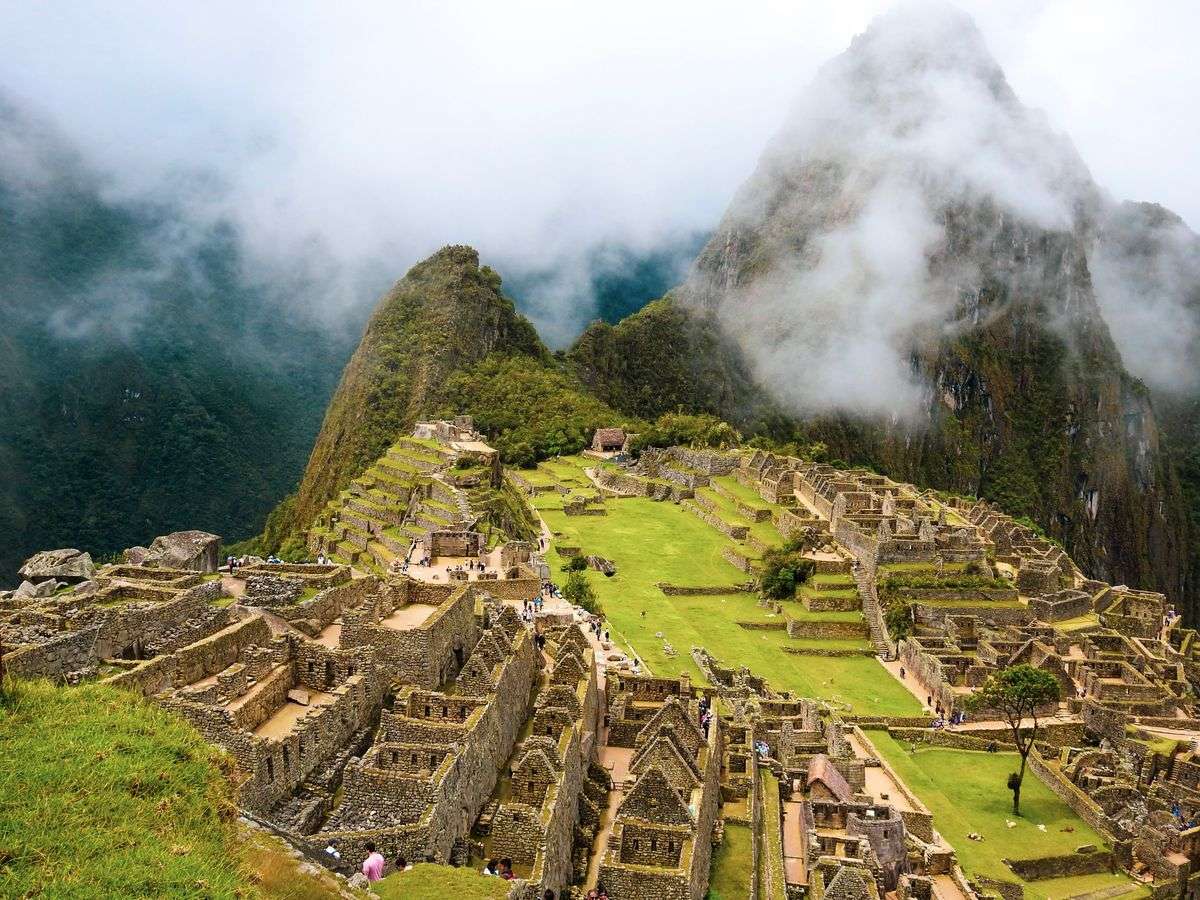
Timing matters in Peru not just for weather, but also for logistics. Entry tickets, trains and treks can sell out long before departure, especially in the dry season. A little planning goes a very long way here, and by “a little” we mean more than three days of optimistic scrolling and one screenshot folder.
- Book Machu Picchu early, especially for June to August
- Pack layers for altitude, even in dry months
- Bring rain protection if traveling from November to April
- Keep toilet paper or tissues handy for buses, public bathrooms and remote stops
- Check current travel advisories and local transport updates before departure
On safety, Peru is generally visited by large numbers of travelers every year, but conditions can change due to protests, weather events or transport disruptions. It is always wise to check official advisories and monitor local news before and during your trip.
So, when is the right time for your Peru trip?
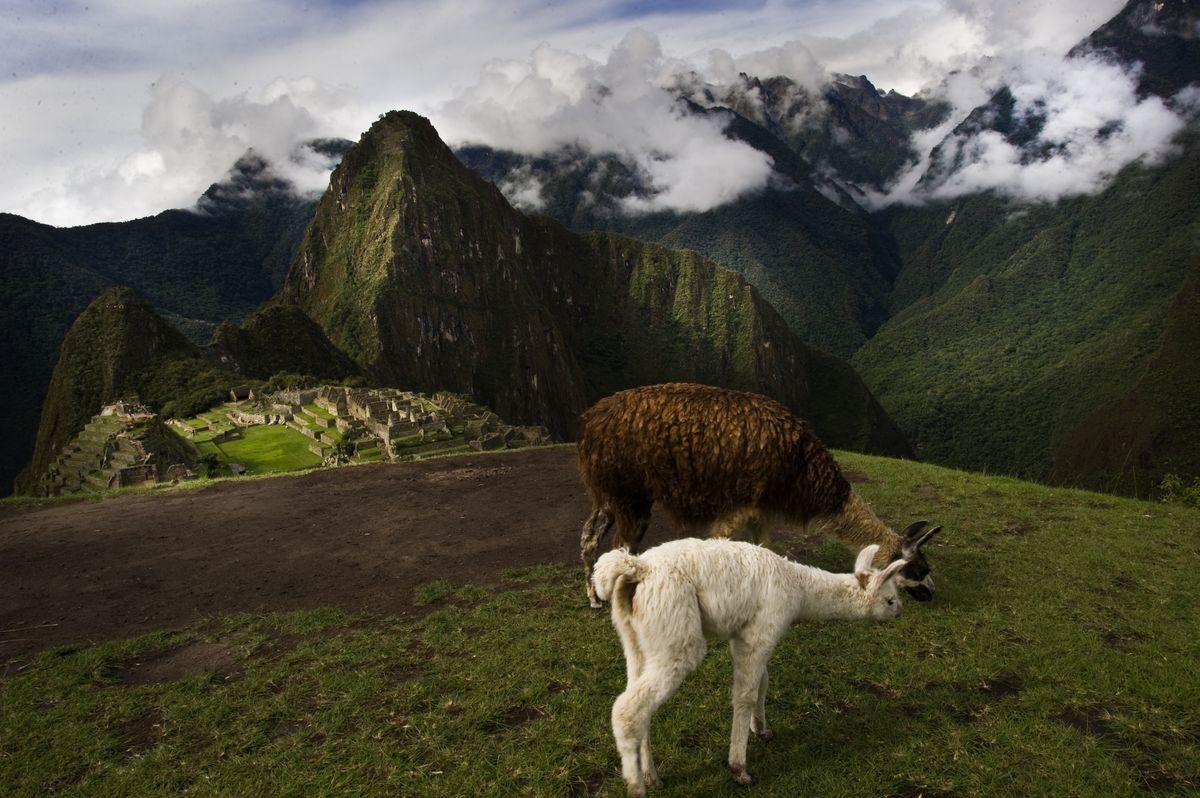
The ideal moment to visit Peru depends on your priorities. For clear Andean weather and trekking, aim for May to September. For fewer crowds and a better overall balance, look at April, May, September or October. For Lima and the coast, December to March is usually the most enjoyable window.
There is no single perfect month for every itinerary, and that is part of Peru’s charm. It is a country of contrasts, and the smartest trips are the ones built around the experience you actually want. If you’re ready to explore it with good company, discover WeRoad group trips to Peru and start planning an adventure that goes well beyond Machu Picchu.
FAQ
- What is the best month to visit Machu Picchu?
-
For many travelers, May and September are the best months. They usually offer good weather, clearer views and fewer crowds than the busiest peak-season period in June, July and August.
- When should I avoid visiting Machu Picchu?
-
If you want to hike the classic Inca Trail, avoid February, because the trail closes for annual maintenance. More broadly, the wettest months from January to March can bring muddy conditions, transport disruptions and less reliable visibility.
- Should I bring toilet paper to Peru?
-
Yes, it is a smart idea. In public restrooms, bus stops or remote areas, toilet paper is not always guaranteed. Carrying tissues or a small roll can save you from an unexpectedly dramatic travel moment.
- Is 7 days in Peru enough?
-
Yes, for a focused first trip. One week is enough for Lima, Cusco, the Sacred Valley and Machu Picchu, but not for seeing all of Peru comfortably. For a broader itinerary, 10 to 14 days is better.
- Is it safe to go to Peru right now?
-
Peru can be safe for travelers, but the situation may vary depending on weather, transport disruptions or political demonstrations. Before booking and before departure, check official government advisories and local updates for the regions you plan to visit.