In a nutshell
- Choose the backpack based on trip type and airline rules, not on maximum storage temptation: a 30L to 45L bag is often ideal for balancing comfort, mobility, and carry-on practicality.
- Plan before packing by considering weather, activities, trip length, and laundry access; using a simple structure like the 5-4-3-2-1 rule helps keep clothing realistic and versatile.
- Use a mixed packing method: roll lighter garments, fold wrinkle-prone pieces, and organize everything with packing cubes or compression cubes to save space and improve access.
- Distribute weight strategically by placing heavier items close to your back, lighter bulky items at the bottom, and essentials like documents, medicine, and snacks at the top or in easy-access pockets.
- Avoid common travel-day mistakes such as forgetting chargers or medication, exceeding liquid limits, or burying airport-security items deep in the bag, which slows you down and adds unnecessary stress.
Packing a backpack sounds easy until you’re sitting on the floor, surrounded by “essentials” that somehow include three hoodies, two books, and a mystery cable from 2017. The good news is that a well-packed bag can make every part of a trip smoother, from airport security to train changes and hostel stairs.
The trick is not just what you pack, but how you arrange it. A smart setup saves space, protects your gear, and keeps the things you need most exactly where you expect them to be. Less chaos, fewer shoulder complaints, more room for snacks. Priorities.
Start with the right backpack
The best packing method begins with a backpack that fits your trip, your body, and your airline limits. A bag that is too large invites overpacking, while a bag that is too small turns every zipper into a test of character. Comfort, structure, and accessibility matter more than fancy extras.
For most trips, a 30L to 45L travel backpack works well. If you want to travel carry-on only, always check the airline’s size and weight rules before packing. Look for features like:
- Padded shoulder straps and back panel
- Hip belt for heavier loads
- Clamshell opening for easier access
- Compression straps to stabilize the load
- Separate compartments for tech, toiletries, or shoes
If your backpack is enormous, you will be tempted to fill it. And nature hates a vacuum, but airline check-in desks love charging for it.
Plan before you pack
Before putting a single sock into the bag, define the trip conditions and your daily needs. Climate, trip length, laundry access, and planned activities should guide your packing list. This step helps prevent duplicates, “just in case” items, and the classic mistake of packing for five different personalities.
Ask yourself:
- What weather am I actually going to face?
- Will I have access to laundry?
- Do I need special gear for hiking, beach days, or city evenings?
- How often will I move from place to place?
A simple packing list is your best defense against overpacking. Keep it realistic and focused on versatile items that can be mixed, layered, and re-worn.
A simple rule to keep clothes under control
A useful framework is the 5-4-3-2-1 packing rule. It gives you a balanced starting point and keeps your clothing count manageable. You can adapt it based on destination, but the principle remains the same: pack enough, not everything you own.
In practice, this often means:
- 5 tops
- 4 bottoms or lower-body options
- 3 pairs of shoes
- 2 dresses, layers, or special items
- 1 set of essentials like jacket or outfit for a specific occasion
It is not a strict law carved into airport marble, but it helps you avoid bringing eight T-shirts for a four-day trip.
Choose the best packing method
The most efficient way to pack clothes depends on fabric, bag shape, and how organized you want to stay. Rolling saves space and can reduce wrinkles for lighter garments, while folding works better for structured pieces. Packing cubes or compression bags help keep everything compact and easy to find.
There is no universal winner in the roll vs fold debate. The smartest approach is often a mix:
- Roll T-shirts, activewear, underwear, and light trousers
- Fold shirts, dresses, or clothes that wrinkle easily
- Use packing cubes to group items by category or outfit
- Use compression cubes carefully if space is tight
Think of your backpack like a tiny apartment. Everything needs a place, and random piles are not a design concept.
How to pack your backpack step by step
A balanced backpack should place heavy items close to your back, frequently used items near the top, and small essentials in easy-access pockets. This improves comfort while walking and reduces the need to unpack everything whenever you need one specific item.
- Lay everything out first. Group clothes, toiletries, electronics, documents, and accessories separately.
- Pack the bottom with bulky but lighter items. Use this area for jackets, sleepwear, or backup layers.
- Place heavy items in the center, close to your back. This includes shoes, toiletry bag, or tech pouch.
- Add clothes around those heavier items. Fill gaps with rolled garments, socks, or smaller soft items.
- Keep frequently used items on top. Think of a sweater, medications, snacks, or travel documents.
- Use outer pockets carefully. Store items you may need quickly, but avoid putting valuables in exposed compartments.
- Tighten compression straps. This keeps the load stable and prevents that annoying bounce-wobble situation while walking.
Where each item should go
Placing items according to weight, fragility, and frequency of use makes the backpack more comfortable and practical. This layout reduces strain on your back and minimizes the need to dig through the entire bag during travel days.
| Backpack area | Best items to store there | Why it works |
|---|---|---|
| Bottom | Jacket, sleepwear, spare layers | Soft base and lower-priority items |
| Center near your back | Shoes, toiletries, electronics | Better weight distribution |
| Middle outer area | Clothing cubes, towel | Fills space around heavy items |
| Top | Documents, snacks, medicine, hoodie | Fast access during transit |
| Side or front pockets | Water bottle, charger, tissues | Easy reach without opening the main compartment |
What people forget most often
The items most often left behind are usually small, essential, and annoying to replace at the last minute. Documents, chargers, medications, adapters, and basic toiletries are common misses. A final checklist before leaving helps catch these high-importance, low-visibility items.
Among the most forgotten travel items are:
- Passport or ID
- Phone charger and power bank
- Travel adapter
- Prescription medication
- Toothbrush and deodorant
- Headphones
- Reusable water bottle
People rarely forget the big obvious stuff. It’s the tiny essentials that vanish into the packing void, usually right before a 6 a.m. train.
Airport security mistakes to avoid
Security checks are easier when liquids, electronics, and documents are accessible. Common mistakes include burying toiletries at the bottom of the bag, forgetting liquid limits, and packing prohibited items in carry-on luggage. A security-ready setup saves time and keeps the line moving.
Avoid these classic errors:
- Packing liquids over the allowed limit in your carry-on
- Hiding your toiletry pouch where it takes a full excavation to reach it
- Forgetting to separate laptops or tablets when required
- Leaving sharp items like small scissors or pocket knives in the bag
- Overstuffing the backpack so it does not fit under the seat or in the sizer
Keep your security items together in one pouch near the top. Your future airport self will be deeply grateful and dramatically less sweaty.
Smart packing tips for different trip types

The way you pack should reflect the style of your trip. A weekend city break, a multi-stop backpacking route, and an outdoor adventure all require different priorities. Matching your bag setup to the trip helps improve comfort, access, and overall efficiency.
For city breaks
Urban trips usually require fewer technical items and more outfit flexibility. Focus on compact clothing, one versatile pair of shoes, and a day-friendly setup that works for walking, museums, and dinner plans.
- Pack outfits you can mix and match
- Bring one light layer for changing temperatures
- Limit shoes to one worn pair and one packed pair
For multi-stop backpacking trips
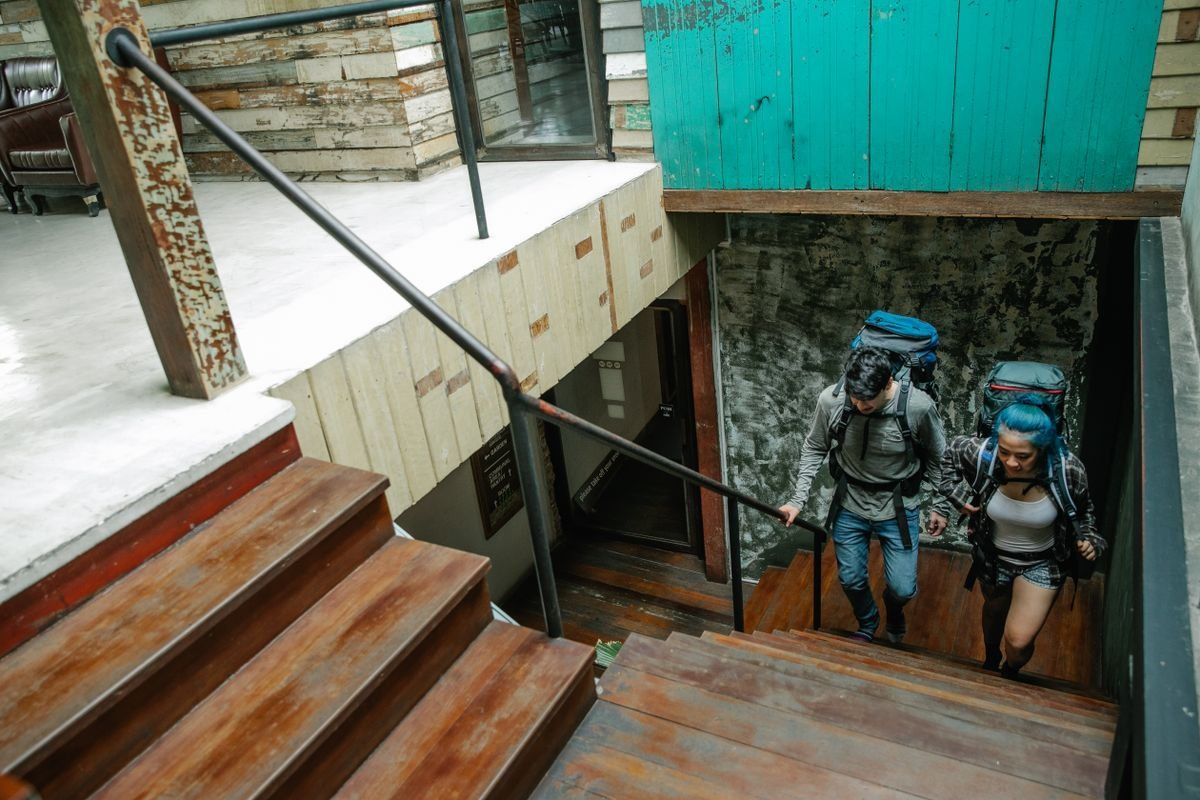
Frequent travel days demand a backpack that stays organized and easy to repack. Lightweight gear, cubes, and a consistent item layout are especially useful when you move often between buses, trains, hostels, and unexpected staircases with no elevator in sight.
- Use packing cubes by category
- Keep laundry separate from clean clothes
- Prioritize quick-dry fabrics and a small toiletry kit
For adventure travel
Active trips call for function first. Technical layers, weather protection, and durable shoes matter more than extra outfit choices. The goal is to stay comfortable, dry, and mobile without carrying unnecessary weight.
- Choose performance clothing over bulky pieces
- Waterproof important items with dry bags or liners
- Keep first-aid basics easy to access
Ready to pack your backpack and set off on a new adventure? From Southeast Asia and South America to Europe and beyond, discover inspiring routes and destinations for every kind of backpacker. Explore the best backpack trip ideas and find your next unforgettable journey.
Pack lighter, travel better
A well-packed backpack should feel balanced, organized, and easy to carry from one stop to the next. When each item has a purpose and a place, travel becomes simpler, faster, and more comfortable. Smart packing is less about restriction and more about freedom.
You do not need a superhero-level minimalist mindset to get this right. You just need a solid bag, a realistic list, and the courage to leave behind that third “maybe useful” sweater. It never is.
And if you want to put your new packing skills to work, discover WeRoad group backpacking trips and set off with a backpack that is finally ready for the adventure.
FAQ
- Is it better to roll or fold clothes in a travel backpack?
-
It depends on the garment. Rolling works well for T-shirts, underwear, and soft fabrics because it saves space and can reduce wrinkles. Folding is better for structured or wrinkle-prone items like shirts and dresses. In most cases, a combination of both works best.
- What is the 5-4-3-2-1 rule for packing?
-
The 5-4-3-2-1 rule is a simple way to limit what you bring. It usually means 5 tops, 4 bottoms, 3 pairs of shoes, 2 layers or dressier items, and 1 special essential like a jacket. It is flexible, but useful for preventing overpacking.
- What is the most forgotten item when packing for a trip?
-
The most commonly forgotten items are usually chargers, travel adapters, medications, toiletries, and documents. These small essentials are easy to overlook, so it helps to create a final checklist and review it before leaving for the airport or station.
- What are common backpack mistakes to avoid at airport security?
-
The biggest mistakes are packing liquids incorrectly, burying toiletries, forgetting to remove electronics when required, and carrying prohibited sharp objects. It also helps not to overstuff your bag, especially if it needs to fit under the seat or within airline size limits.
- How heavy should a travel backpack be?
-
That depends on the trip and your strength, but lighter is usually better. For carry-on travel, many people aim to stay under 7 to 10 kg, depending on airline rules. The goal is a bag you can carry comfortably without strain on travel days.