In a nutshell
- The French Riviera, or Côte d’Azur, is the Mediterranean coast of southeastern France, usually including destinations such as Cannes, Nice, Antibes, Monaco, Èze, and Menton, each with a distinct atmosphere and travel style.
- Cannes is more than its film-festival reputation: it combines La Croisette, Le Suquet, local markets, beaches, and island excursions, making it an excellent base or first stop for exploring the region.
- The most rewarding itinerary mixes different settings, from large cultural hubs like Nice to historic seaside towns like Antibes and panoramic hilltop villages like Èze, rather than focusing on only one place.
- The best periods to visit are late spring and early autumn, when weather remains warm but crowds are lighter; while the area can be costly, it is possible to manage expenses through trains, shoulder-season travel, public beaches, and strategic accommodation choices.
- For first-time visitors, 3 to 5 days is enough for a strong introduction, while a week allows a more relaxed rhythm that combines beach time, day trips, scenic transport, and time to enjoy the region’s food and local character.
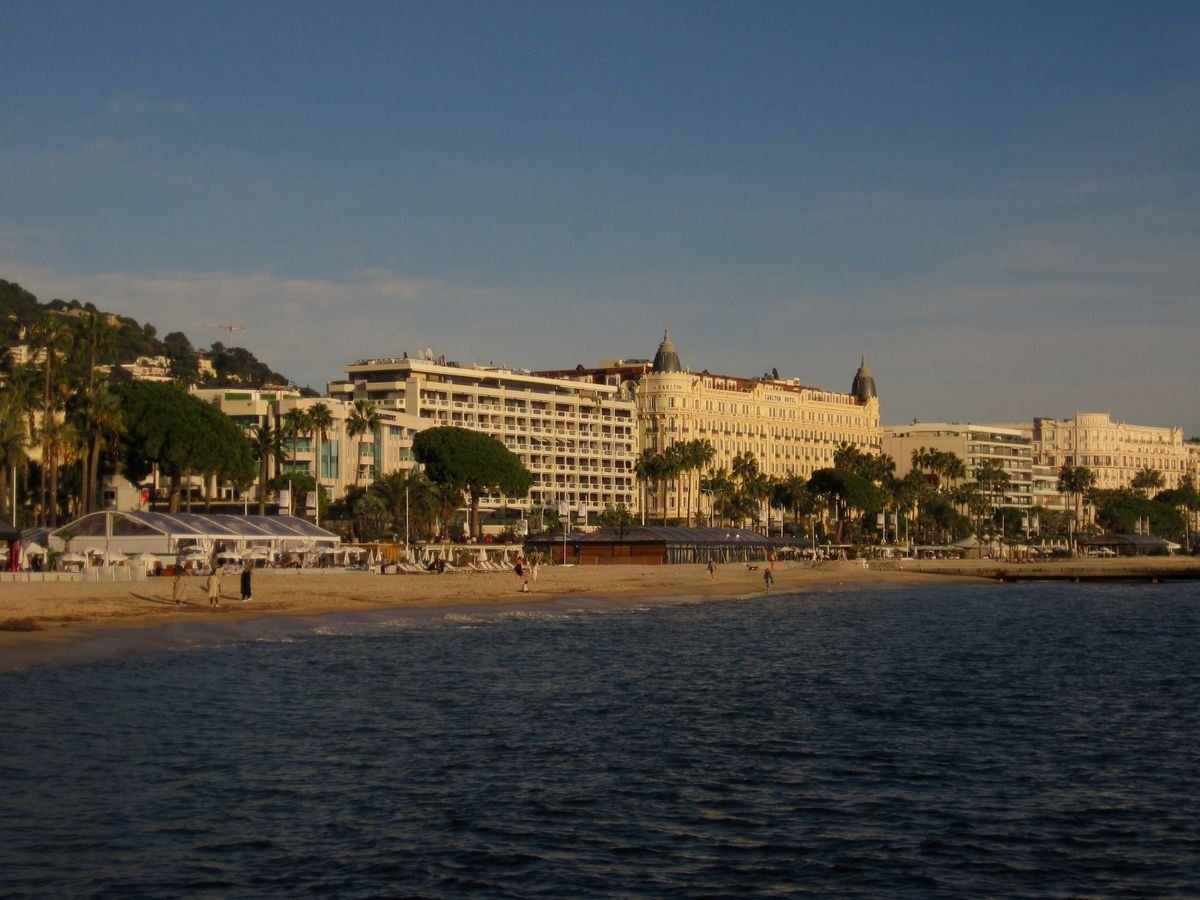
Glossy hotels, sea views that look suspiciously edited by nature itself, and a parade of beach clubs, old towns, and cliffside villages: the Côte d’Azur has long mastered the art of dramatic entrances. If recent screen glamour has nudged this coastline back onto your travel mood board, consider that a very reasonable life choice.
From Cannes to Nice, from postcard harbours to medieval villages perched above the Mediterranean, this stretch of southern France blends elegance with everyday pleasures. One minute you are admiring Belle Époque façades, the next you are eating a flaky pastry on a station platform because the train views were simply too good to interrupt.
What the French Riviera actually includes
The French Riviera refers to the Mediterranean coastline in southeastern France, commonly known as the Côte d’Azur. While there is no single official boundary, most travellers think of the area running from around Cannes and Saint-Tropez eastward through Nice, Monaco, and Menton.
That lack of hard borders is part of the charm. The region feels less like one destination and more like a string of personalities sharing the same sea. Some places lean cinematic and glamorous, others are quieter, artistic, or wonderfully old-fashioned.
What ties it all together is the combination of:
- Mediterranean light and long sunny seasons
- Elegant seaside towns with historic centres
- Hilltop villages with panoramic views
- Beach culture, marinas, and coastal walks
- Easy transport links between major stops
Why Cannes is the perfect entry point
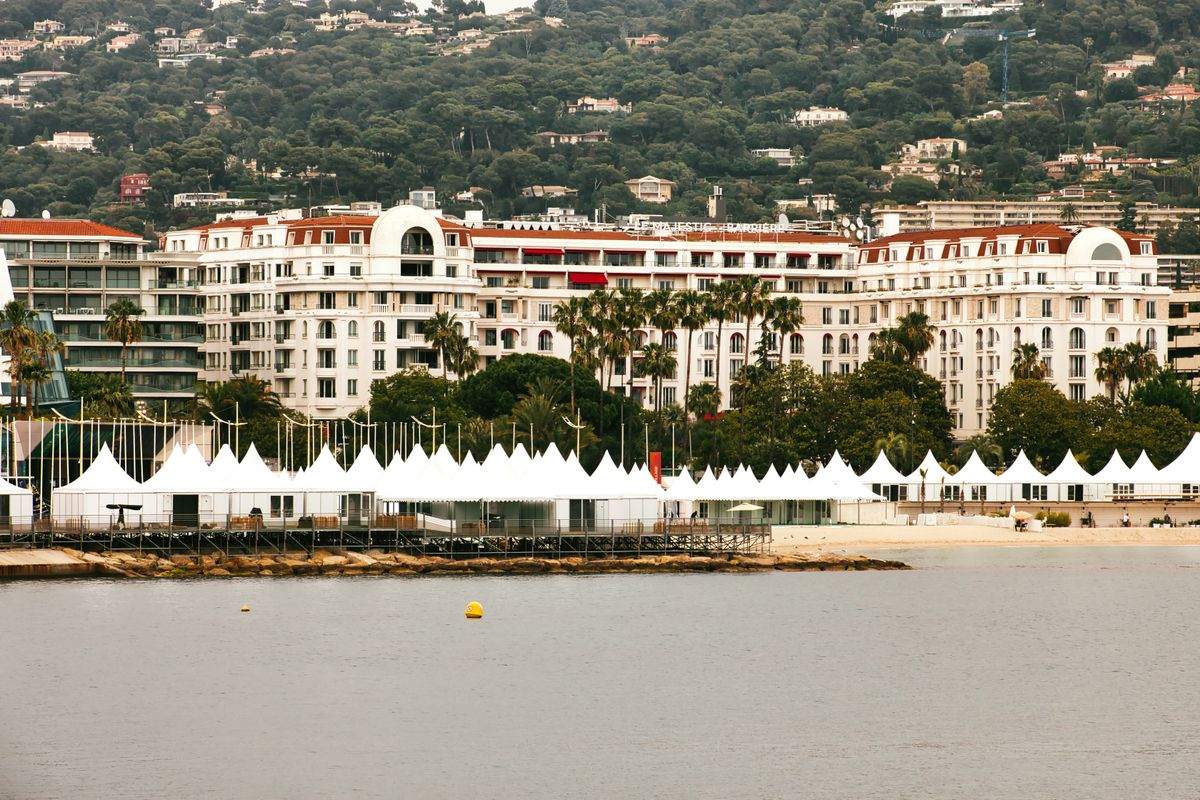
Cannes offers a polished, accessible introduction to the Riviera. It is best known for the film festival, but beyond the red carpet mythology, the city combines beaches, shopping, walkable neighbourhoods, and convenient connections to other coastal towns. It works well as both a stopover and a travel base.
Yes, Cannes has reputation. And yes, it absolutely knows how to pose. But there is more here than designer sunglasses and very confident yachts.
What to see in Cannes
The city’s highlights are concentrated enough to explore on foot. Start with the waterfront and then move inland toward the old quarter for a more layered feel.
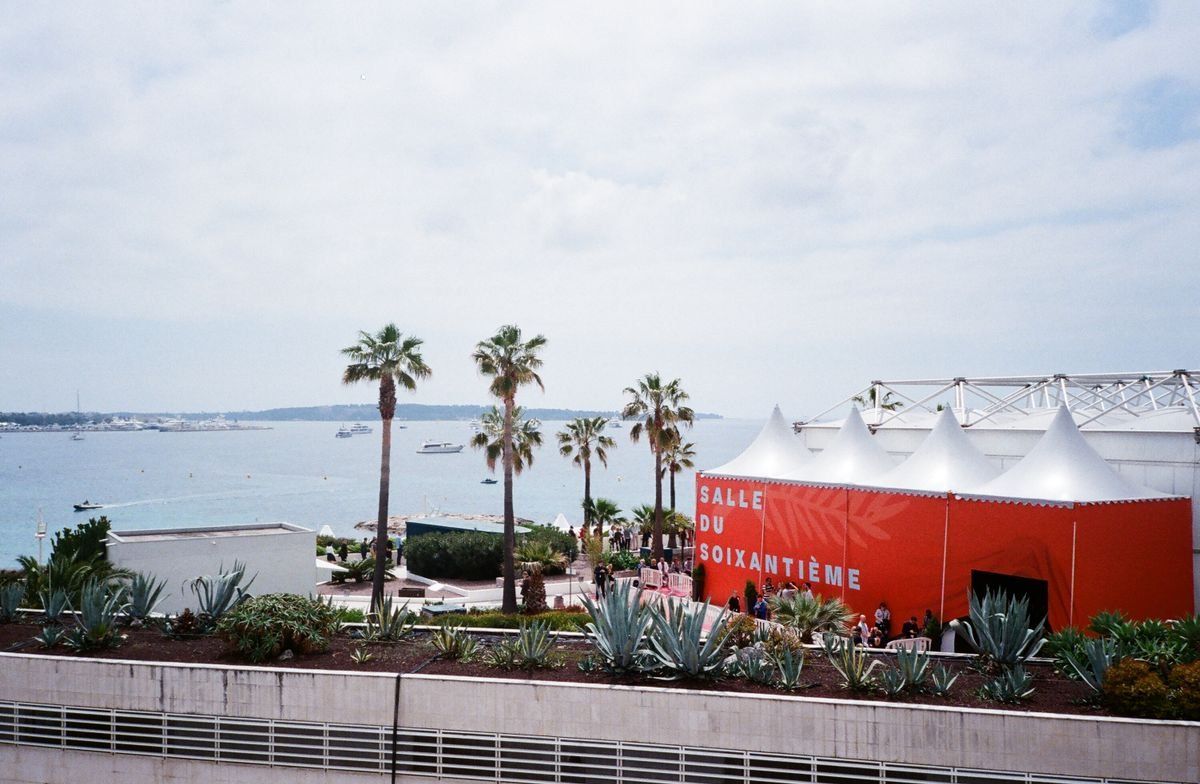
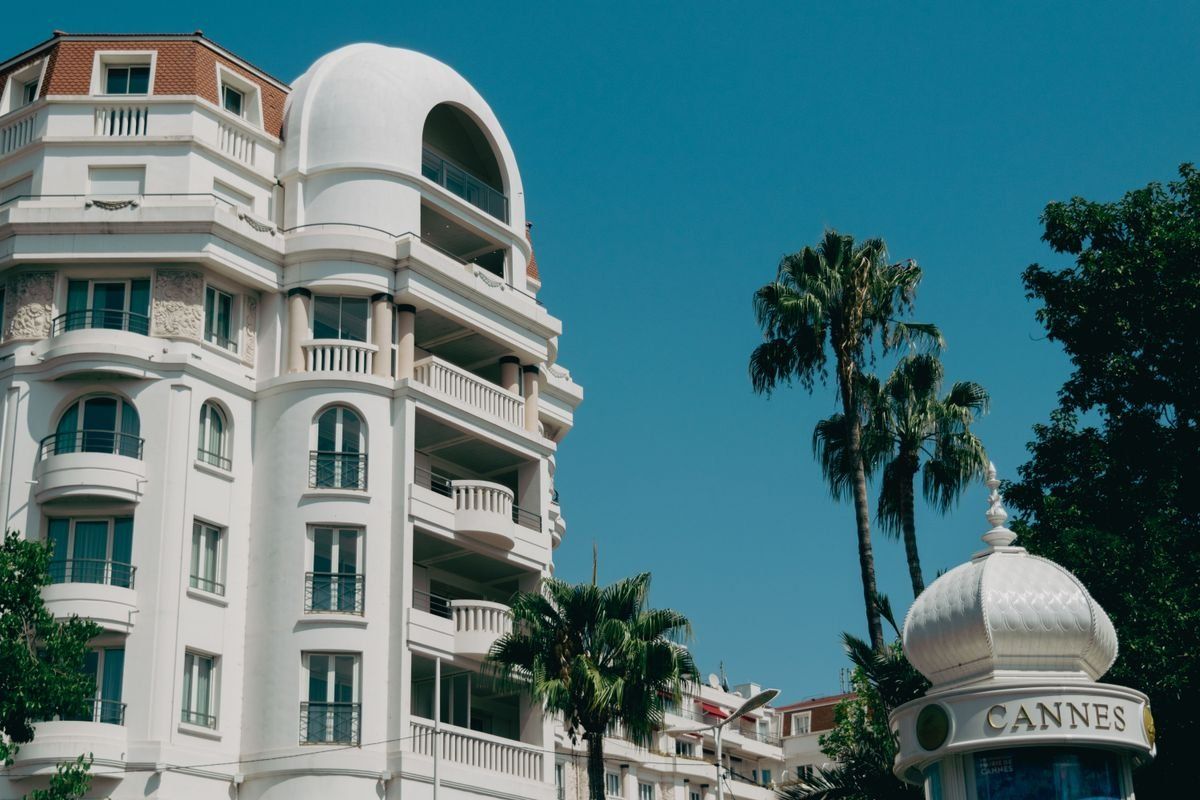
- La Croisette: the iconic seafront boulevard lined with luxury hotels, palm trees, beaches, and boutiques
- Le Suquet: the old town, with narrow lanes, viewpoints, and a quieter atmosphere
- Marché Forville: a lively covered market for produce, cheese, seafood, and picnic supplies
- Palais des Festivals: worth a quick stop for the symbolic film connection
- Île Sainte-Marguerite: an easy boat trip for pine forests, coves, and sea views
Cannes feels especially good in the early morning and late afternoon, when the pace softens and the city becomes less “flashbulb fantasy” and more “actually, I could stay here a while.”
Best places to visit along the Côte d’Azur
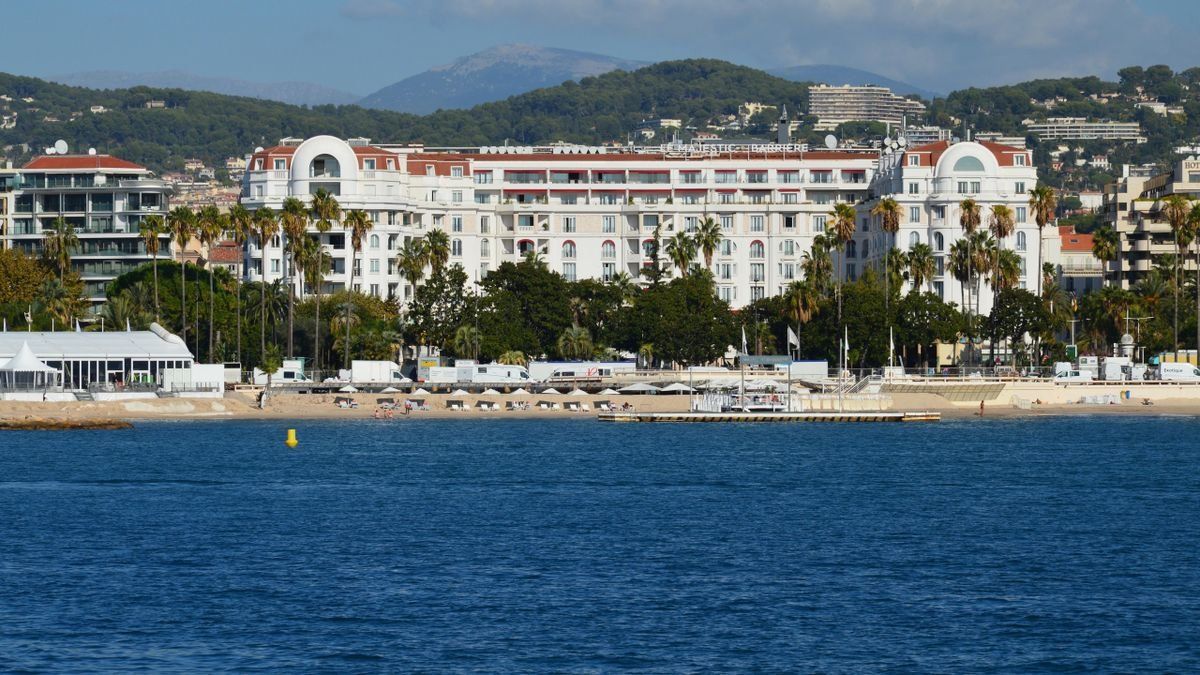
The region’s strongest appeal lies in variety. Within short distances, travellers can move between lively cities, quieter harbours, clifftop villages, and glamorous enclaves. A well-planned itinerary usually mixes two or three different moods rather than trying to see everything in one rushed sweep.
Here are some of the most rewarding stops near Cannes and across the coast.
Nice
Nice is the largest city on this coastline and one of the easiest bases for exploring it. It offers a broad mix of culture, food, sea views, and transport connections.
Walk the Promenade des Anglais, explore Old Nice, browse local markets, and climb to Castle Hill for sweeping views. It is lively without feeling inaccessible, and practical without sacrificing atmosphere.
Antibes
Antibes balances historic character with a relaxed coastal feel. It is known for its ramparts, marina, old town lanes, and connections to art, especially Picasso.
This is the town for travellers who want a place that still feels lived-in. It has enough beauty to impress you and enough normal life to keep it from becoming a stage set. Very considerate of it, really.
Èze
Èze is a medieval village perched high above the sea between Nice and Monaco. It is famous for dramatic views, stone streets, and the exotic garden at the top.
It can be busy, especially in high season, but its setting is extraordinary. If you go early or later in the day, the village feels less like a crowd management exercise and more like the dream sequence it deserves to be.
Monaco
Monaco offers a different side of the Riviera: dense, vertical, polished, and unmistakably wealthy. It is technically its own country, but it fits naturally into a coastal itinerary.
Come for the harbour views, the Monte Carlo Casino, and the novelty of stepping into a place where even the parked cars seem to have personal publicists.
Menton
Menton, near the Italian border, is often considered one of the prettiest towns on this stretch of coast. It is known for pastel buildings, gardens, beaches, and a softer, slightly Italian character.
If your ideal Riviera moment includes lemon-coloured façades and a slower pace, Menton delivers. It is especially appealing for travellers who want beauty without quite as much social performance.
| Place | Best for | Atmosphere | Time needed |
|---|---|---|---|
| Cannes | Style, beaches, day trips | Glamorous and walkable | 1-2 days |
| Nice | Base city, food, culture | Lively and versatile | 2-3 days |
| Antibes | Old town, marina, art | Relaxed and refined | 1 day |
| Èze | Views, medieval village | Scenic and romantic | Half day |
| Monaco | Landmarks, luxury, views | Polished and dramatic | 1 day |
| Menton | Colourful streets, gardens | Elegant and calm | 1 day |
When to visit for the best experience
The best times to visit are generally May to June and September to early October. During these months, the weather is warm, the sea is inviting, and the crowds are more manageable than in peak summer. Prices are often high, but not at their most extreme.
July and August bring classic Riviera energy: beach clubs buzzing, events in full swing, and towns packed with visitors. If that is your scene, excellent. If not, shoulder season is your friend, and a very wise one.
Winter can also work well for city breaks, especially in Nice or Cannes, when the region feels calmer and daily life is more visible.
Is this coastline expensive?
It can be expensive, especially in peak season and in high-profile destinations such as Cannes, Monaco, and Saint-Tropez. However, costs vary widely depending on timing, accommodation style, and how you move around. A trip here can be luxurious, but it does not have to be exclusively so.
You can manage your budget by making a few strategic choices:
- Travel in shoulder season for better rates
- Use regional trains instead of renting a car
- Stay in Nice or Antibes rather than the most exclusive towns
- Choose public beaches alongside the private clubs
- Mix restaurant meals with market lunches
In other words, you can spend like a movie producer, but you can also travel smart and still enjoy the same sea. The Mediterranean does not check your bank app before sparkling.
How to get around the Riviera
The coast is one of the easiest parts of southern Europe to explore without a car. Regional trains connect major towns efficiently, especially between Cannes, Antibes, Nice, Monaco, and Menton. Buses can fill in smaller gaps, while ferries and boat trips add a scenic option in some areas.
Driving offers flexibility, but it also comes with traffic, limited parking, and summer stress levels that no beach view fully deserves. Unless you are planning inland detours, trains are often the simplest choice.
A simple itinerary for first-time visitors
A first trip works best when it focuses on a few well-connected stops. Three to five days are enough for an introduction, while a full week allows for a more relaxed pace and a better mix of cities, beaches, and viewpoints.
3-day idea
- Day 1: Cannes and Le Suquet
- Day 2: Antibes and Nice
- Day 3: Èze and Monaco, or Menton
5-day idea
- Day 1: Arrive in Nice or Cannes
- Day 2: Explore Cannes and boat trip to Île Sainte-Marguerite
- Day 3: Antibes and Cap d’Antibes
- Day 4: Nice and Villefranche-sur-Mer
- Day 5: Èze, Monaco, or Menton
Riviera mood, without the myth
The enduring appeal of this coastline is not only its glamour. It is the way grand hotels, local markets, beach afternoons, museum visits, and old fishing quarters all coexist within a compact, beautiful region. The result feels cinematic, but still pleasantly human.
So yes, come for Cannes, sea views, and a little dose of aspirational drama. Stay for the harbours, the hilltop villages, the train rides hugging the coast, and the quiet realization that a tomato sandwich can taste absurdly good when eaten in the sun.
If you want to experience this stretch of southern France with the right balance of planning, spontaneity, and great company, explore WeRoad group trips to the French Riviera and start building your own stylish escape.
FAQ
- What exactly is the French Riviera?
-
It is the Mediterranean coastline in southeastern France, commonly called the Côte d’Azur. In travel terms, it usually includes towns and cities such as Cannes, Nice, Antibes, Monaco, and Menton, though exact boundaries can vary.
- What is the prettiest town on the French Riviera?
-
This depends on your taste, but Menton, Èze, and Villefranche-sur-Mer are often among the top contenders. Menton stands out for pastel architecture and a gentle atmosphere, while Èze is known for dramatic cliffside views.
- Is the Amalfi Coast or the French Riviera better?
-
They offer different experiences. The Amalfi Coast feels more vertical, dramatic, and village-focused, while the Riviera in France offers a broader mix of beaches, cities, art, glamour, and easier rail connections. The better choice depends on whether you prefer cliffside intensity or coastal variety.
- Is the French Riviera expensive?
-
It can be, especially in peak summer and in high-profile destinations like Cannes or Monaco. That said, travelling in shoulder season, using trains, staying in less exclusive towns, and mixing restaurants with market meals can make the trip much more manageable.
- How many days do you need for Cannes and the surrounding coast?
-
Three to five days is a good minimum for a first trip. That gives you time to see Cannes, add a couple of day trips to places like Nice or Antibes, and still enjoy the coastline without turning the holiday into a competitive sport.
- Is Cannes worth visiting even outside the film festival?
-
Yes. Cannes is enjoyable year-round for its seafront, old town, market, beaches, and nearby island trips. Outside the festival period, it often feels more relaxed and easier to explore, while still keeping its signature elegance.