In a nutshell
- Bangkok is more than temples: the city stands out for its mix of landmarks, markets, parks, rooftops and walkable neighborhoods, which together create a more complete and rewarding itinerary.
- The essential cultural stops include Wat Pho, Wat Arun and the Grand Palace, especially for first-time visitors who want historical context and Bangkok’s most iconic architecture.
- Markets reveal the city’s daily energy: Chatuchak is best for large-scale shopping, Chinatown for evening street food and atmosphere, and Asiatique for an easier riverside night out.
- Rooftops and parks add balance: skyline views from places like Octave or Mahanakhon SkyWalk pair well with quieter breaks in Lumphini Park and Benjakitti Park.
- Three days can be enough to see Bangkok well if you group activities by area, mix transport options like BTS and river boats, and combine major sights with slower local experiences.
Bangkok doesn’t exactly whisper for your attention. It honks, sizzles, glows and occasionally hands you a skewer of something delicious you can’t quite identify. Beyond the famous temples, Thailand’s capital is a city of contrasts: serene canals, chaotic markets, leafy parks, glamorous rooftops and neighborhoods that feel different from one street to the next.
If you’re planning your list of things to do in Bangkok, it helps to look past the obvious and build an itinerary with a little variety. One moment you’re cruising the Chao Phraya River, the next you’re bargaining in a market, cooling off in a mall, or watching sunset from a rooftop bar while pretending this is your normal life now.
What to see first in Bangkok
Start with a balanced mix of landmarks, local neighborhoods and food-focused stops. Bangkok rewards travelers who combine major sights with slower experiences like park walks, canal rides and evening markets. That way, you get the city’s iconic side without missing the everyday rhythm that makes it memorable.
If it’s your first visit, there are a few classics worth keeping in the plan. Wat Pho is one of the city’s standout temple visits, not only for its atmosphere but also for the giant reclining Buddha that really doesn’t believe in doing anything halfway. Wat Arun, across the river, is equally striking and especially beautiful around late afternoon.
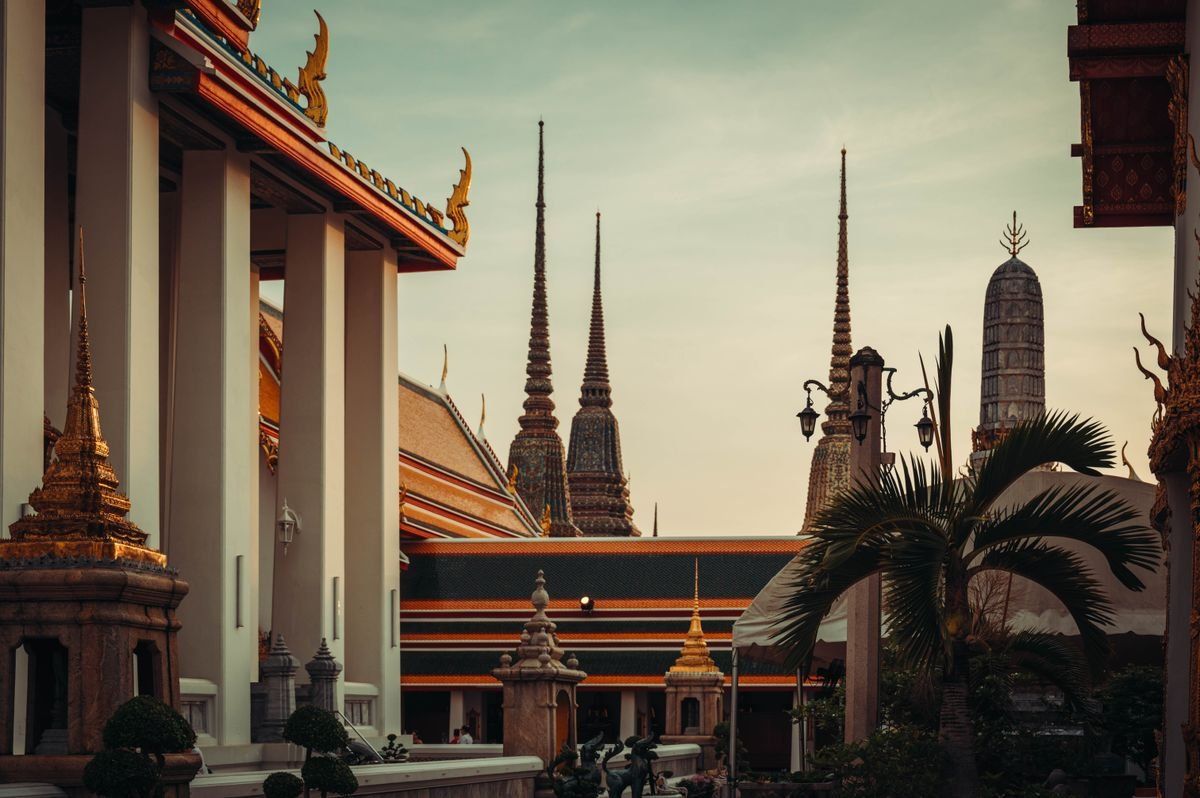
The Grand Palace is still one of Bangkok’s most important sights, especially if you want historical context and elaborate architecture. Yes, it can be crowded. Yes, it can be hot. Yes, your shirt will question your life choices. But it remains one of the most significant cultural sites in the city.
Markets that show Bangkok’s real energy
Bangkok’s markets are more than shopping stops. They are social spaces where food, fashion, local habits and everyday city life all come together. Visiting at least one major market and one neighborhood market gives a fuller picture of the city than malls and monuments alone ever could.
Chatuchak Weekend Market is the giant of them all. If you’re in town from Friday to Sunday, it’s one of the best places to browse clothes, ceramics, souvenirs, snacks and homeware. It is enormous, so go early, wear breathable clothes and accept that getting slightly lost is part of the experience.
For a more atmospheric evening option, Chinatown is a must. It’s busy, loud and packed with street food, gold shops, side alleys and old shophouses. Come hungry and wander slowly. This is where Bangkok feels gloriously overwhelming in the best possible way.
If you prefer a market with a riverfront twist, Asiatique offers an easier, more curated experience with shops, snacks and nighttime views. It’s less local than traditional markets, but convenient if you want a relaxed evening with space to breathe.
Best market experiences by travel style
Different markets suit different moods. Choosing the right one can save time and help shape your day more effectively.
| Market | Best for | When to go | Atmosphere |
|---|---|---|---|
| Chatuchak | Shopping and variety | Weekend mornings | Huge, energetic, chaotic |
| Chinatown | Street food and walking | Evening | Busy, vibrant, sensory overload |
| Asiatique | Easy night out by the river | After sunset | Relaxed, tourist-friendly |
Bangkok from above: rooftops and skyline views
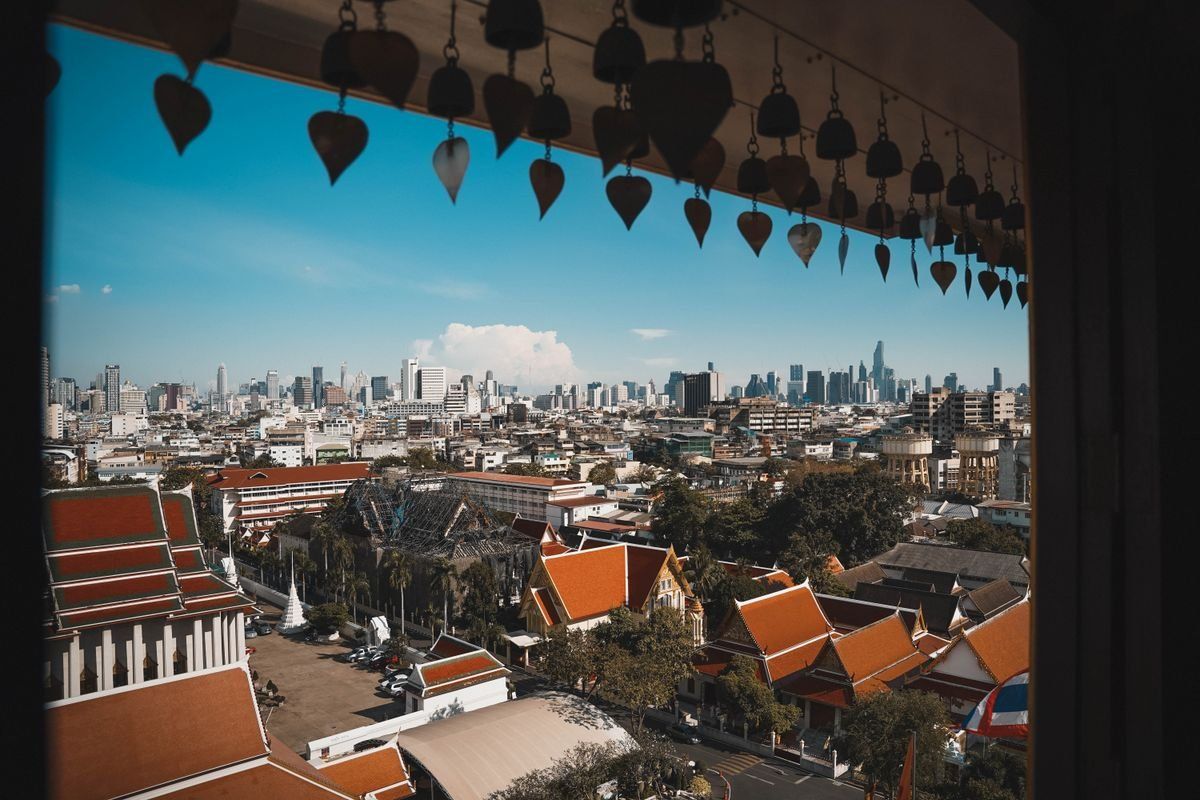
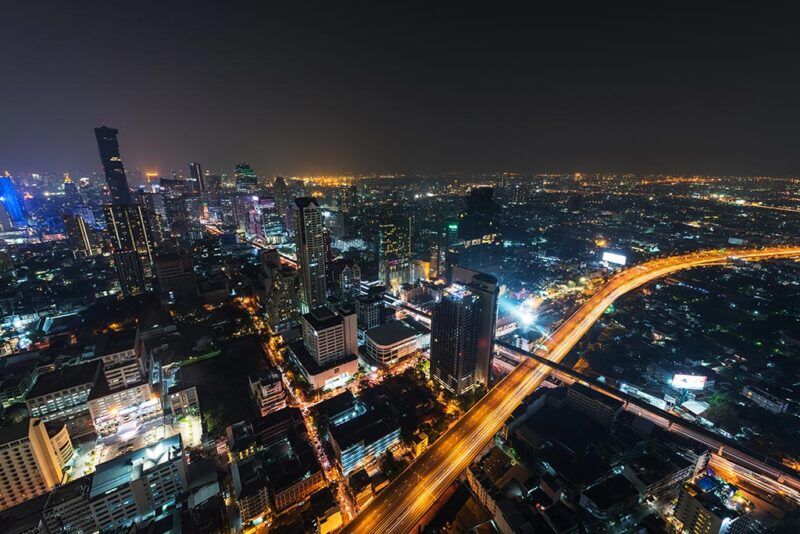
Seeing Bangkok from above helps you understand its scale. Rooftops offer perspective, cooler evening temperatures and some of the city’s most memorable views. They range from glamorous cocktail lounges to observation decks, so you can choose based on budget, mood and dress code tolerance.
A rooftop bar is one of the most rewarding evening activities in the city. Octave, Vertigo and Sky Bar are among the best-known options, each with wide skyline views and a polished atmosphere. Drinks are rarely cheap, but the setting usually justifies the splurge.
If you want the view without committing to a full rooftop-bar budget, consider a viewpoint like Mahanakhon SkyWalk. It gives you a sweeping panorama over Bangkok’s high-rises, river bends and endless urban sprawl. It’s ideal if you want photos and a wow factor without worrying whether your sandals are “elegant enough.”

Neighborhoods worth exploring on foot
Some of Bangkok’s best moments happen between the landmarks. Walking through the right neighborhoods reveals local cafés, street art, family-run shops and architectural layers that don’t appear in standard sightseeing lists. These areas bring texture to the trip and slow the pace in a rewarding way.
Talat Noi is a great example. This historic area near Chinatown mixes old garages, shrines, riverfront corners and street art. It’s photogenic without feeling too polished, and it rewards aimless wandering.
Banglamphu, near the old town, is another area worth your time. It has old Bangkok character, hidden alleys and easy access to major landmarks. You’re also close to Khao San Road, which is worth seeing at least once in the evening. It’s touristy, loud and a bit ridiculous, but that’s also the point. Think of it as Bangkok putting on its party shirt.
Parks and green spaces for a break from the heat
Bangkok can be intense, so building in time for green spaces makes a real difference. Parks offer shade, slower movement and a chance to see local life away from the main tourist flow. Early morning and late afternoon are the best times to visit comfortably.
Lumphini Park is the classic option, centrally located and popular with runners, tai chi groups and anyone needing a breather. Keep an eye out for the famous monitor lizards, which look prehistoric enough to make you walk just a little faster.
For a more modern and scenic experience, head to Benjakitti Park. The elevated walkways, wetlands and skyline backdrop make it one of the most visually impressive green spaces in the city. It feels surprisingly calm given how much city surrounds it.
Food experiences beyond the obvious
Bangkok is one of Asia’s most exciting food cities, and eating well here does not require luxury budgets. A good strategy is to combine street food, market snacks and one more polished meal. That creates contrast and lets you experience the full spectrum of the city’s dining culture.
Street food is central to the Bangkok experience. Try classics like pad thai, grilled skewers, mango sticky rice, boat noodles or crispy pork over rice. Chinatown is excellent for evening grazing, while local markets throughout the city offer more casual daytime options.
At the other end of the spectrum, Bangkok also does rooftop dining, creative Thai cuisine and stylish riverside restaurants extremely well. If you want one special dinner, the city gives you plenty of options without ever losing its connection to bold local flavors.
How many days do you need in Bangkok?
Three days is enough to get a strong first impression of Bangkok. With smart planning, you can combine major landmarks, food stops, markets and one or two slower neighborhood experiences. More time allows for day trips and a less rushed pace, but three days works well.
A simple structure could look like this:
- Day 1: Grand Palace, Wat Pho, Wat Arun, sunset by the river
- Day 2: Chatuchak or Chinatown, a park break, rooftop drinks
- Day 3: Talat Noi or Banglamphu, shopping or cafés, relaxed evening out
If you have extra time, you can add canal rides, museum visits, cooking classes or a day trip to places like Ayutthaya or a floating market.
Not sure when to go? Read our guide to the best time to visit Thailand.
Practical tips for getting around Bangkok
Moving around Bangkok is easier when you combine public transport with boats and occasional taxis. Traffic can be heavy at almost any hour, so trains and river routes often save time. Planning by neighborhood instead of crisscrossing the city also makes each day smoother.
- Use the BTS Skytrain and MRT for longer city transfers.
- Take the river boat when sightseeing near old town and riverside areas.
- Use ride apps for convenience, especially at night.
- Dress modestly for temple visits: shoulders and knees covered.
- Carry water and plan indoor breaks during the hottest hours.
Packing for the heat and the humidity? Read our guide on what to pack for Thailand.
The WeRoad tip
See Bangkok from the water, then dive into its evening energy
One of the best ways to understand Bangkok is to leave the roads for a while and take to the water. A long-tail boat ride through the klongs shows a quieter side of the city, where wooden houses, small piers and everyday life unfold just a few minutes away from the traffic. Pair that with a simple river trip by boat on the Chao Phraya and the city suddenly feels more layered, less rushed and much easier to read.
If you want to turn that into a full Bangkok day, add a stop for street food at a local market and keep the evening for a stroll around Khao San Road. It’s a fun contrast: calm canals first, neon chaos later. And if you have one extra half-day, the Railway Market makes a memorable excursion from the city, with stalls pulled back as the train runs right through the middle. It’s one of those “this cannot be real” travel moments that Bangkok and its surroundings do extremely well.
A city that keeps surprising you
Bangkok is at its best when you let contrasts shape the trip. Temples matter, of course, but so do markets, parks, skyline bars, hidden alleys and long meals that turn into longer evenings. The city can be intense, but that intensity is exactly what makes it so hard to forget.
If you want to experience Bangkok with the right mix of iconic sights and local atmosphere, take a look at the WeRoad group trips to Thailand and start planning your next adventure.
FAQ
- What shouldn’t you miss in Bangkok?
-
You shouldn’t miss Wat Pho, Wat Arun, the Grand Palace, a market experience like Chatuchak or Chinatown, and at least one skyline view from a rooftop or observation deck.
- Is 3 days enough to see Bangkok?
-
Yes, three days is enough for a first visit if you plan well. You can cover the main cultural sights, enjoy local food, explore a neighborhood or two and still fit in a rooftop evening or park visit.
- Is $500 enough for a week in Thailand?
-
It can be enough for a budget trip, especially if you stay in simple accommodation, eat local food and use public transport. In Bangkok, costs rise quickly if you add rooftop bars, premium hotels or many paid attractions.
- What is cheaper in Thailand to buy?
-
Travelers often find street food, local clothing, market souvenirs, massages and some beauty products cheaper in Thailand than in many Western countries. Prices vary a lot between tourist markets, malls and local shops.
- What is the best area to stay in Bangkok for first-time visitors?
-
Sukhumvit is convenient for transport, food and nightlife, while the riverside works well if you want scenic views and easier access to the old town. Silom is another practical base with a good balance of transport and dining.